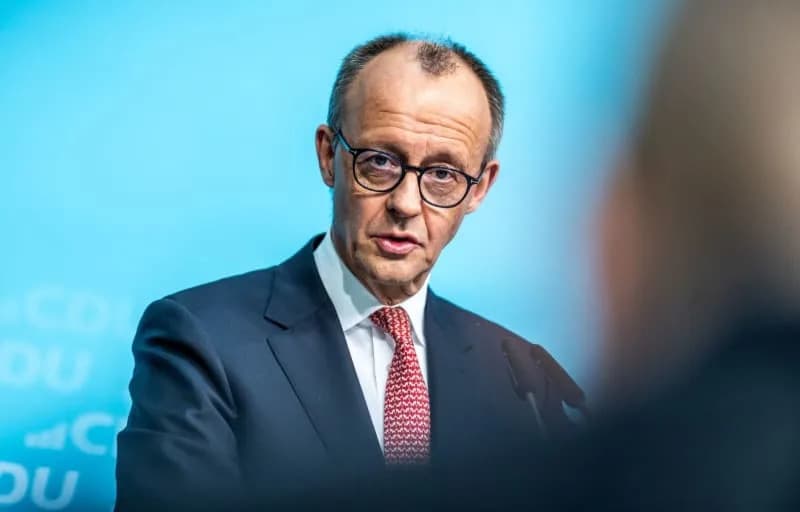
Meloni and Merz have signed a Rome pact that signals closer Italy–Germany cooperation on defence, migration and trade. The agreement comes as questions about France’s political and fiscal stability have weakened Paris’s dominance in EU policymaking. With deep economic ties — €153bn of bilateral trade in 2024 and over €100bn in cross‑investment — Rome and Berlin present themselves as an industrial partnership prepared to push for regulatory reform, tougher migration controls and stronger European defence.
Meloni and Merz Forge Rome Pact — Is the EU’s Engine Shifting From Paris to Berlin–Rome?
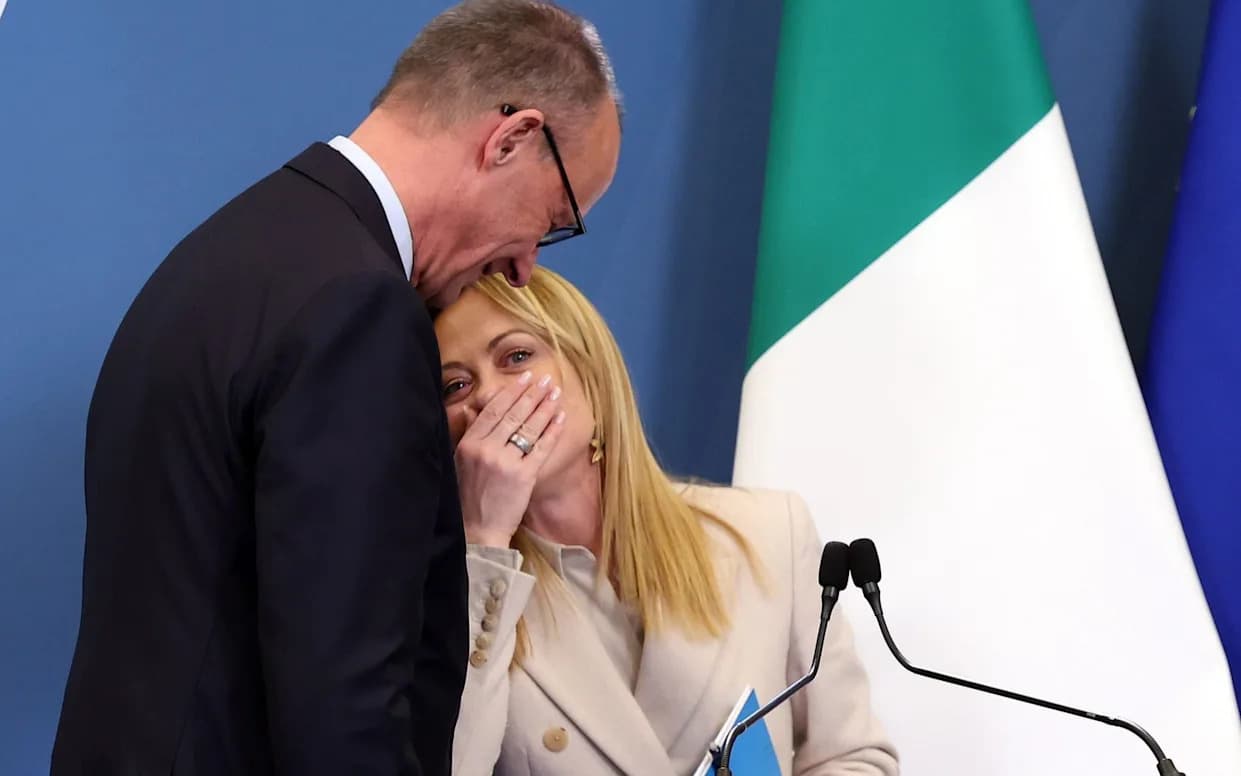
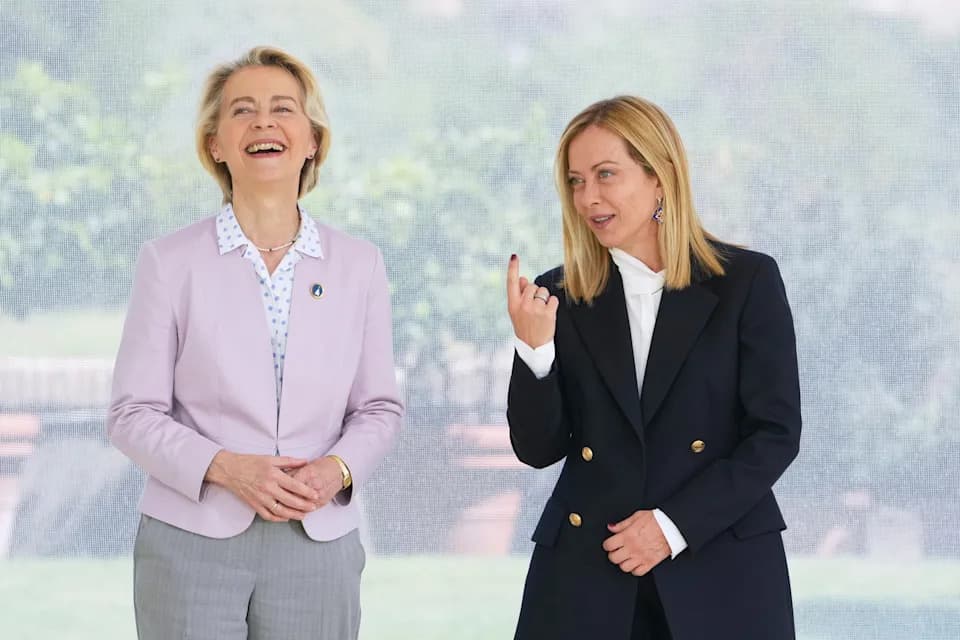
Friedrich Merz, the German chancellor, towers over Giorgia Meloni, the Italian PM, as they sign their partnership pact - Marco Iacobucci/Shutterstock
Giorgia Meloni and Friedrich Merz surprised observers when they met in Rome to sign a cooperation pact that many see as recasting the balance of power in the EU. Their agreement — focused on defence, migration and trade — has prompted debate over whether Paris’s central role in EU policymaking is being eclipsed by a closer Italy–Germany alignment.
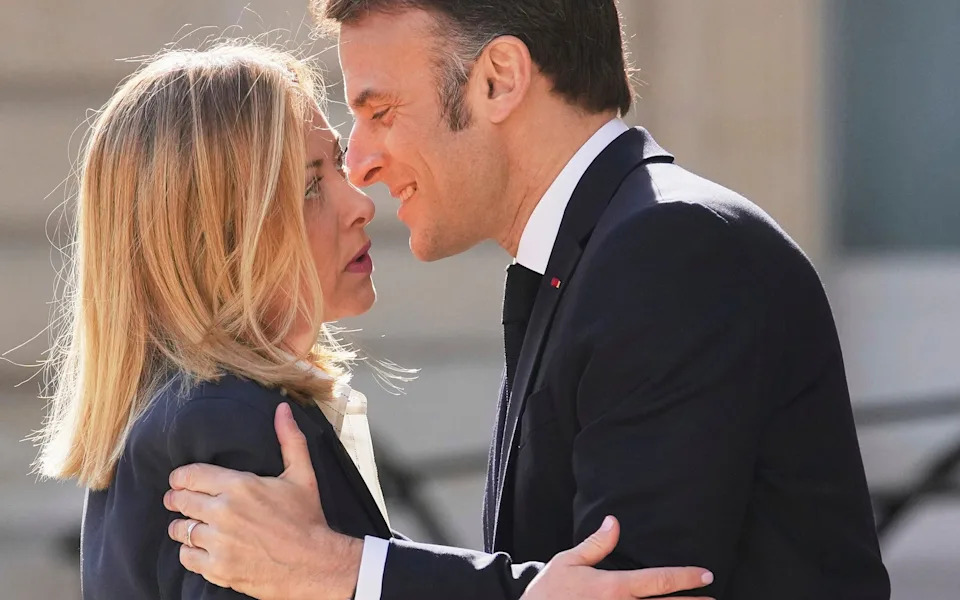
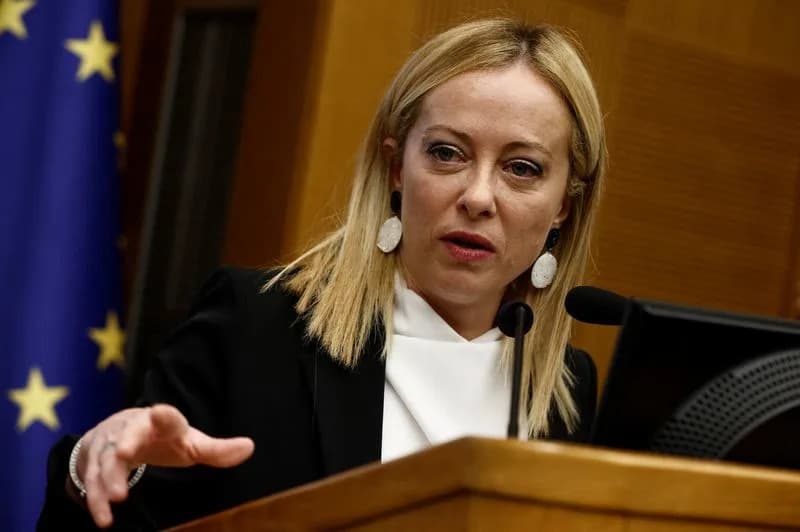
Giorgia Meloni has come to be seen as a more reliable partner for Berlin as Emmanuel Macron struggles with domestic politics - (AP Photo/Thibault Camus
An Unlikely Political Pairing
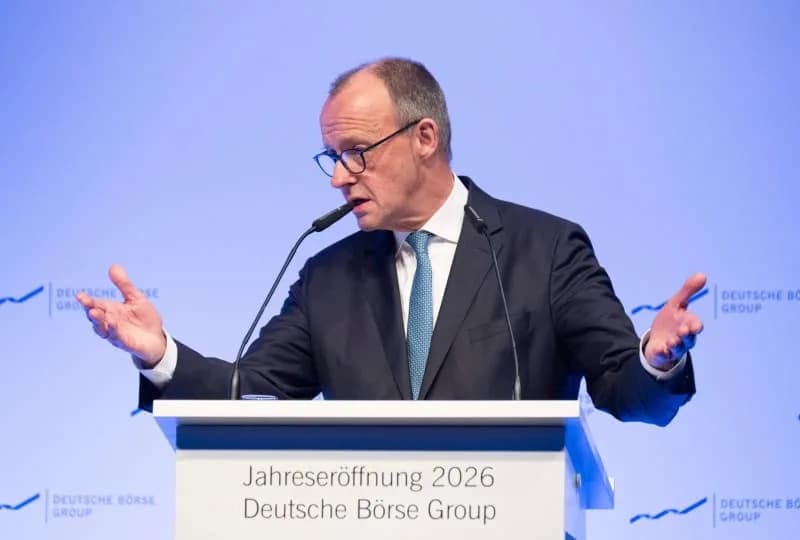
The meeting brought together two very different leaders: Friedrich Merz, the 70‑year‑old former BlackRock executive, and Italy’s 49‑year‑old prime minister, Giorgia Meloni. Yet the contrast did not prevent them from presenting a joint vision for Europe’s near future. “Italy and Germany are closer than ever before,” Mr Merz declared at the signing.
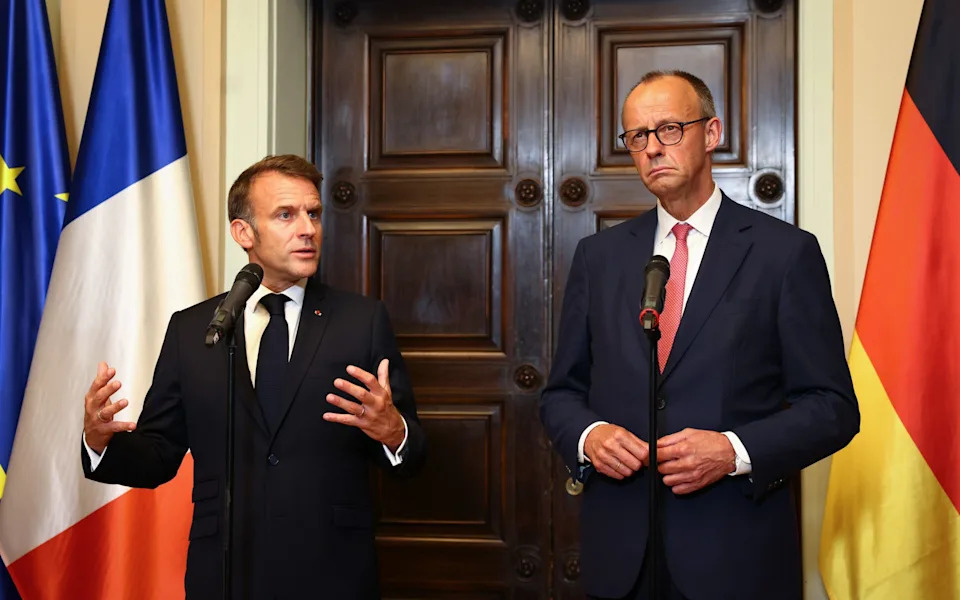
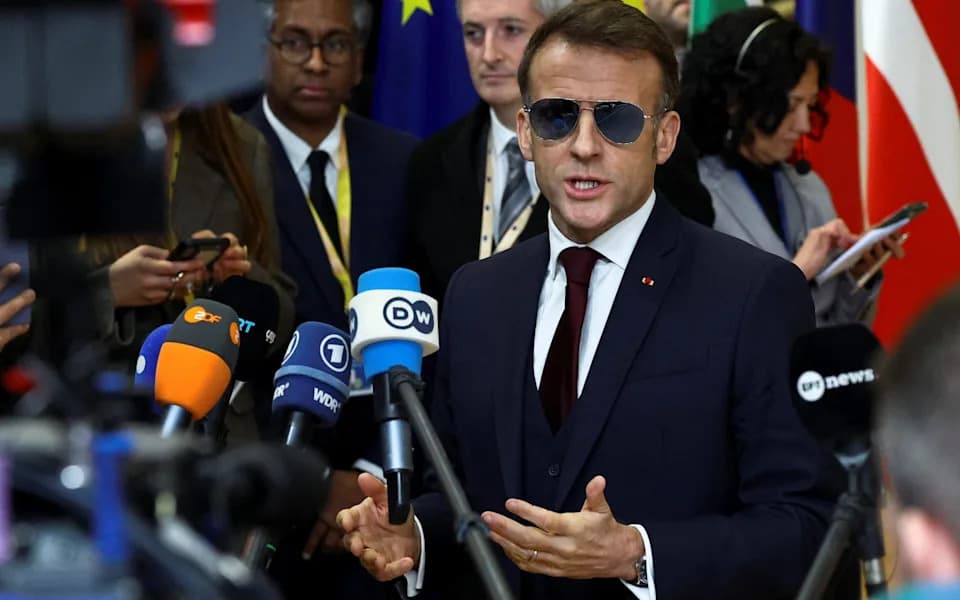
Political and economic instability under Emmanuel Macron’s rule have forced German chancellor Friedrich Merz to turn to Rome - Christian Mang/Getty Images
Why The Shift Matters
Paris and Berlin have long been described as the EU’s policymaking "engine." But questions about President Emmanuel Macron’s political standing and France’s economic trajectory have created an opening for new leadership configurations. An EU diplomat quoted by reporters said Berlin needs reliable partners and currently views Paris as unstable — an assessment that helps explain Mr Merz’s turn towards Rome.
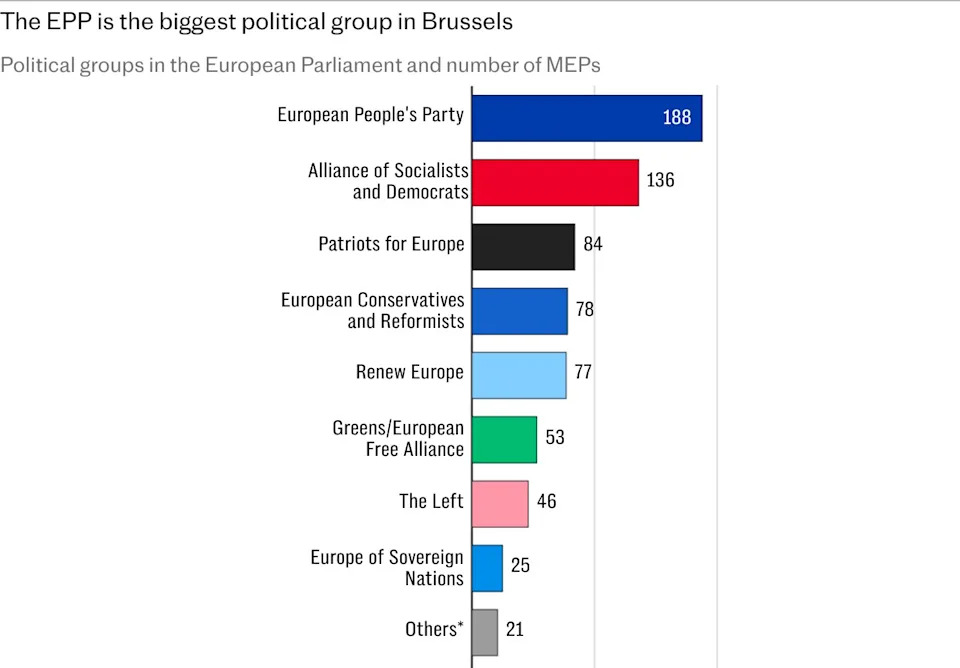
“Meloni is so good. She is fantastic at making the person she speaks to feel like they are the most important person in the room,” an EU diplomat said, arguing the Rome pact reflects a “new centre of gravity inside the EU.”
Policy Priorities: Defence, Migration and Trade
The Rome accord emphasizes three areas: bolstering European defence capacity, tightening migration controls and pursuing trade policies that support industry. Both leaders support greater European strategic autonomy while maintaining strong transatlantic ties — and both have pushed for measures to reduce irregular arrivals and accelerate returns.
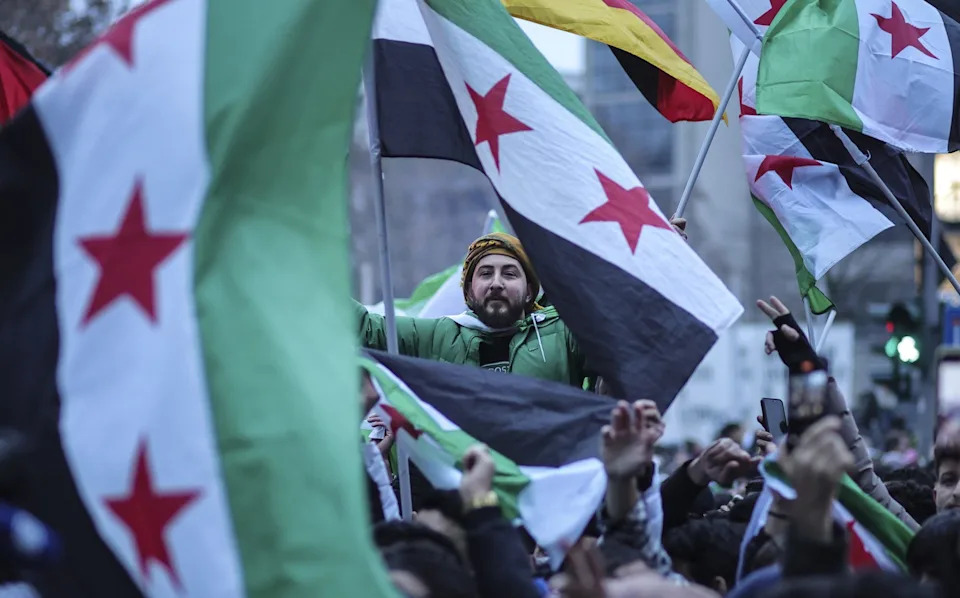
Expatriate Syrians celebrate the fall of the Assad regime in Berlin in December 2024. Germany took in over a million refugees from the war - Omer Messinger/Getty Images
Ms Meloni has pursued tougher asylum policies at EU level and negotiated return agreements with North African states; her government’s approach includes a processing arrangement with Albania that has been compared to earlier "Rwanda‑style" deterrence models. Mr Merz has repudiated Angela Merkel’s open‑border legacy and joined leaders calling for stricter migration limits and faster deportations.
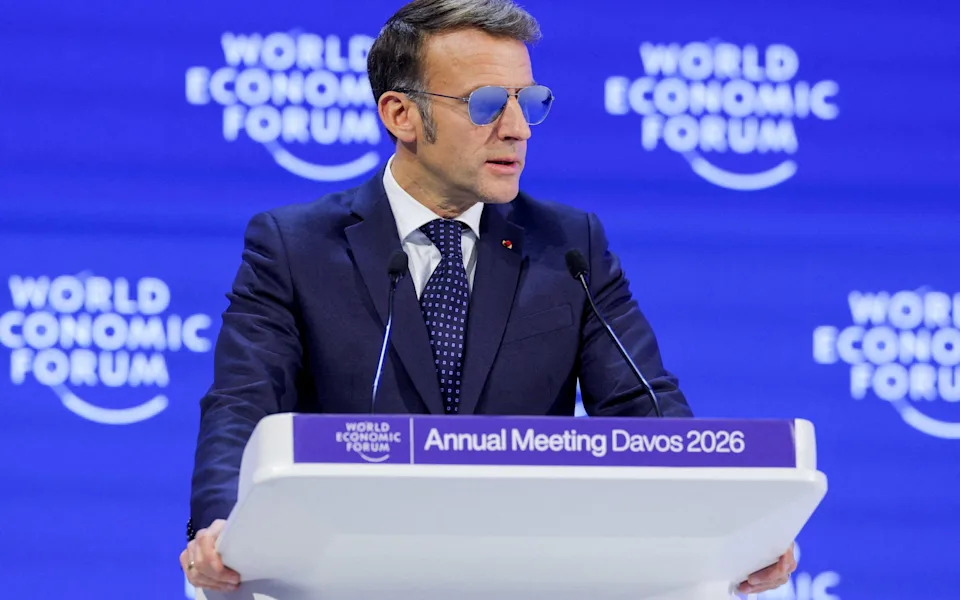
Emmanuel Macron took a far more confrontational stance toward Washington over the Greenland crisis than other EU leaders - Denis Balibouse
Economic and Strategic Stakes
Economic ties between Italy and Germany are deep: bilateral trade totaled about €153bn in 2024, and cross‑investment exceeds €100bn. The two countries now present themselves as industrial partners confronting similar challenges—competition from China, US trade pressure, and the need to rearm in response to a changed security environment.
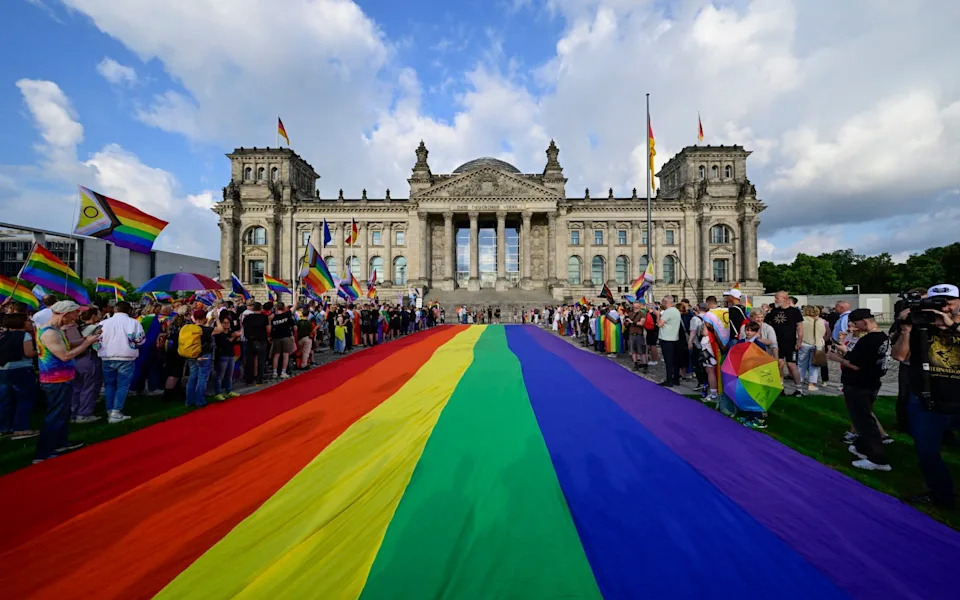
2025 Pride celebrations in Berlin. Mr Merz backed plans to prevent the flying of the LGBTQ+ flag from the Bundestag building - JOHN MACDOUGALL/AFP via Getty Images
Their defence aims are ambitious. Italy has about 165,500 active‑duty personnel versus Germany’s roughly 64,000, and both want to strengthen European defence industry capacity. Mr Merz has advocated significant Bundeswehr reinvestment and higher defence spending targets; Italy’s defence budget is rising but has historically fallen short of NATO’s 2% guideline.
France’s Position And The Wider EU
France remains an important EU actor. But concerns about growth (France’s GDP growth forecast is modest), public finances and domestic politics have reduced Paris’s perceived reliability in some EU capitals. German officials have said they are reluctant to shoulder more fiscal risk for countries seen as having weaker budgets — a line of reasoning that benefits Rome’s credibility under Ms Meloni, who has highlighted fiscal consolidation efforts.
Mr Merz has proposed a “multi‑speed Europe” in which a core group of states moves ahead on key policies; this vision would allow like‑minded members to overcome bloc‑wide deadlocks while preserving wider EU cooperation. Observers stress this cannot erase decades of Franco‑German cooperation, but it could reshape which capitals lead on particular files.
Outlook
The Merz‑Meloni alignment will be watched closely in Brussels and capitals across Europe. Their partnership may accelerate regulatory reform, push for a more assertive trade policy, and harden migration and defence stances — but success depends on parliamentary politics across member states and the reactions of other EU heavyweights, notably France.
Reported facts and figures in this article are drawn from public statements and published statistics cited at the time of writing. Where quotations are attributed to unnamed diplomats or officials, they reflect reported views rather than verified policy positions.
Help us improve.