Germany is hosting a video call with finance ministers from France, Poland, Spain, Italy and the Netherlands to push a "two‑speed" EU model that allows willing members to act faster. The meeting — billed as a "kick‑off" and to be followed by a Eurogroup sideline meeting — aims to boost Europe’s sovereignty, resilience and competitiveness. Germany proposes a four‑point plan focusing on a capital markets union, a stronger euro, coordinated defence investment and securing critical raw materials.
Germany Calls Video Summit With Five EU Partners to Drive a 'Two‑Speed' Europe
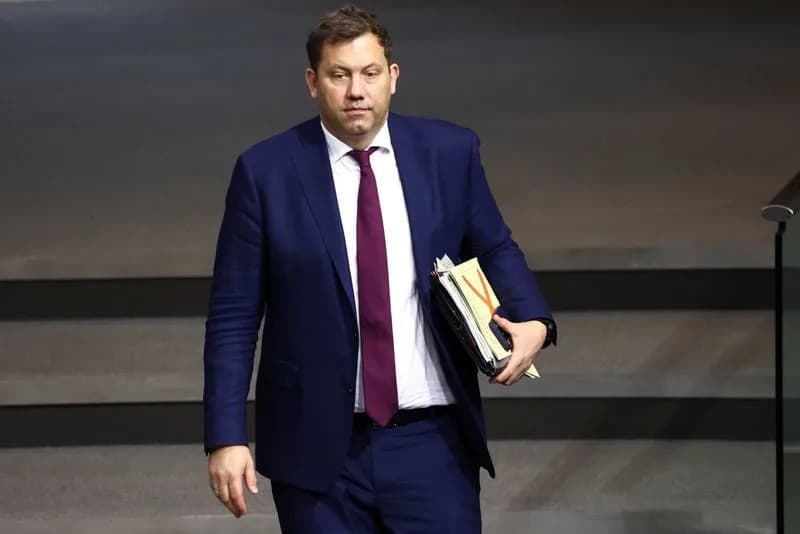
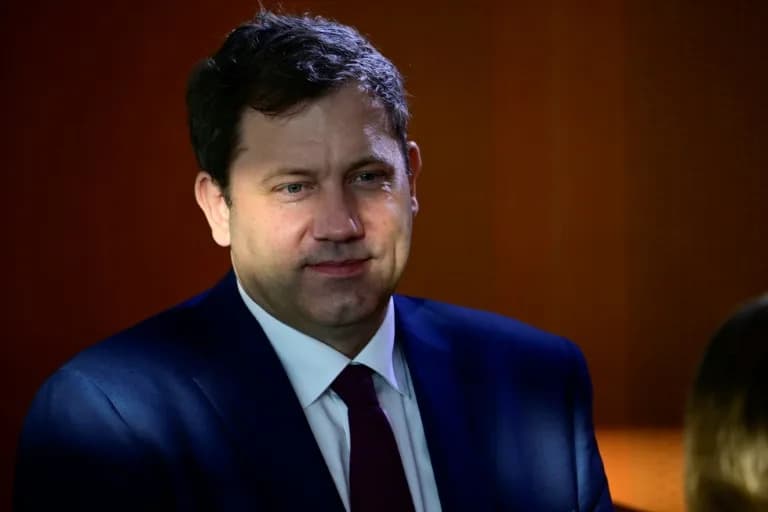
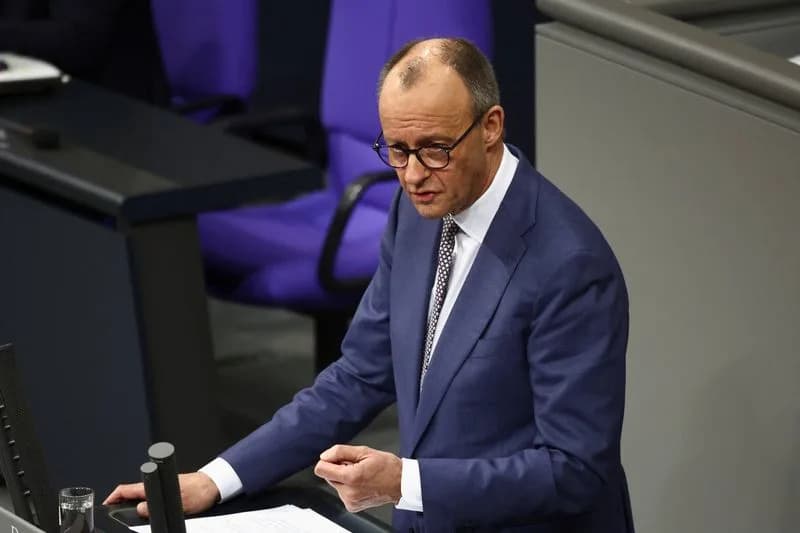
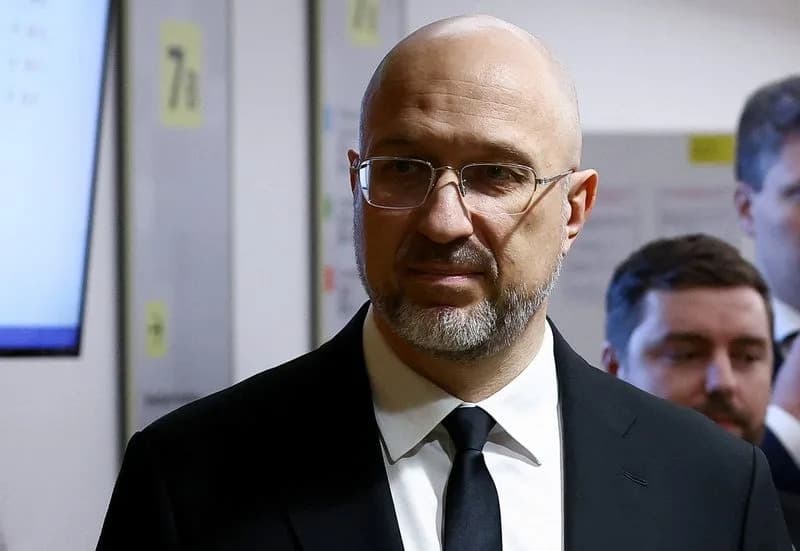
German Finance Minister Lars Klingbeil attends a session of the lower house of parliament, the Bundestag, on the day of a vote on a contentious pensions package, in Berlin, Germany, December 5, 2025. REUTERS/Liesa Johannssen
BERLIN, Jan 28 (Reuters) - Germany will convene a video call on Wednesday with finance ministers from France, Poland, Spain, Italy and the Netherlands to discuss a "two‑speed" model for the European Union that would let willing members act more quickly amid growing geopolitical uncertainty.
Why Now?
The meeting follows public criticism of the EU's slow decision‑making and reflects growing concern in Berlin about Europe's ability to respond swiftly to security, economic and supply‑chain challenges. German Finance Minister Lars Klingbeil has framed the discussion as urgent: continuing with the status quo, he argues, is no longer an option.
SURVIVAL AT STAKE
In a letter to counterparts seen by Reuters, Klingbeil invited the five countries to set a concrete agenda to strengthen Europe’s sovereignty, resilience and competitiveness. The invitation describes the call as a "kick‑off" that should be followed by an in‑person meeting on the margins of the next Eurogroup.
"To survive in an increasingly unpredictable geopolitical situation, Europe must become stronger and more resilient," Klingbeil wrote.
FLEXIBLE, NOT EXCLUSIVE
Officials say the advance‑group format is meant to be flexible rather than exclusionary: different coalitions could form around specific issues and other member states would be able to join future discussions. Still, limiting the initial call to six countries risks alienating some EU members, a tension Berlin acknowledges.
STARTING WITH THE ECONOMY
Germany’s letter lays out a four‑point economic and strategic plan to be advanced by the coalition:
- Accelerate creation of a Capital Markets Union to improve financing for businesses across the bloc.
- Strengthen the euro by cutting red tape and bolstering payments sovereignty to reinforce the currency’s safe‑haven role.
- Coordinate defence investment and embed defence priorities in the next multiannual EU budget, aiming to turn defence into an engine for growth.
- Boost supply‑chain resilience for critical minerals and secure strategic access through deeper international partnerships.
Germany also urged faster progress on a Savings and Investment Union to improve financing conditions for European firms and called for enhanced cooperation on defence procurement and strategic raw‑material access.
POLITICAL CONTEXT
Observers note Chancellor Friedrich Merz has signalled a willingness to pursue initiatives without full unanimity among EU members, citing past debates such as the Mercosur trade deal and policy on Ukraine. The step comes amid taunts from members of Donald Trump’s administration about the EU's sluggish decision‑making, underscoring a desire in some capitals for more agile cooperation mechanisms.
The outcome of Wednesday’s call will likely shape whether a small‑group approach gains traction as a template for faster EU action on economic and strategic priorities.
Help us improve.