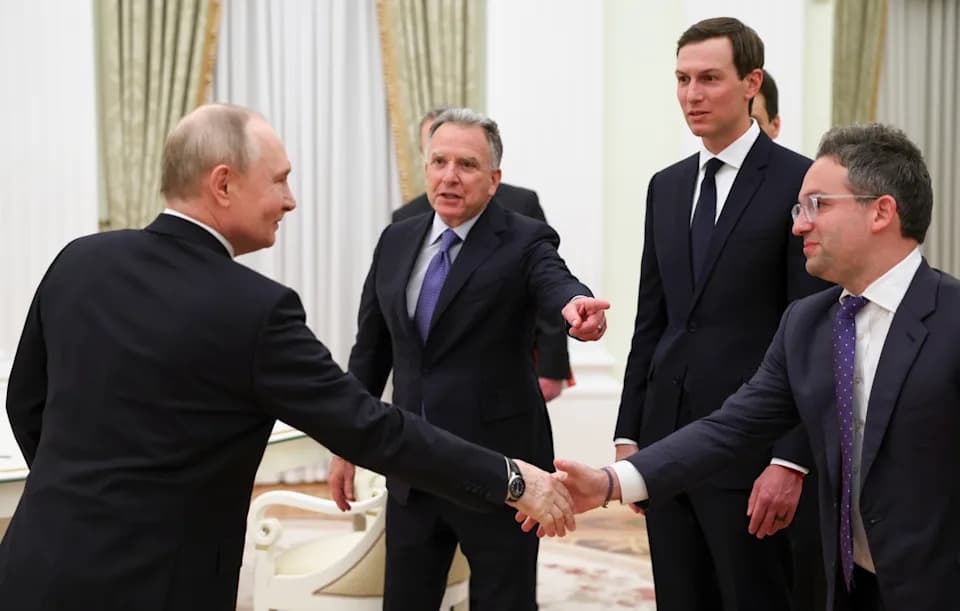
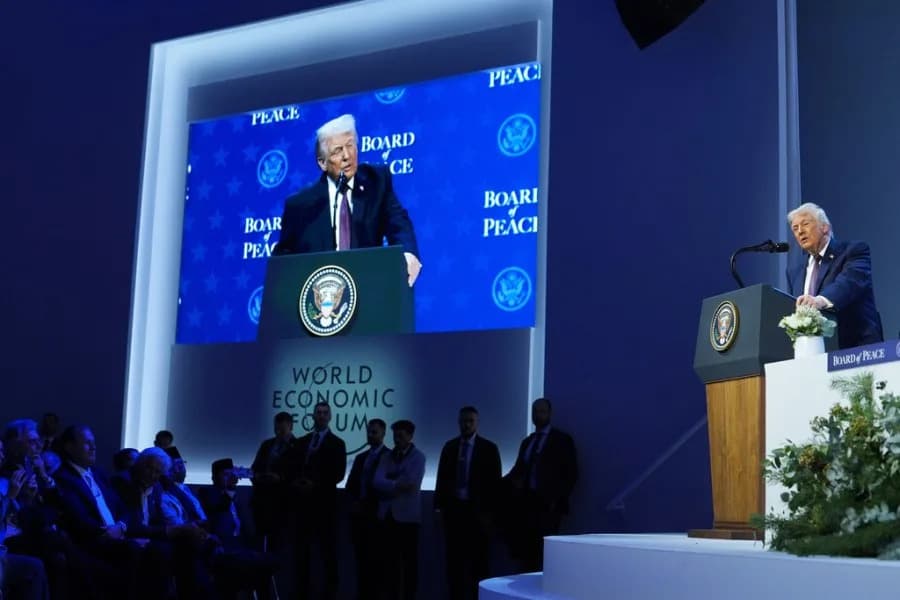
Europe faces a geopolitical squeeze: pressure from U.S. retrenchment and Russian revisionism is pushing the EU toward more nationalistic, force-centered policies. Recent EU asylum reforms and an EU-wide "safe countries" list risk weakening protections for migrants — even though some listed states have documented abuses. The authors argue the EU must reaffirm its commitment to human dignity, freedom of movement and legal protections rather than adopt an illiberal form of multilateralism that would undermine European institutions and influence.
Europe Must Defend Human Rights — The EU Cannot Embrace Illiberal Multilateralism
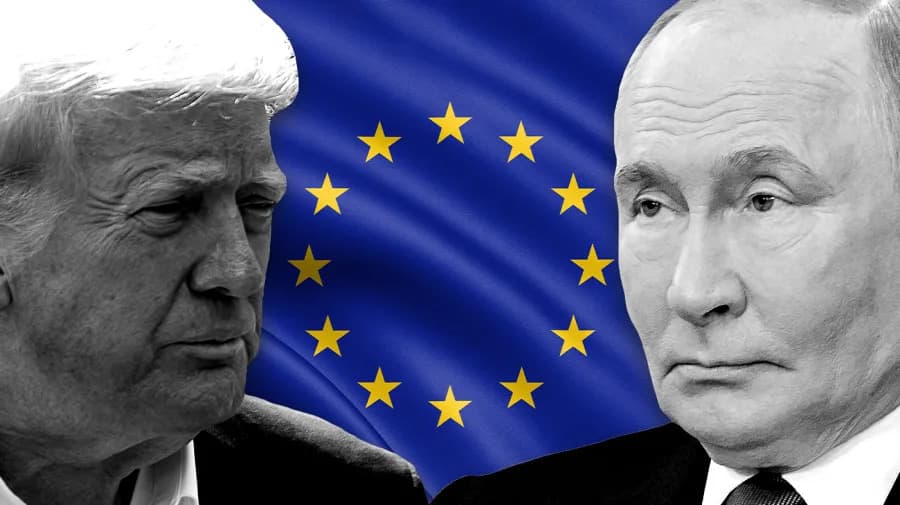
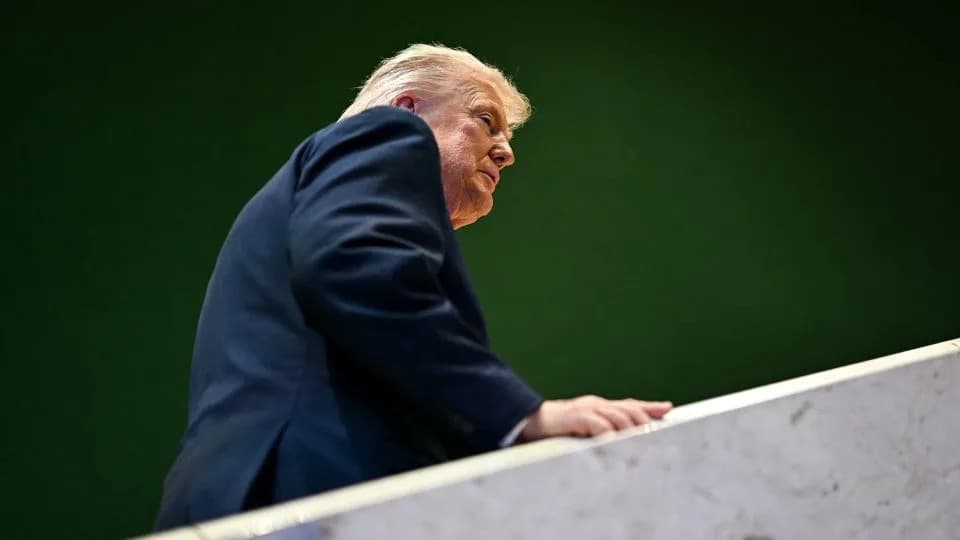
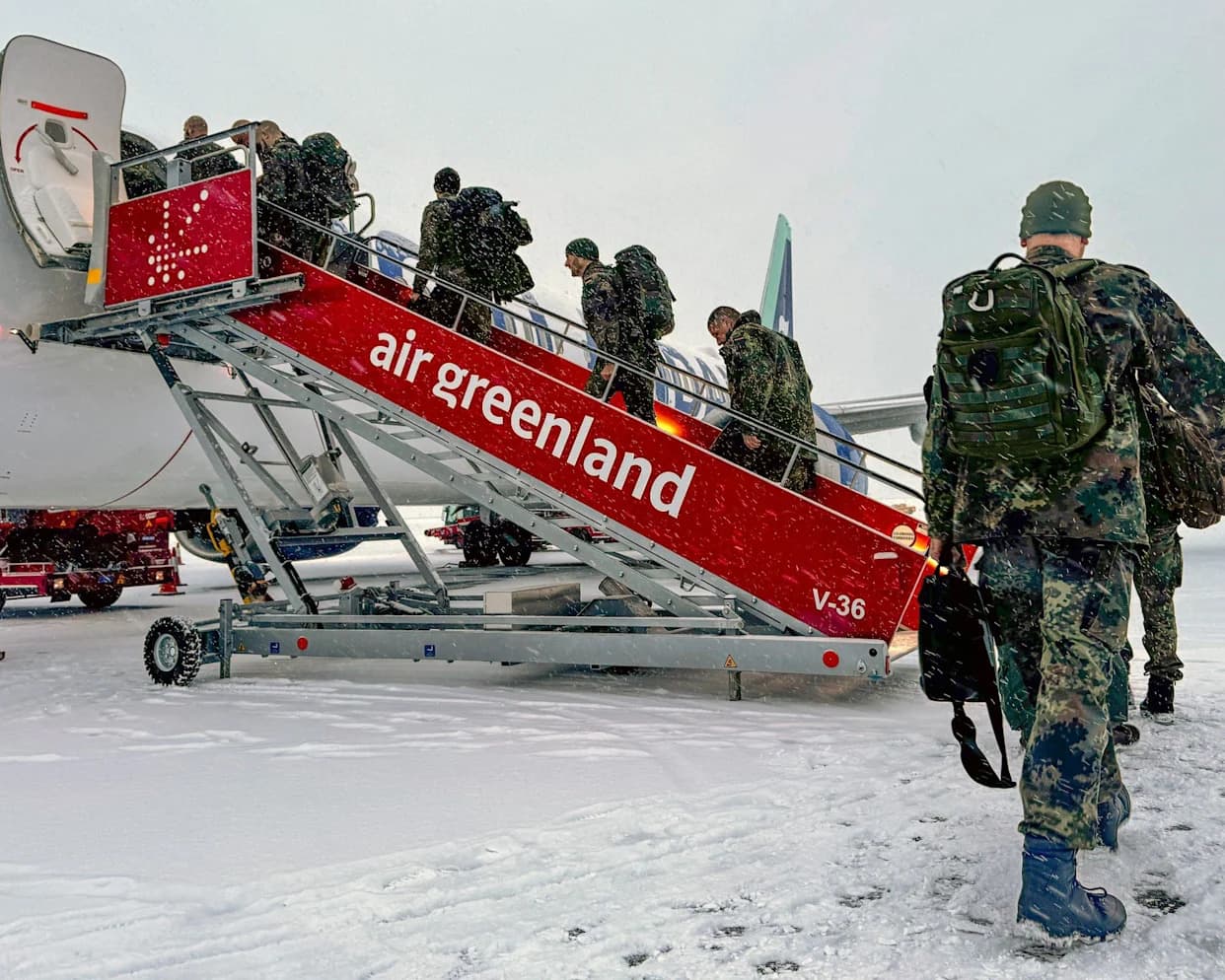
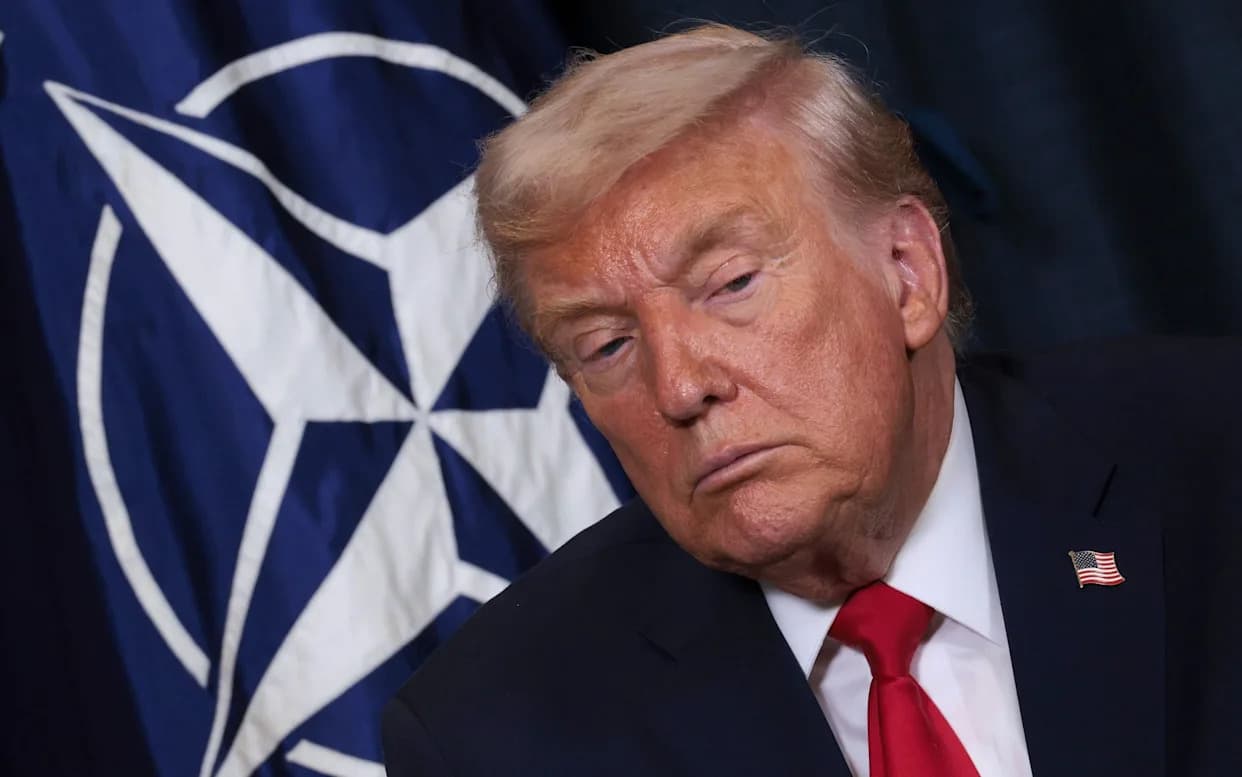
President Trump has declared ambitions to expand U.S. influence in the Western Hemisphere — even making provocative claims about Venezuela and Greenland — while President Vladimir Putin continues to assert that Ukraine belongs within Russia. Both leaders convey a similar impulse: that great powers should dominate their regions without interference from international institutions or rules.
Putin has long been skeptical of international organizations, viewing many as promoters of a liberal international order rooted in individual freedom, human dignity, free trade, national self-determination and cooperative problem-solving. On Jan. 7, the Trump administration moved closer to that perspective when it announced U.S. withdrawals from more than 60 United Nations bodies, treaties and other international organizations — institutions that address climate action, migration, peacebuilding, energy and democracy support.
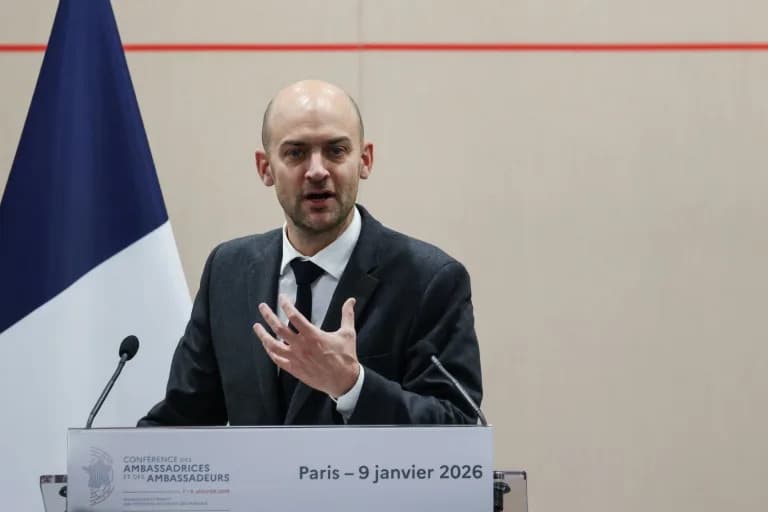
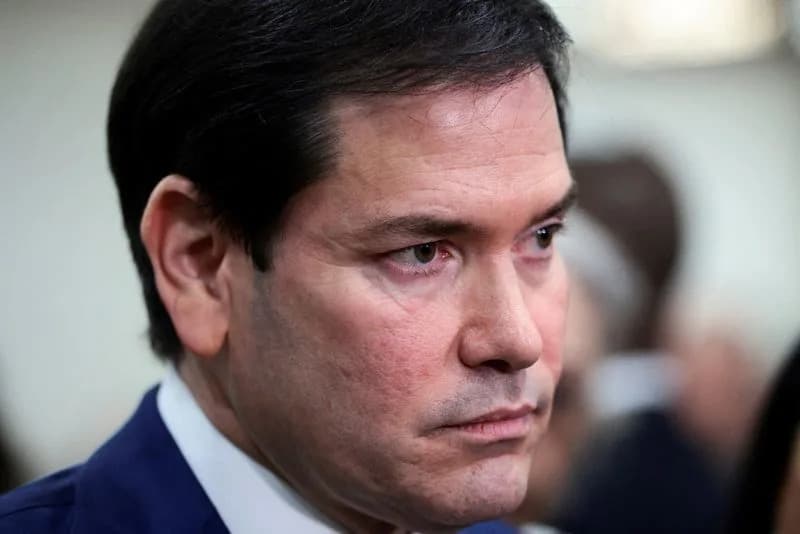
Secretary of State Marco Rubio dismissed several of those bodies as “wasteful, ineffective, or harmful,” arguing the system had “morphed into a sprawling architecture of global governance, often dominated by progressive ideology and detached from national interests.” That same day, European leaders meeting in Paris described feeling “extremely uncomfortable … to be caught between the United States and Russia” — two powers rejecting post–World War II norms and willing to use military strength to pursue geopolitical aims.
The discomfort is real, but what Europeans decide next matters far more than diplomatic unease. The fate of the liberal international order will, in large part, be shaped in Europe — especially within the European Union. Europe’s relative wealth and institutional capacity should empower its leaders to determine the future they want for their citizens rather than cede direction to external pressure from Washington or Moscow.
Now is the moment for the EU to reaffirm its core commitments. The EU itself exemplifies the multilateral cooperation that critics decry. Rather than retreating from those principles, European governments and institutions should restate their dedication to human dignity, freedom of movement, equality and rule-of-law protections — and reject models that prize dominance, force and unilateralism.
There are worrying signs of drift. Economist Fabian Zuleeg warns that Europe’s response to the changing geopolitical landscape “is lagging reality,” and some observers describe a trend toward what one of us calls “illiberal multilateralism.” Migration policy offers a concrete example: in a September U.N. address, President Trump claimed the United States had solved its migration challenges and criticized Europe’s handling of what he called a “crisis of uncontrolled migration.” The U.S. National Security Strategy later accused the EU of failing to control migration and warned of “civilizational erasure.”
Influenced by both international rhetoric and domestic politics, the European Parliament and European Council recently agreed on new asylum rules. The pact allows states to return asylum seekers to countries through which they transited — even when those individuals have no established ties to those transit states — and it created an EU-wide list of so-called “safe countries,” including Morocco, Tunisia, Egypt, Kosovo, India, Colombia and Bangladesh.
But many of those countries have documented human-rights abuses. Amnesty International and Human Rights Watch report that migrants in Tunisia, for example, have been subject to beatings, sexual violence, torture and collective expulsions. The parallels to U.S. practice are striking: the Trump administration has deported people to places such as El Salvador and South Sudan, where returnees have faced similar risks. Amnesty warns the Pact on Migration and Asylum could “set back European asylum law for decades to come.”
Adopting illiberal multilateralism would be both a moral and a strategic mistake. Morally, it would betray long-standing humanitarian and legal commitments. Strategically, it would undermine the institutional architecture that gives the EU legitimacy and influence. If Europe mirrors the policies of Trump and Putin, it increases the risk that European institutions themselves will be dismissed as “wasteful, ineffective or harmful.” That outcome would weaken the very foundations of European prosperity, stability and global influence.
Europe should instead use its economic and institutional weight to defend human rights, uphold legal protections for asylum seekers and preserve the norms that sustain international cooperation. Doing so will not only protect vulnerable people; it will fortify the rules-based order that has underwritten peace and prosperity in Europe for decades.
About the authors: Austin Sarat is the William Nelson Cromwell Professor of Jurisprudence and Political Science at Amherst College. Ruxandra Paul is an Assistant Professor of Political Science at Amherst College and an affiliate of the Minda de Gunzburg Center for European Studies at Harvard University.
Copyright 2026 Nexstar Media, Inc. All rights reserved.
Help us improve.