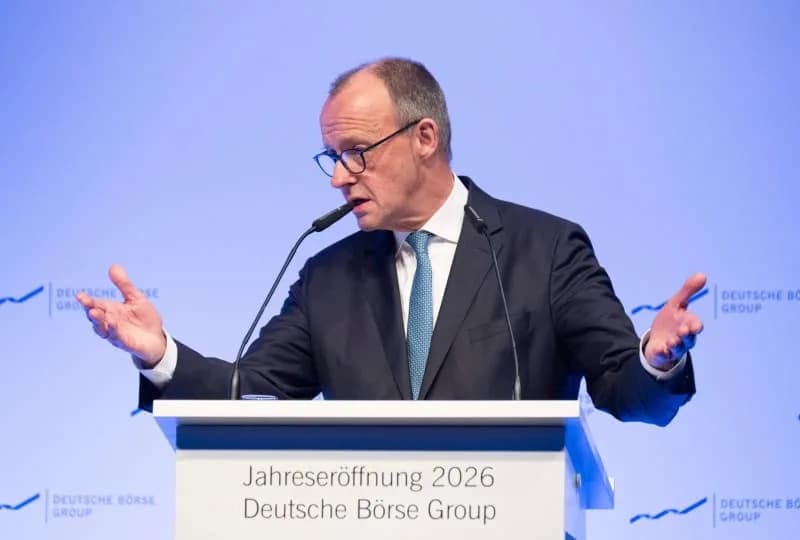
German Chancellor Friedrich Merz said on Jan. 29 that European countries have begun preliminary talks about a shared nuclear umbrella to complement U.S. security commitments. He stressed the discussions are in an early, exploratory phase and no decisions have been taken. Merz noted Germany remains barred from developing nuclear weapons under the Four Plus Two agreement and the NPT, but said treaty obligations do not rule out joint arrangements with Britain and France. Parliamentary defence committee head Thomas Roewekamp added Germany could contribute technological expertise to a European initiative.
Merz Says Europe Has Begun Preliminary Talks On A Shared Nuclear Umbrella
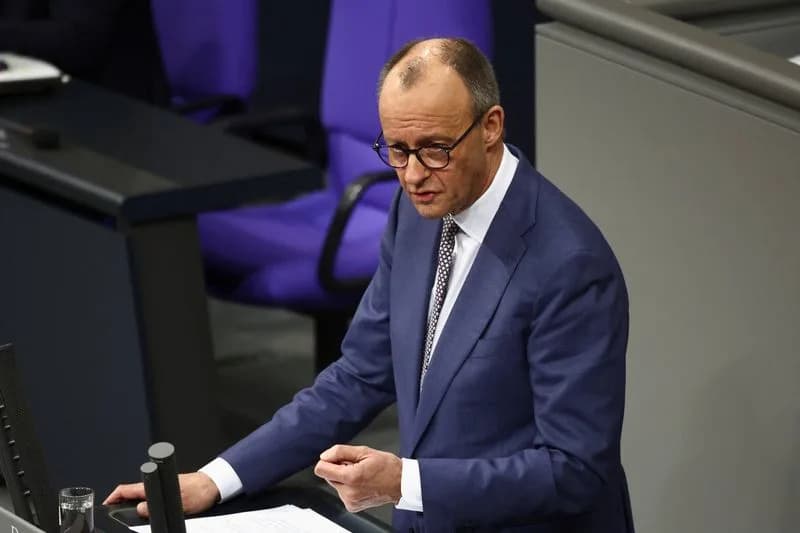
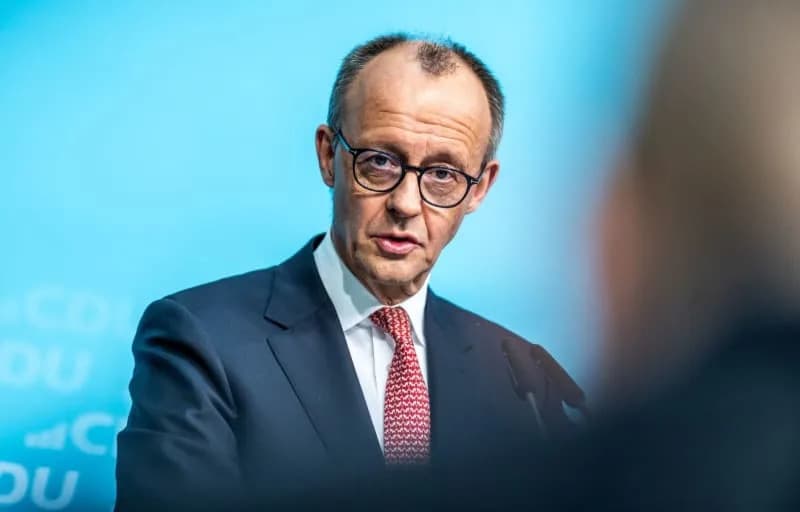
German Chancellor Friedrich Merz gives a government statement on the foreign policy situation during a session of the lower house of the German parliament, the Bundestag, in Berlin, Germany, January 29, 2026. REUTERS/Liesa Johannssen
BERLIN, Jan 29 — German Chancellor Friedrich Merz said European countries have opened preliminary discussions about creating a shared nuclear umbrella to complement existing security ties with the United States, amid renewed debate in Germany over strengthening its nuclear-related defenses.
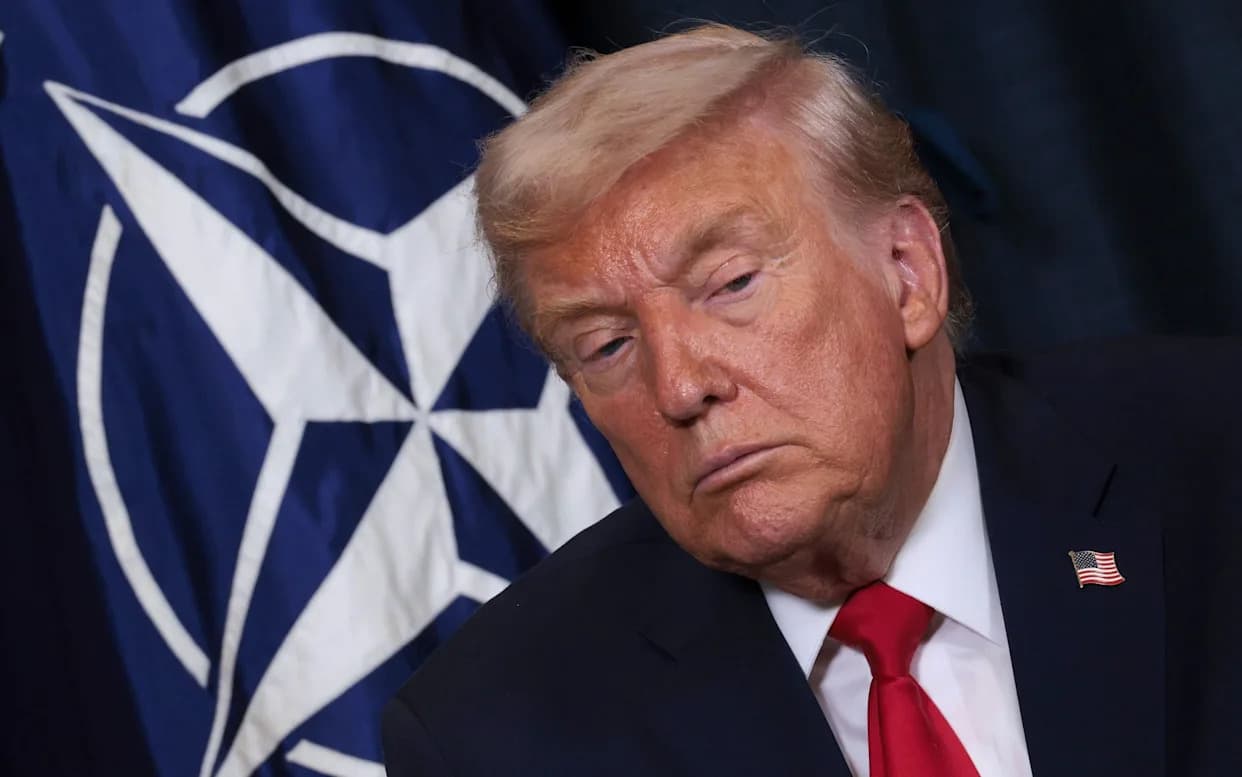
Speaking as transatlantic relations face strain while U.S. President Donald Trump reshapes traditional alliances, Merz emphasized that the conversations are at an early stage and no decisions have been taken.
“We know that we have to reach a number of strategic and military policy decisions, but at the moment, the time is not ripe,” Merz told reporters on Thursday.
Merz noted that Germany remains legally barred from developing its own nuclear weapons under the Four Plus Two agreement that paved the way for reunification in 1990 and under the Nuclear Non-Proliferation Treaty (NPT) of 1968–69. He added, however, that those treaty obligations do not preclude exploring joint solutions with partners.
“These talks are taking place. They are also not in conflict with nuclear-sharing with the United States of America,” Merz said, underscoring that any European initiative would be complementary rather than a replacement for existing transatlantic arrangements.
Context And Political Reactions
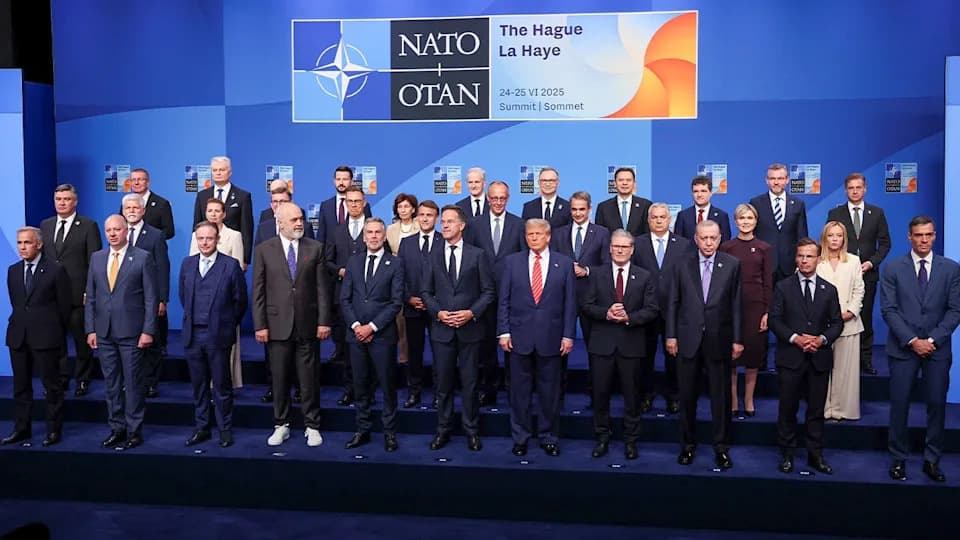
European states have long relied on the United States and its nuclear deterrent for collective defense, but many have increased defence spending in recent years amid pressure from Washington to shoulder more of the burden. Relations with the U.S. have been strained at times by comments and policy moves from President Trump, including suggestions about territorial purchases and warnings about defence spending levels.
The head of Germany’s parliamentary defence committee, Thomas Roewekamp (CDU), echoed Merz’s comments and said Germany possesses technical capabilities that could contribute to a joint European initiative, even though Germany currently lacks missiles or nuclear warheads.
“We do not have missiles or warheads, but we do have a significant technological advantage that we could contribute to a joint European initiative,” Roewekamp told Welt TV.
The discussions described by Merz and other officials are at an exploratory stage. Any concrete proposals would face legal, political and strategic hurdles, including treaty obligations, alliance commitments and the divergent views of European capitals.
(Reporting by Andreas Rinke; writing by James Mackenzie; editing by Gareth Jones)
Help us improve.