Researchers from Washington State University and the Alaska Department of Fish and Game fitted 12 of about 200 North Slope grizzlies with collar‑mounted cameras to record short, frequent clips of feeding and behavior. Footage shows seasonal shifts from scavenging and calf predation after den emergence to intensive berry foraging as the tundra greens, reflecting a tight feeding window before an eight‑month hibernation. Combined video and GPS data will help identify den sites and assess impacts of oil‑field development. The study continues for two more years and plans to outfit 24 more bears.
Collar Cams Offer a Rare First‑Person Look at Grizzlies on Alaska’s North Slope
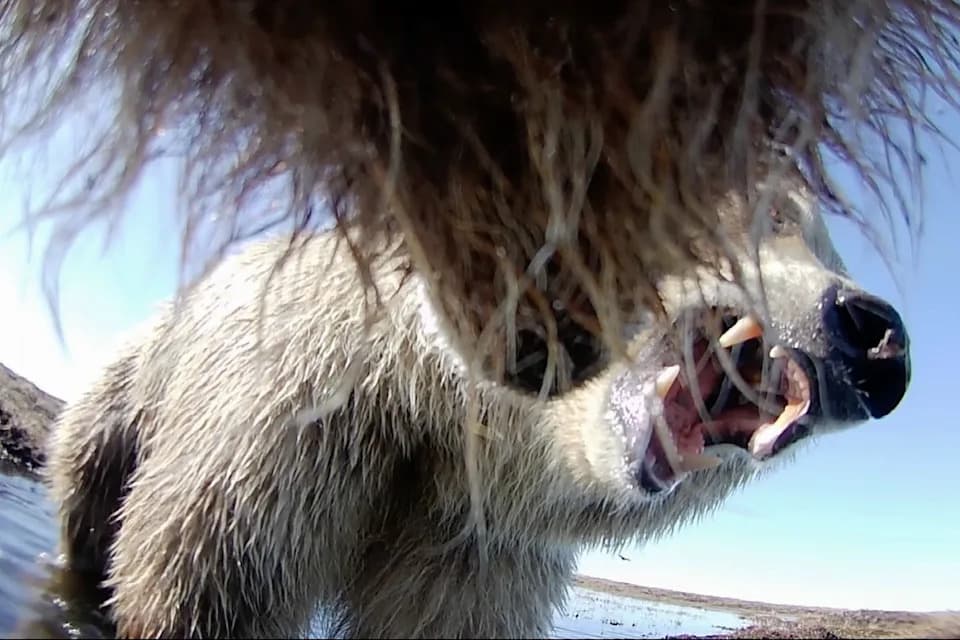
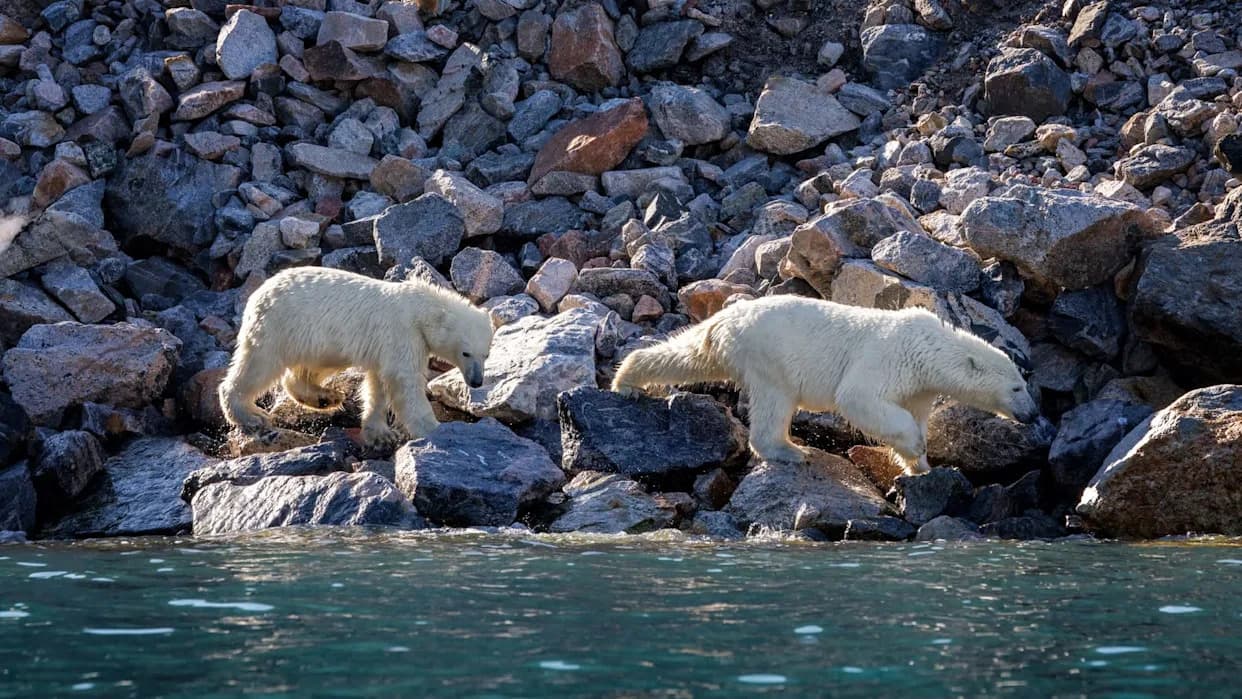
This undated image provided by Washington State University in January 2026, made from a video taken from a grizzly bear's collar camera, shows two grizzly bears playing on the tundra in Alaska's North Slope. (Washington State University via AP)(ASSOCIATED PRESS)
Researchers are using collar‑mounted cameras to capture rare, first‑person footage of grizzly bears living on Alaska’s stark North Slope, giving scientists a closer look at what these animals eat, how they behave and where they den.
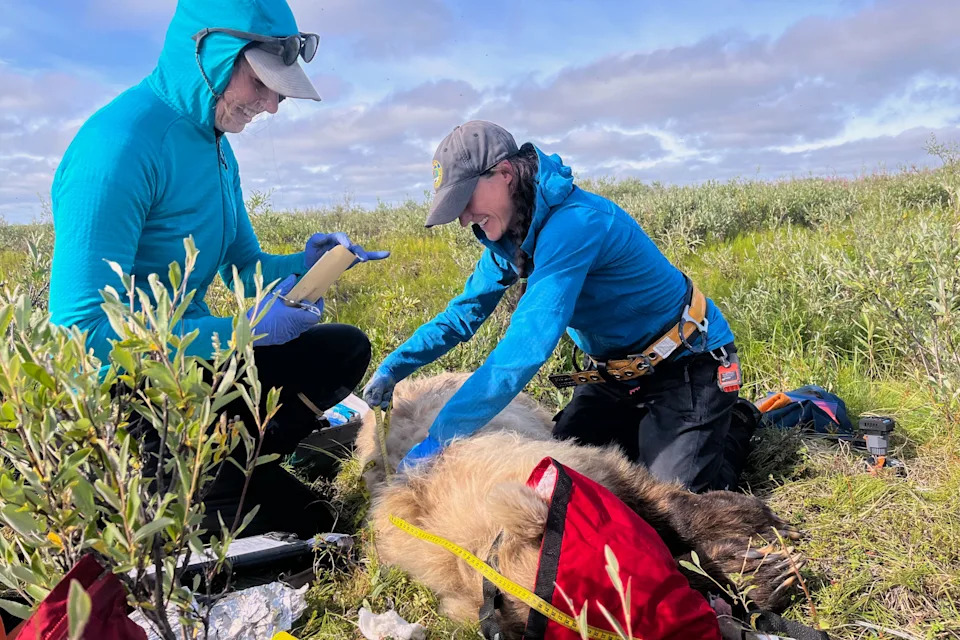
This Aug. 5, 2025, photo provided by Rob Kozakiewicz shows Washington State University doctoral student Ellery Vincent, left, and Alaska Department of Fish and Game Wildlife Biologist Jordan Pruszenski taking measurements and samples of an anesthetized grizzly bear prior to affixing a video collar on it in the North Slope of Alaska. (Rob Kozakiewicz via AP)(ASSOCIATED PRESS)
What the Cameras Reveal
The video collars — placed on 12 of roughly 200 grizzlies in the region — often show close-up views blocked by whiskery muzzles, but they also capture vivid moments: bears wrestling or playing, scavenging carcasses, preying on caribou calves, gorging on berries, resting on beaches and even swimming for fish.
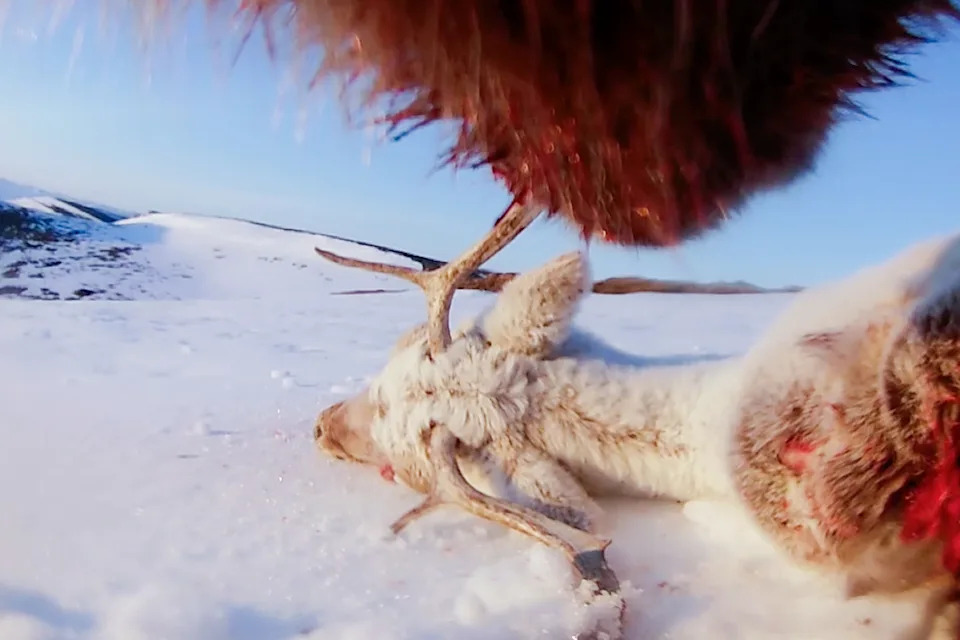
This undated image provided by Washington State University in January 2026, made from a video taken from a grizzly bear's collar camera, shows the bear approaching a caribou carcass on the snow-covered tundra of Alaska's North Slope. (Washington State University via AP)(ASSOCIATED PRESS)
Seasonal Survival Strategy
These Arctic grizzlies hibernate for about eight months a year, so they have a narrow feeding season to build fat reserves. "They really have a really short window to obtain enough food resources to pack on enough fat to survive that period," said Washington State doctoral student Ellery Vincent, who co‑leads the project with Alaska wildlife biologist Jordan Pruszenski.
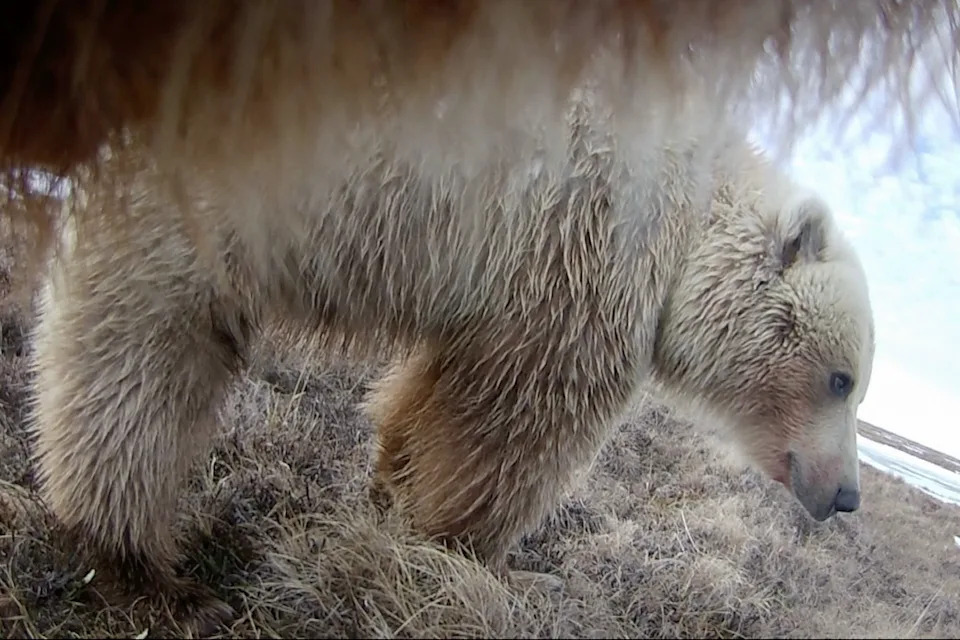
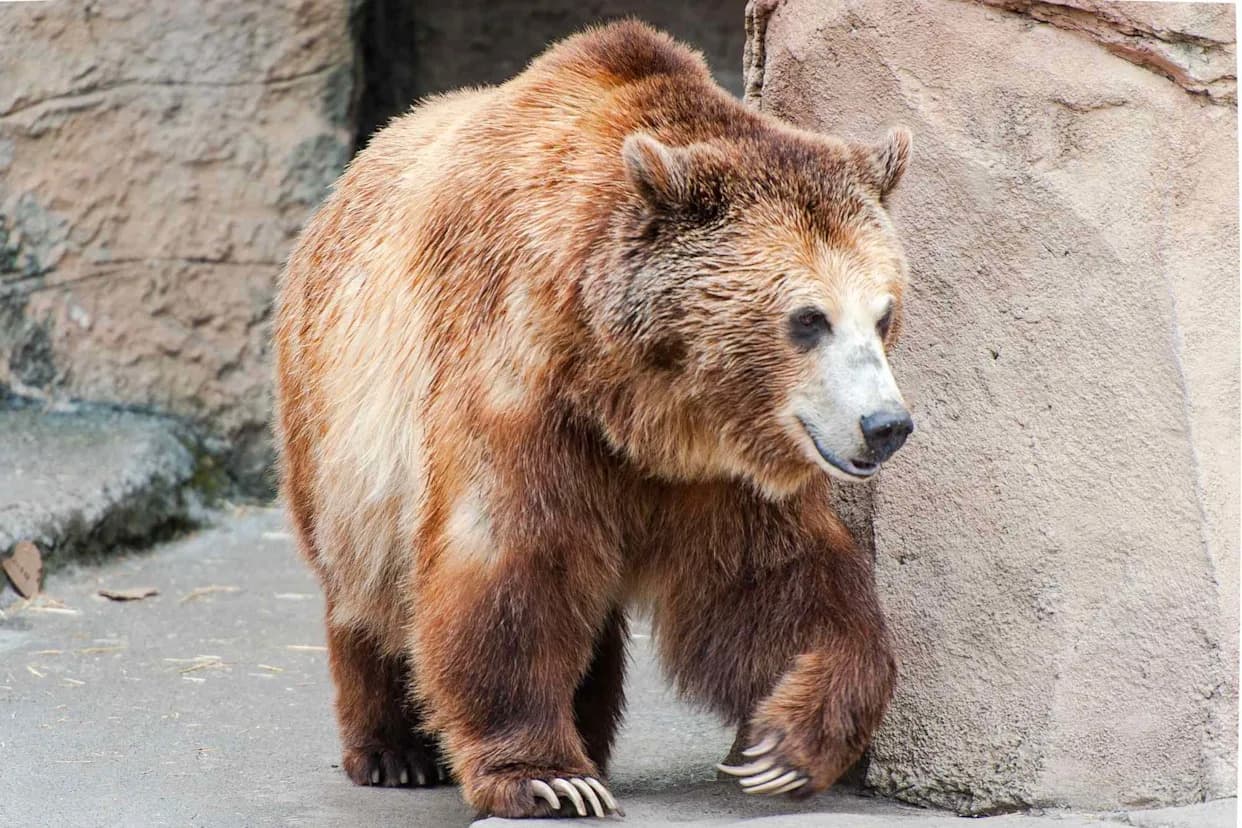
This undated image provided by Washington State University in January 2026, made from a video taken from a grizzly bear's collar camera, shows another grizzly bear on the tundra of Alaska's North Slope. (Washington State University via AP)(ASSOCIATED PRESS)
Video from the project’s first year documents a clear seasonal diet shift: after emerging from hibernation, bears scavenge winter‑killed caribou or musk ox and prey on caribou calves; when the tundra greens they switch to vegetation, especially blueberries and soapberries (buffaloberries). Unlike coastal salmon‑eating grizzlies that can reach about 1,000 pounds (454 kg), North Slope grizzlies typically reach up to 350 pounds (159 kg).
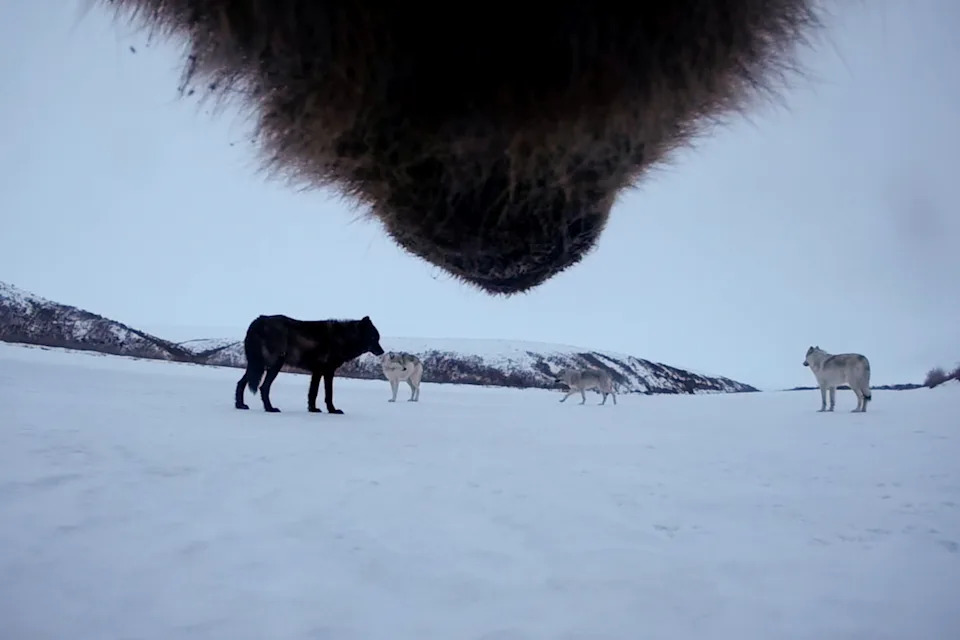
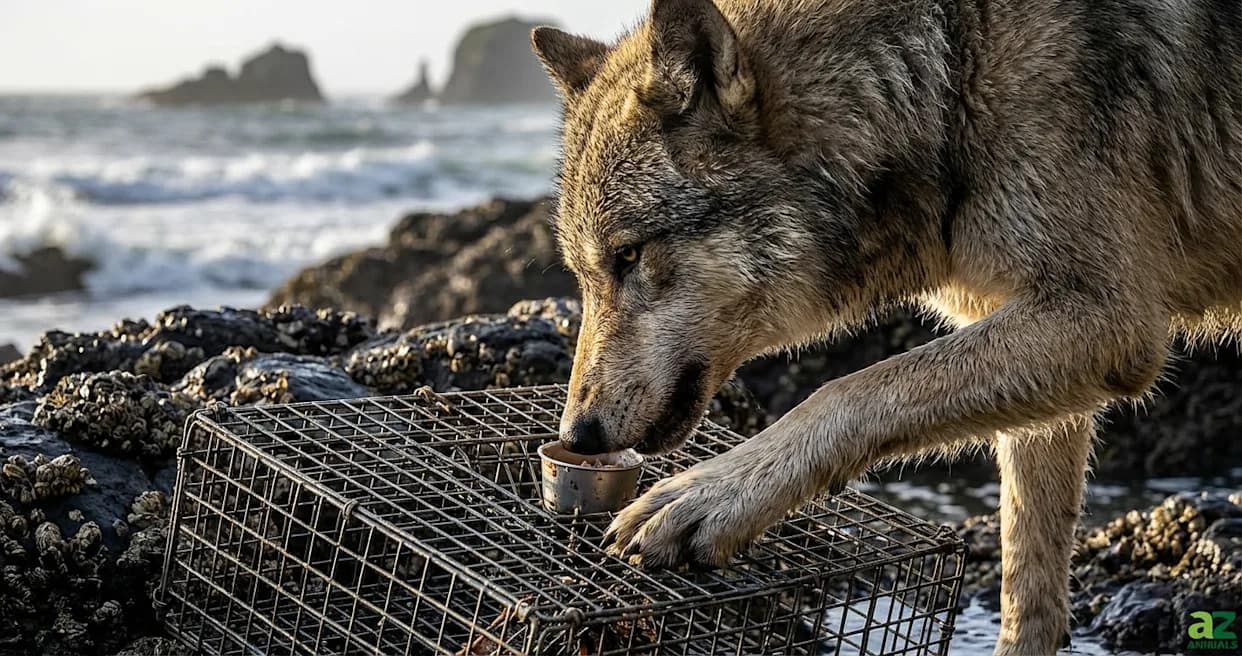
This undated image provided by Washington State University in January 2026, made from a video taken from a grizzly bear's collar camera, shows the bear encountering a wolf pack on the snow-covered tundra of Alaska's North Slope. (Washington State University via AP)(ASSOCIATED PRESS)
How the Study Works
Researchers located bears by helicopter and administered tranquilizer darts from the air; collars were fitted on subdued animals and kept loose enough to accommodate seasonal weight gain without slipping off. Teams revisited animals in August to replace collars and in September to download footage and measure weight gain and body fat. When video collars were removed, GPS collars were fitted to continue tracking movement.
The cameras can record up to 17 hours of video. In spring and summer the devices captured short clips (4–6 seconds) every 10 minutes; in fall, as daylight decreased, clips were taken every five minutes during daylight hours. Despite their brevity, the clips offer concentrated snapshots of long foraging bouts — bears often spend many hours on the same food source, increasing the chance of capturing feeding behavior.
Conservation and Industry Implications
Combined video and GPS data can reveal how oil‑field development, winter roads and other human activity affect grizzly movements and denning areas. Identifying sensitive den sites will help managers and industry avoid disturbing dens during construction and drilling seasons.
Field Note: The North Slope spans roughly 94,000 square miles (243,459 km²) and supports about 11,000 people; nearly half live in Utqiagvik (formerly Barrow).
Study Timeline
The study will continue for two more years, with plans to add collars to 24 additional bears to broaden the sample and improve seasonal and demographic coverage.
Help us improve.