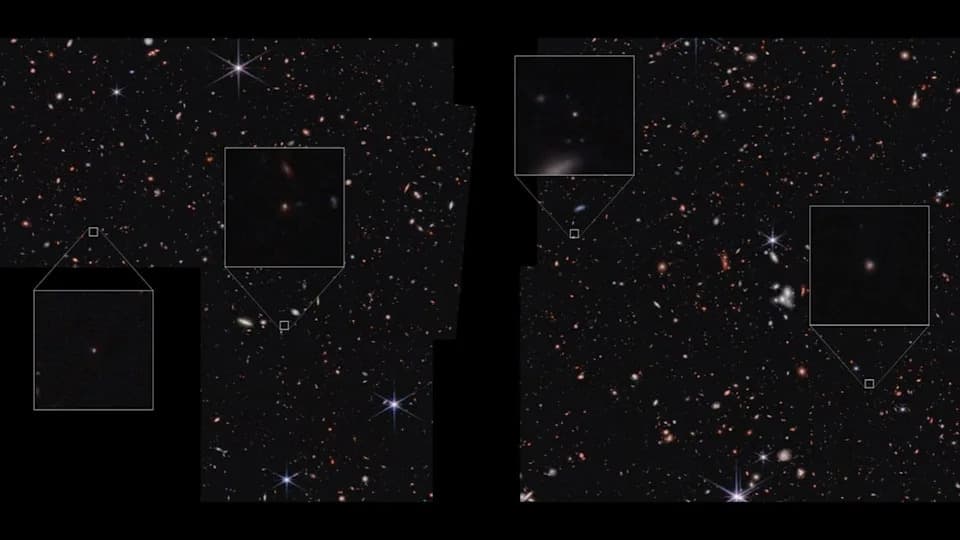
New analysis by Vadim Rusakov and colleagues suggests JWST's 'Little Red Dots' are likely young supermassive black holes enshrouded in dense, ionized gas cocoons. Correcting earlier gas-velocity measurements reduces mass estimates by roughly a factor of 100, solving the 'overmassive' problem and explaining the lack of X-rays. If validated, this cocoon stage implies rapid, obscured black hole growth very early in cosmic history and raises fresh questions about whether black holes or stars form first in nascent galaxies.
Young 'Little Red Dots' May Be Black Holes Wrapped in Gas Cocoons, Study Finds
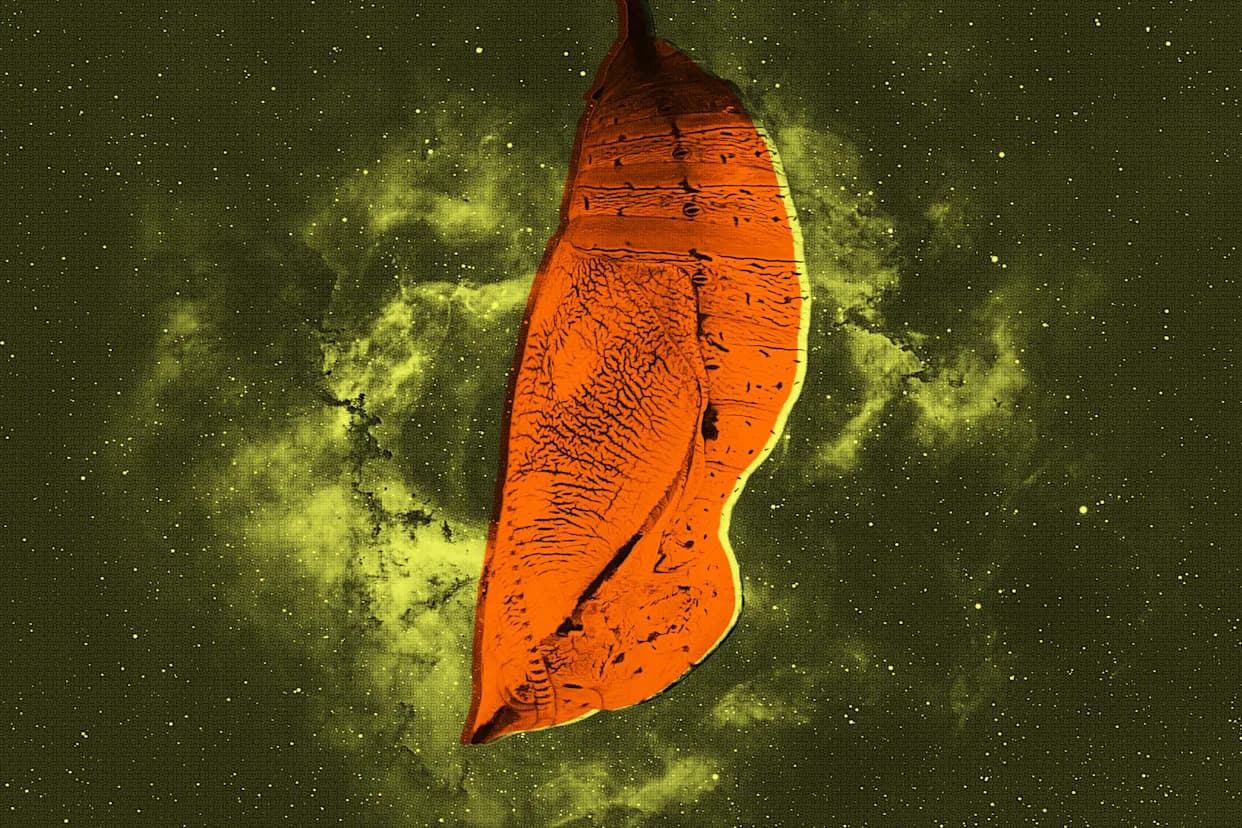
Illustration by Tag Hartman-Simkins / Futurism. Source: Getty Images
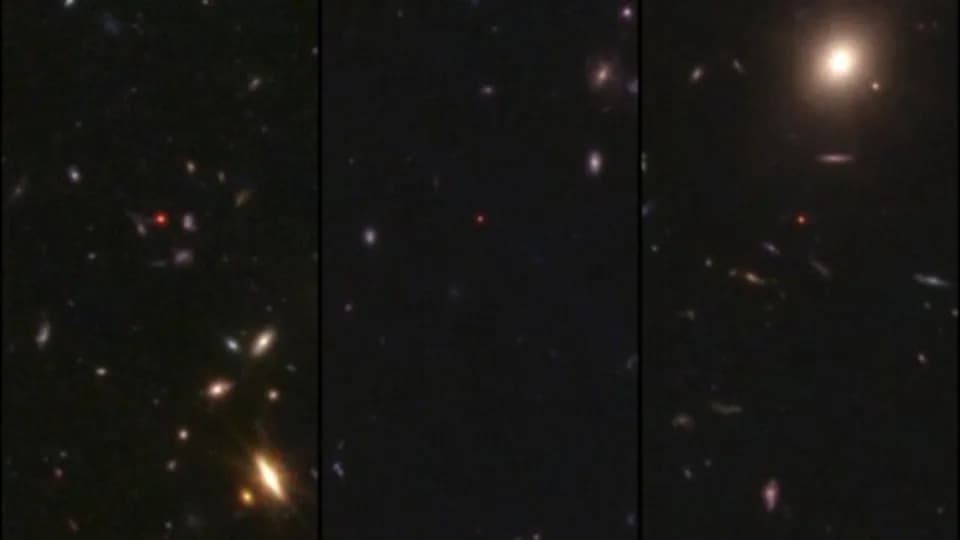
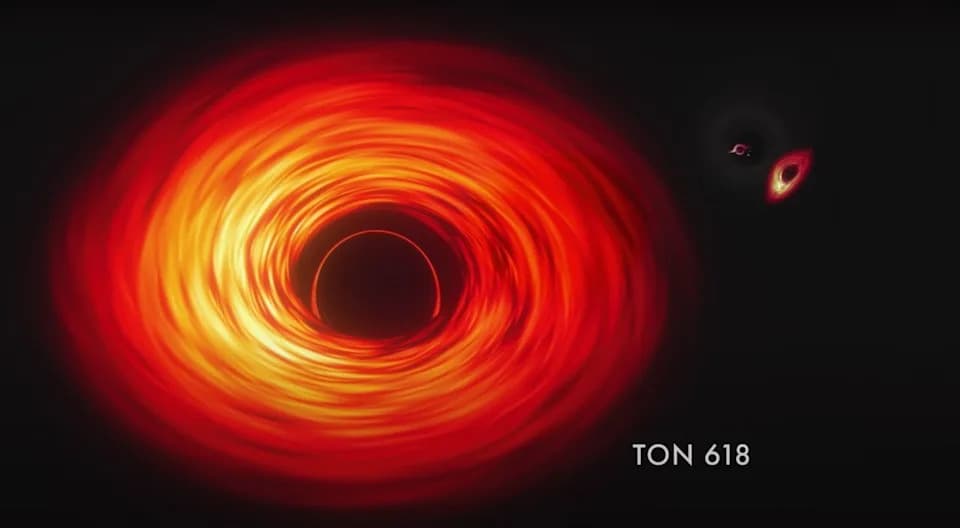
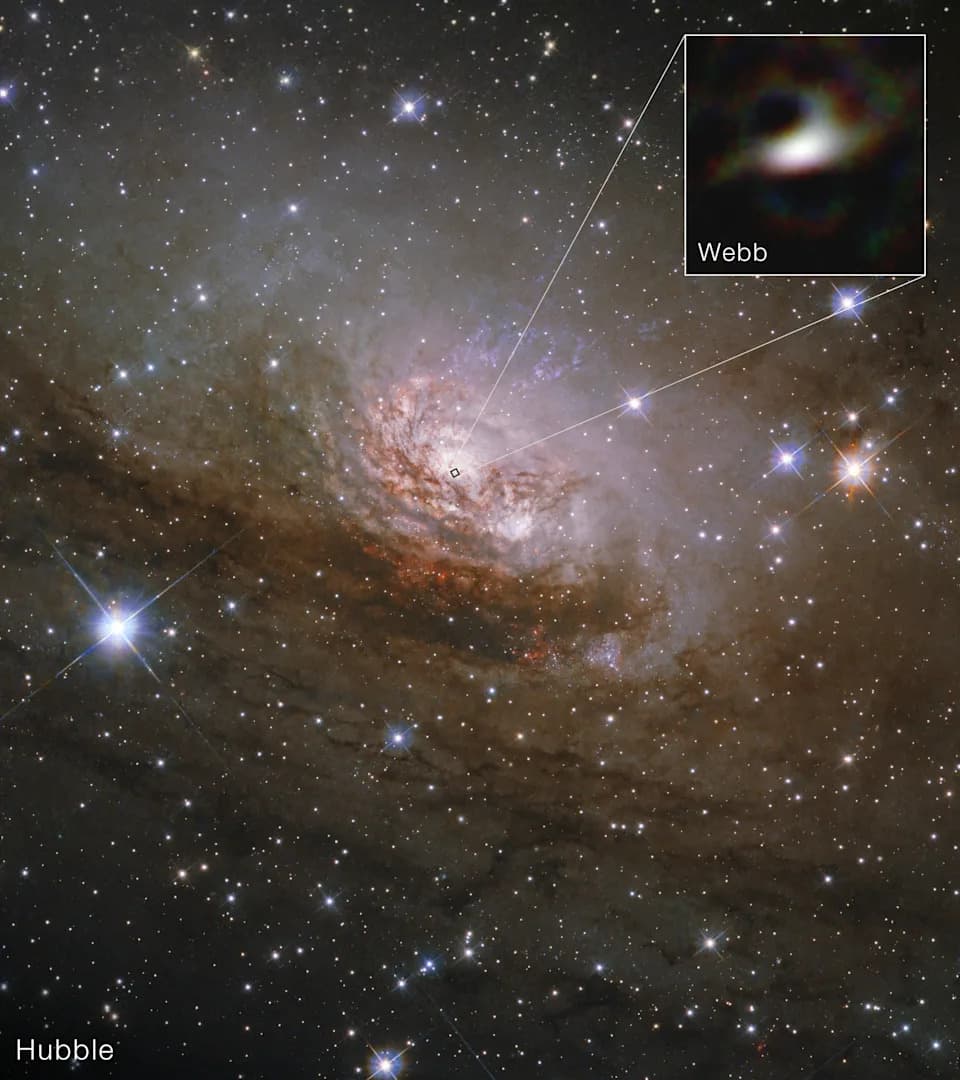
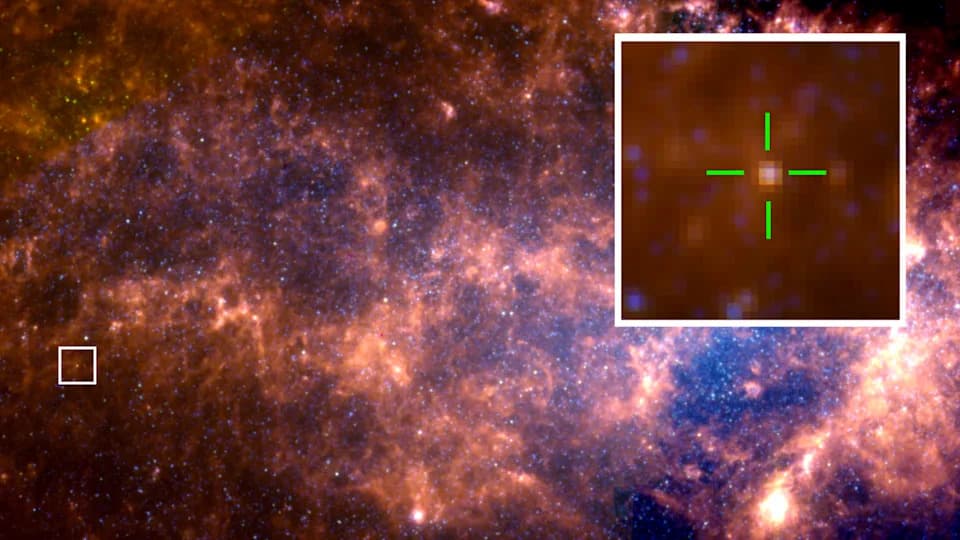
How the universe built its largest structures so quickly remains one of astrophysics' biggest puzzles. New research led by Vadim Rusakov (University of Manchester) offers a tidy solution to a mystery raised by the James Webb Space Telescope: intensely bright sources nicknamed the 'Little Red Dots' that existed when the cosmos was less than a billion years old.
Previously, these objects were interpreted as extremely compact galaxies or overmassive black holes—either conclusion strained credulity. If the red sources were packed with stars, they would require near-100% star-formation efficiency, far above the roughly 20% typical in galaxies. If they were supermassive black holes, they should produce X-rays from accretion, which observations do not detect, and their inferred masses would be unusually large compared with their hosts.
In a study published in Nature, Rusakov and colleagues reexamined the gas motions used to estimate black hole masses and found the gas was moving more slowly than earlier work implied. Slower gas velocities translate to much smaller mass estimates—roughly two orders of magnitude lower—bringing the objects into the range of young, growing supermassive black holes rather than 'overmassive' monsters.
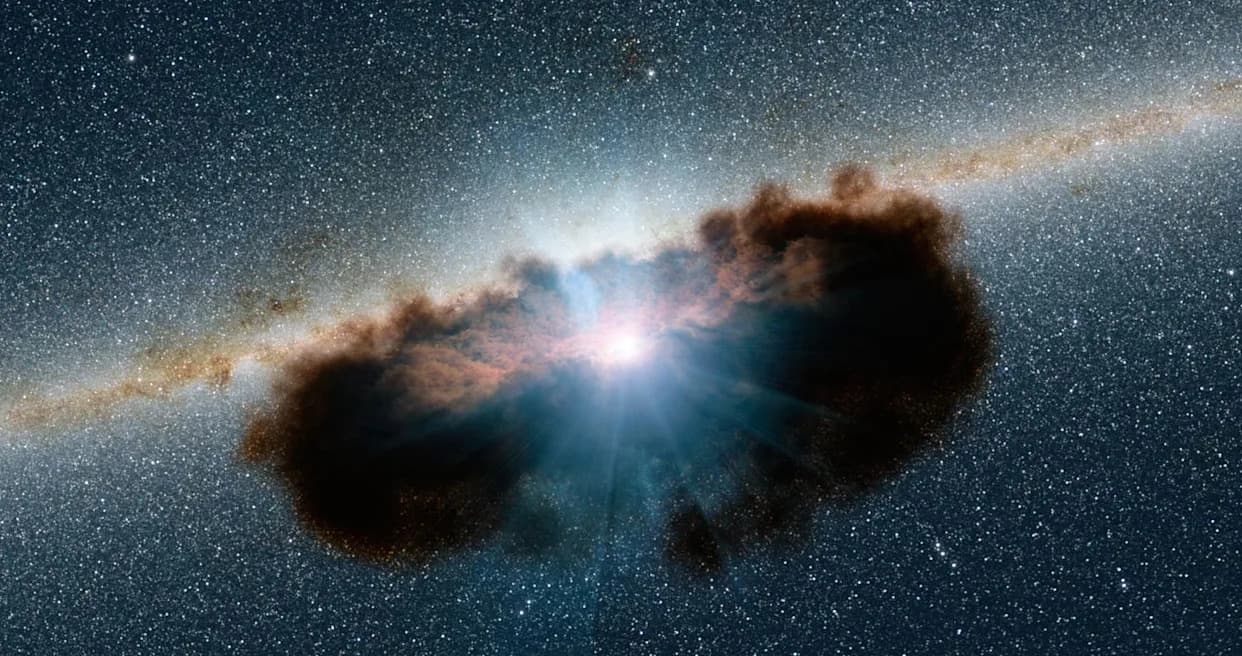
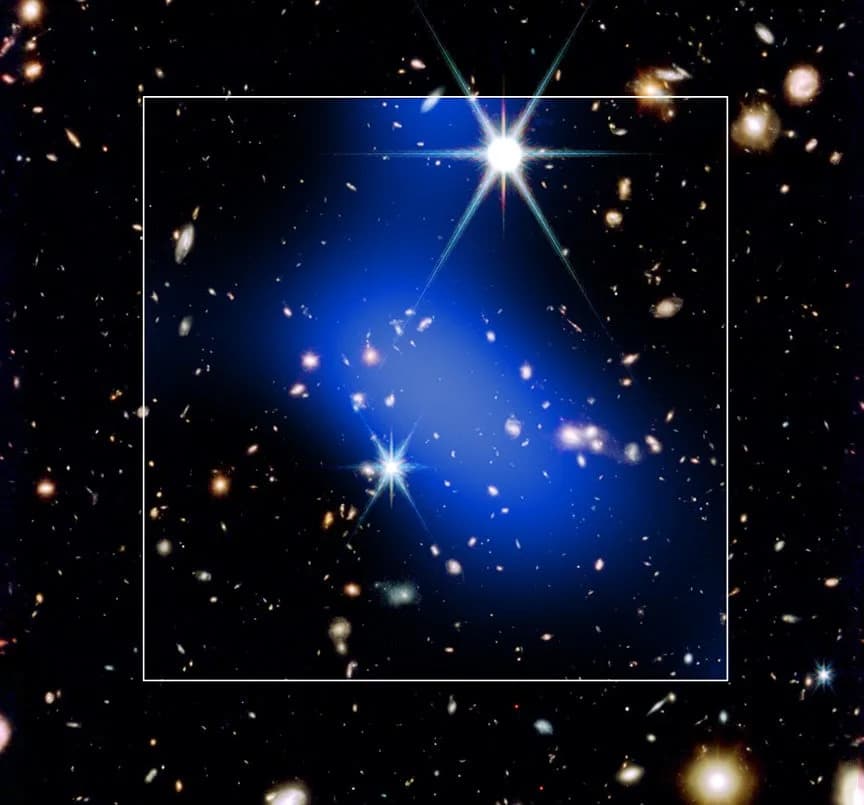
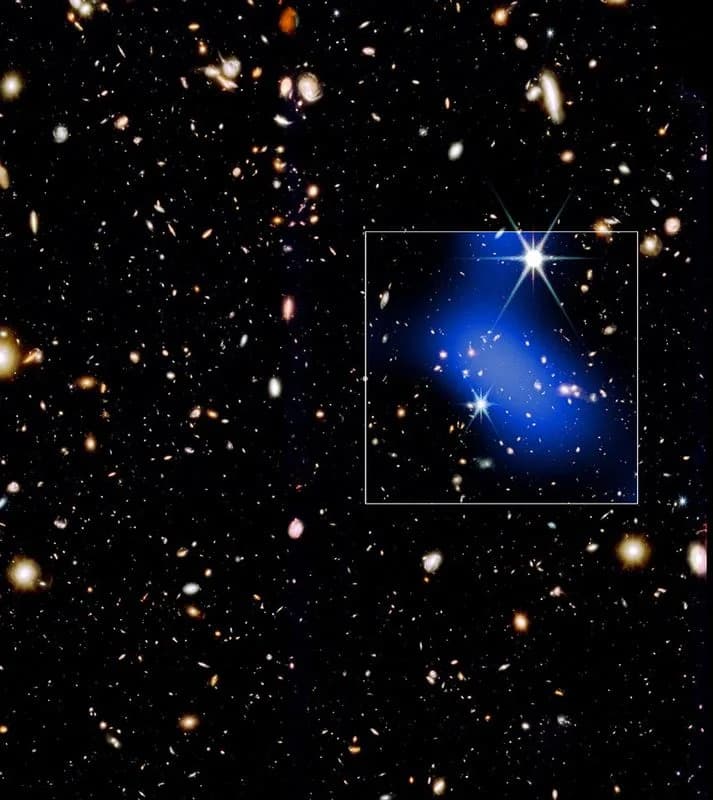
A cocoon hypothesis: The team proposes a previously unrecognized 'cocoon' phase in which a nascent supermassive black hole is wrapped in a dense, ionized shell of gas. This cocoon could both feed rapid early growth and block X-rays, explaining why these objects look different from later, unobscured black holes.
'They look like a [developing] butterfly or something in this young state that kind of grows wrapped in some sort of gas that also feeds it,' Rusakov told Ars Technica. 'It’s definitely new in the sense people didn’t predict there should be such a cocoon phase in the supermassive black holes’ lifecycle.'
Alternate explanations remain under consideration: the Little Red Dots might be unusually compact, slowly rotating galaxies that haven't yet expanded, or the more speculative 'black hole star' concept—a black hole core surrounded by a star-like gas envelope. Distinguishing these scenarios will require deeper multiwavelength data and further spectroscopic study.
If the cocoon model is confirmed, it reshapes key questions about early galaxy formation: did supermassive black holes seed galaxies, or did stars build up first? The idea that black hole seeds could form widely in the extreme early universe—before the bulk of star formation—would have major implications for models of cosmic structure formation.
Next steps: Future JWST observations, X-ray follow-ups, and high-resolution spectroscopy will test whether the cocoon signature is common and how quickly these buried black holes break free of their envelopes.
Help us improve.