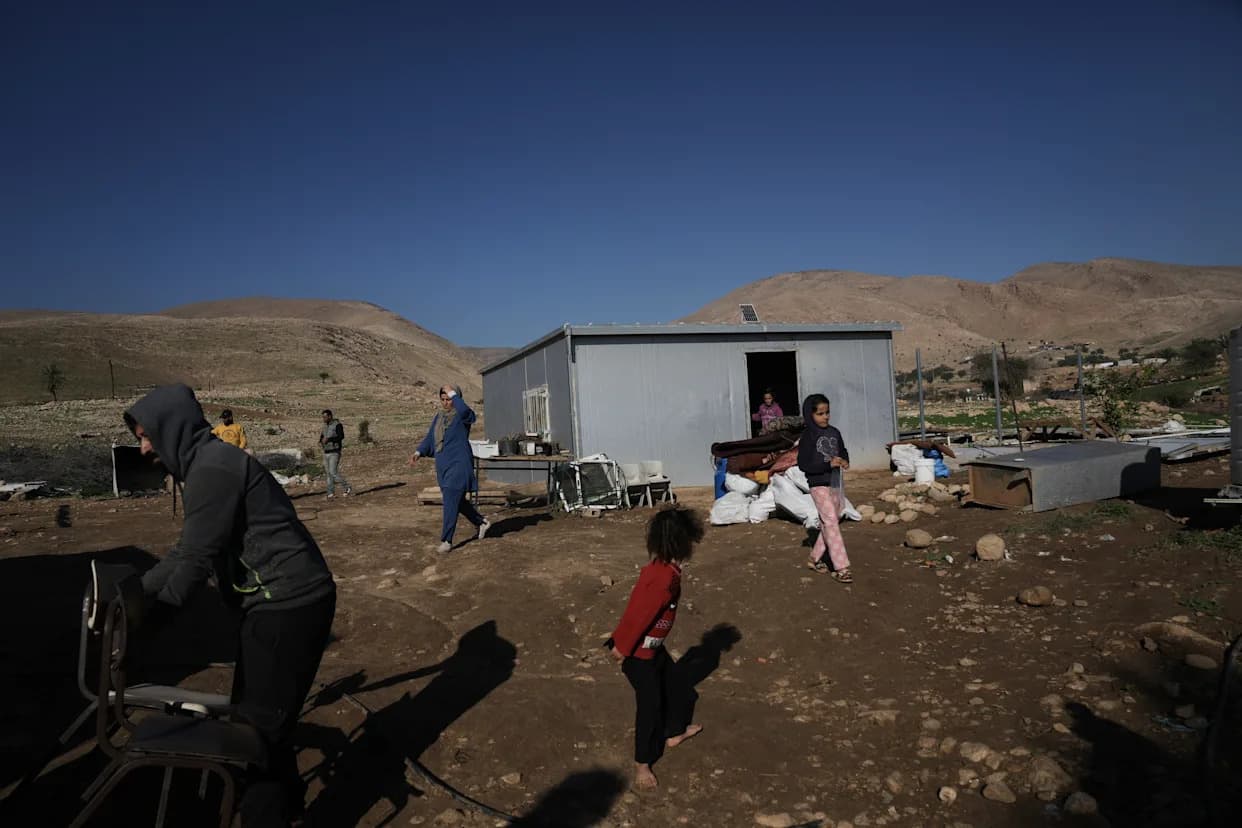
Thousands of Afghans returning from Iran and Pakistan have been given UNHCR-funded 50-square-metre homes in Bamiyan, offering legal ownership and relief from rent. But the new settlement, known locally as Jar-e-Khushk, lacks running water, bathrooms, nearby schools, clinics and mobile coverage. Residents must buy costly tanker water and endure long walks to markets and schools; officials say services are planned but have not provided a timetable.
Bamiyan's New Homes Offer Shelter but Little Else: Returnees Lack Water, Schools and Jobs
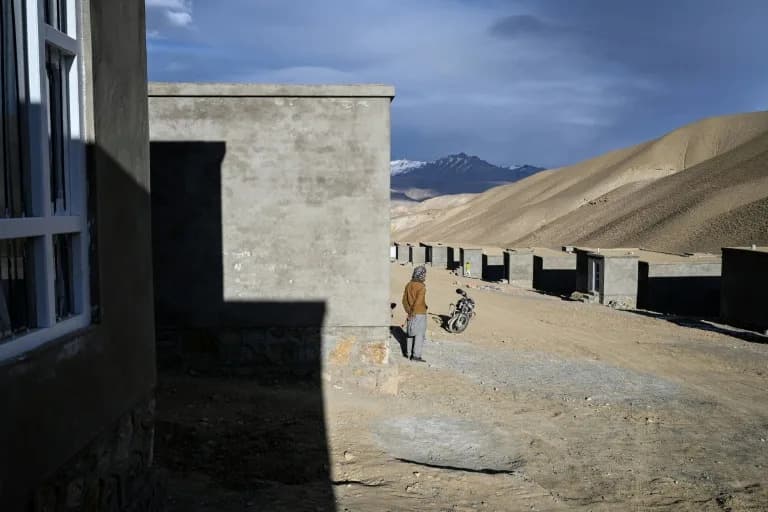
More than five million Afghans have returned since September 2023, as neighbouring Iran and Pakistan stepped up deportations (Wakil KOHSAR)(Wakil KOHSAR/AFP/AFP)
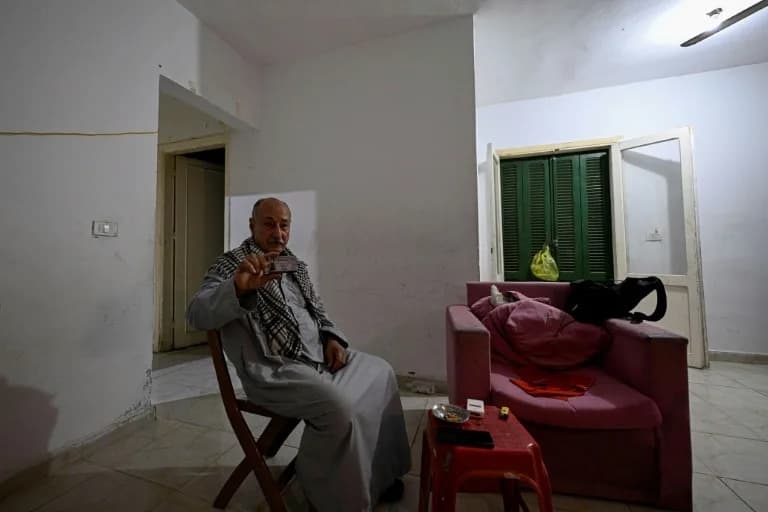
Sitting in a modest house beneath snow-flecked hills in Bamiyan province, Nimatullah Rahesh welcomed the relief of finally having a place to "live peacefully" after months of uncertainty. The house, financed by the UN refugee agency and built on land provided by the Taliban authorities, brings security through ownership — but it does not solve immediate needs such as water, health care, schooling or work.
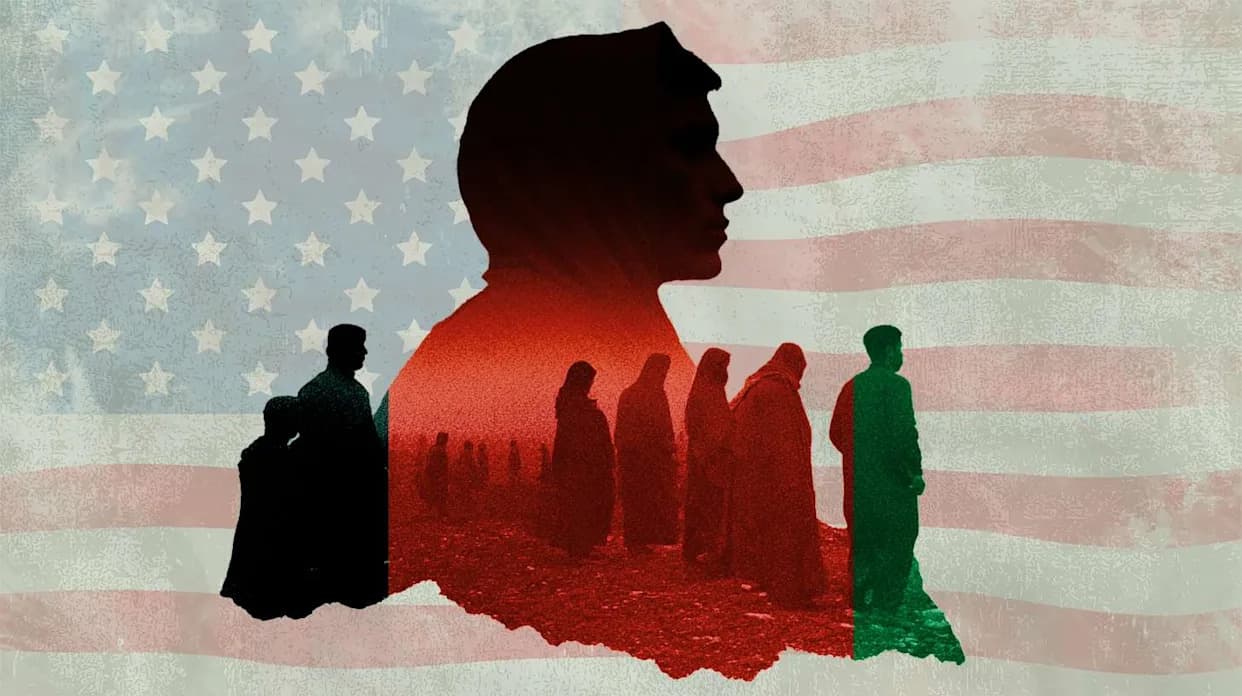
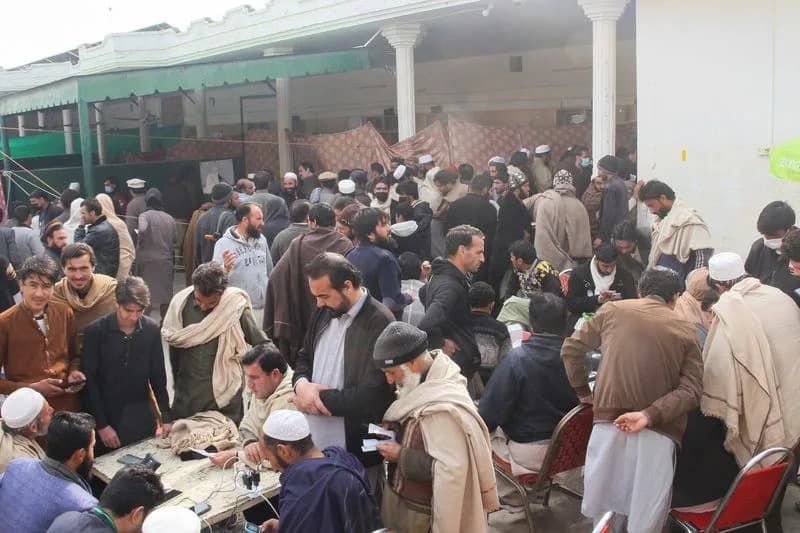
Rahesh is one of millions of Afghans pushed out of neighbouring Iran and Pakistan as both countries stepped up deportations. According to the International Organization for Migration (IOM), more than five million Afghans have returned since September 2023. Many returnees have been rehoused in projects like the one in Bamiyan, yet basic services remain scarce.
The Rahesh family was among an initial group of roughly 30 households to receive 50-square-metre (540-square-foot) homes; the broader housing project covers 174 returnees. Residents took part in building the settlement and were paid by UNHCR for their labour, and each household owns its dwelling and plot — a key protection measure, UNHCR representative Amaia Lezertua said.
Homes Without Services
Despite ownership, the new neighbourhood — locally known as Jar-e-Khushk ("the dry slope") — lacks running water, piped sewage and nearby public services. Houses have only basic outdoor toilets that are too small for showers, and no mobile phone coverage reaches the settlement. Local residents told AFP that when a tanker truck visits every three days they buy as little as ten litres of drinking water at prices higher than in Kabul.
"We no longer have the end-of-month stress about the rent," Rahesh said. "But please don't forget us for water, a school, clinics, the mobile network."
UNHCR project manager Ajay Singh said the house design followed local authority guidelines and that families could build bathrooms themselves. Provincial official Fazil Omar Rahmani said plans exist to expand the water supply and to build schools and clinics, citing an order from the supreme leader, Hibatullah Akhundzada, but he gave no timetable.
Daily Hardships
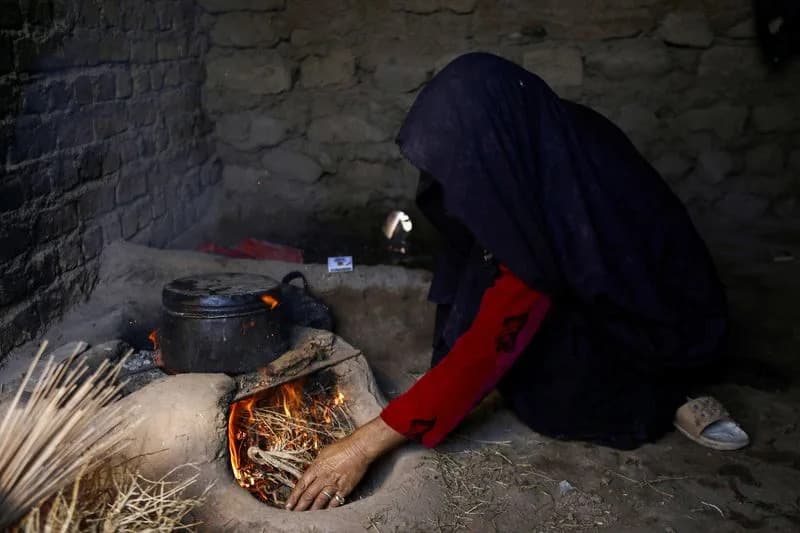
Residents still face long distances to basic services and livelihoods. To reach Bamiyan market for work, Rahesh walks two hours along a rutted dirt road before he can catch transport. Single mother Arefa Ibrahimi, whose four children huddle around a stove in their sparse living room, faces a four-kilometre walk to the nearest school once winter break ends. An IOM survey found only 11 percent of adults secured full-time work after returning to Afghanistan.
Humanitarian agencies and local authorities say infrastructure projects are planned, but without clear timelines the newly housed families must cope with daily shortages. The Bamiyan settlement underscores a broader challenge: providing shelter is a critical first step, but durable solutions require water, health care, education and sustainable livelihoods.
Help us improve.