As a small number of Palestinians are allowed back through Rafah, Gazans sheltering in Egypt face a stark choice: remain in legal limbo or return to a territory devastated by war. The UN estimates about 80% of Gaza's buildings were damaged or destroyed, while aid and reconstruction plans remain insufficient. Families are divided between longing to return and refusing to risk safety, health and basic services.
Gazans in Egypt Face Harrowing Choice: Return To A Ruined Home Or Live In Legal Limbo
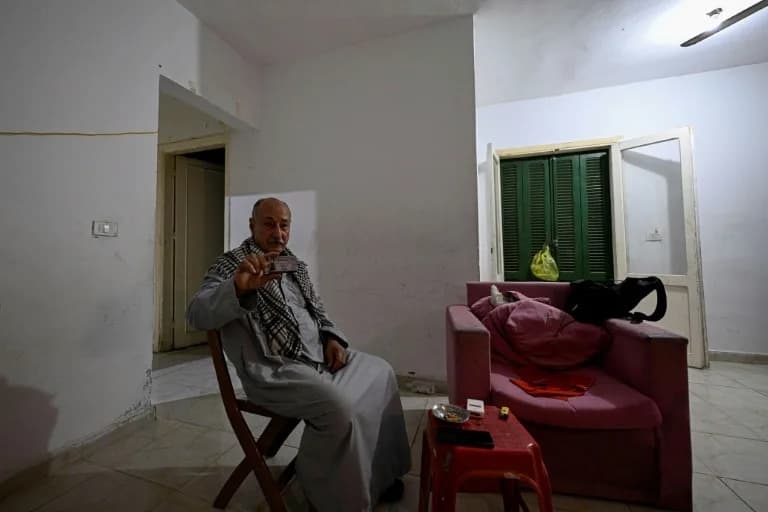
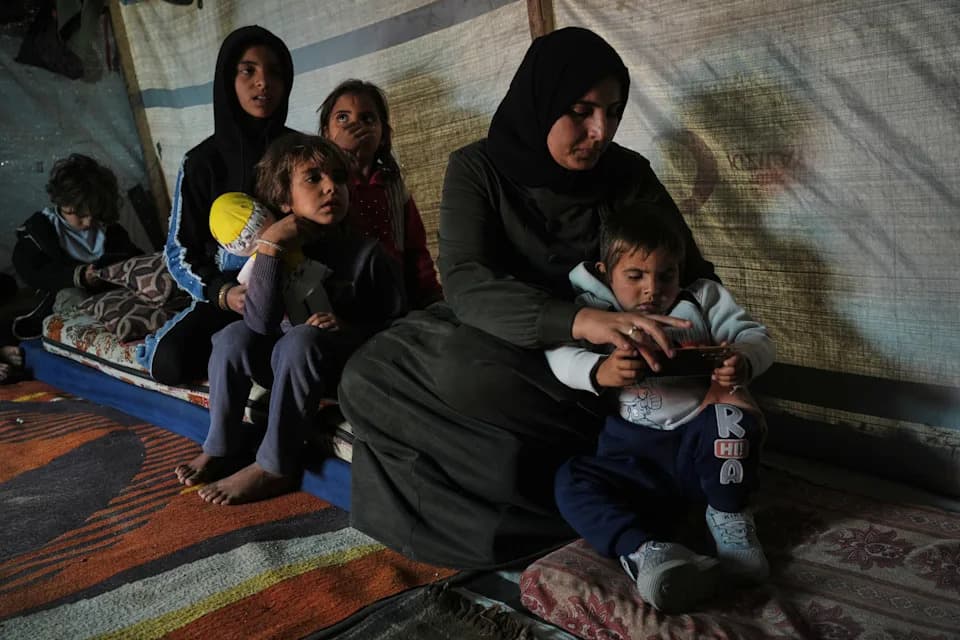
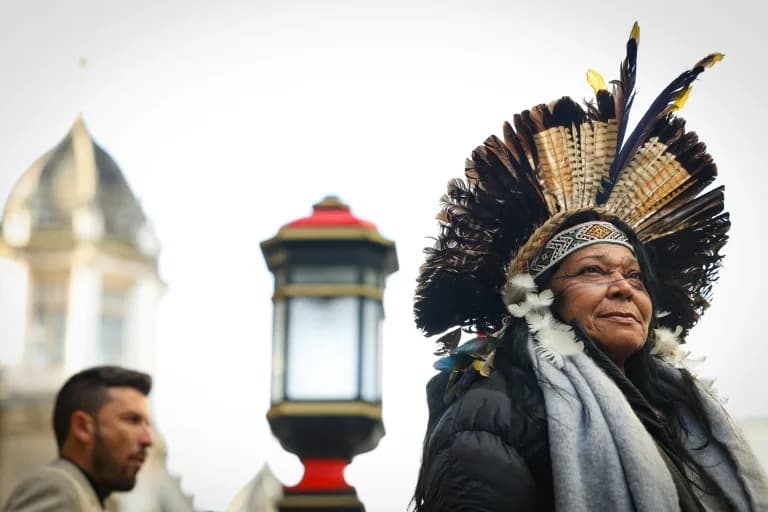
Palestinians who arrived in Egypt from Gaza throughout the war have lived in a state of limbo, without legal status and limited access to public services (Khaled DESOUKI)(Khaled DESOUKI/AFP/AFP)
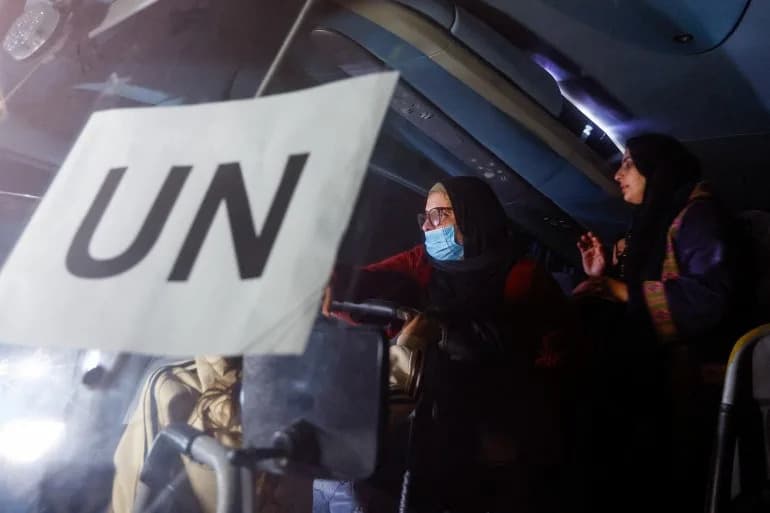
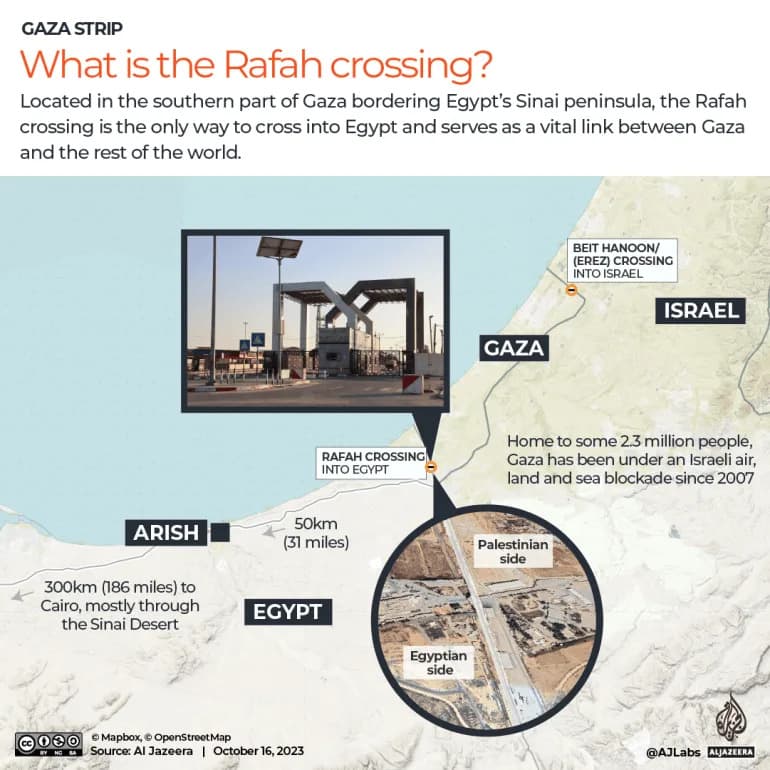
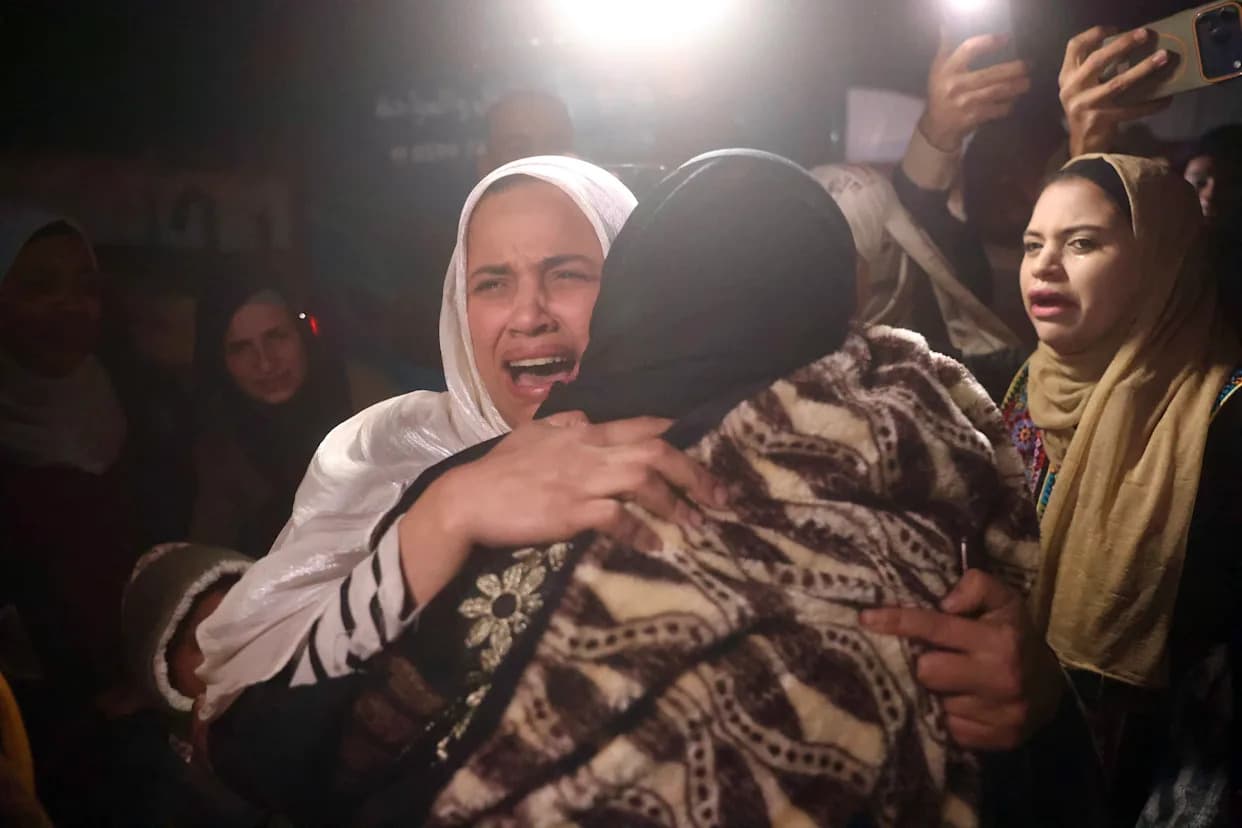
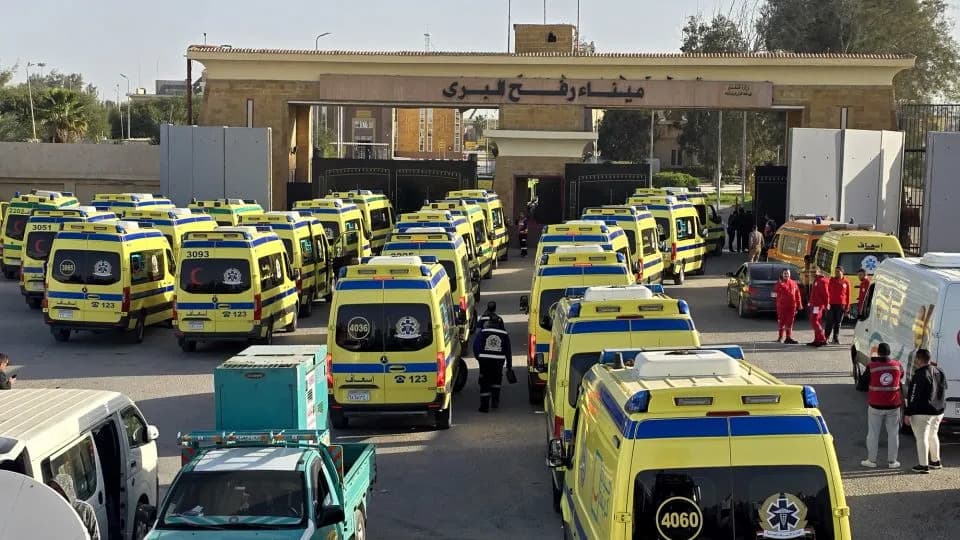
As Israel begins to allow a trickle of Palestinians to cross back through the Rafah terminal, Gazans who fled to Egypt are confronting an agonising dilemma: stay in exile without formal status, work rights or reliable services, or return to a territory left largely in ruins.
Context
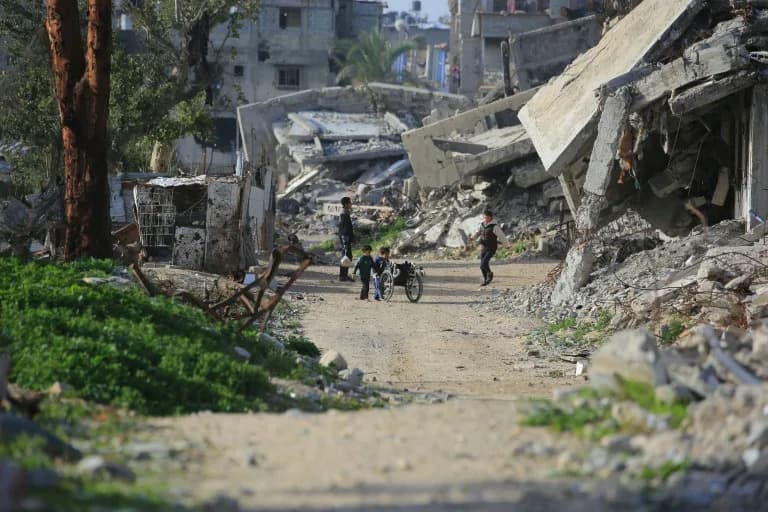
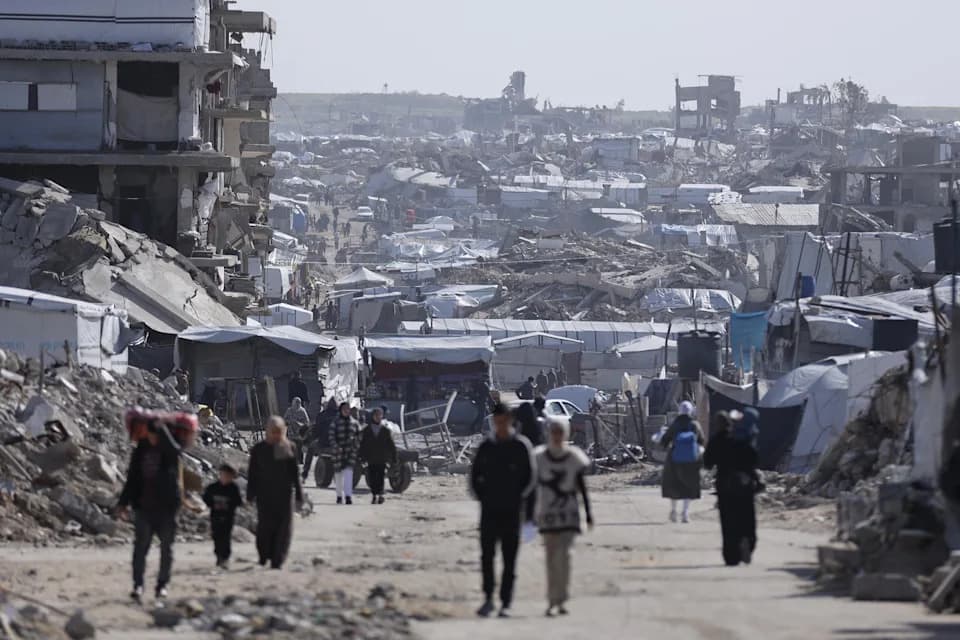
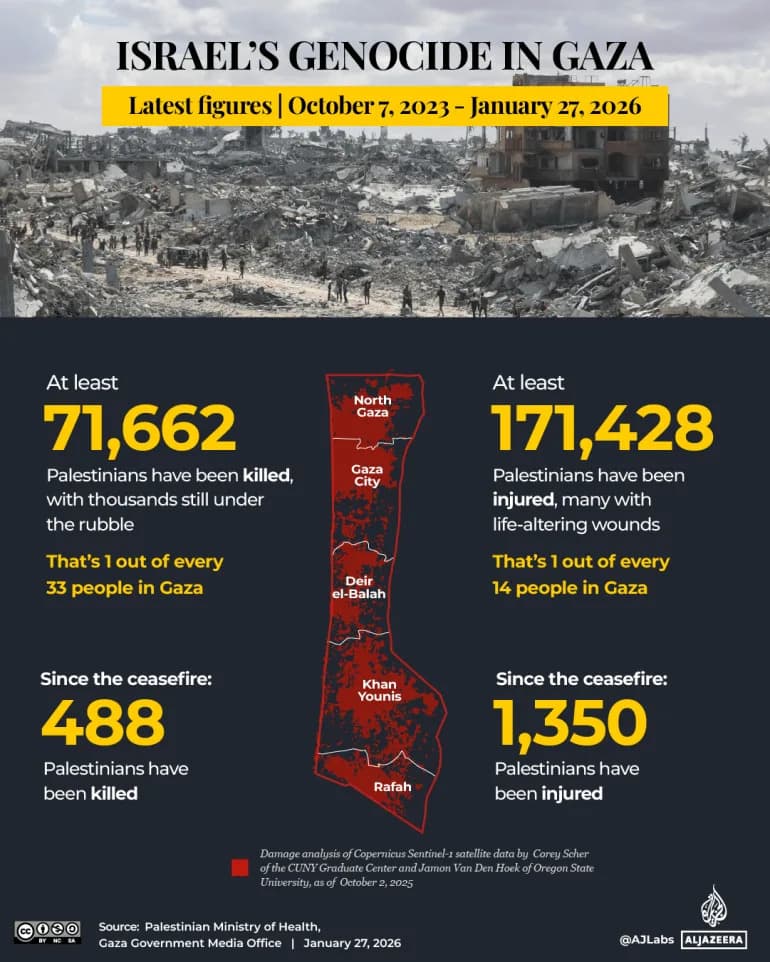
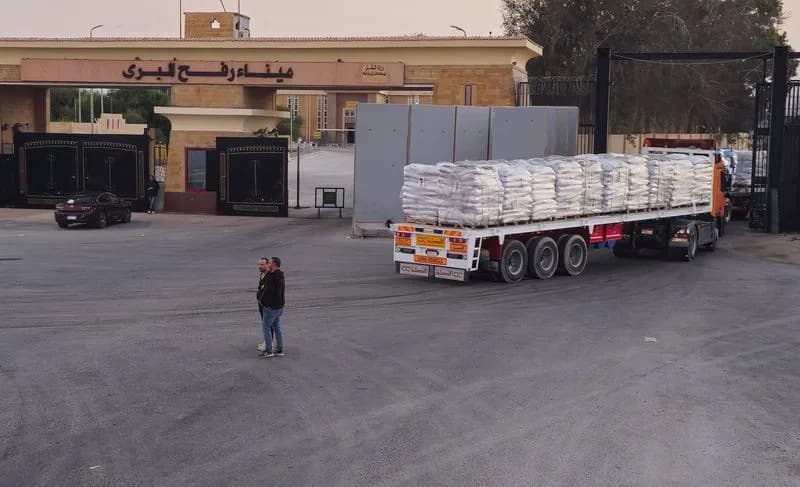
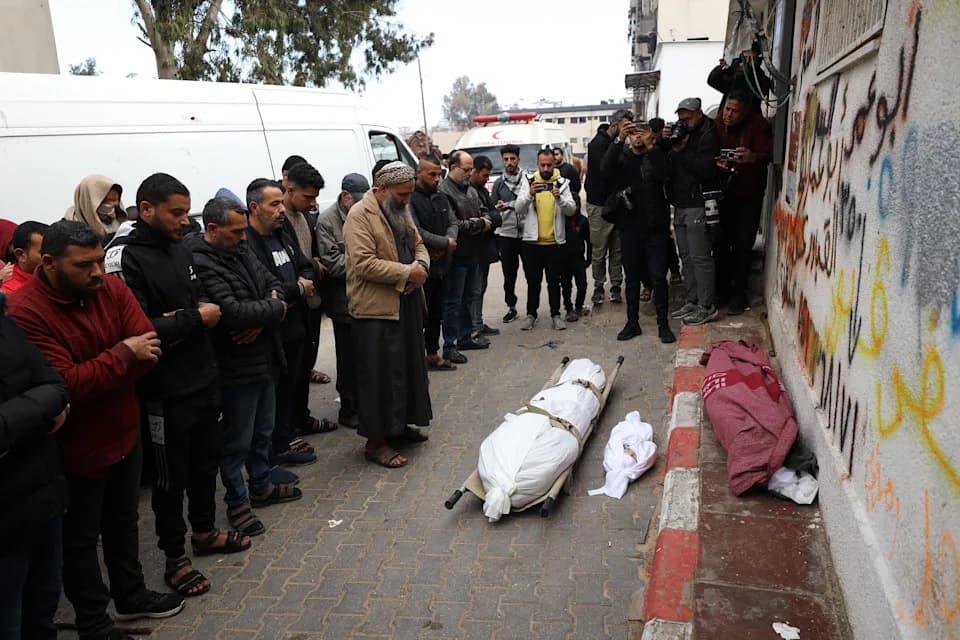
According to the United Nations, roughly 80% of Gaza's buildings have been damaged or destroyed. Aid deliveries remain far below needs and detailed reconstruction plans are still lacking. An estimated 80,000–100,000 Palestinians entered Egypt via the Rafah crossing before it was seized and closed by Israeli forces in May 2024. Returns are tightly controlled; by midweek only a few dozen people had been allowed back, many describing humiliating passages through Israeli checkpoints.
Lives in Limbo
Egypt offers safety from active fighting but little legal protection for many recent arrivals. Without residency or formal status, large numbers of Gazans in Egypt cannot work legally, obtain driving licences, access public hospitals, enroll in schools, or open bank accounts. Rising rents, dependence on remittances and limited access to healthcare compound daily hardships.
Human Stories
Mohamed, 78, poet from Beit Lahia: "Return to Gaza for what? To live in a tent?" He says he and his family have not abandoned Gaza and intend to go back eventually, but "right now, we cannot go back under these conditions."
"The situation that pushed us out hasn't changed. We lost our homes, our children, our livelihood." — Sawsan, 72
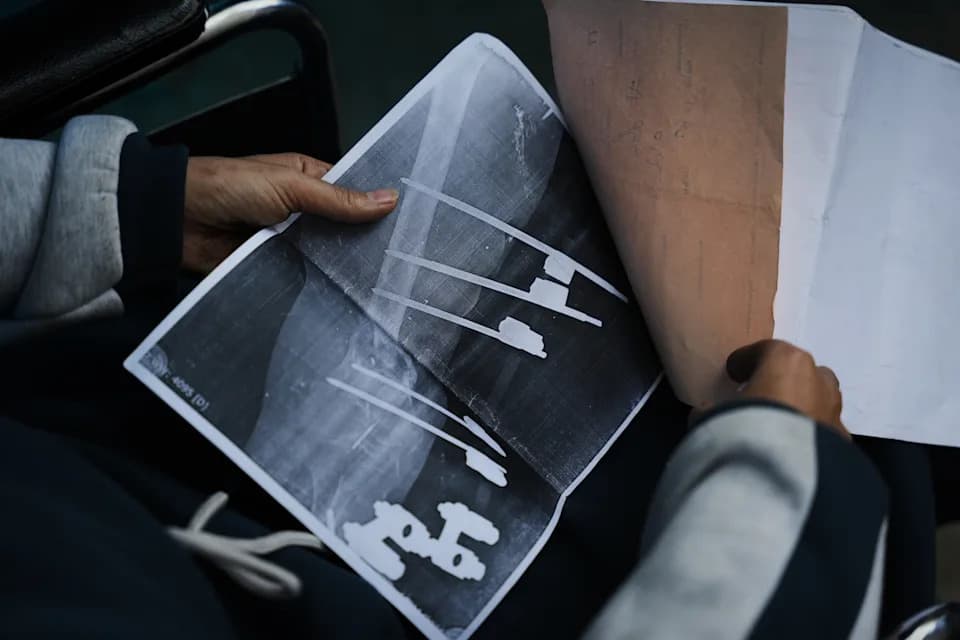
Nadra, 37: She brought her son Hakim to Egypt in January 2024 so he could receive treatment for burns suffered in an early strike. "There is no future in Gaza now. No clean water, no safety, no school for Hakim," she says. Two years on, she survives on monthly remittances that barely cover rent.
Mahmoud Abdelrahman Rabie, 65: Medically evacuated by the UN a year earlier, Rabie lives in a cramped Cairo studio while counting the days until he can return to Jabaliya, where he fears only rubble will remain of his home and chicken farm. "Here I am alive only in name. My heart and soul are in Gaza," he says. At the current rate of crossings he estimates his turn could be years away.
Yaela el-Beltagy, 36: A former restaurant owner who has registered himself, his wife, son and four siblings to return: "I want to go back, see my father and mother, even if there is nothing there but tents. I would pick a tent in Gaza over a palace anywhere in the world."
Hala, 40, teacher's assistant: She refuses to return without her elderly parents, who require regular medical care that is largely unavailable in Gaza. For many families the decision comes down to an impossible calculus of attachment to land versus the immediate safety and health of loved ones.
Outlook
The choice facing Gazans in Egypt is wrenching and deeply personal. Some cling to the cultural and emotional ties that make return essential, even to rubble and tents; others judge the risks to health and survival too high and remain in legal and economic uncertainty in exile. The limited pace of allowed returns, shortages of aid, and the absence of clear reconstruction plans mean this crisis — and these agonising decisions — will continue for many months to come.
Help us improve.