Tens of thousands have fled Pakistan's Tirah Valley after mosque announcements urged families to evacuate ahead of possible military action, according to residents and local officials. Displaced people moved into nearby towns such as Bara despite heavy snowfall, reporting hazardous journeys, food shortages and some deaths. The federal government denies any planned operation, while a military source says temporary relocation was advised to protect civilians during targeted operations. Provincial leaders say they were not consulted and accuse federal authorities of displacing communities under a security pretext.
Mosque Evacuation Warnings Trigger Mass Exodus From Pakistan's Tirah Valley
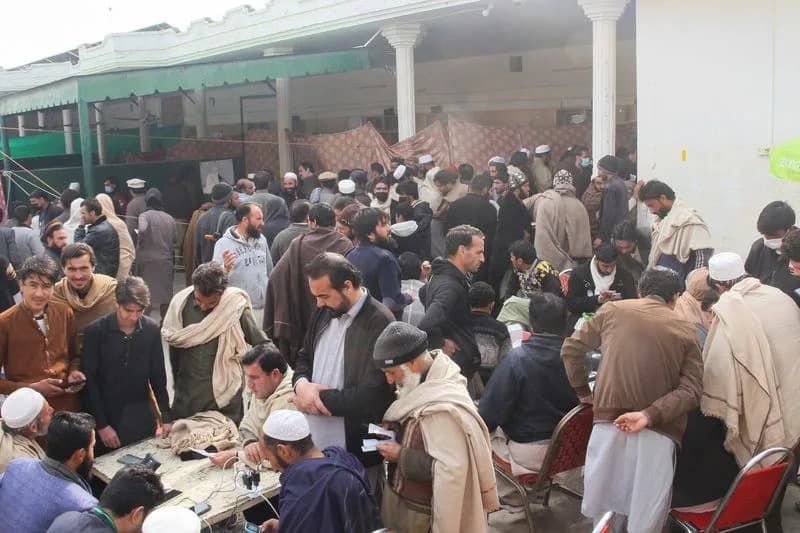
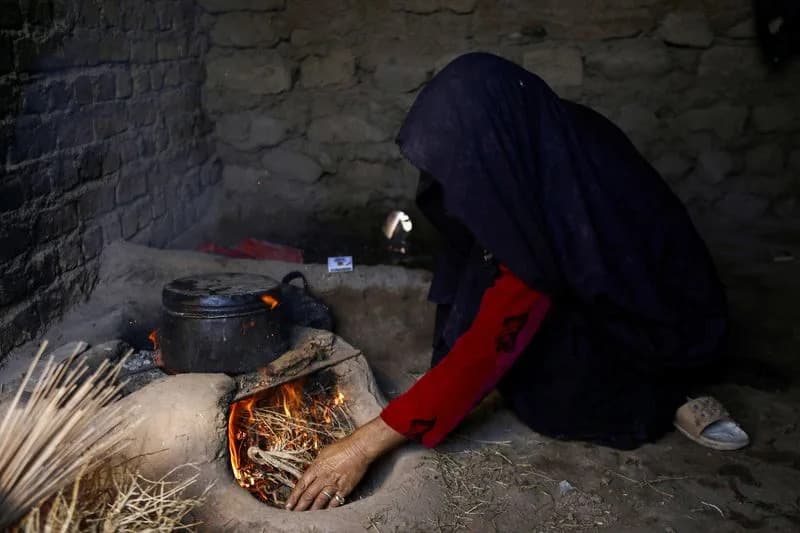
Residents from Tirah valley, who fled a remote mountainous region bordering Afghanistan, gather to get themself registered, in Bara, Khyber District of Khyber Pakhtunkhwa province, Pakistan, January 30, 2026. REUTERS/Muhammad Amin Afridi
Tens of thousands of residents have left the remote, mountainous Tirah Valley in northwestern Pakistan in recent weeks after mosque announcements urged families to evacuate ahead of a possible military operation against Islamist militants, residents and local officials said.
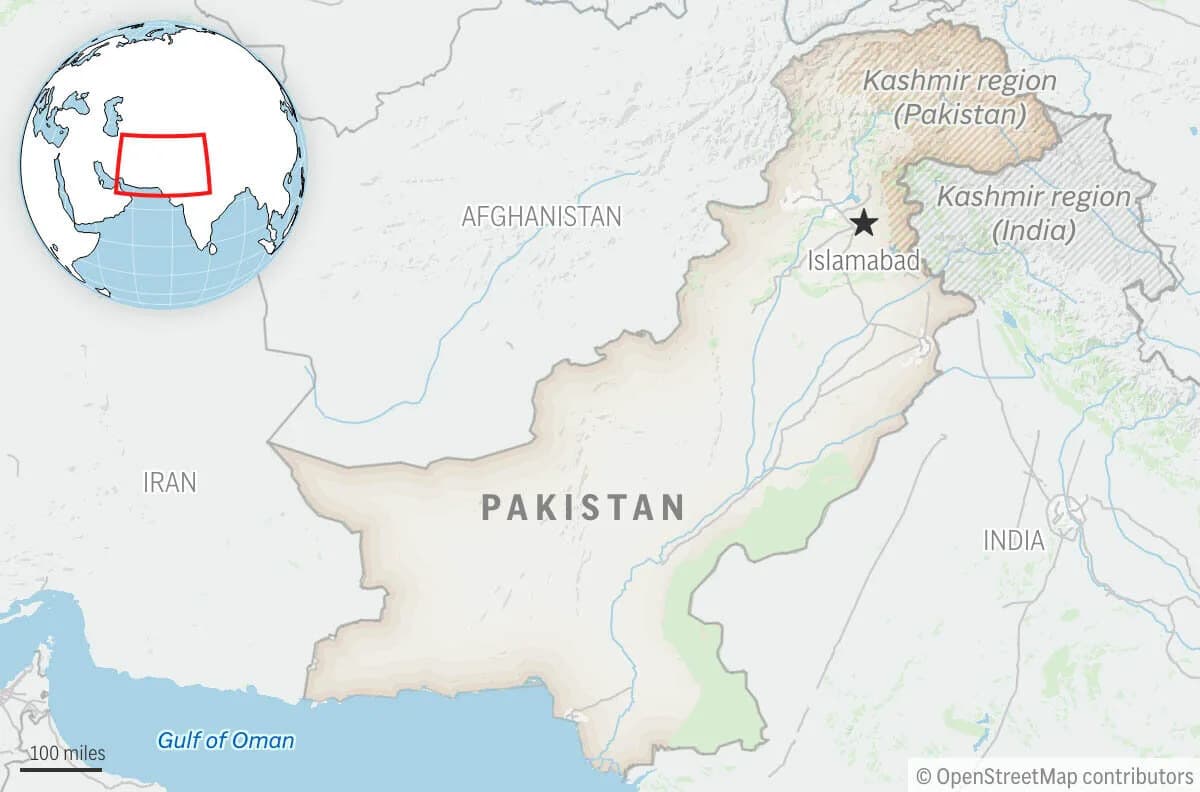
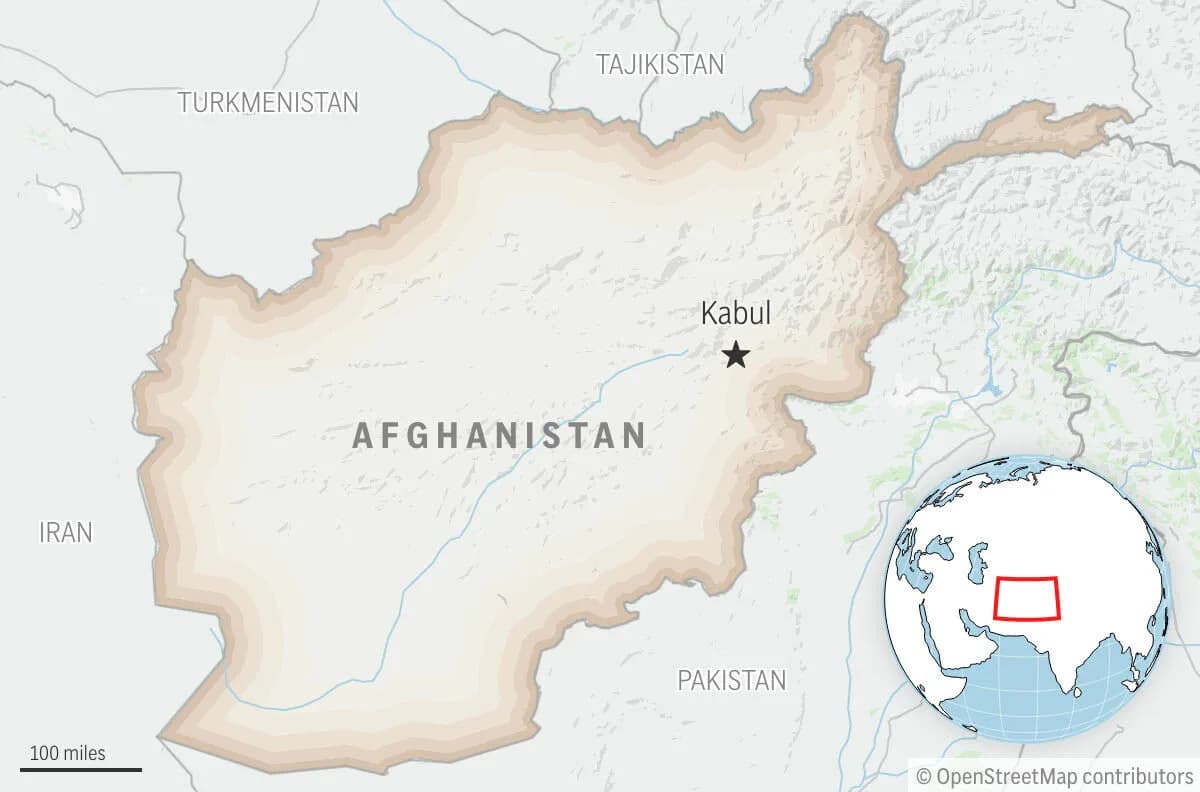
The valley, in Khyber Pakhtunkhwa province along the Afghan border, has long been a sensitive security zone and is regarded as a stronghold of Tehrik-e-Taliban Pakistan (TTP). Displaced families fled into nearby towns such as Bara despite heavy snowfall and subzero temperatures, reporting long, hazardous journeys and shortages of food and shelter.
Conflicting Official Accounts
Pakistan's federal government has not announced any formal evacuation or large-scale operation. Defence Minister Khawaja Muhammad Asif denied a planned operation in Tirah, describing the movement as a seasonal migration driven by harsh winter weather.
By contrast, a Pakistani military source told reporters that the relocations followed months of consultation among tribal elders, district officials and security authorities. The source said civilians were encouraged to leave temporarily to reduce the risk of harm while "targeted intelligence-based operations" continued, and that there had been no visible build-up for a large-scale offensive because of the valley's difficult terrain and winter conditions.
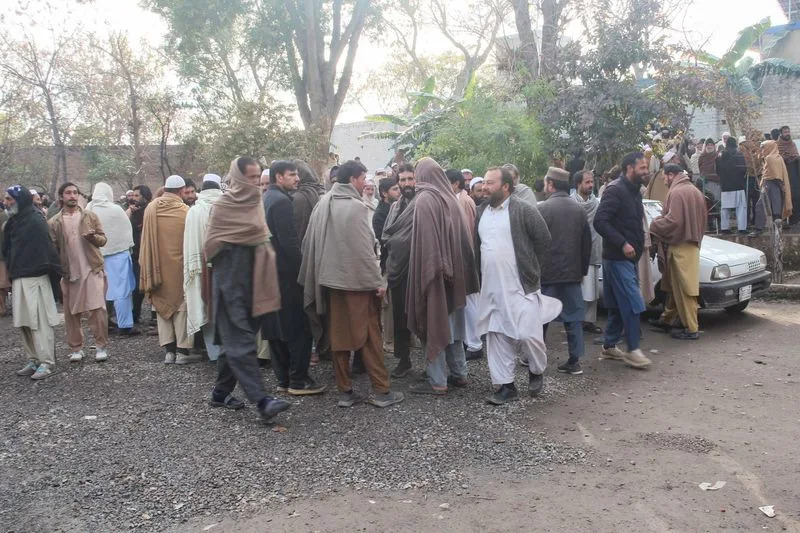
Residents from Tirah valley, who fled a remote mountainous region bordering Afghanistan, gather to get themself registered, in Bara, Khyber District of Khyber Pakhtunkhwa province, Pakistan, January 30, 2026. REUTERS/Muhammad Amin Afridi
Khyber Pakhtunkhwa Chief Minister Sohail Afridi said his provincial government was not consulted about the relocations and described the decisions as closed-door moves taken without provincial input. He rejected federal claims that snowfall alone prompted departures, saying families had been displaced under the pretext of security action despite extreme winter conditions.
Humanitarian Impact
Local officials who requested anonymity said thousands of families are being registered for assistance in nearby towns, but displaced people at registration centers complained of slow processing and uncertainty about how long they would remain away from home. Residents described perilous journeys on snowbound roads, food shortages and overcrowded shelters. Some displaced people reported deaths — including children — during the evacuations, though such accounts have not been independently verified.
"The announcements were made in the mosque that everyone should leave, so everyone was leaving. We left too," said Gul Afridi, a shopkeeper who fled with his family to Bara, about 71 km east of Tirah.
The Tirah Valley attracted national attention in September after a deadly explosion at a suspected bomb-making site. Officials and local leaders gave conflicting accounts at the time about whether civilians were among the dead.
Requests for comment by Friday to the military's media wing, the Inter-Services Public Relations, the interior ministry and the Khyber Pakhtunkhwa provincial government were not answered.
Help us improve.