Shortly before dawn on Tuesday a fire swept through Camp 16 in the Cox's Bazar refugee complex, destroying 335 shelters, damaging 72 more and displacing over 2,000 Rohingya. No fatalities were reported, though many lost all belongings and identity documents. Aid organisations including IOM and the Norwegian Refugee Council provided emergency supplies, but say reductions in international funding have stalled plans for 50,000 semi-permanent shelters. Agencies are urging donors to close a $466.6 million funding gap to reduce recurring fire risk and support longer-term shelter solutions.
Massive Fire in Cox's Bazar Camp 16 Destroys 335 Shelters, Displaces Thousands — Aid Groups Urge Urgent Funding
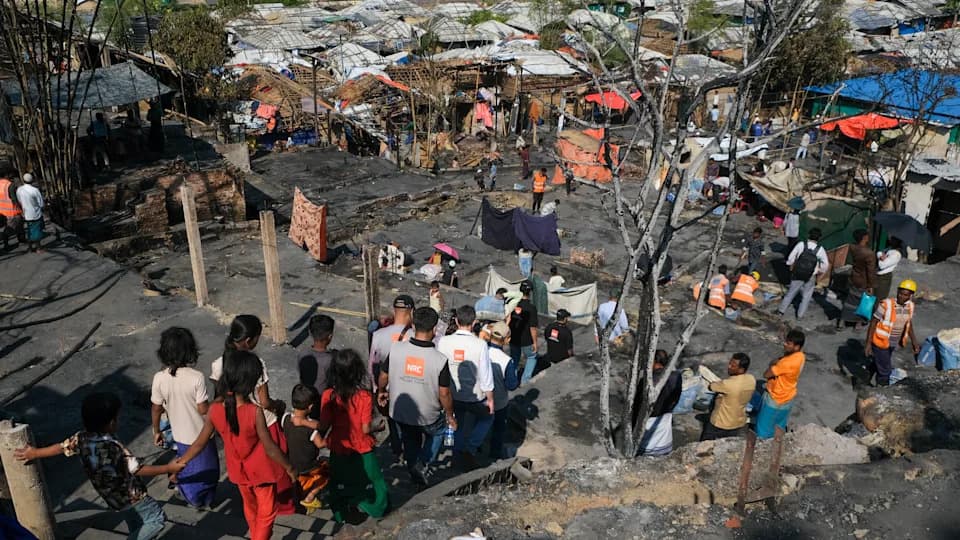
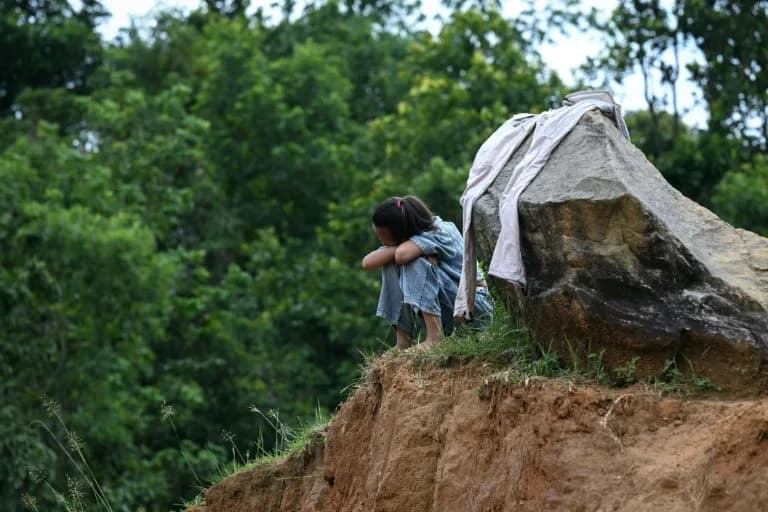
Children walk near the site of a fire that broke out in Camp 16, one of more than 30 Rohingya refugee camps in the Cox's Bazar district, Bangladesh, Tuesday, Jan. 20, 2026. (Jessica Wanless, Norwegian Refugee Council via AP)(ASSOCIATED PRESS)
A large pre-dawn blaze on Tuesday tore through Camp 16 in the Cox's Bazar refugee complex, destroying 335 makeshift shelters, damaging a further 72 and displacing more than 2,000 Rohingya residents, aid groups said.
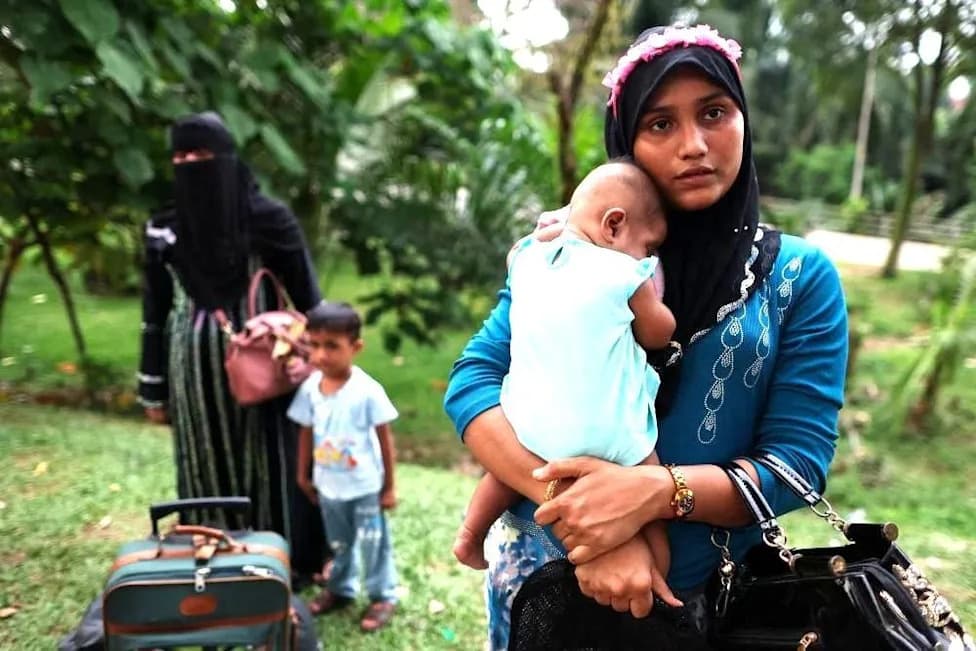
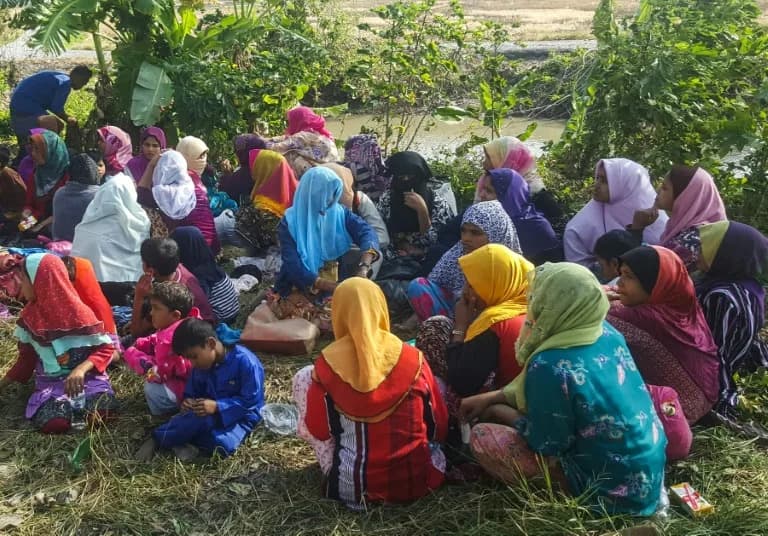
The Cox's Bazar district is home to the world's largest refugee settlement, sheltering over 1 million Rohingya who fled persecution in neighbouring Myanmar. The United Nations' International Organization for Migration (IOM) described the fire as a new crisis for families already living in precarious conditions.
“When fires strike in overcrowded camp settings, the impact extends far beyond damaged infrastructure,” Lance Bonneau, IOM Chief of Mission in Bangladesh, said. “Families lose shelter, essential belongings, and access to basic services, increasing immediate protection risks.”
Firefighters brought the blaze under control after roughly three hours. There were no reported deaths and only a handful of minor injuries, but many residents lost all their possessions, including identity documents and important papers, the Norwegian Refugee Council (NRC) told The Associated Press.
In addition to shelters, the fire damaged water and sanitation facilities, 11 learning centres and camp pathways, complicating living conditions and recovery efforts. Humanitarian agencies on the ground — including IOM and the NRC — mobilised emergency assistance, distributing blankets, mosquito nets, cooking supplies, hygiene kits and solar lights to those displaced.
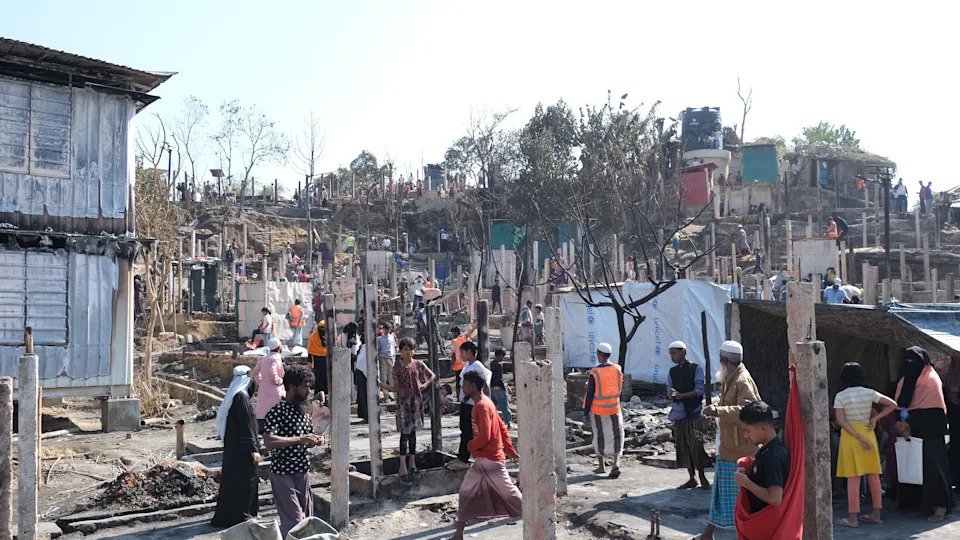
People stand near the site of a fire that broke out in Camp 16, one of more than 30 Rohingya refugee camps in the Cox's Bazar district, Bangladesh, Tuesday, Jan. 20, 2026. (Jessica Wanless, Norwegian Refugee Council via AP)(ASSOCIATED PRESS)
Most families live in tarpaulin-covered bamboo shelters intended to be temporary. Those structures are densely packed across the camps and are highly vulnerable to rapid fire spread. The NRC said plans to construct 50,000 semi-permanent shelters — intended to replace short-lived bamboo-and-plastic homes — were shelved after reductions in international aid, constraining longer-term risk reduction.
The NRC and other agencies cite a broader pattern of recurring fires: one report indicates 2,425 recorded fires in the camps between May 2018 and December 2025, affecting more than 100,000 people and damaging over 20,000 shelters.
Many Rohingya first fled to Bangladesh in 2017, when more than 700,000 people crossed the border after a brutal military crackdown in Rakhine state. The operation prompted international accusations of ethnic cleansing and genocide. The International Court of Justice in The Hague is currently hearing a case accusing Myanmar of violating the 1948 Genocide Convention during its 2017 “clearance operation.” Myanmar denies the allegations.
Ongoing fighting in Rakhine — including clashes since the 2021 coup that deposed Aung San Suu Kyi — has prompted further waves of displacement into Bangladesh. Aid groups warn that reduced humanitarian funding has worsened conditions: in 2025 roughly half the funds requested for the Rohingya response were received, leaving a reported funding gap of $466.6 million.
“Funding now needs to be urgently stepped up so we can resume construction of the 50,000 approved semi-permanent shelters,” the NRC said, noting it has begun helping build temporary homes after the Camp 16 fire. Agencies also flagged continued needs for emergency food, warm clothing, restored water and sanitation services, and basic household items to prevent repeated cycles of loss and displacement.
Help us improve.