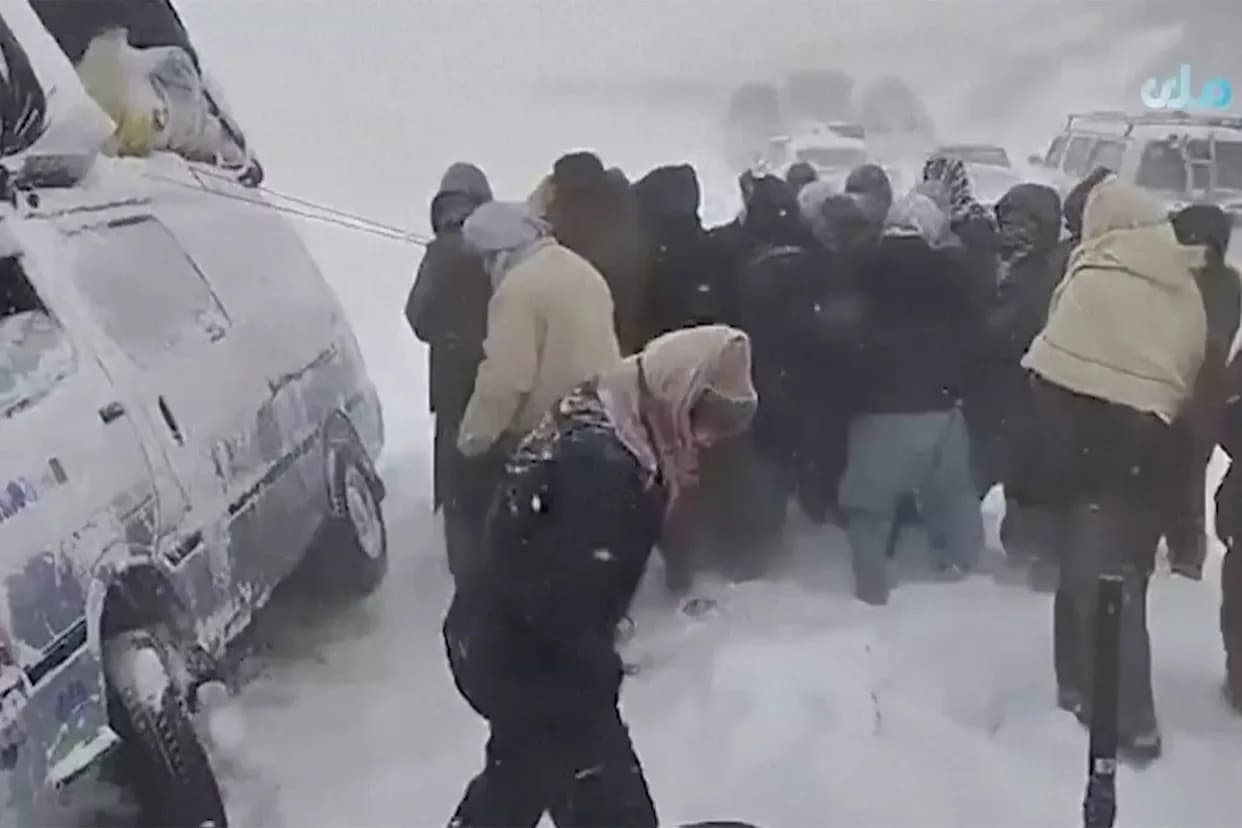
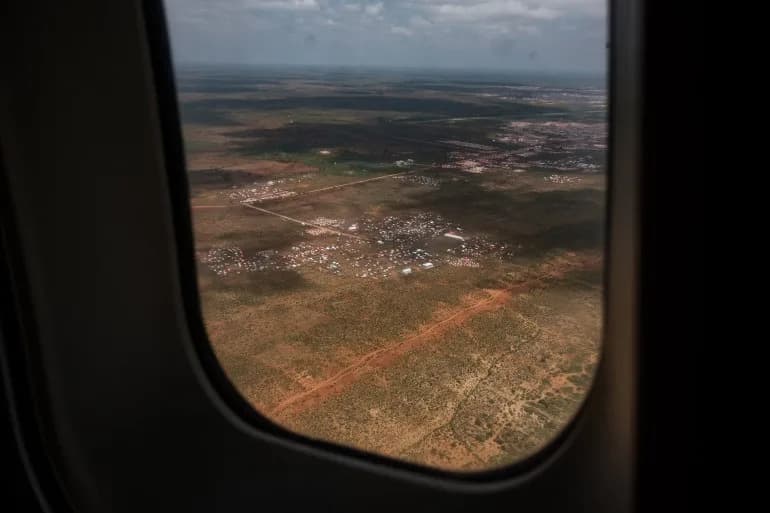
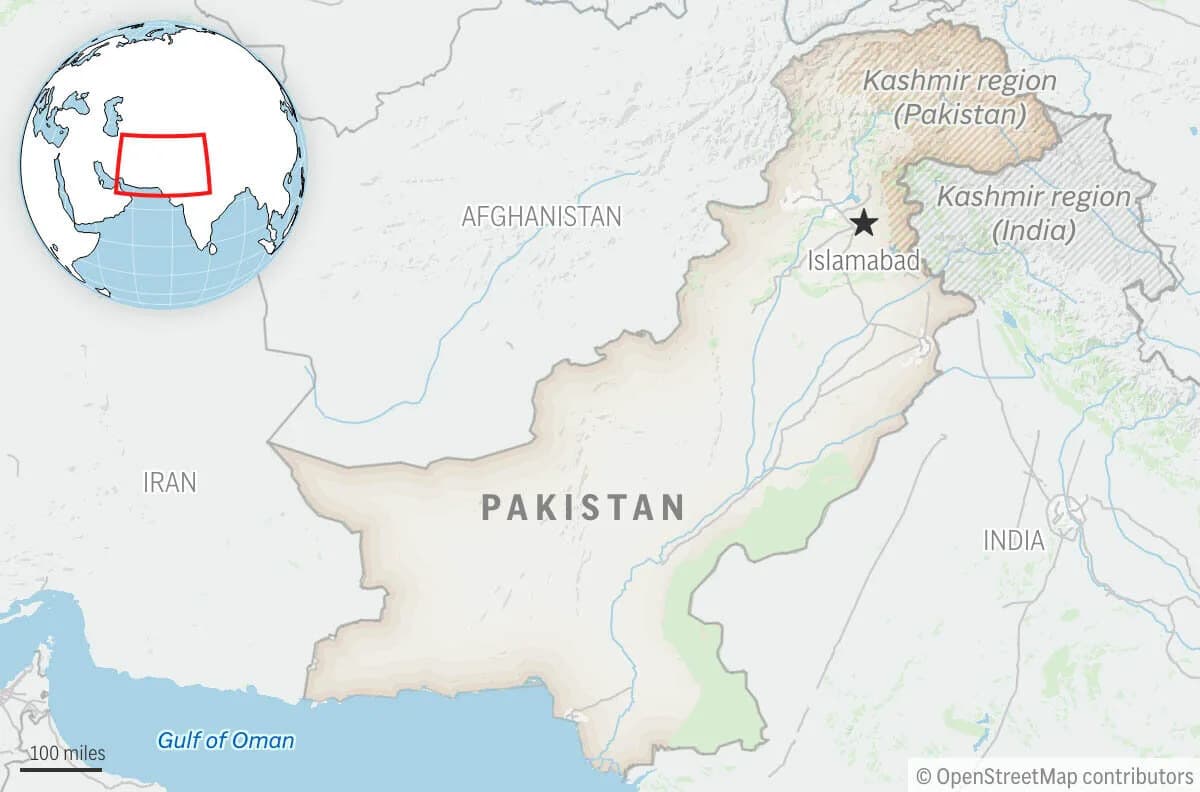
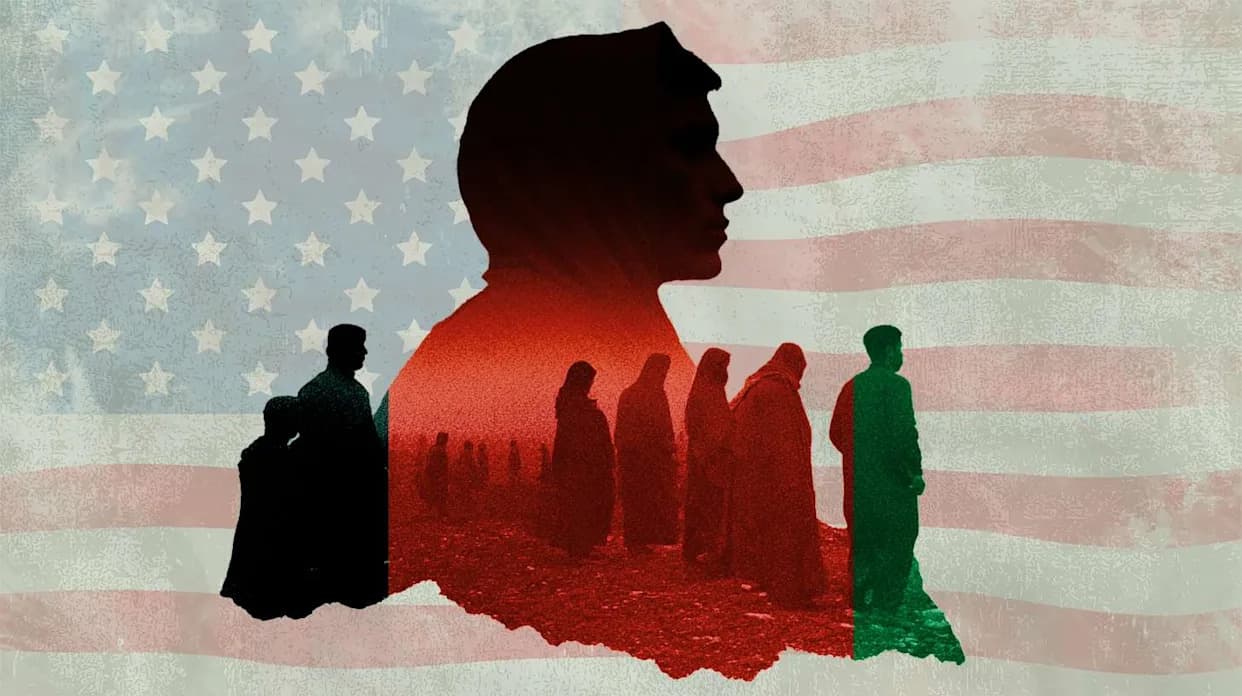
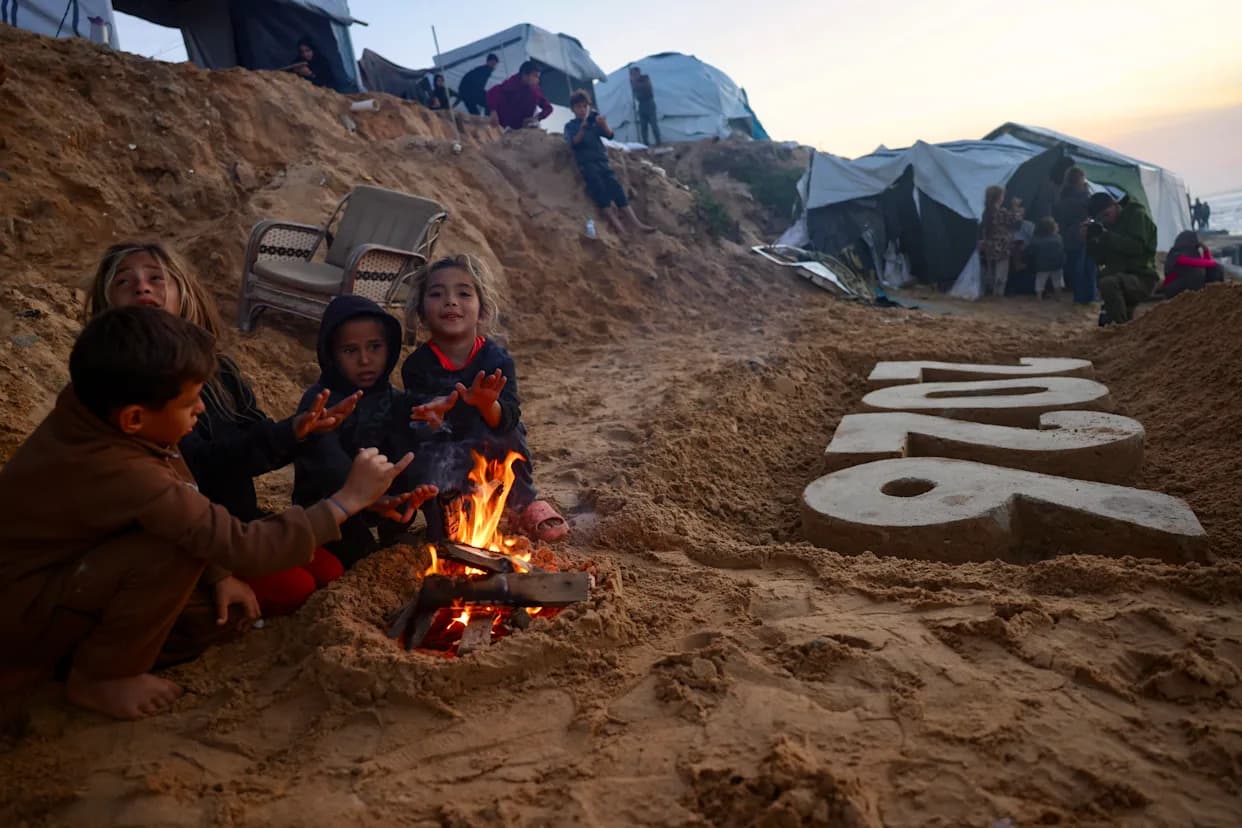
Winter conditions, mass deportations from Iran and Pakistan and reductions in donor support have combined to push Afghanistan toward a major humanitarian crisis. The WFP estimates about 17 million people face acute hunger, with roughly 3 million newly at risk after recent returnee waves. Clinics and distribution points are overwhelmed, and aid shortfalls could leave an estimated 200,000 more children acutely malnourished by 2026 if funding does not improve.
Winter, Mass Deportations and Aid Cuts Push Afghanistan to the Brink of Famine
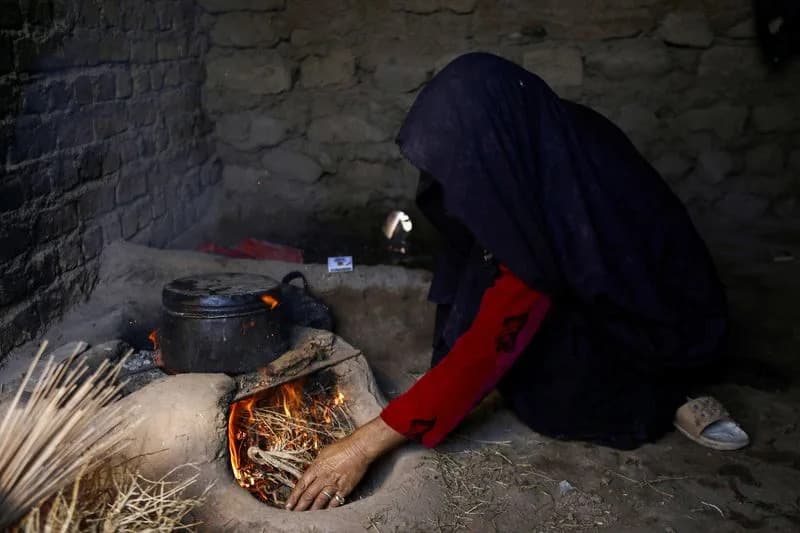
An Afghan woman lights fire to cook food at a makeshift kitchen in Markhor-e-Sufla village, Herat, Afghanistan October 26, 2024. REUTERS/Sayed Hassib
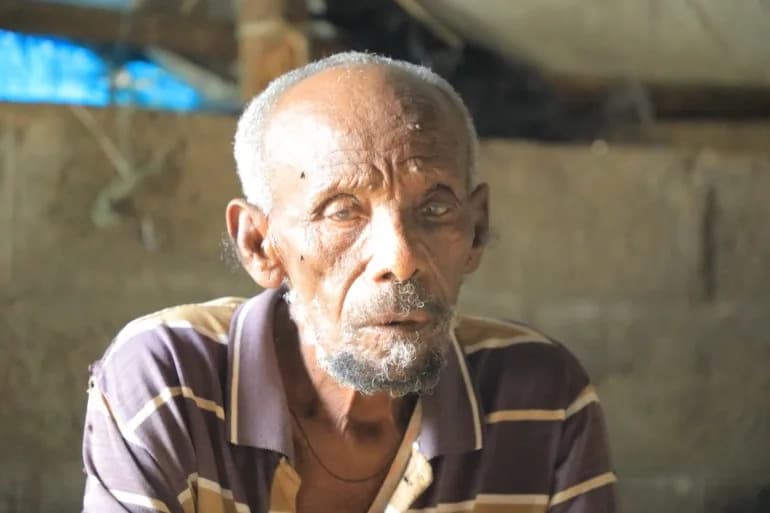
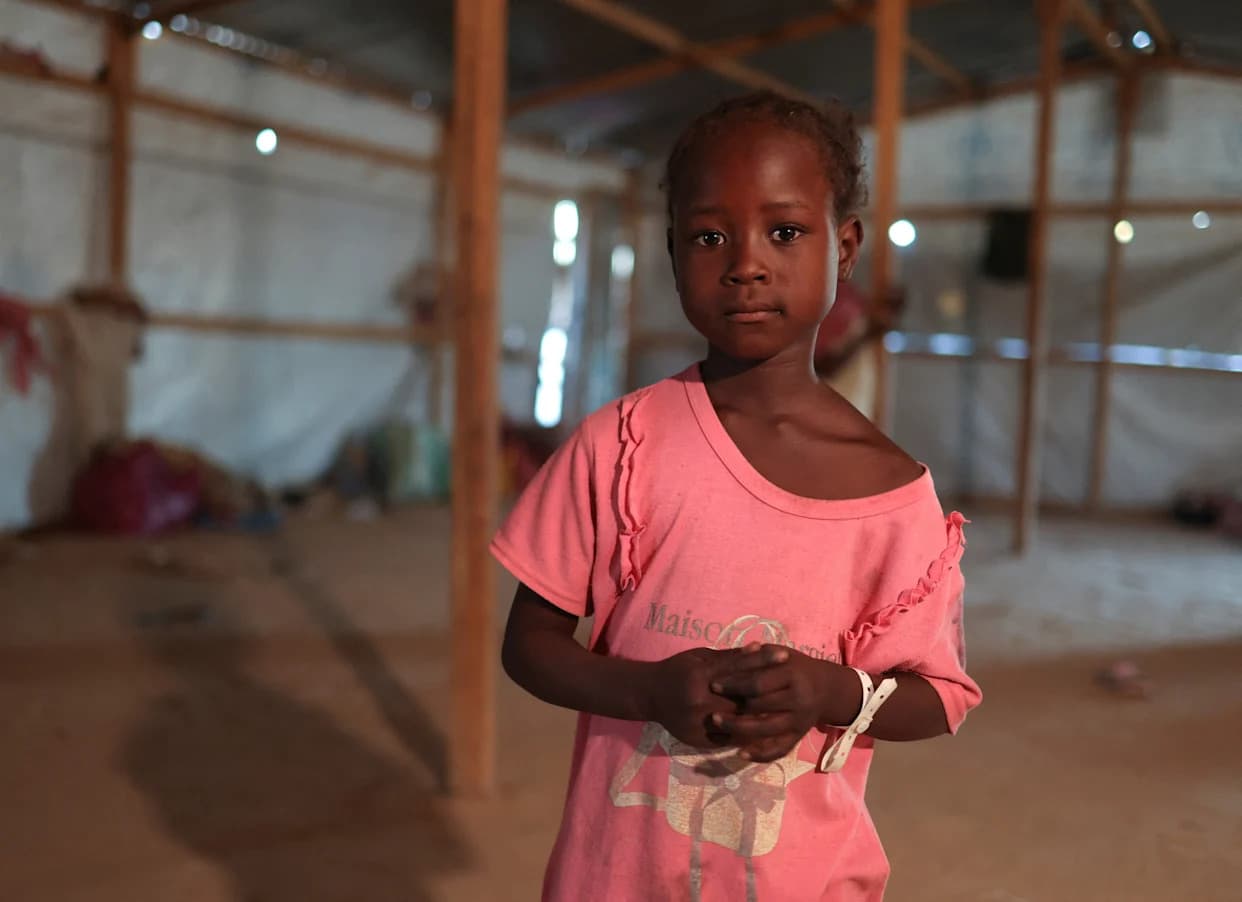
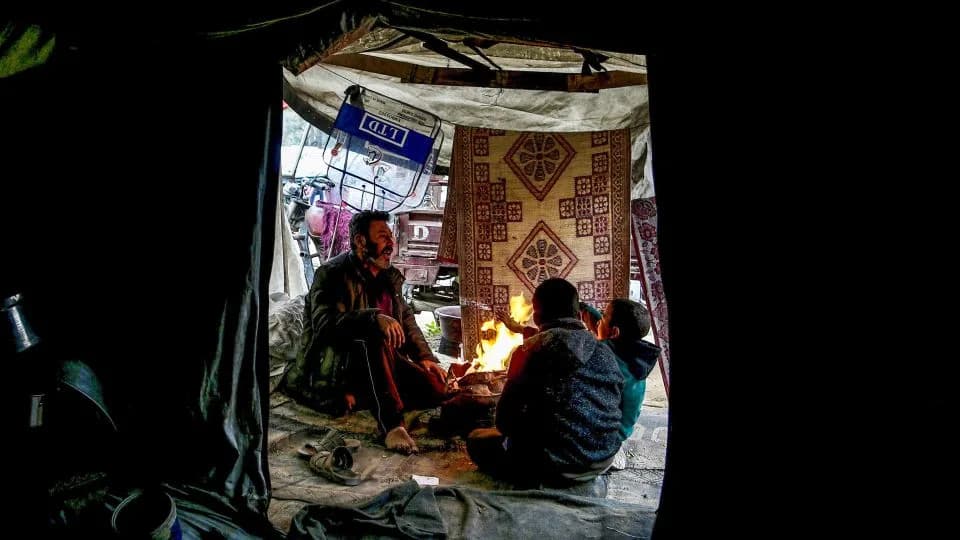
Under the weak glow of a single bulb in a tent on Kabul’s outskirts, 55-year-old Samiullah and his wife, Bibi Rehana, sit with five children and a three-month-old grandchild, drying bread and drinking tea — their only meal that day.
"We have reached a point where we are content with death," Samiullah said, reflecting the desperation of many families who have returned after deportation from neighbouring countries.
The family — which includes two older sons and their wives — was among millions who have come back to Afghanistan over the past year as deportations from Iran and Pakistan surged. Their story highlights a broader humanitarian emergency: the U.N. World Food Programme (WFP) estimates roughly 17 million people now face acute hunger, as winter, mass returns and reduced international support converge to strain relief systems.
How the Crisis Deepened
Samiullah said a sudden raid by Iranian authorities led to arrests and rapid deportation. The family managed to salvage a few belongings but lost access to most savings and remittances that would have carried them through winter. Reuters was unable to reach Iranian authorities for comment.
Afghan administration spokesman Zabiullah Mujahid said newly returned migrants receive as much assistance as possible for transport, housing, healthcare and food, but acknowledged that "economic programmes take time and do not have an immediate impact on people's lives" in a country recovering from four decades of conflict and the loss of key revenue streams.
Numbers and Strain on Aid
The WFP says Iran and Pakistan have expelled more than 2.5 million Afghans in large repatriation efforts. John Aylieff, the WFP country director, told Reuters that the influx has swelled Afghanistan’s population by roughly 10 percent and that about 3 million more people are now at risk of acute hunger. He warned that reductions in donor funding and global aid capacity have left charities struggling to meet demand.
"Last year was the biggest malnutrition surge ever recorded in Afghanistan and sadly the prediction is that it's going to get worse," Aylieff said, estimating that an additional 200,000 children could suffer acute malnutrition by 2026 if conditions and funding gaps persist.
Scenes From Aid Sites and Clinics
At a WFP distribution point in Bamiyan, about 180 km from Kabul, rice sacks and jugs of oil await needy families, but supplies are inadequate for the long queues. "I am forced to manage the winter with these supplies; sometimes we eat, sometimes we don't," said 50-year-old Zahra Ahmadi, a widowed mother of eight daughters, receiving aid for the first time.
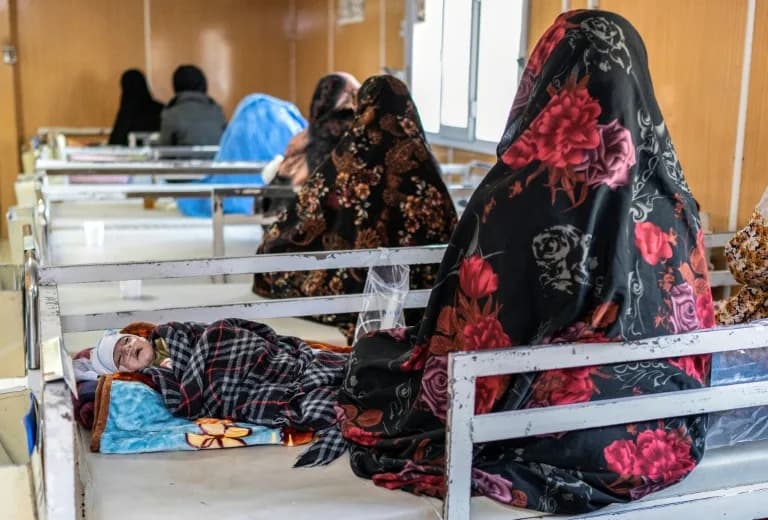
At the Qasaba Clinic in Kabul, doctors say patient numbers have doubled since the influx of returnees. Dr. Rabia Rahimi Yadgari said the clinic treats about 30 malnutrition cases daily, but nutritional supplements and medicines are not sufficient to keep families stable. Laila, a mother of one, reported her son briefly improved on supplements but lost weight again when supplies ran out. Her husband lost a government job after the 2021 power shift, contributing to the household’s economic collapse.
Human Cost and Context
Beyond immediate food needs, families face cold nights, scant work opportunities and few safety nets. As Samiullah gathered firewood and Bibi Rehana lit a stove, he said, "When I worked in Iran, at least I could provide a full meal. Here, there is neither work nor livelihood."
The humanitarian crisis is driven by overlapping factors: the return of millions of migrants, the drying up of remittances, seasonal winter pressures, and constrained donor funding that has reduced the capacity of organisations such as the WFP to respond at scale.
Reporting by Mohammad Yunus Yawar and Sayed Hassib; Writing by Saad Sayeed; Editing by Clarence Fernandez. Facts and figures are drawn from WFP statements and on-the-ground reporting.
Help us improve.