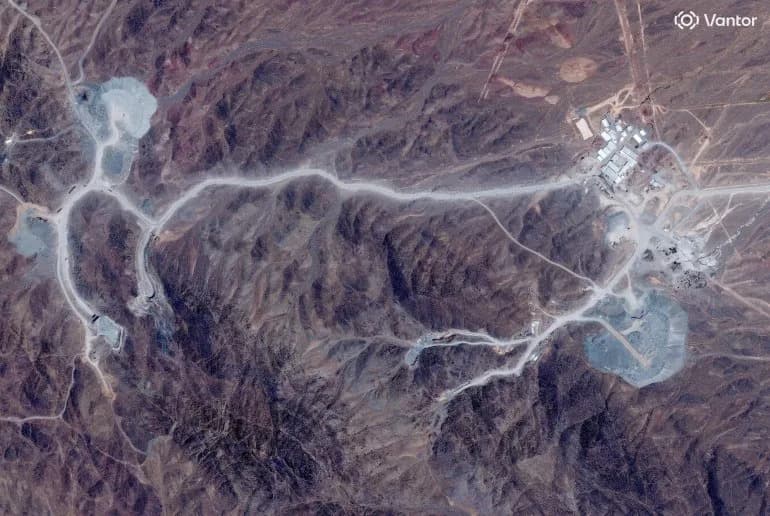
Satellite images from Planet Labs show Iran has built roofs over damaged buildings at Natanz and Isfahan, limiting satellite visibility and likely concealing recovery efforts rather than signaling full reconstruction. Experts say the move is aimed at obscuring salvage of sensitive assets—possibly including limited stocks of highly enriched uranium—after June strikes attributed to Israel and the U.S. The activity comes amid a harsh domestic crackdown on protests and rising regional tensions.
Satellite Images Show Iran Covering Natanz and Isfahan Nuclear Sites as Protests Escalate
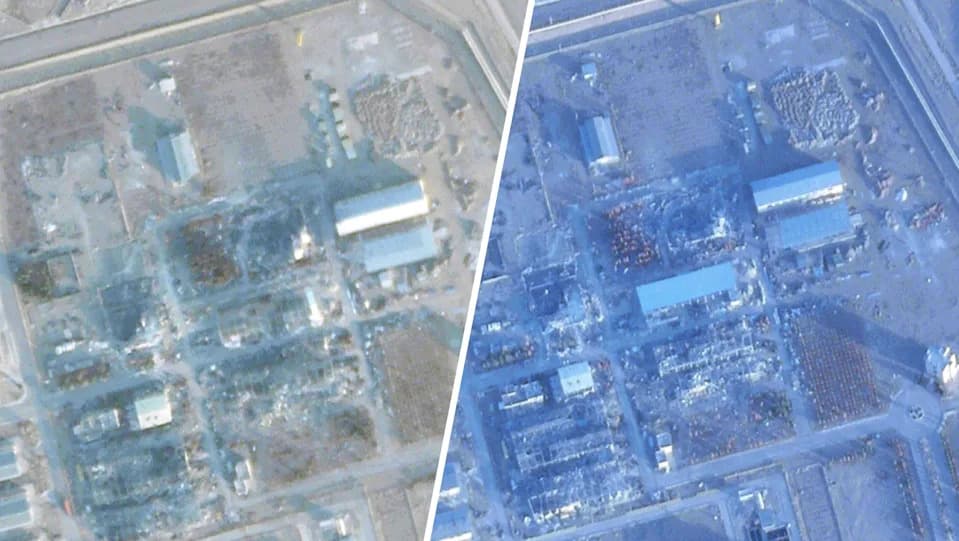
This satellite image from Planet Labs PBC shows a roof built over rubble Iran's Isfahan Nuclear Technology Center outside of Isfahan, Iran, on Wednesday, Jan. 28, 2026. (Planet Labs PBC via AP) / Credit: Planet Labs PBC / AP
Satellite imagery from Planet Labs shows Iran has erected temporary roofs over damaged structures at two nuclear sites — Natanz and Isfahan — that were struck last year in a series of attacks attributed to Israel and the United States. The coverings, completed in late December at Natanz and in early January at Isfahan, obstruct overhead observation and may be intended to hide recovery or salvage work rather than to signal full reconstruction.
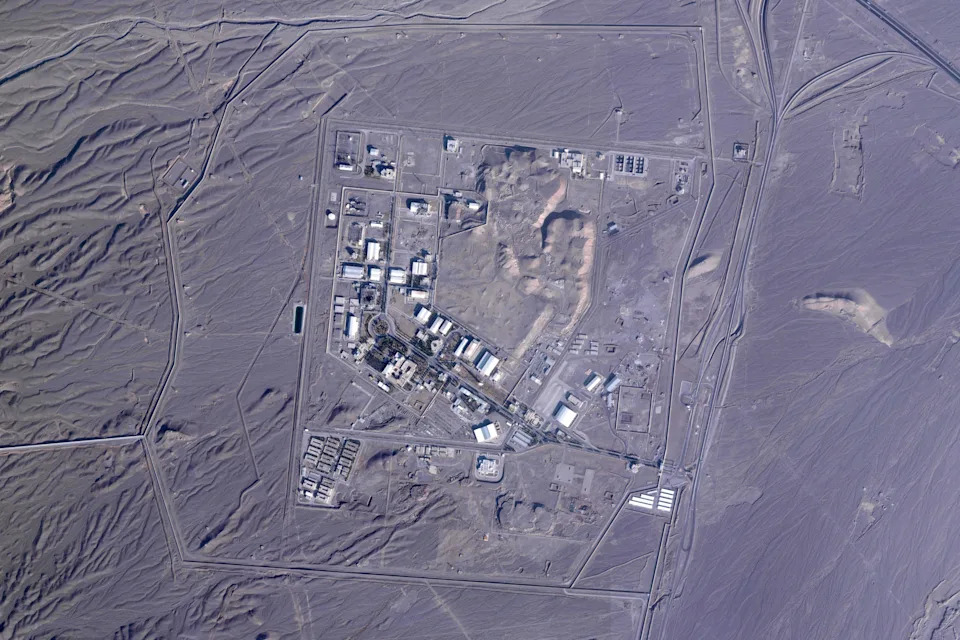
This satellite image from Planet Labs PBC shows Iran's Natanz nuclear enrichment site on Dec. 3, 2025. (Planet Labs PBC via AP) / Credit: Planet Labs PBC / AP
What The Images Show
The satellite photos reveal new protective roofs over at least two damaged buildings, packed dirt in two tunnels leading into a mountain near Isfahan, and a cleared third tunnel with newly built walls at its entrance. Analysts say these moves make it harder for outside observers to see ground activity at sites to which the International Atomic Energy Agency (IAEA) currently lacks on‑site access.
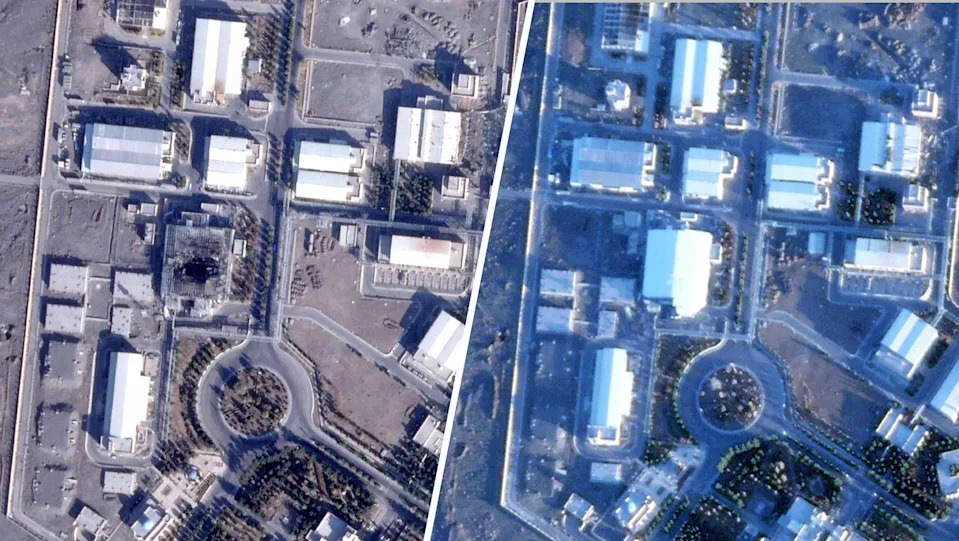
This satellite image from Planet Labs PBC shows the Pilot Fuel Enrichment Planet covered by a new roof at Iran's Natanz nuclear enrichment site on Wednesday, Jan. 28, 2026. / Credit: Planet Labs PBC via AP(Planet Labs PBC via AP)
Expert Assessments
Several nonproliferation and open-source intelligence experts who reviewed the imagery believe the coverings are intended to obscure salvage operations — for example, attempts to recover limited stocks of highly enriched uranium or sensitive equipment — not to begin immediate, full-scale reconstruction.
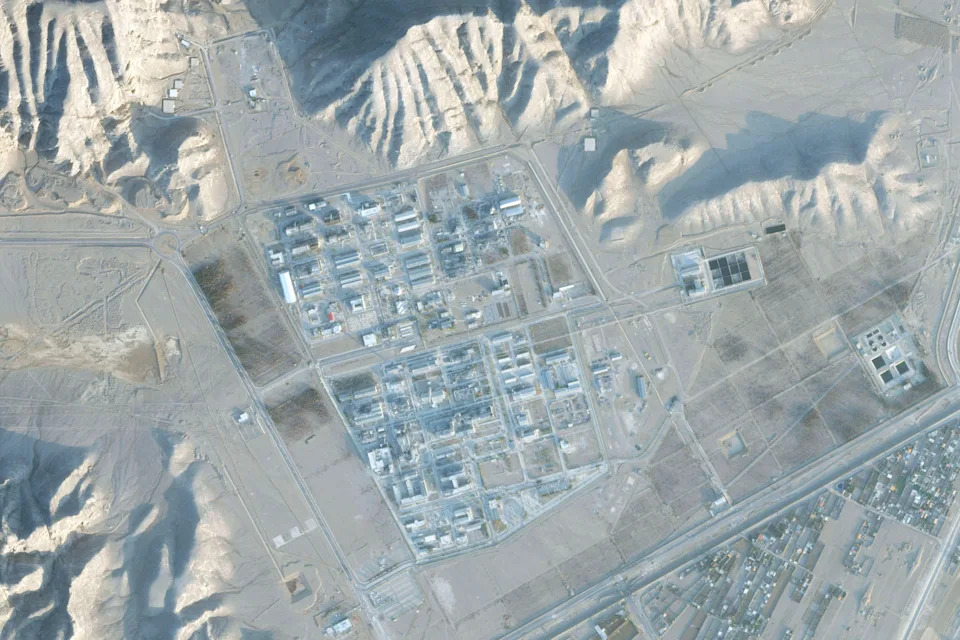
This satellite image from Planet Labs PBC shows Iran's Isfahan Nuclear Technology Center outside of Isfahan, Iran, on Dec. 7, 2025. / Credit: Planet Labs PBC / AP
Andrea Stricker, a specialist on Iran at the Foundation for Defense of Democracies, says Iran likely aims to recover any surviving materials without letting Israel or the United States see what remains.
Sarah Burkhard of the Institute for Science and International Security and Sean O'Connor of Janes similarly describe the work as geared toward concealment and recovery rather than rapid rebuild.
Background: The June Strikes
Natanz's main above-ground enrichment hall, known as the Pilot Fuel Enrichment Plant, was struck on June 13 and described by the IAEA director-general as "functionally destroyed." A U.S. follow-up strike using bunker‑busting munitions on June 22 further damaged underground facilities; the IAEA said the strikes caused severe, though not total, damage. Satellite analysts note that Natanz's electrical infrastructure still appears damaged.
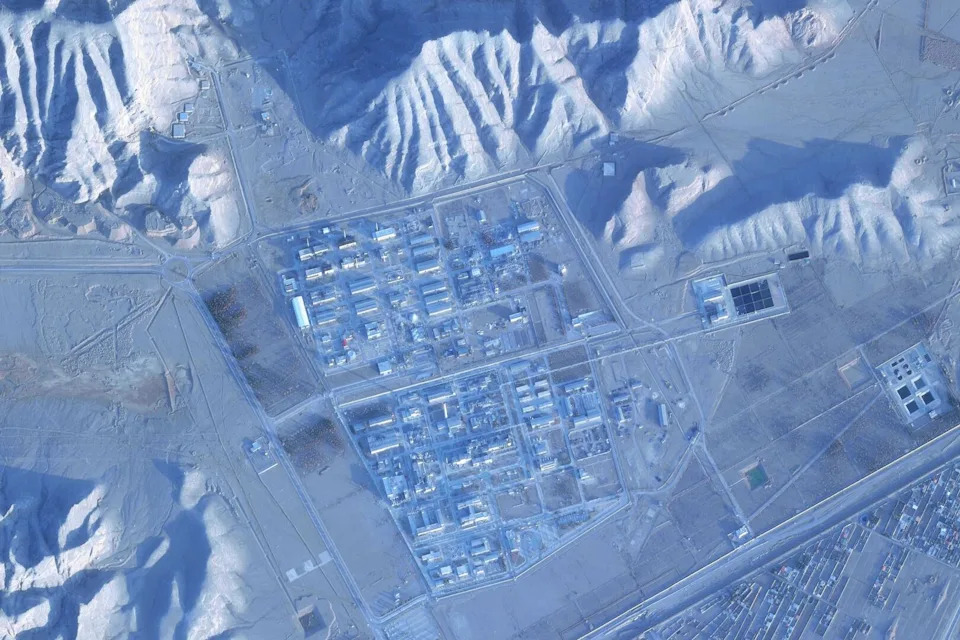
This satellite image from Planet Labs PBC shows Iran's Isfahan Nuclear Technology Center outside of Isfahan, Iran, on Wednesday, Jan. 28, 2026. (Planet Labs PBC via AP) / Credit: Planet Labs PBC / AP
Regional Tensions And Access Limits
The new activity comes amid heightened tensions over Iran's violent crackdown on nationwide protests and U.S. naval deployments to the region. Tehran has not publicly commented on the work at Natanz and Isfahan, and the IAEA did not respond to requests for comment. Remote imagery remains the principal tool for outside monitoring while Iran denies inspectors access.
Casualty Reports And Context
Human Rights Activists in Iran, a U.S.-based monitoring group, estimates more than 4,000 protesters have been killed in the crackdown and warns the toll may rise; separate, unverified reports cited by international media have given higher figures. These humanitarian concerns are part of the broader backdrop to the geopolitical standoff surrounding the nuclear sites.
What To Watch: Analysts will continue to monitor satellite imagery for signs of reconstruction, fresh equipment deliveries, or further steps to obscure or secure facilities. Any change in IAEA access or public acknowledgement from Tehran would also be significant.
Help us improve.