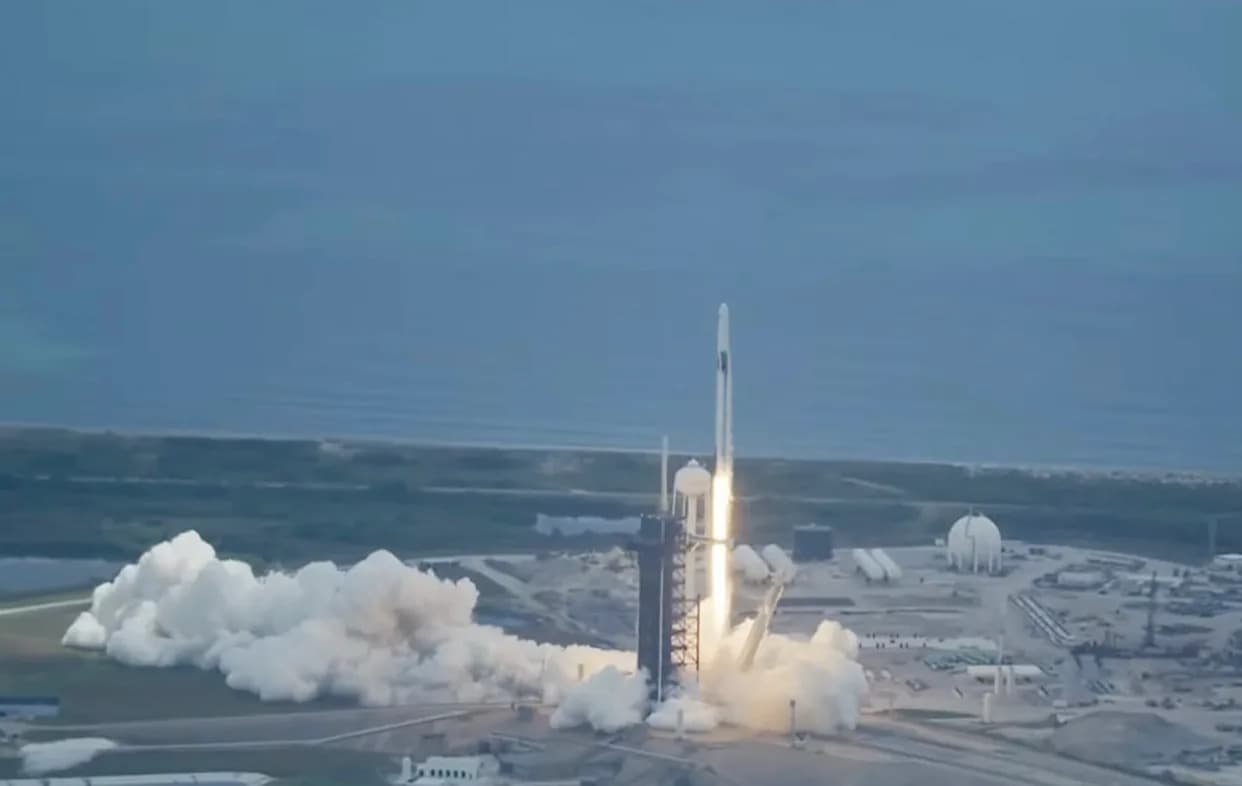
The International Space Station is scheduled for a controlled deorbit in 2030, ending nearly three decades of continuous human presence in low-Earth orbit and a hallmark era of international cooperation. NASA has contracted SpaceX to develop the propulsion vehicle that will guide the station into a planned re-entry over a remote part of the Pacific. After the ISS retires, China’s Tiangong will be the only inhabited station in orbit while the U.S. and partners shift toward commercially built and operated habitats. Experts call the transition bittersweet: it closes a collaborative chapter but opens commercial and exploration opportunities.
The End of the ISS: Closing a Three-Decade Chapter of Global Space Cooperation
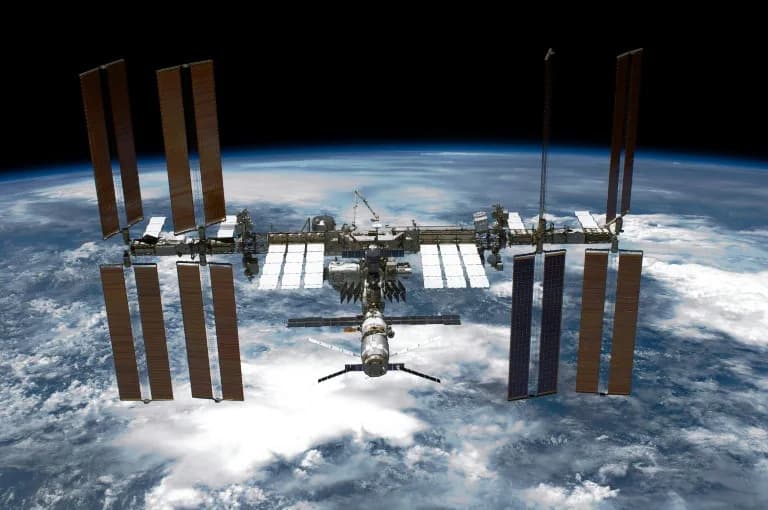
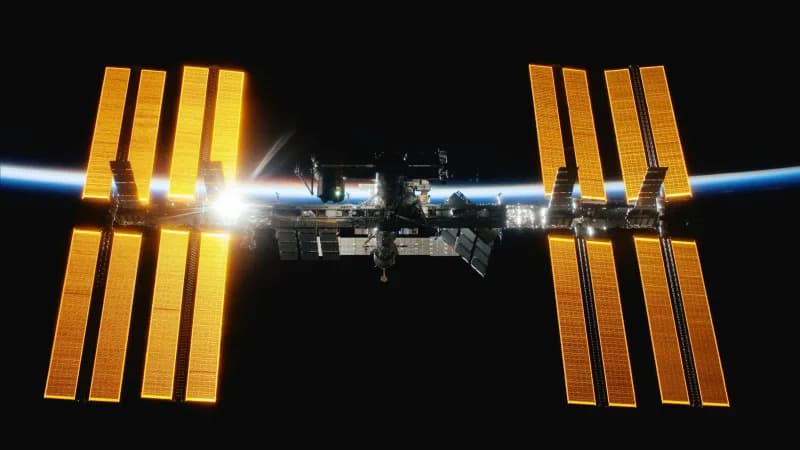
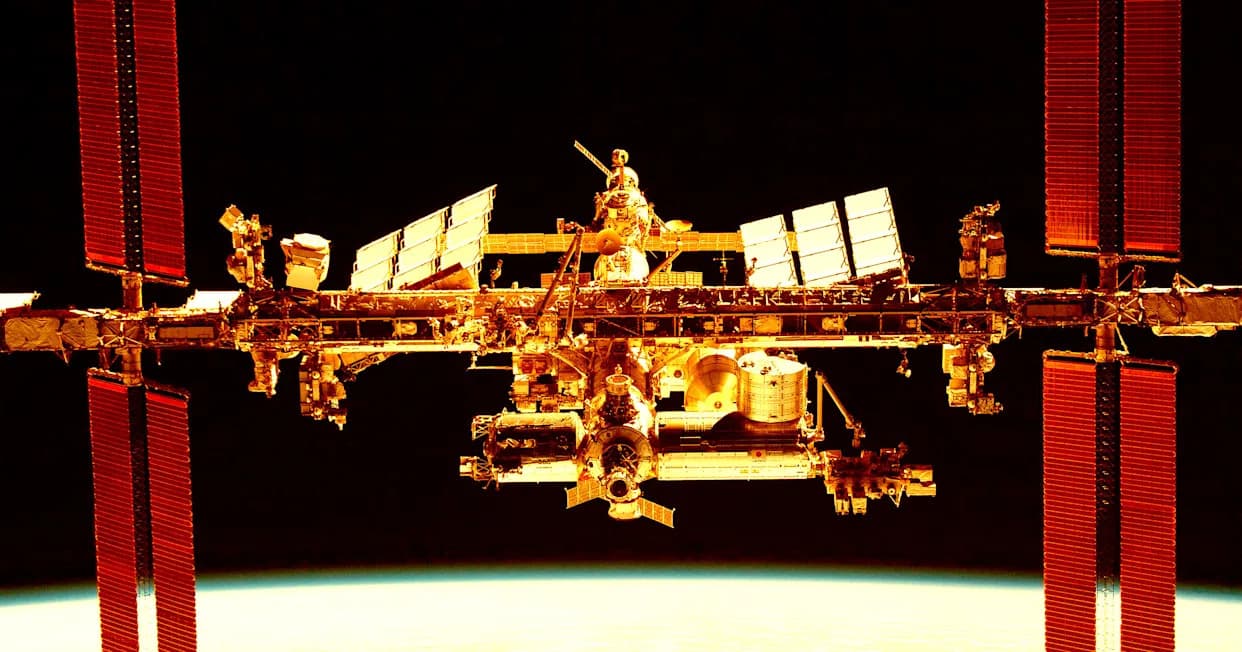
The International Space Station will be guided back to Earth in 2030, marking the end of its three-decade mission (NASA)(NASA/GETTY IMAGES NORTH AMERICA/Getty Images via AFP)
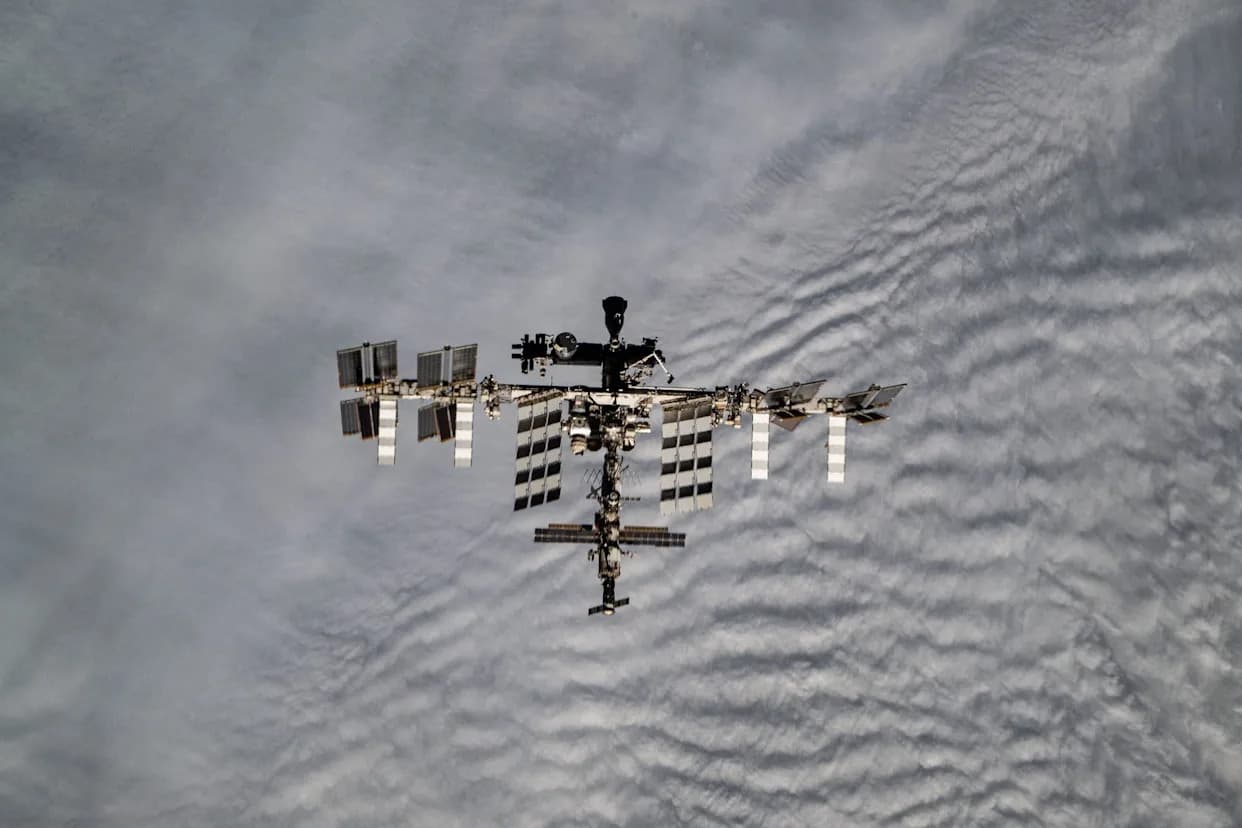
When the International Space Station (ISS) is guided back into Earth's atmosphere in 2030, it will mark the end of nearly 30 years of continuous human presence in low-Earth orbit and a defining era of international collaboration in space.
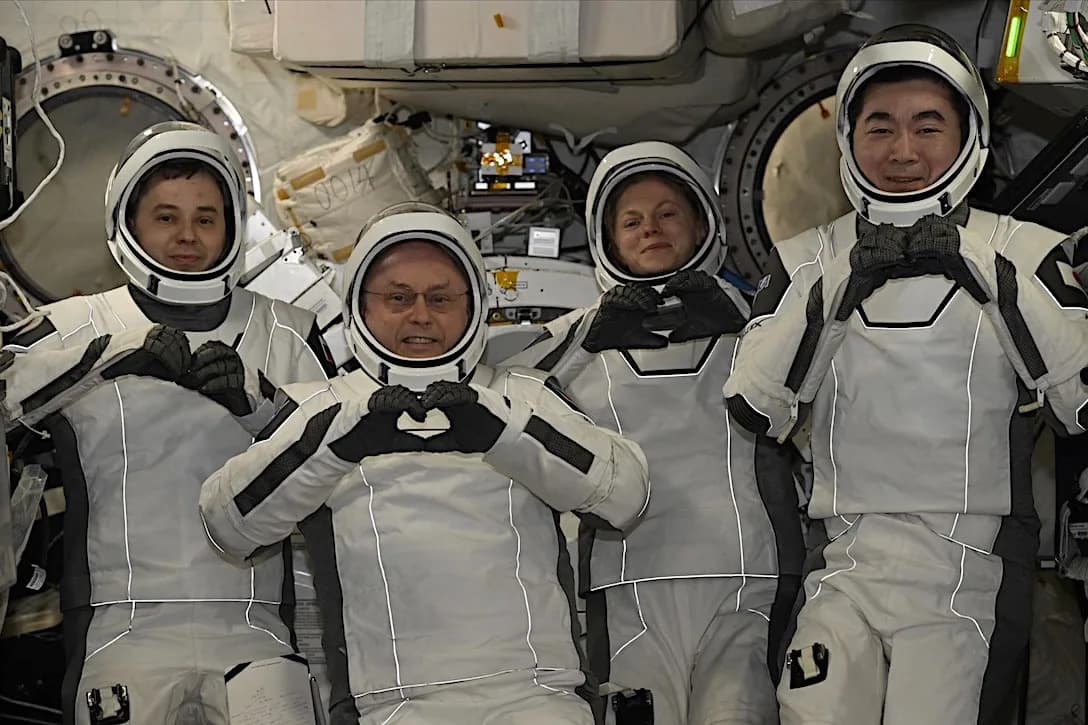
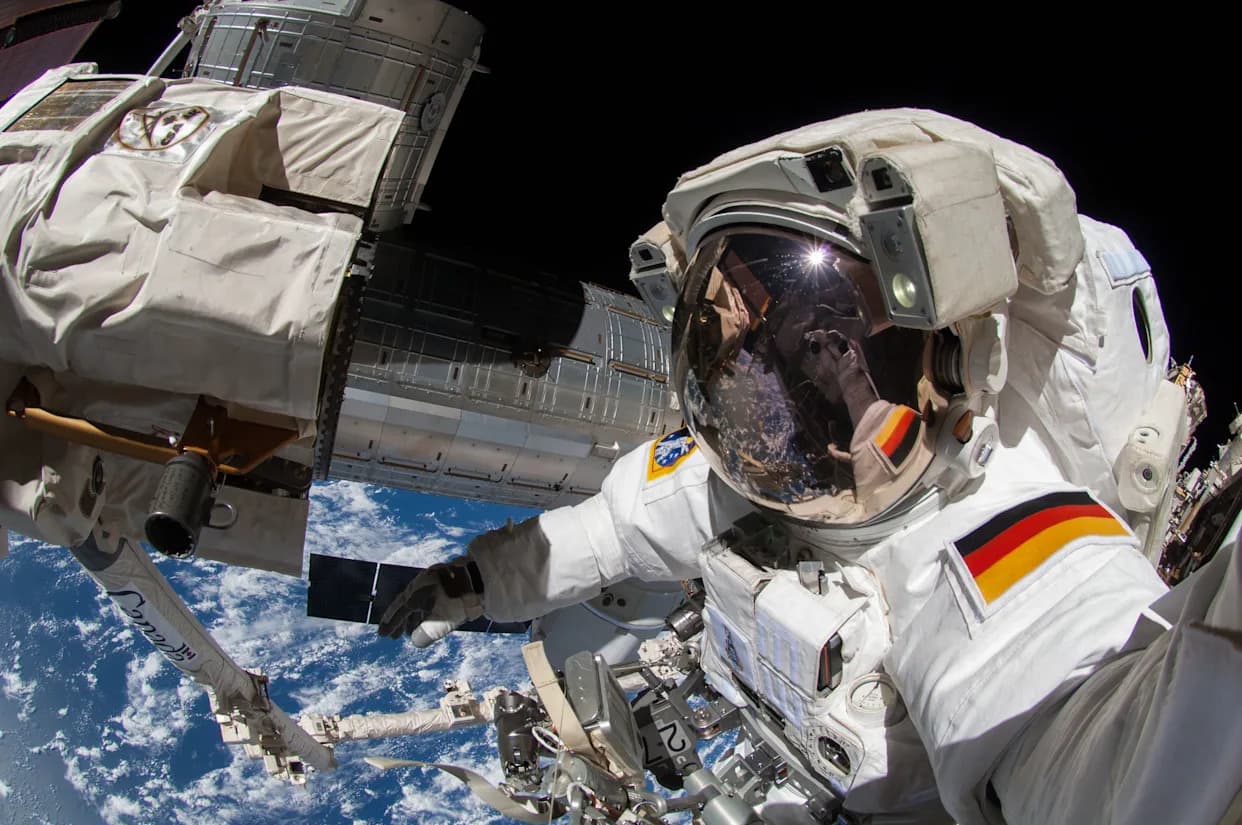
Launched into continuous occupation in November 2000, the ISS — roughly the size of a football field — has circled the planet at about eight kilometres per second, hosting research, technology demonstrations and crews from multiple nations around the clock.
A Symbol of Cooperation
Conceived in the aftermath of the Cold War, the ISS came to symbolize renewed collaboration between former rivals, most notably the United States and Russia. Even as geopolitical ties frayed after Russia's invasion of Ukraine, operational cooperation on board the station largely continued, underscoring how long-term projects in space can transcend terrestrial politics.
"The ISS is a cathedral to human cooperation and collaboration across borders, languages and cultures," said John Horack, former manager of NASA's Science and Mission Systems Office and now the Neil Armstrong Chair in aerospace policy at Ohio State University.
Planned Return To Earth
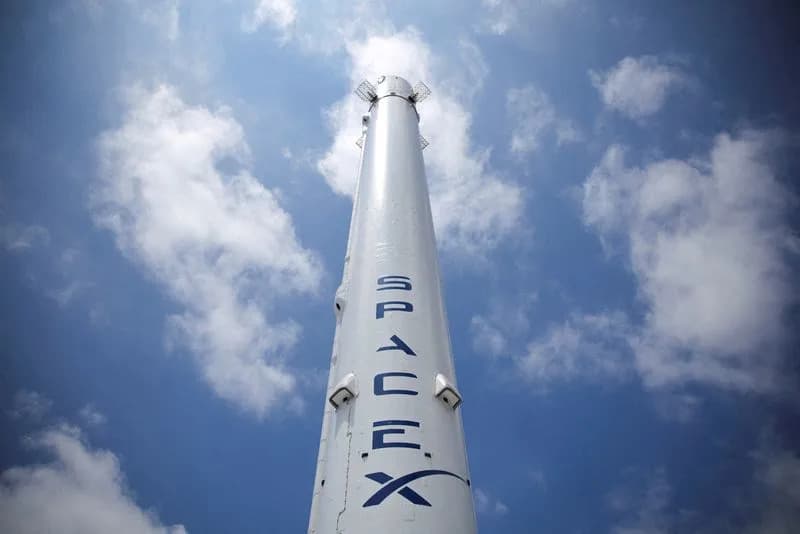
NASA announced a contract selecting SpaceX to develop a propulsion vehicle that will help slow the ISS and steer it into a controlled re-entry over the Pacific Ocean in 2030. The plan is for the station to break up on re-entry and debris to fall into a remote area of the ocean, minimizing risks to people and property.
Controlled de-orbiting of large spacecraft is not new: Russia's Mir station and other orbital hardware were deliberately targeted to remote ocean locations such as the region near Point Nemo, the world’s most remote “spacecraft cemetery.”
What Comes Next
After the ISS is retired, China’s Tiangong will be the only inhabited space station in orbit. The United States and other partners are shifting strategy toward privately built and operated low-Earth orbit platforms, contracting commercial companies to provide accommodation and transport services for government astronauts and research.
Several private firms, including Axiom Space and Blue Origin, are developing commercial station concepts. Proponents argue this transition will open new commerce, research and educational opportunities in orbit while allowing national agencies to focus on exploration beyond low-Earth orbit.
A Bittersweet Legacy
For many involved, the ISS’s end is emotional. Horack noted its role in everyday life for some families — children watching the station pass overhead — and described the retirement as "quite sad". At the same time, experts say the retirement closes one chapter and begins another, with new commercial models and renewed focus on deep-space exploration.
"We must grow as humans in our space-faring capacity, in our exploration of space, and in the use of space to generate social, economic, educational and quality of life outcomes for all people everywhere," Horack said, echoing a broader vision for the next era of human activity in space.
Looking forward: The ISS leaves a legacy of scientific achievement and multinational partnership. How future treaties and collaborations adapt as activities expand to the Moon and beyond remains an open question — one that will shape whether space continues to be a venue for cooperation or competitive national projects.
Help us improve.