Researchers report that the Milky Way and its neighbors may lie within a vast, flat dark matter structure stretching millions of light-years, according to a new study in Nature Astronomy. Constrained cosmological simulations initialized from the cosmic microwave background reproduce observed galaxy motions only if the Local Group sits inside this sheet. In a sheet geometry, mass at large distances alters the velocity–distance relation and can help explain why Andromeda is moving toward the Milky Way. The finding suggests new observational tests to map dark matter on local scales.
Milky Way May Lie in a Colossal Dark Matter 'Sheet' — New Study Explains Andromeda's Motion
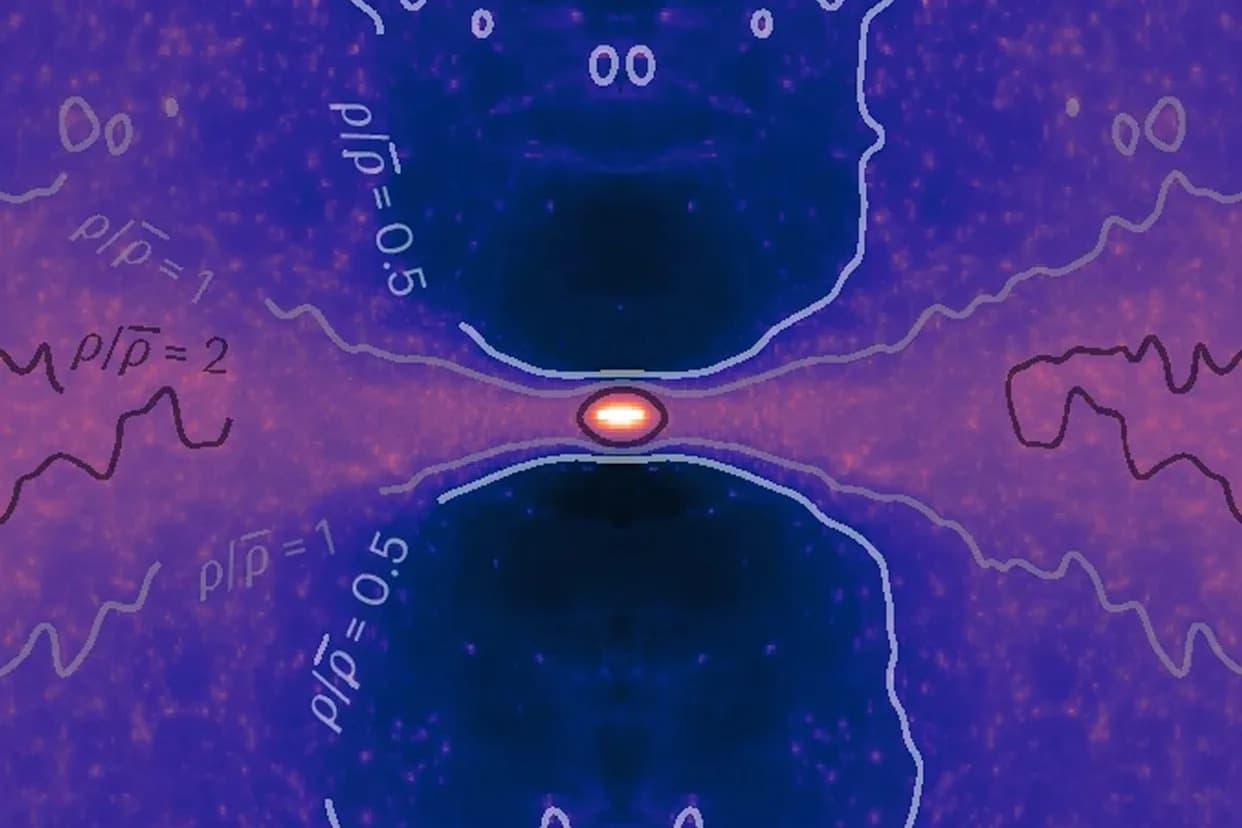
Wempe et al.
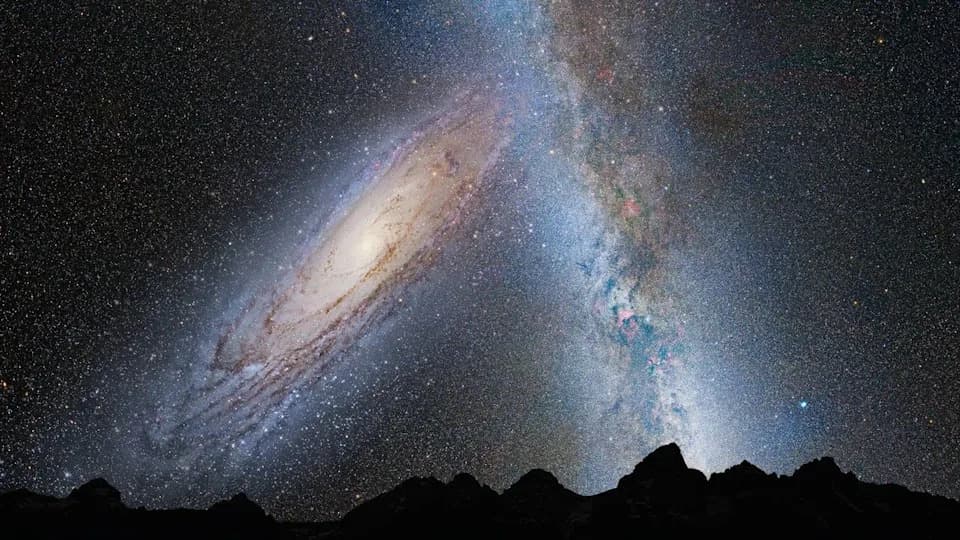
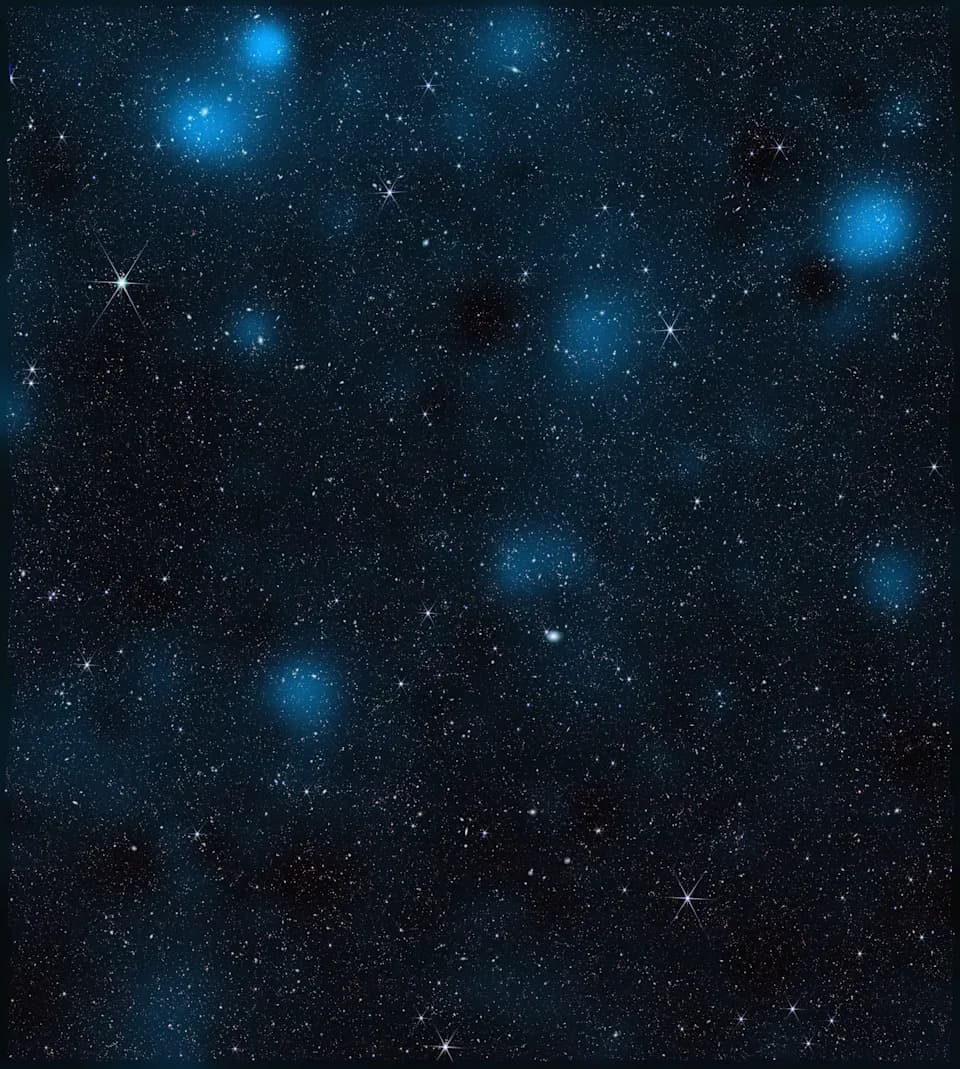
New research suggests the Milky Way — and the broader assembly of galaxies known as the Local Group — may be embedded in an enormous, flattened "sheet" of dark matter stretching millions of light-years and bordered on both sides by cosmic voids. The finding, reported in Nature Astronomy, offers a possible explanation for puzzling local motions, including why the Andromeda Galaxy is moving toward us while most distant galaxies recede.
How the Team Tested the Idea
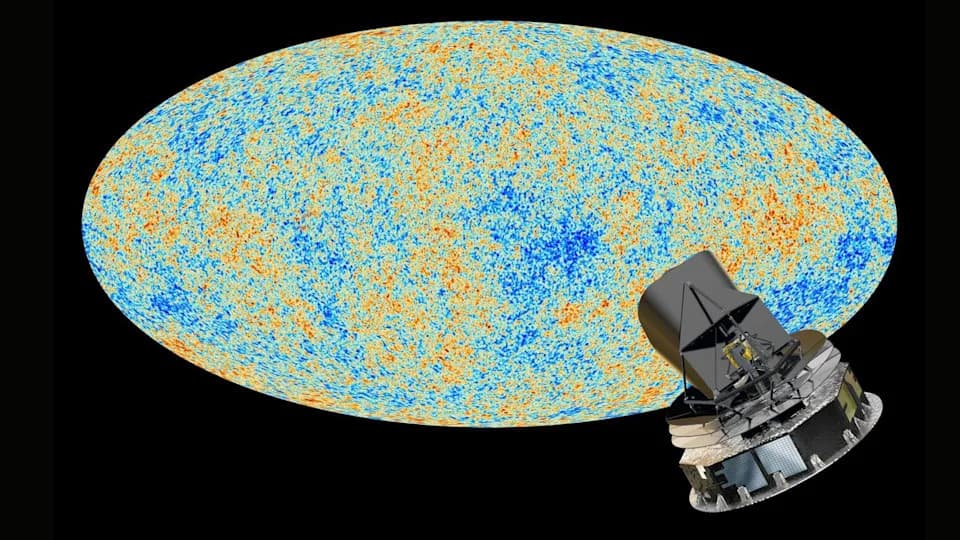
The authors built a "virtual twin" of the Local Group by running constrained cosmological simulations initialized from conditions inferred from the cosmic microwave background (the relic radiation from the Big Bang). They evolved these initial states forward to generate synthetic versions of the Local Group and dozens of nearby galaxies, then compared the simulated positions and velocities with real observations. The close match indicated their reconstruction captured key aspects of our local cosmic history.
Why a Sheet of Dark Matter Matters
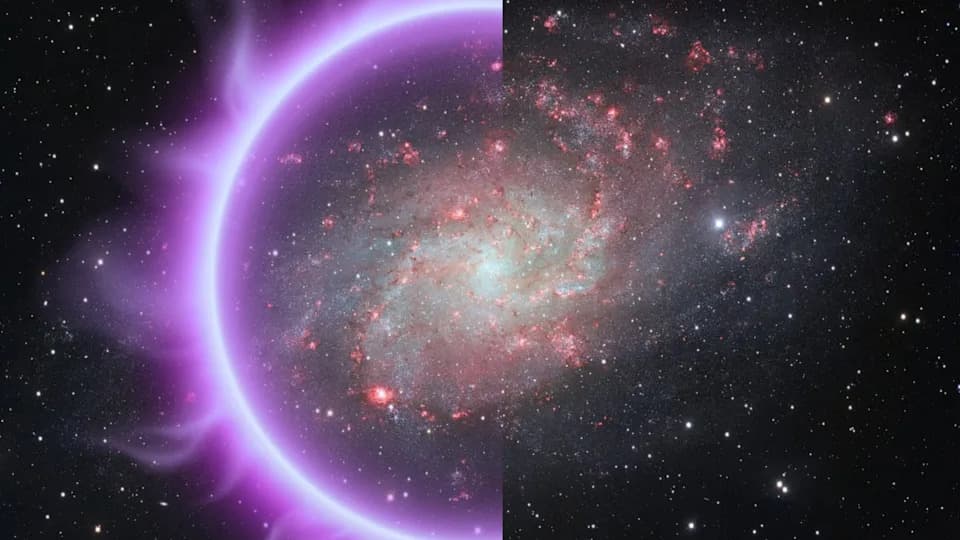
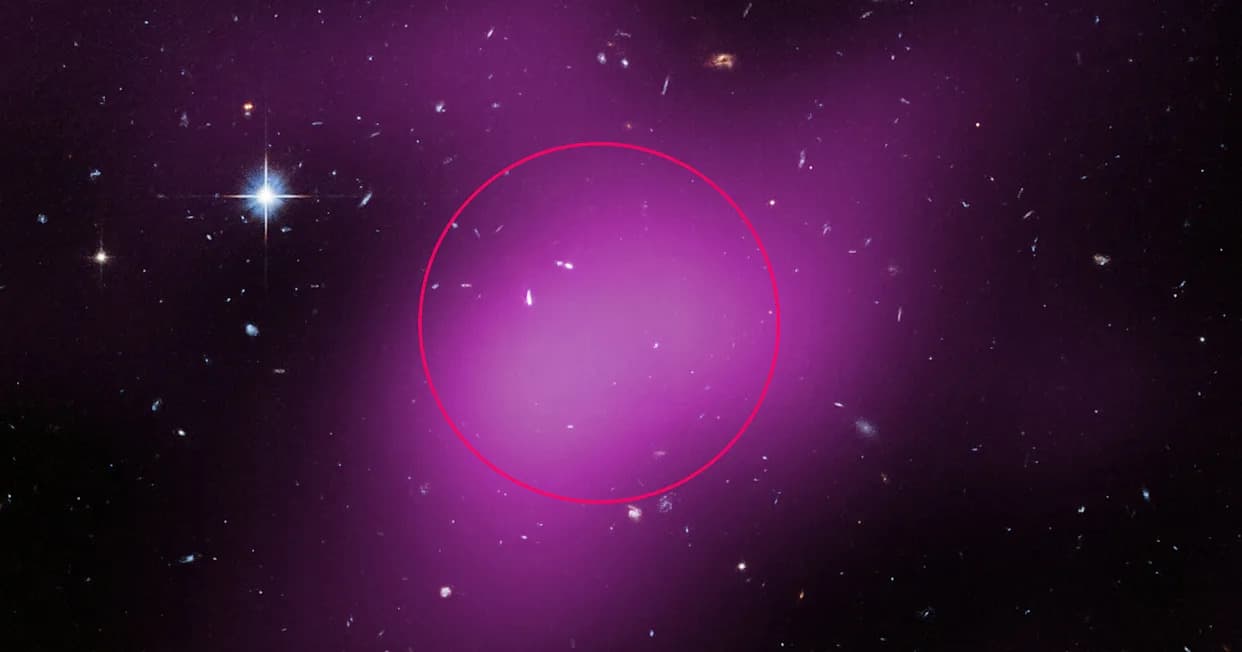
Dark matter — the invisible component thought to comprise roughly 85% of the universe's mass — is normally modeled as clumpy, roughly spherical halos surrounding galaxies. The new simulations reproduce the observed motions only when the Local Group sits inside a vast, planar concentration of dark matter. In that geometry, the velocity–distance relation depends not only on the mass enclosed within a radius (as in a spherical case) but also on mass distributed at much larger distances across the sheet. Mass near the sheet's edges can tug galaxies slightly outward, while the voids beyond the plane exert little opposing pull.
"We are exploring all possible local configurations of the early universe that ultimately could lead to the Local Group," said study lead author Ewoud Wempe of the Kapteyn Institute in Groningen. "It is great that we now have a model consistent with the cosmological framework and with the dynamics of our local environment."
Implications and Next Steps
If confirmed, a sheet-like dark matter structure would reshape how astronomers interpret local galaxy motions and the distribution of dark matter on multi–million–light-year scales. The result suggests new observational tests — for example, refined maps of galaxy velocities and gravitational effects in the Local Volume — that could confirm or refute the sheet geometry. The authors emphasize this is a first, localized reconstruction of dark matter distribution and velocity in our neighborhood, and further work will be required to establish how common such planar structures are across the cosmos.
What This Does Not Mean: The study does not change the evidence for dark matter itself or its approximate contribution to cosmic mass; it proposes a different large-scale geometry for how dark matter may be arranged around our Local Group.
Help us improve.