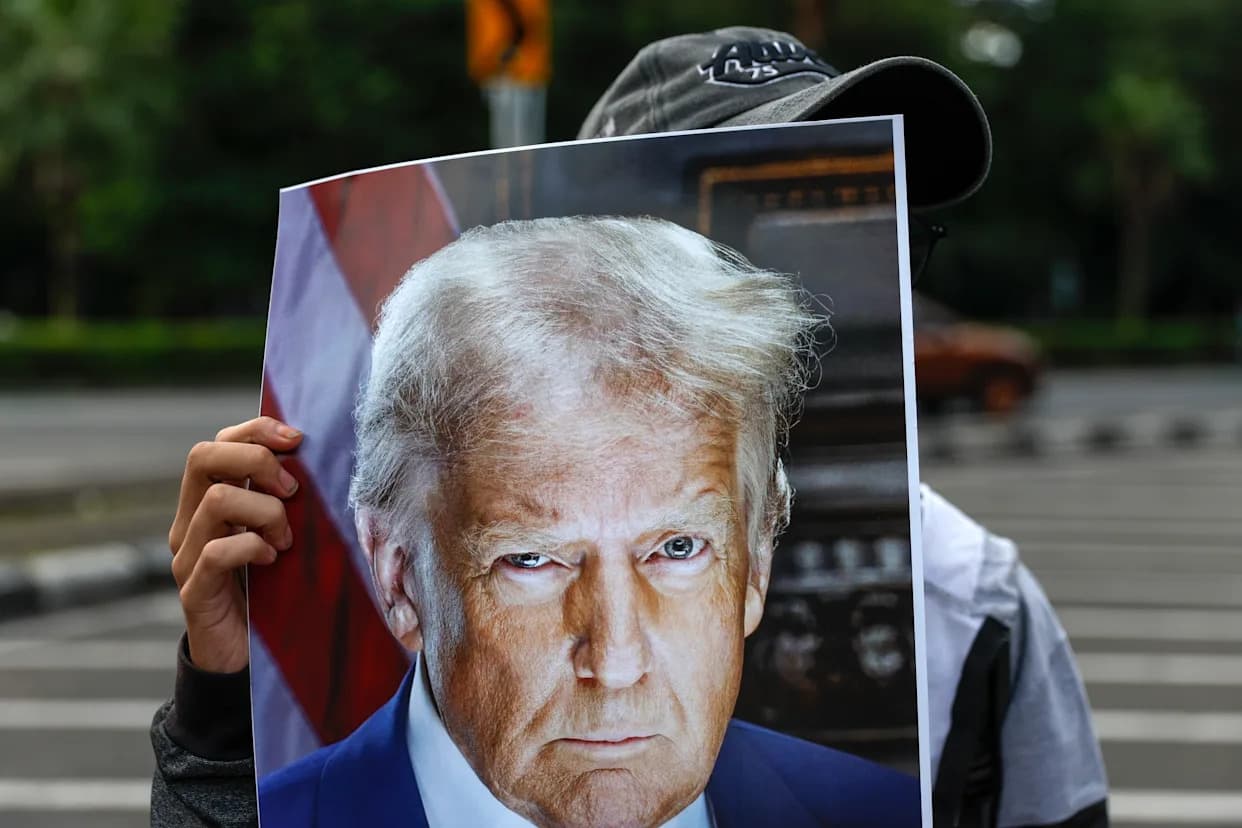
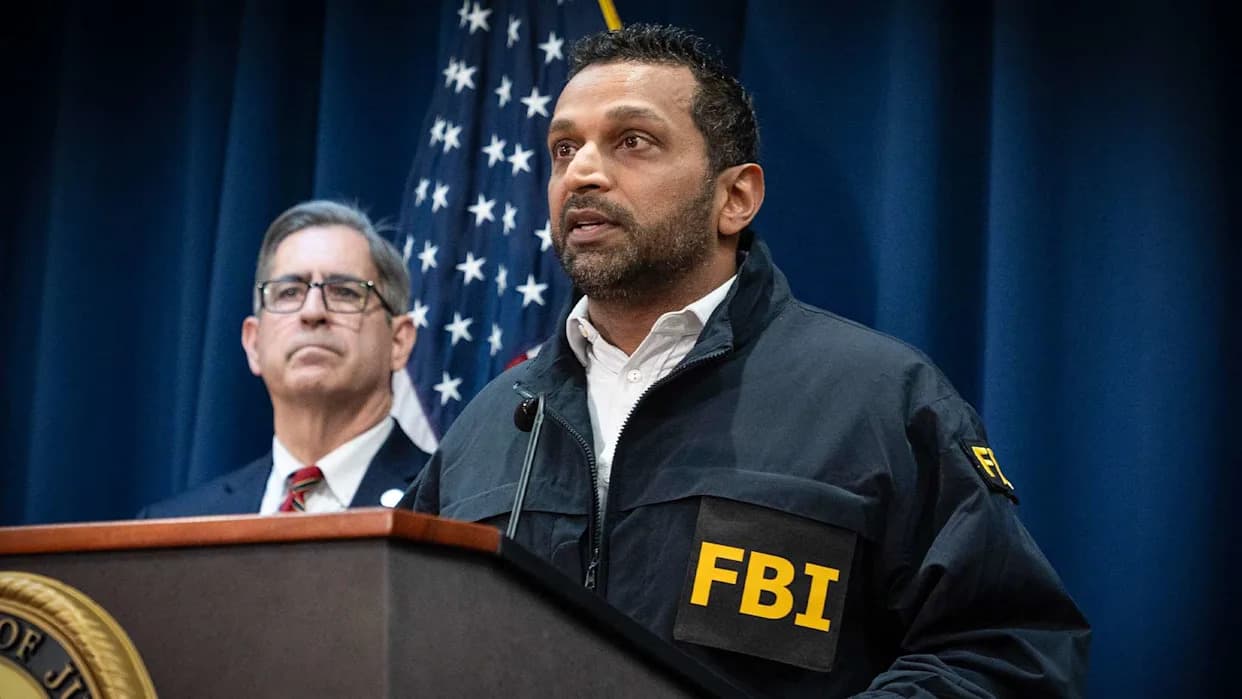
The FBI director, Kash Patel, announced a probe into a Signal group that shared locations of ICE officers, a practice the administration has labeled "doxing." Civil-rights experts, including FIRE’s Aaron Terr, say sharing legally obtained information about ICE deployments is generally protected by the First Amendment and serves legitimate functions like protest and documentation. Legal exceptions to free speech are narrow and require proof of threats, incitement to imminent lawless action, or conspiracy; critics say no such evidence has been shown. Public discussion of the investigation without a clear legal basis risks chilling lawful protest and information-sharing.
FBI Probes Signal Group Tracking ICE Agents — Free Speech Experts Warn of Chilling Effect
Group Chats About ICE Whereabouts Are Protected Speech. The FBI Is Investigating Anyway.
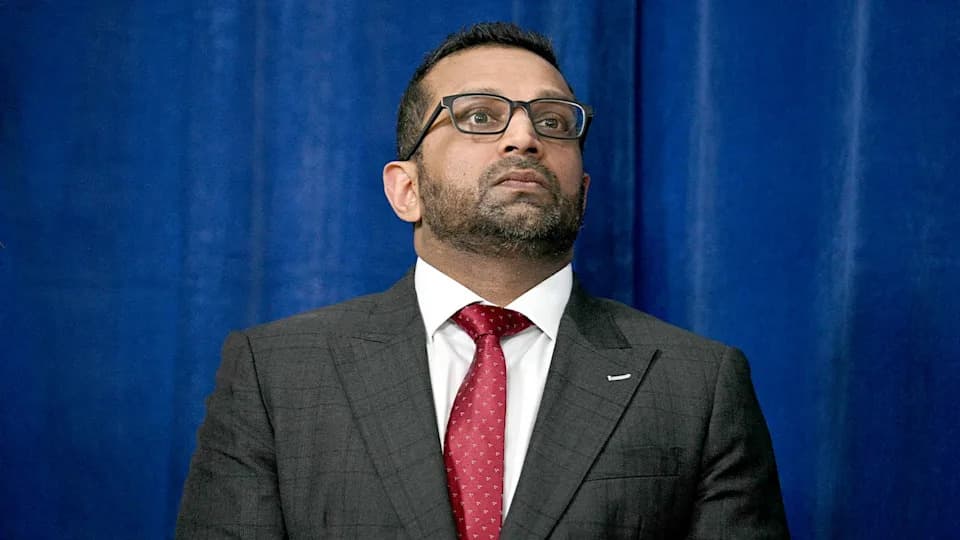
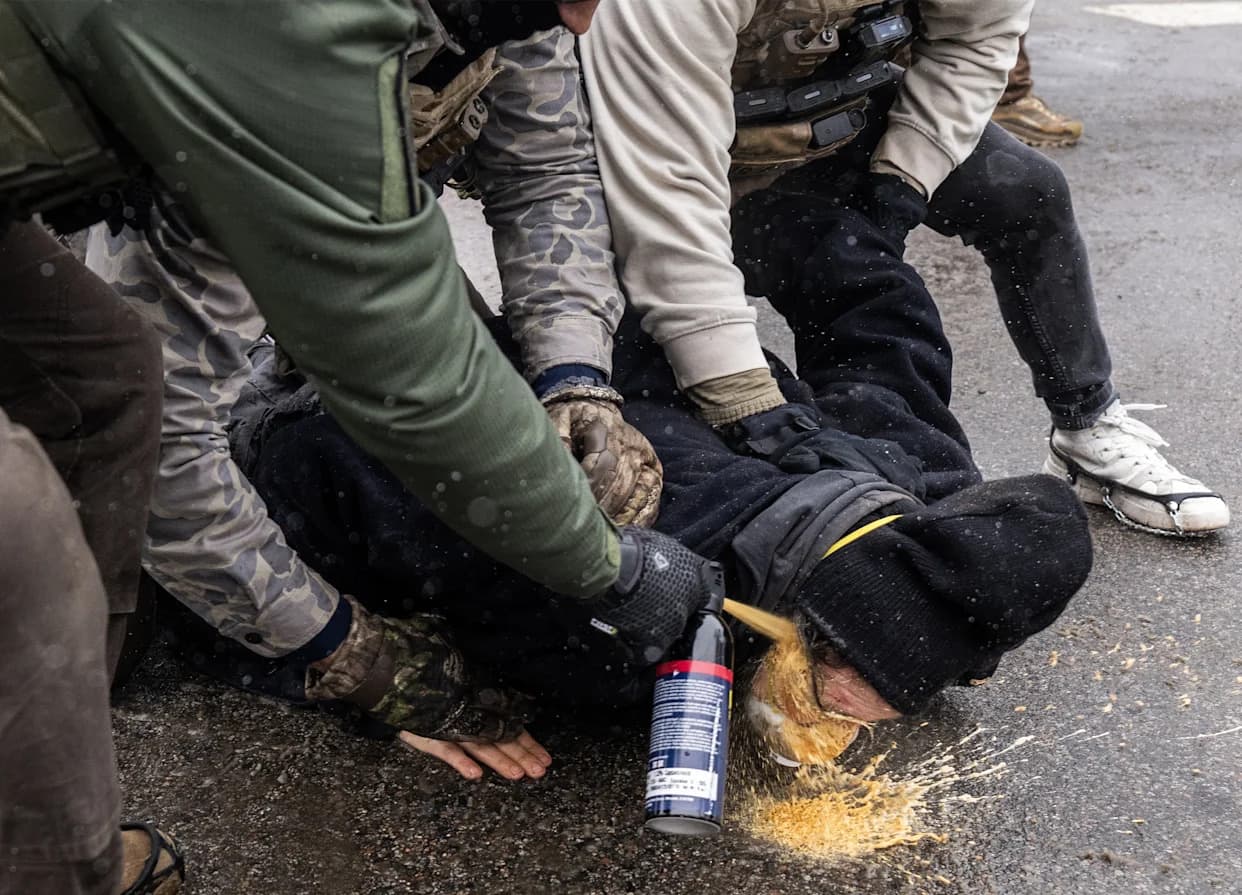
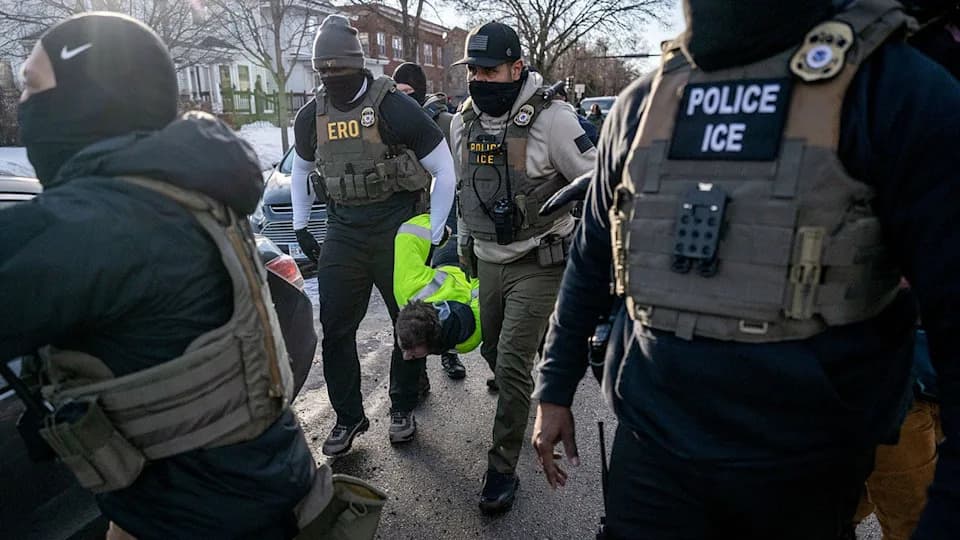
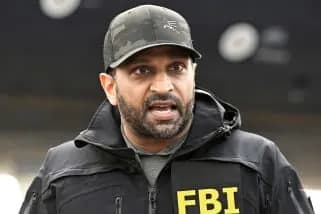
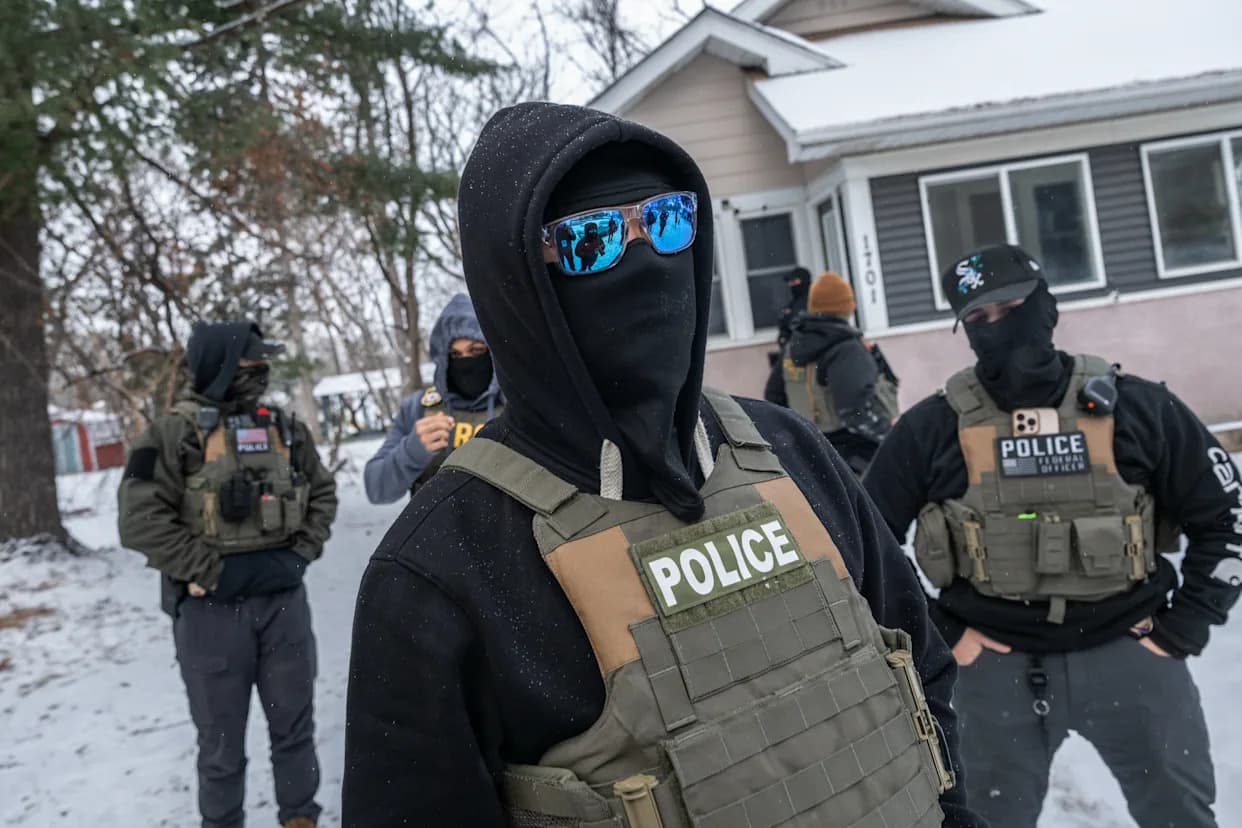
FBI Director Kash Patel said the bureau is investigating a Signal group in which participants discussed the locations and movements of Immigration and Customs Enforcement (ICE) officers — an inquiry that civil-liberties advocates say risks chilling constitutionally protected speech.
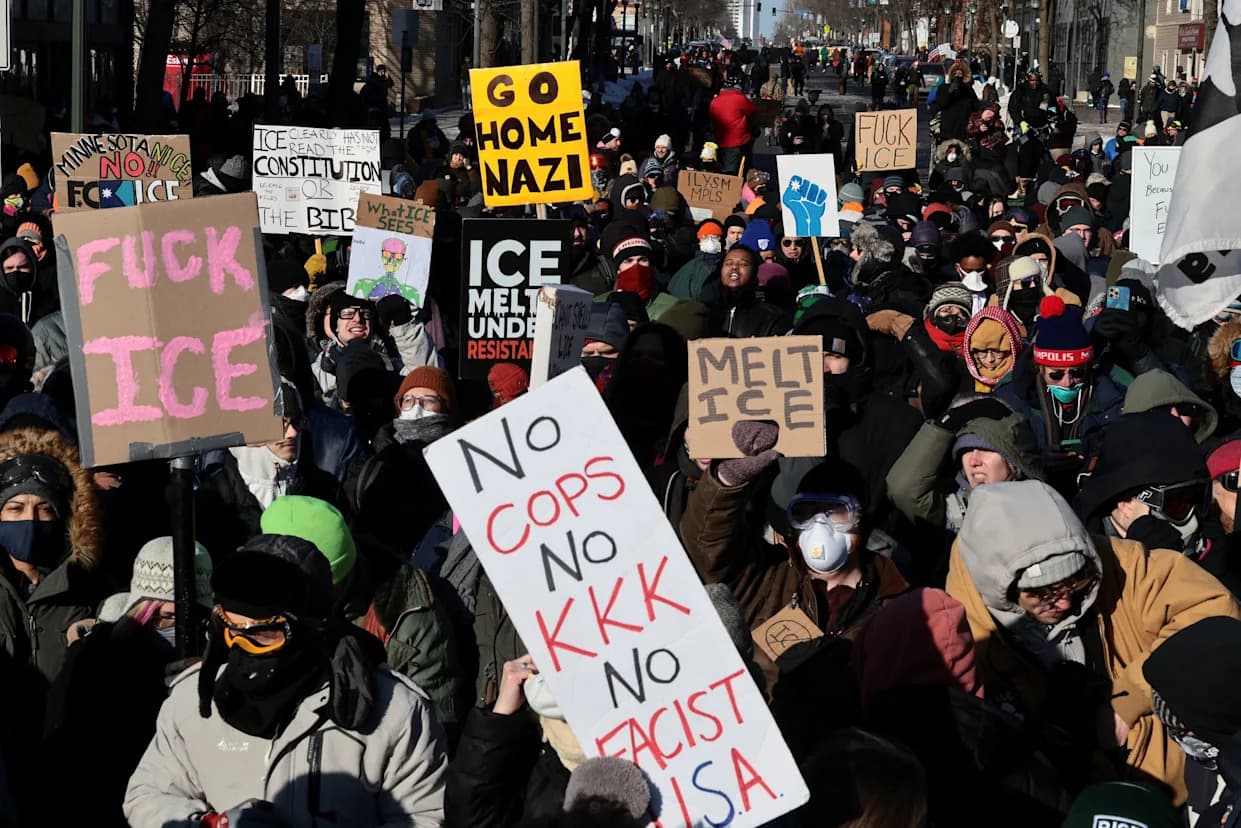
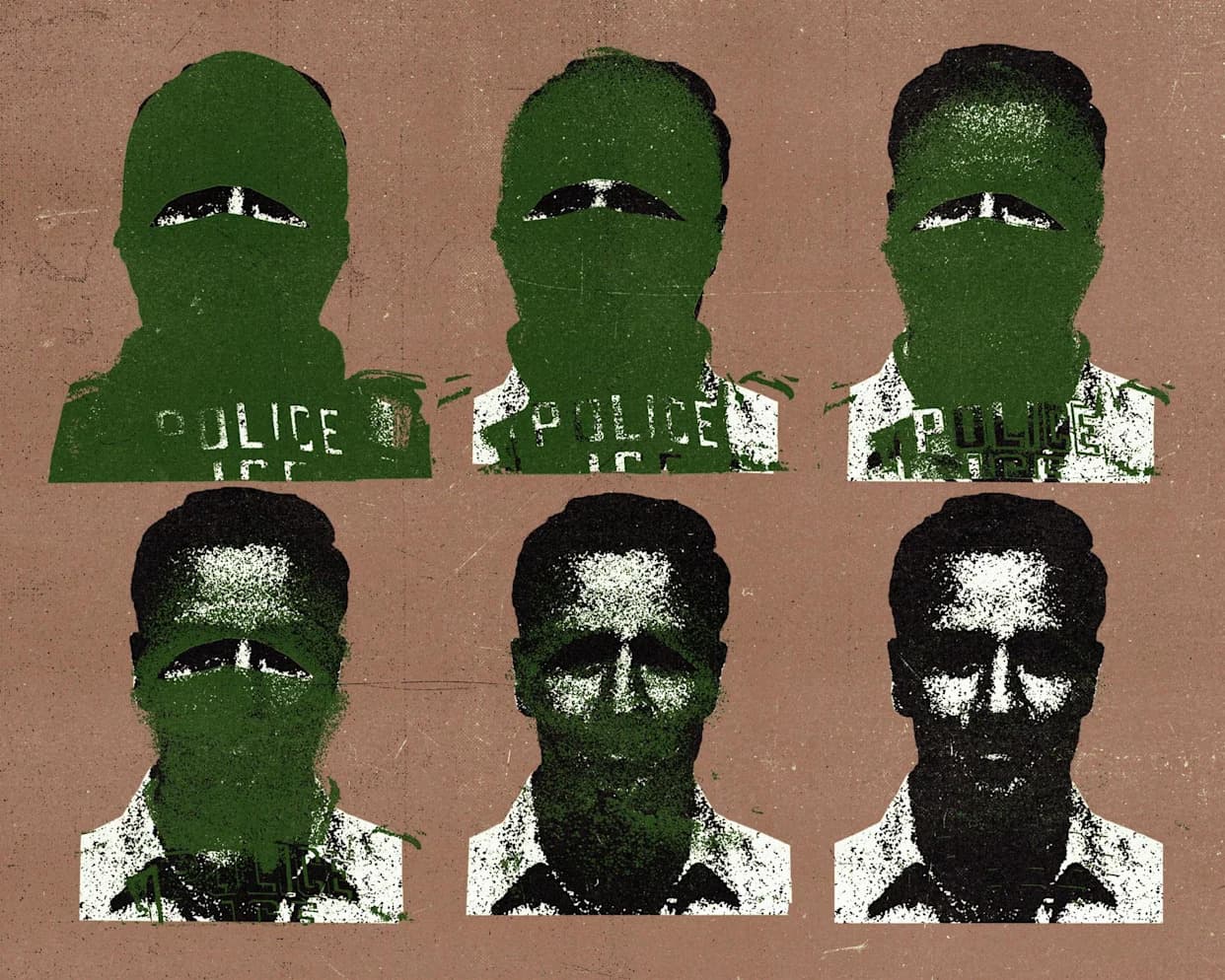
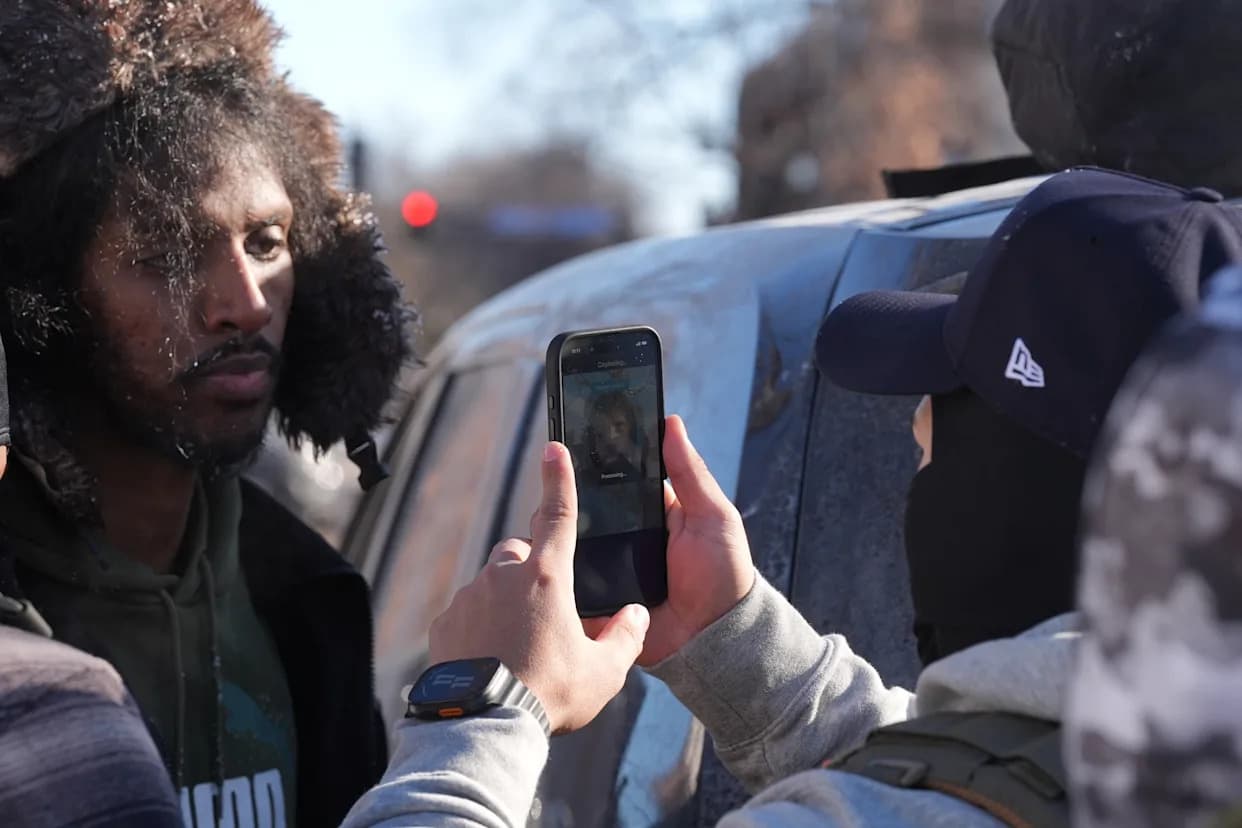
Patel disclosed the probe during an appearance on conservative podcaster Benny Johnson’s show, saying the bureau was examining messages in a group chat about where ICE agents were operating. The Trump administration has characterized the sharing of such information as "doxing," a term usually reserved for publishing personal identifiers or private addresses online with malicious intent. But many observers note there are lawful, common reasons for sharing ICE locations: to protest, to document government action, or to avoid encounters with immigration officers.
What Free-Speech Experts Say
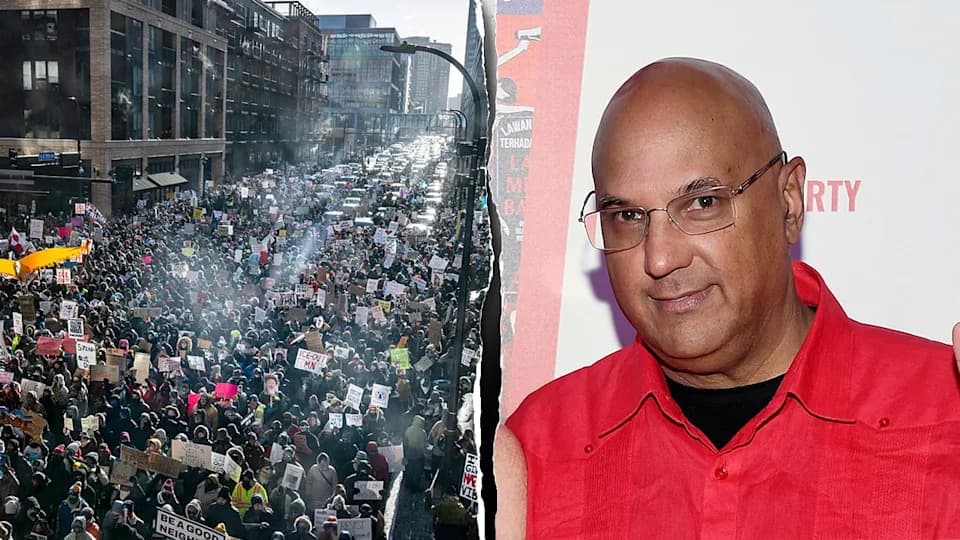
"There does not appear to be any lawful basis for this investigation," said Aaron Terr, director of public advocacy at the Foundation for Individual Rights and Expression (FIRE). "The First Amendment generally protects the publication of legally obtained information, including much of what the Trump administration has labeled 'doxxing.' That protection extends to using an app to share information about ICE activity."
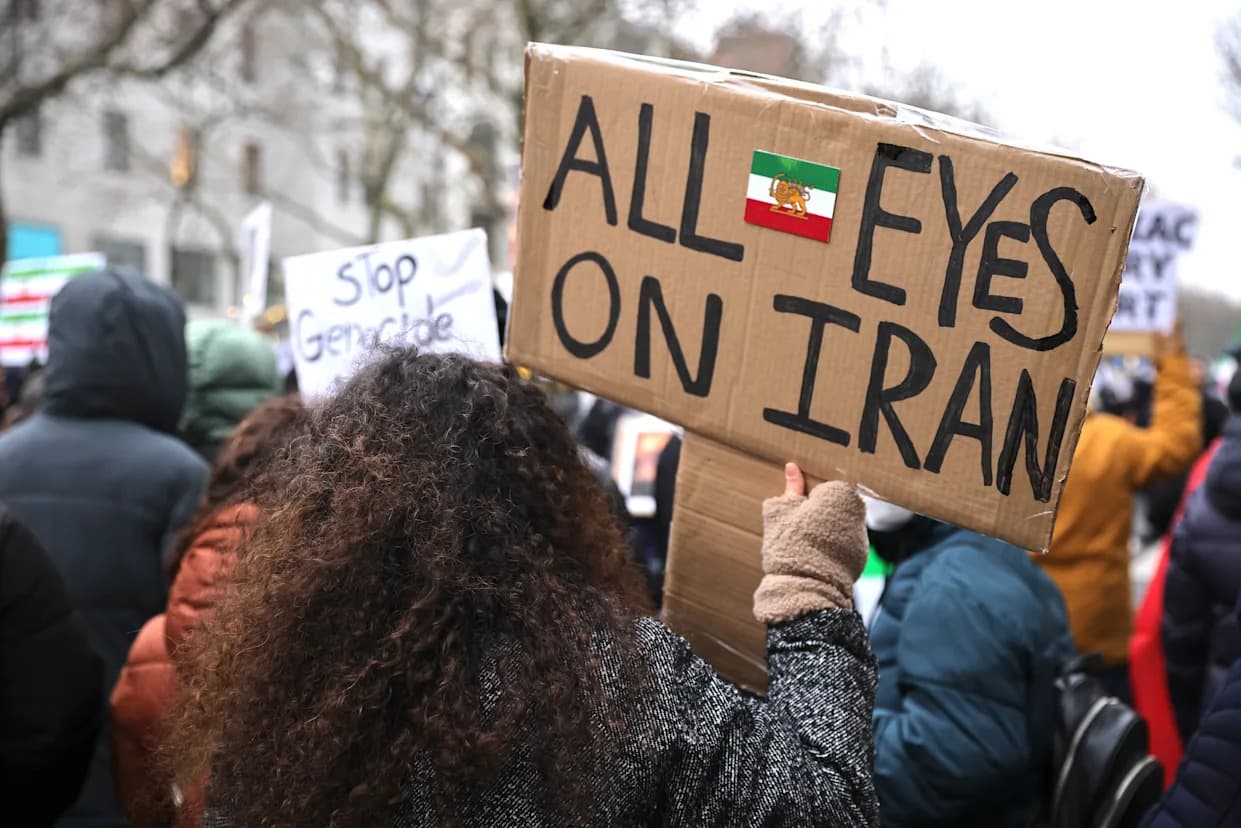
Legal scholars emphasize that the First Amendment protects peaceful protest and the dissemination of lawfully obtained information. Exceptions to free-speech protections are narrow: true threats, speech intended and likely to produce imminent lawless action, or criminal conspiracy backed by evidence of an agreement and a substantial step toward committing a crime. FIRE and others say publicly available Signal messages released so far do not show those elements.
Where Speech Ends and Crime Begins
Patel warned that sharing locations could create scenarios that "illegally entrap and put law enforcement in harm's way," linking location-sharing to potential violence. Advocates counter that the illegal act would be planning or committing violence, not merely discussing or sharing where agents are. Even if someone later used location details to commit a crime, that would not retroactively criminalize ordinary information-sharing unless there is clear evidence of an agreement to commit an unlawful act.
Patel also weighed in on armed protesters, saying it can be acceptable to bring a firearm to a demonstration "as long as you don't incite violence or commit another crime in doing so," but questioning the prudence of doing so in a volatile situation. Civil-liberties advocates warn that framing armed self-defense by civilians as inherently suspicious risks privileging state actors' ability to bear arms while stigmatizing those who seek protection.
Broader Political Context And Concerns
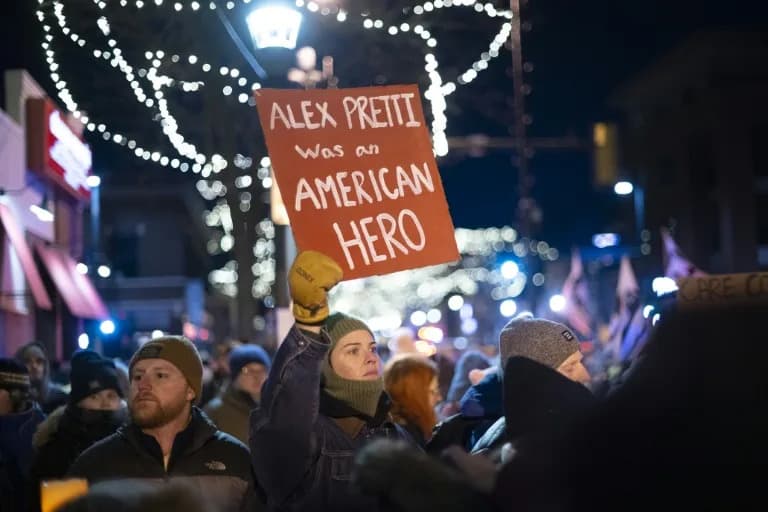
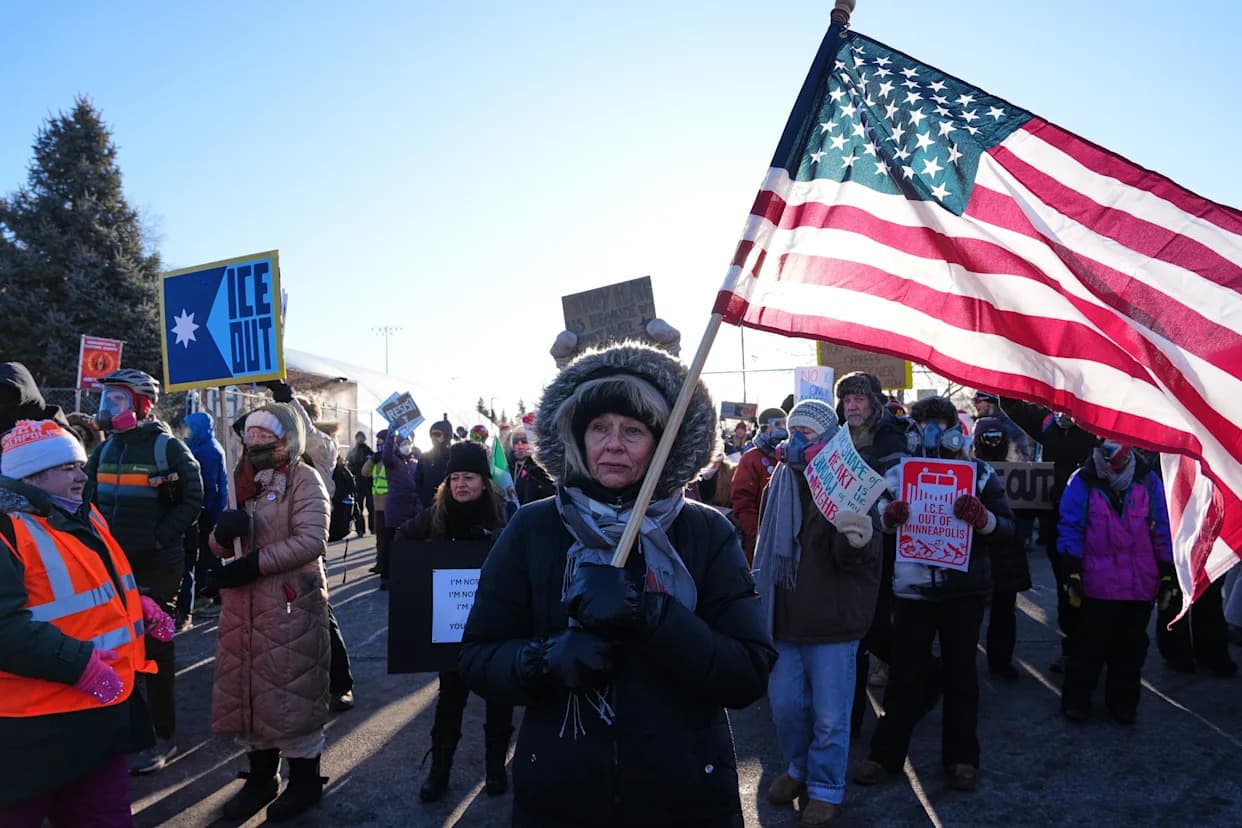
The administration’s rhetoric — framing protest activity as "left-wing agitation" or even "domestic terrorism" — has intensified concerns that lawful dissent is being delegitimized. NBC News reported that Patel did not specify which laws Minnesota residents in the Signal group might have violated, and an FBI spokesperson said the bureau had no further information to provide.
Observers say a measured, evidence-driven criminal investigation into genuine wrongdoing involving messaging apps would be within law-enforcement norms. What alarms critics is the publicizing of an investigation without stated legal justification, which they view as an attempt to intimidate communities, deter civic monitoring of government activity, and chill free speech.
Bottom line: Discussing or sharing the locations of ICE officers generally falls within First Amendment protections. Absent clear evidence of a true threat, imminent incitement, or a conspiratorial agreement backed by overt acts, public officials' characterization of such activity as criminal risks undermining core civil liberties.
Help us improve.