The FBI has launched an investigation into allegations that anti-ICE activists in Minneapolis used Signal group chats to track and impede federal agents after a viral X thread by journalist Cam Higby. Director Kash Patel warned arrests could follow if investigators find violations such as doxxing or threats. Free-speech advocates urge caution, noting that sharing information about law enforcement can be legitimate and must be carefully distinguished from criminal conduct.
FBI Probes Alleged Minneapolis Signal Chats Tracking ICE Agents; Patel Warns Arrests Possible
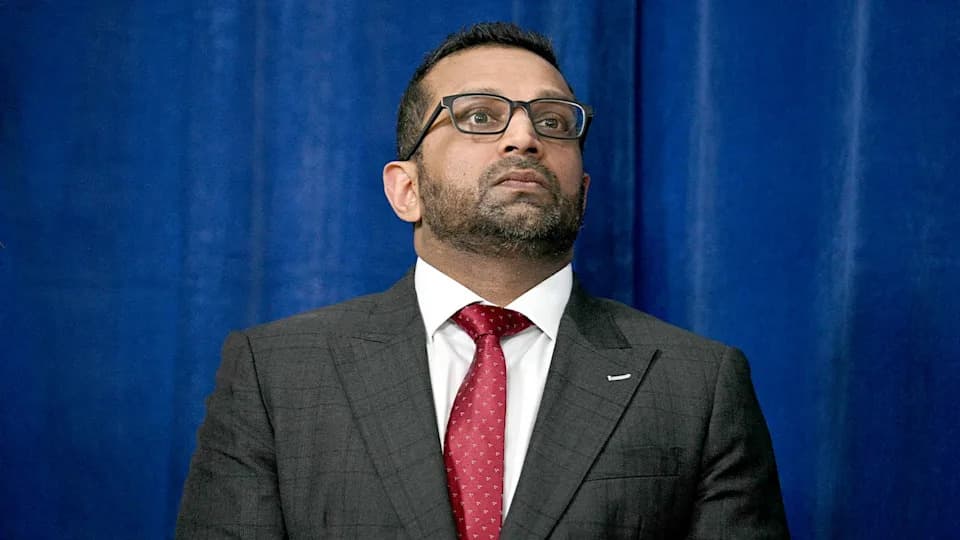
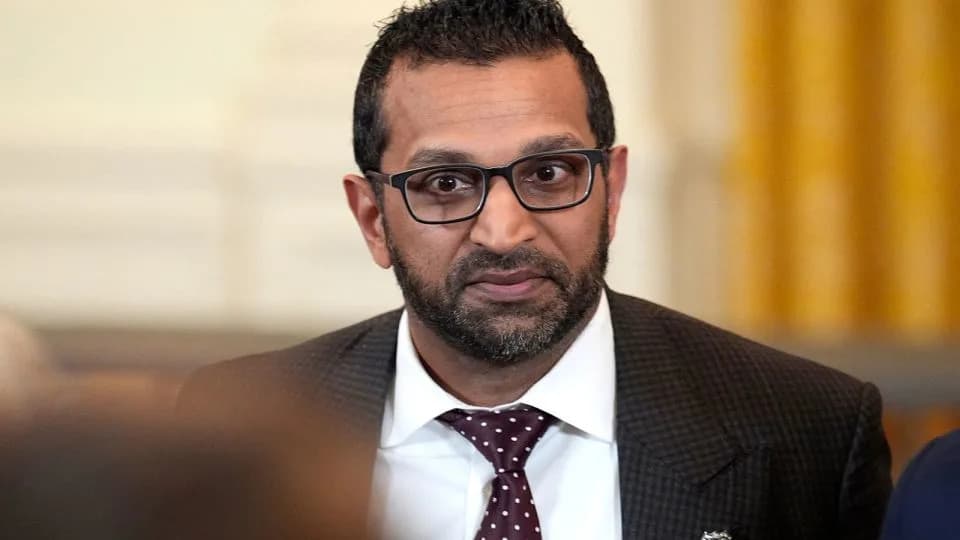
FBI Director Kash Patel looks on as President Donald Trump speaks to the press after U.S. military actions in Venezuela at Trump’s Mar-a-Lago residence in Palm Beach, Florida, on Jan. 3, 2026.(Getty Images)
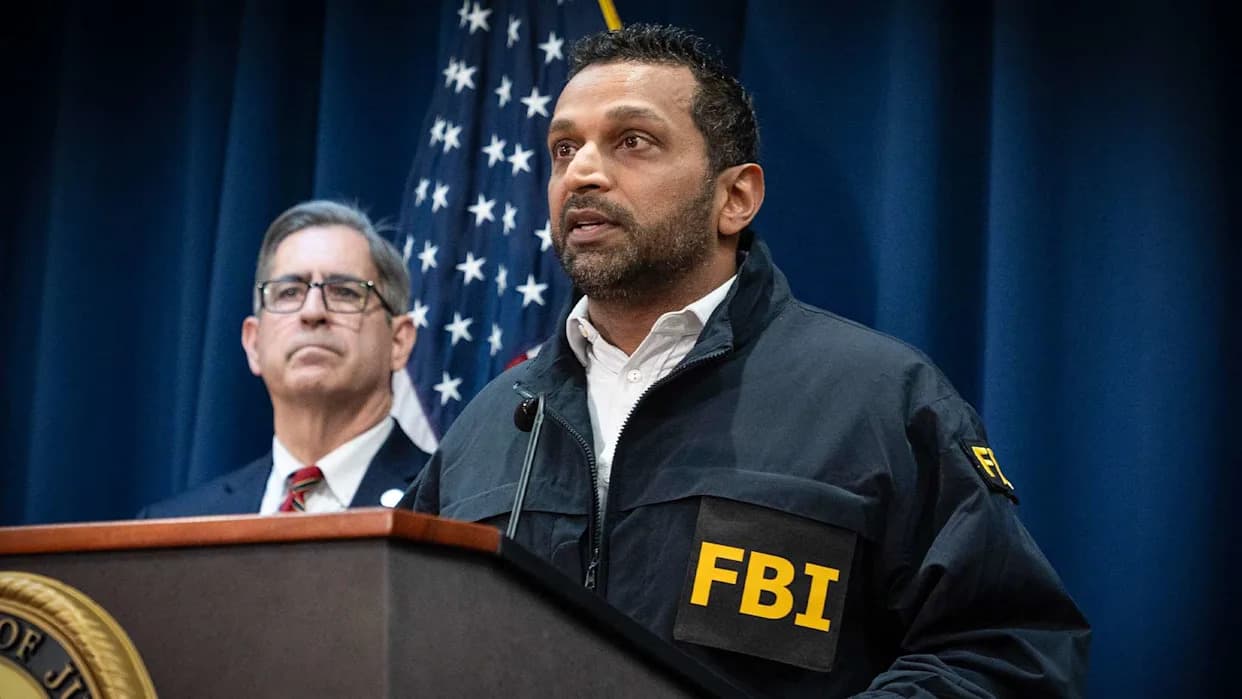
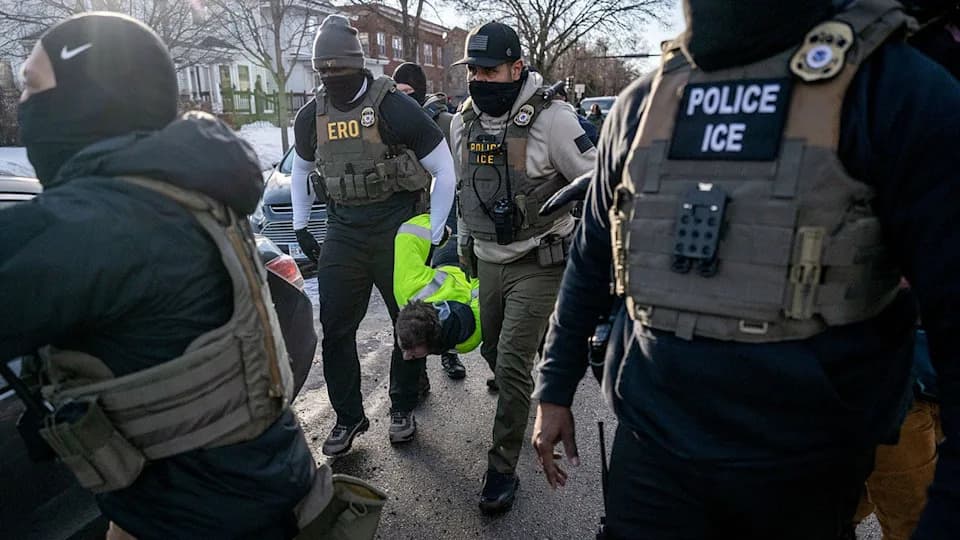
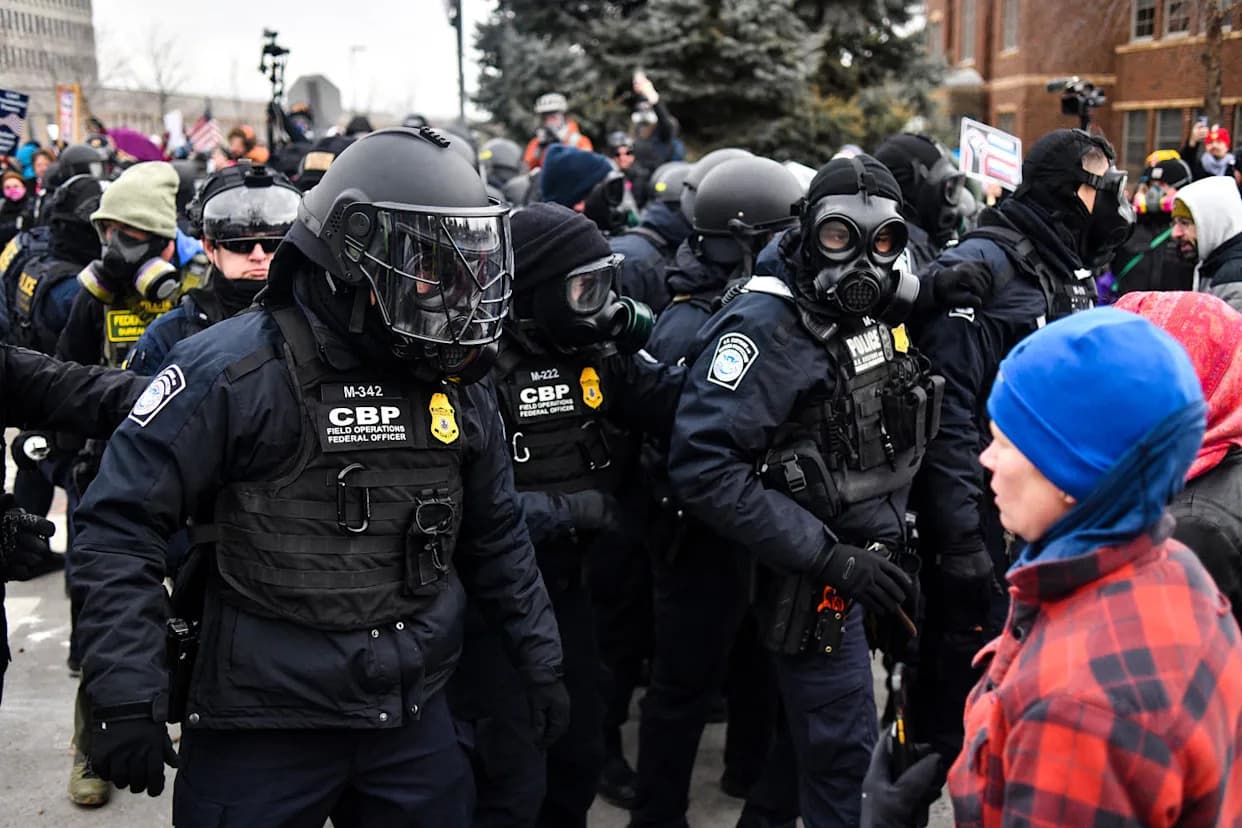
The FBI has opened an investigation into reports that anti-Immigration and Customs Enforcement (ICE) activists in Minneapolis used coordinated Signal group chats to monitor, identify and potentially impede federal law enforcement officers, FBI Director Kash Patel said Monday.
Investigation Background
Patel told conservative commentator Benny Johnson that the inquiry began after independent reporter Cam Higby posted a widely shared thread on X alleging that users of the encrypted messaging app were exchanging real-time information about agents’ movements. Higby said he "infiltrated" multiple Signal groups over several days and documented what he described as organized efforts to identify suspected federal vehicles, share license-plate numbers and direct members to locations where ICE agents were believed to be operating.
Patel's Statement
“We immediately opened up that investigation because that sort of Signal chat being coordinated with individuals, not just locally in Minnesota, but maybe even around the country — if that leads to a break in the federal statute or a violation of some law, then we are going to arrest people,” Patel said. He added, “You cannot create a scenario that illegally entraps and puts law enforcement in harm's way.”
Free-Speech Concerns
The probe has drawn concern from civil-liberties and free-speech advocates who emphasize that sharing information about law enforcement activity is not inherently illegal. Aaron Terr, director of public advocacy at the Foundation for Individual Rights and Expression, told NBC News there are legitimate reasons to share such information, including documenting law enforcement activity and holding officials accountable for misconduct. He cautioned that investigations like this require careful scrutiny to avoid chilling protected speech.
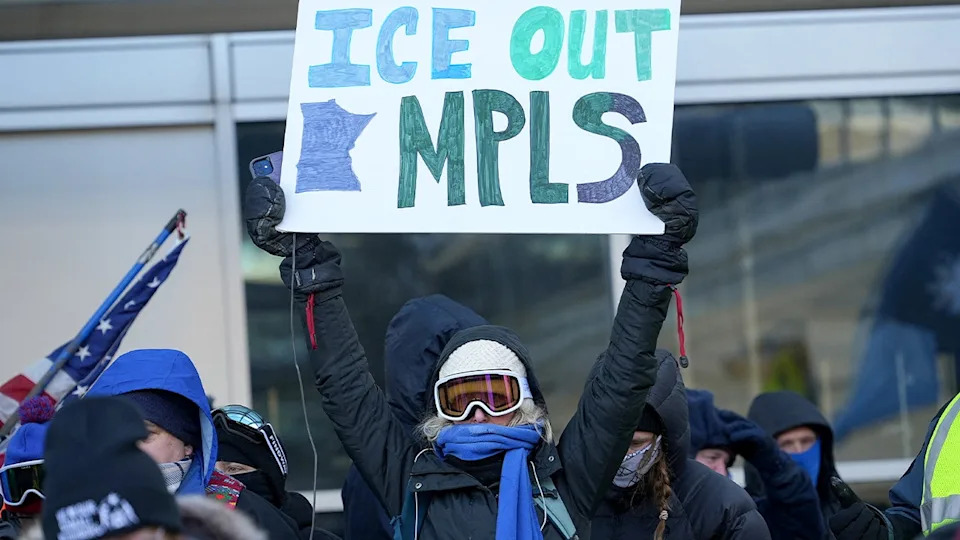
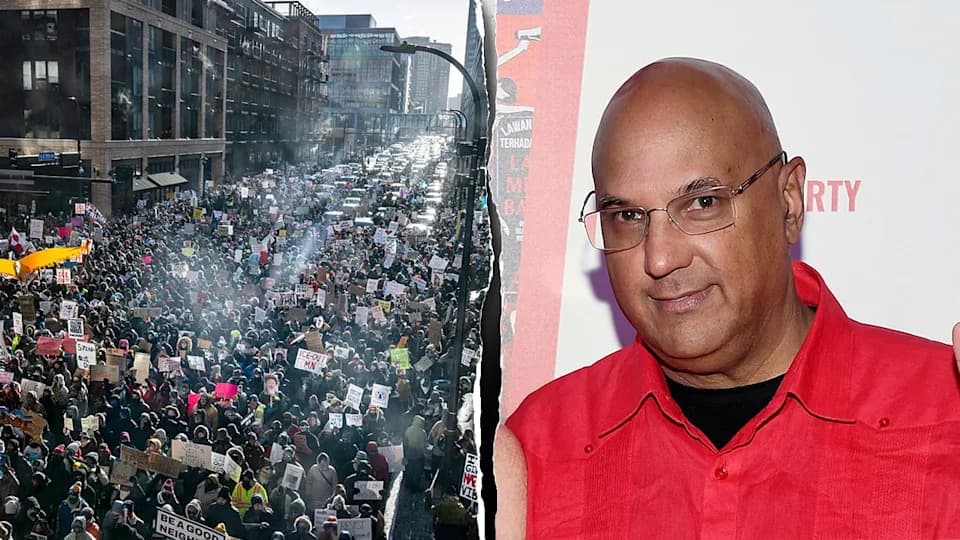
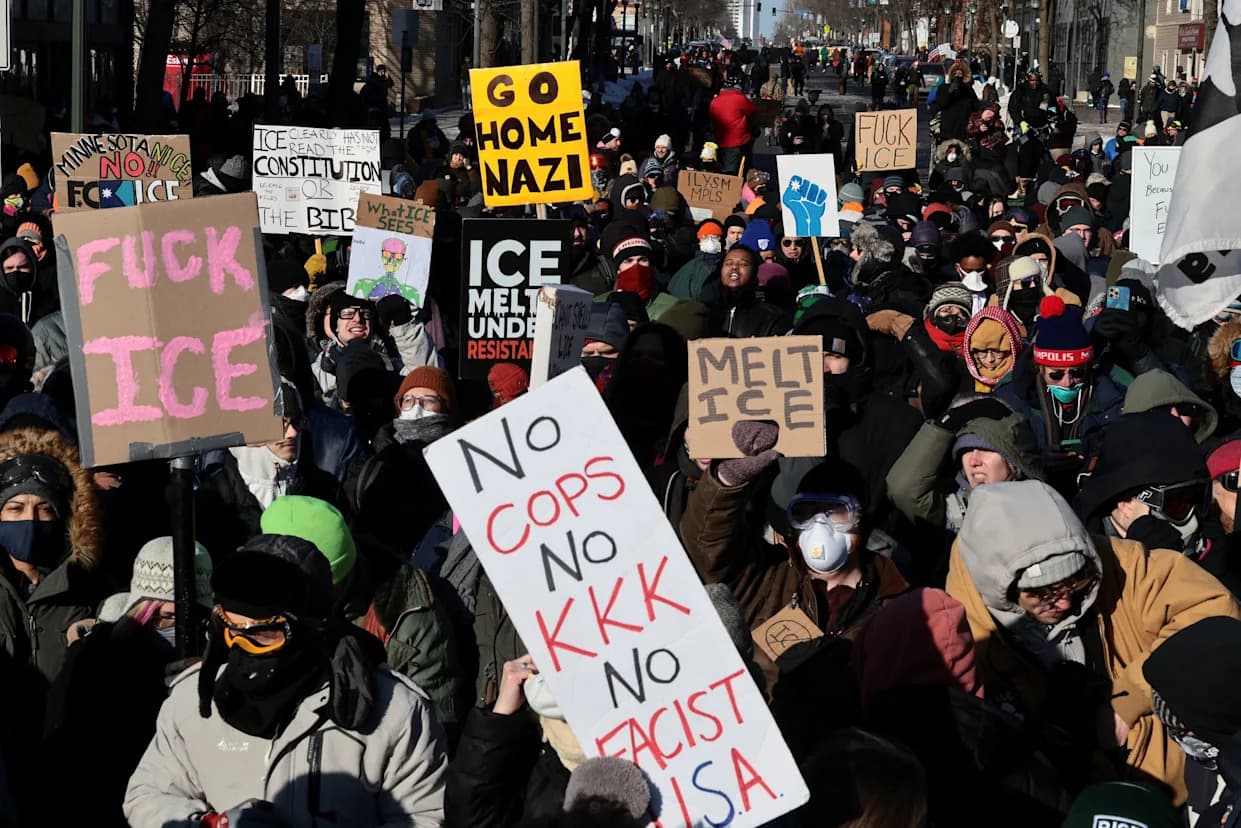
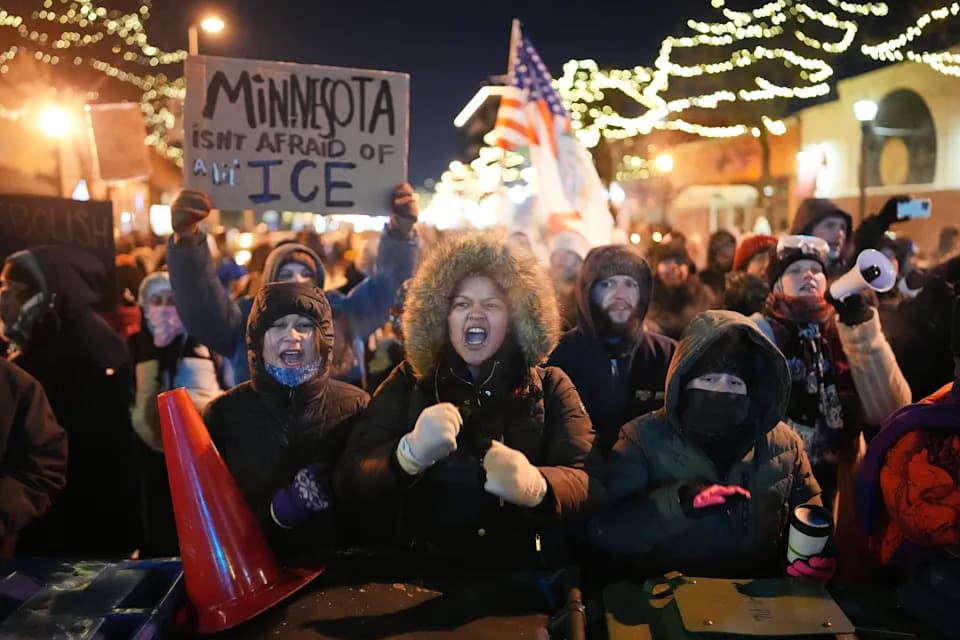
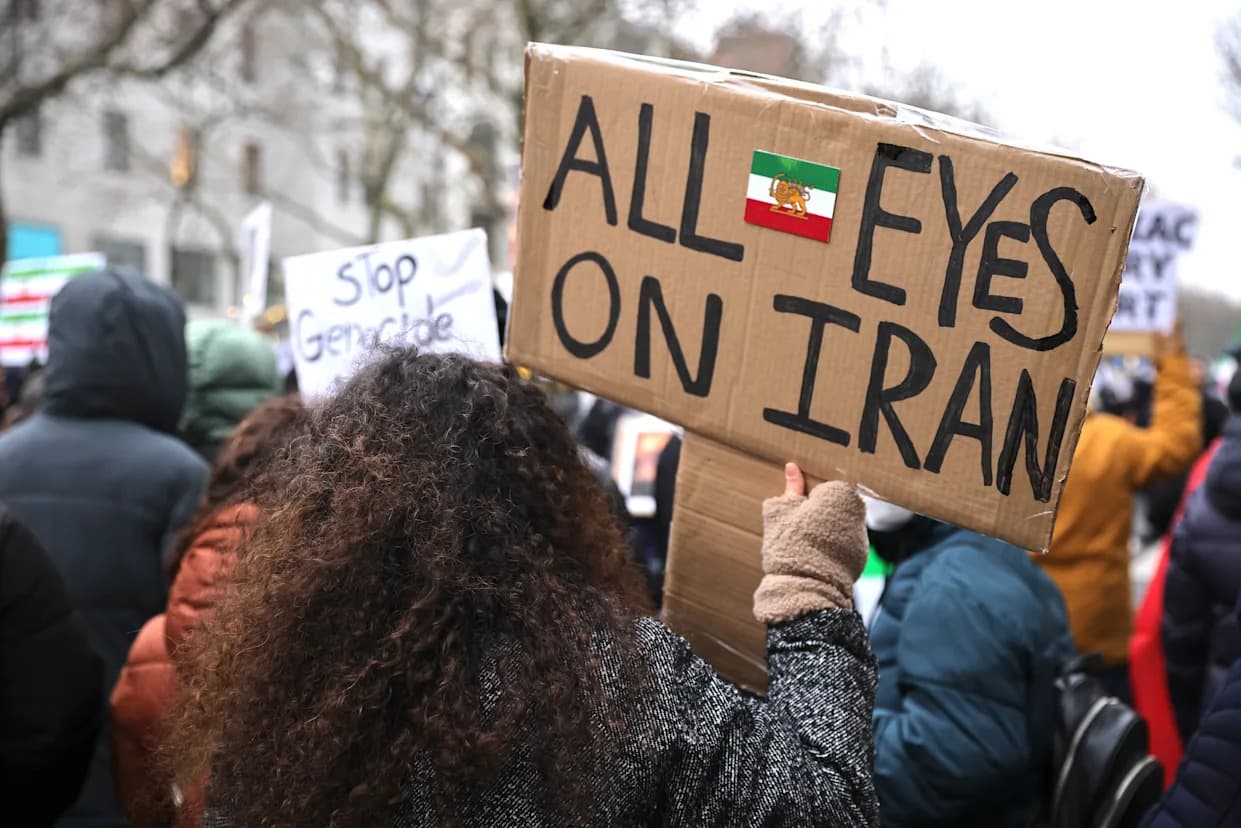
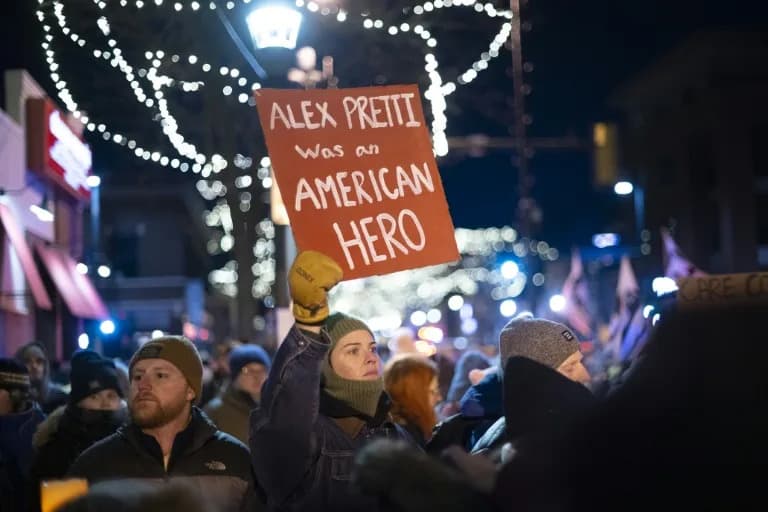
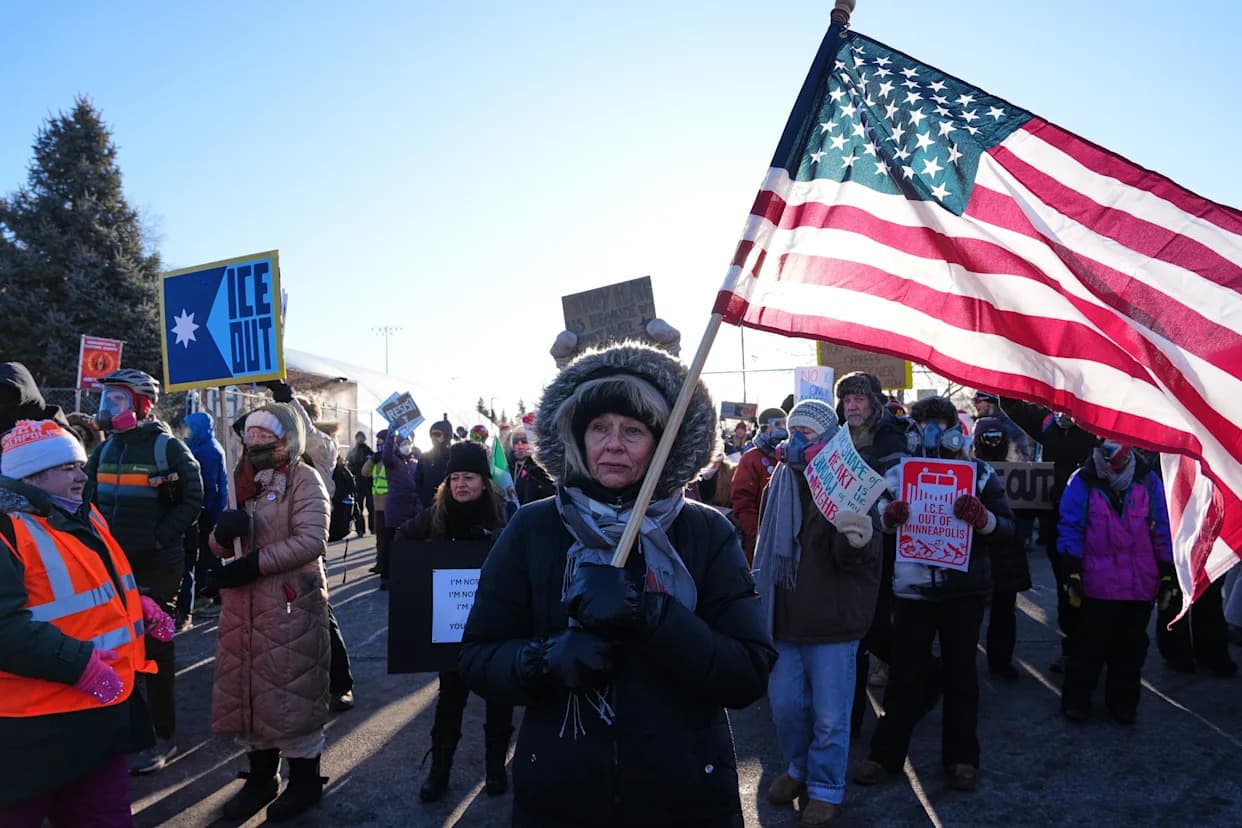
A person holds an anti-ICE sign as demonstrators rally during a general strike protesting U.S. President Donald Trump’s deployment of immigration enforcement officers in Minneapolis, Minnesota, on Jan. 23, 2026.
What the FBI Is Examining
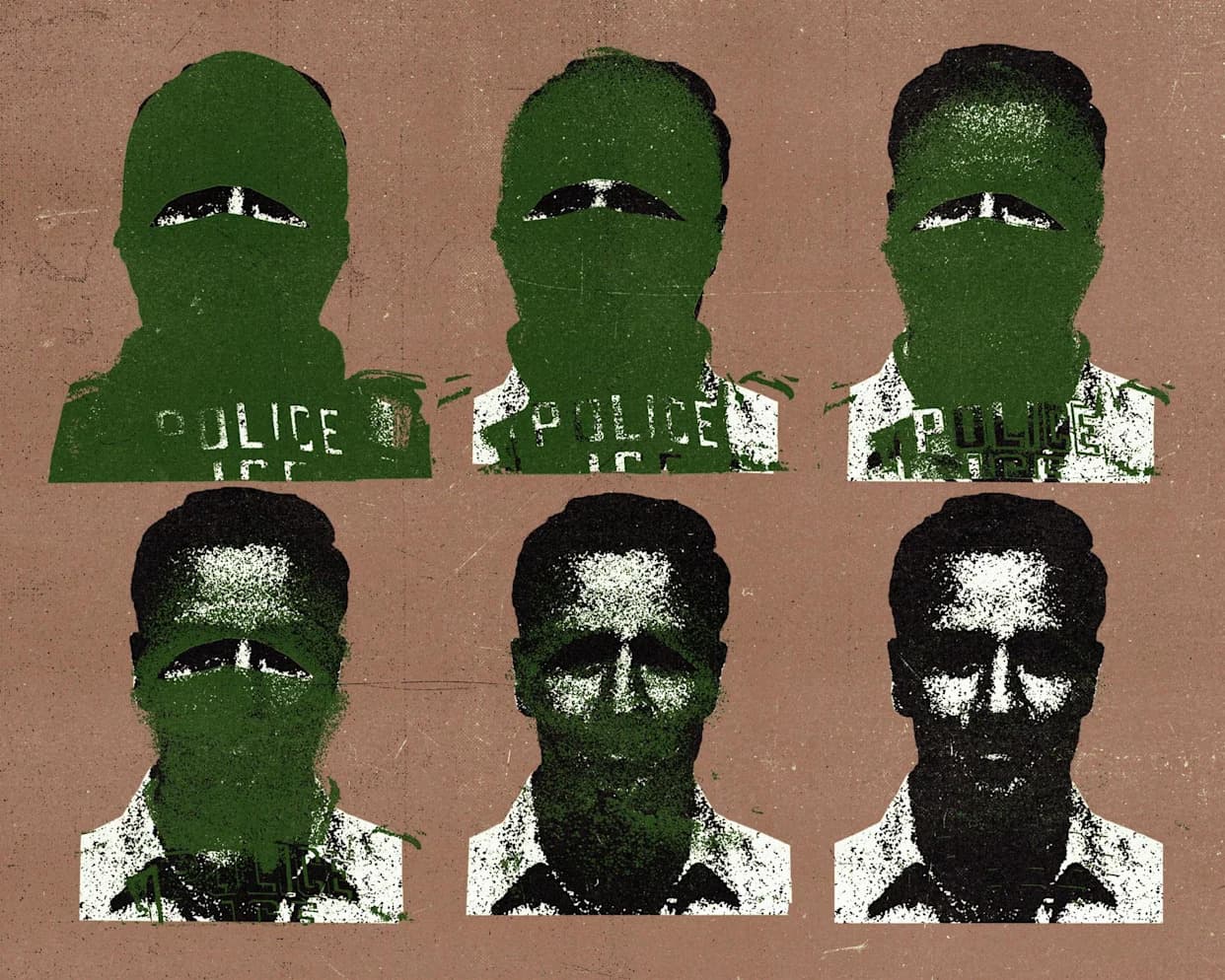
The bureau is reportedly examining whether the alleged coordination crossed legal thresholds, including doxxing — the publication of personal identifying information — and threats against officers or their families, as well as whether any actions effectively entrapped agents or placed them in danger. Patel emphasized the bureau's dual responsibilities: protecting law enforcement safety while respecting constitutional rights, including free speech and lawful gun ownership.
Next Steps
The FBI investigation is ongoing. Patel's comments indicate the bureau will pursue arrests if it finds violations of federal law, but as of this report no arrests have been announced. Observers on both sides of the debate say the outcome could hinge on whether investigators can demonstrate intent to commit a crime or clear coordination to interfere with federal operations.
Context: The case highlights tensions between public oversight of law enforcement and the legal boundaries that govern attempts to track or interfere with federal officers. Legal experts say courts will often consider the intent, specific actions taken and whether any direct threats or doxxing occurred when evaluating potential crimes.
Help us improve.