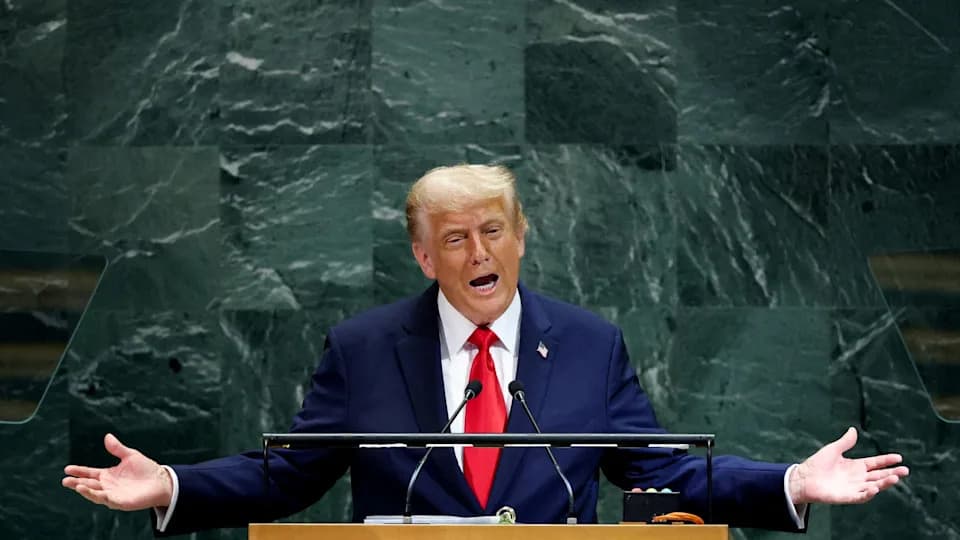
What To Know: The Trump administration has proposed a global "Board of Peace," initially tied to Gaza reconstruction but widely broadened. The draft charter names President Trump as indefinite chair and establishes a founding executive team including Jared Kushner and Tony Blair. Fewer than 20 countries signed at a Davos ceremony; many Western allies have balked, citing Russia's potential involvement, legal questions and worries the body could undermine the United Nations. Controversial finance rules — notably a $1 billion fee for permanent seats after a three-year term — have intensified criticism.
What Is Trump’s ‘Board of Peace’? Who Joined — And Why Allies Are Worried
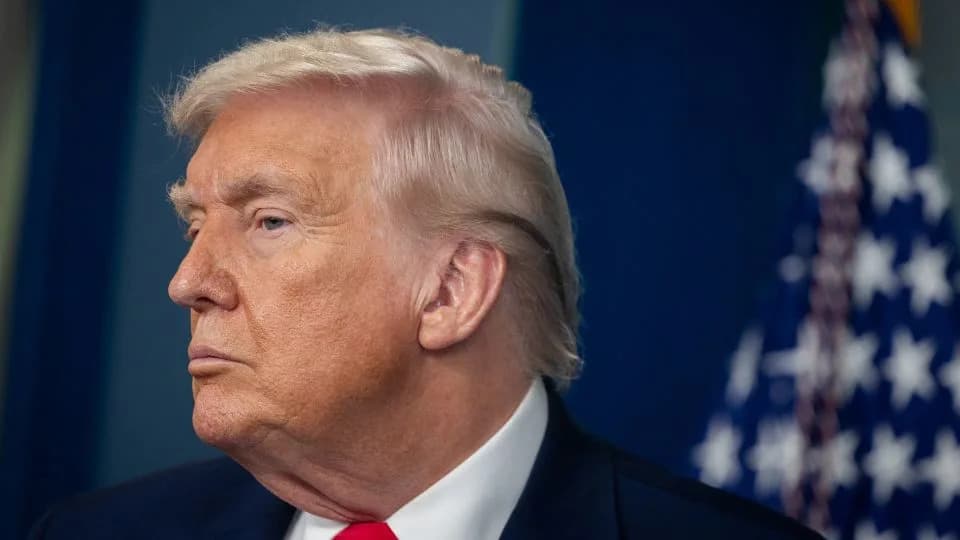
President Donald Trump in the White House press briefing room on January 20, 2026. - Nathan Posner/Anadolu/Getty Images
US President Donald Trump has launched a new international body dubbed the "Board of Peace," originally presented as a panel to oversee Gaza's reconstruction but quickly reframed with a far broader remit to address conflicts worldwide. The initiative — chaired indefinitely by Trump in a draft charter — has drawn support from several Middle Eastern monarchies and other states, while many Western allies have expressed alarm or declined to participate.
What the Board Is Supposed To Do
According to a charter obtained by reporters, the Board of Peace would be an "international organization" tasked with promoting stability, peace and governance "in areas affected or threatened by conflict." The board was initially tied to a US-brokered Gaza ceasefire plan that the United Nations Security Council backed, giving the reconstruction effort international legitimacy. But the charter sent with invitations expands the board's remit well beyond Gaza and does not explicitly mention the Strip.
Leadership And Structure
The draft charter names Trump as the board's chairman indefinitely — a provision that has raised concern because it could theoretically extend beyond a future presidential term. A "founding Executive Board" named in the charter includes Jared Kushner, special envoy Steve Witkoff and former British prime minister Tony Blair, along with other named US figures.
Who Has Agreed To Join — And Who Hasn’t
At a signing ceremony on the sidelines of the World Economic Forum in Davos, fewer than 20 countries were represented — mostly from the Middle East, Asia and South America — well short of administration expectations. Countries reported to have accepted invitations include the United Arab Emirates, Saudi Arabia, Egypt, Qatar, Bahrain, Pakistan, Turkey, Hungary, Morocco, Kosovo, Armenia, Argentina, Paraguay, Kazakhstan, Mongolia, Uzbekistan, Indonesia and Vietnam. Israel is listed among participants, though there was no Israeli representative onstage at Davos and Prime Minister Benjamin Netanyahu did not attend.
Some high-profile states declined or signaled reservations. Britain, France and Norway said they would not sign up, citing legal and procedural concerns and worries about Russia’s potential role. China confirmed it had been invited but has not decided; Ukraine’s president, Volodymyr Zelensky, has rejected the idea of sitting on a council with Russia. Italy flagged possible constitutional issues, and Ireland said it would consider the invitation carefully. A Canadian representative indicated conditional support pending details.
Controversies And Concerns
Several elements of the board’s design have drawn criticism:
- Indefinite Chairmanship: The charter’s provision for Trump to serve indefinitely has prompted alarm about accountability and continuity.
- Financing And Permanent Seats: Members would serve three-year terms; after that, the charter requires a $1 billion payment to secure a permanent seat, funds the US says would go to Gaza reconstruction. Critics warn the arrangement could invite corruption and undue influence.
- Potential Rivalry With The UN: Trump suggested the board "might" replace the United Nations, and the charter criticizes unnamed "institutions that have too often failed." UN officials have pushed back, with the UN’s top humanitarian coordinator saying the UN will not be displaced.
- Inviting Adversaries: Russia, China and Belarus were invited, and the possible participation of Russia — including reported talk of using frozen Russian assets to pay the $1 billion fee — has particularly alarmed Western governments given Russia’s war in Ukraine.
What Happens Next
The Board of Peace remains a developing initiative. U.S. envoys, including representatives named to the executive board, have said they will continue outreach and negotiations with prospective members. Diplomats and international organizations are debating how the board would interact with existing institutions and legal frameworks — and whether it can deliver reconstruction and conflict resolution without undermining established multilateral mechanisms.
Note: The original reporting contained some erroneous job titles in places (for example, a reference calling Mark Carney Canada’s prime minister and calling Marco Rubio Secretary of State). Those have been corrected here: Mark Carney is not Canada’s prime minister, and Marco Rubio is a U.S. senator. This version aims to reflect roles and facts accurately while retaining the key developments and concerns.
Help us improve.