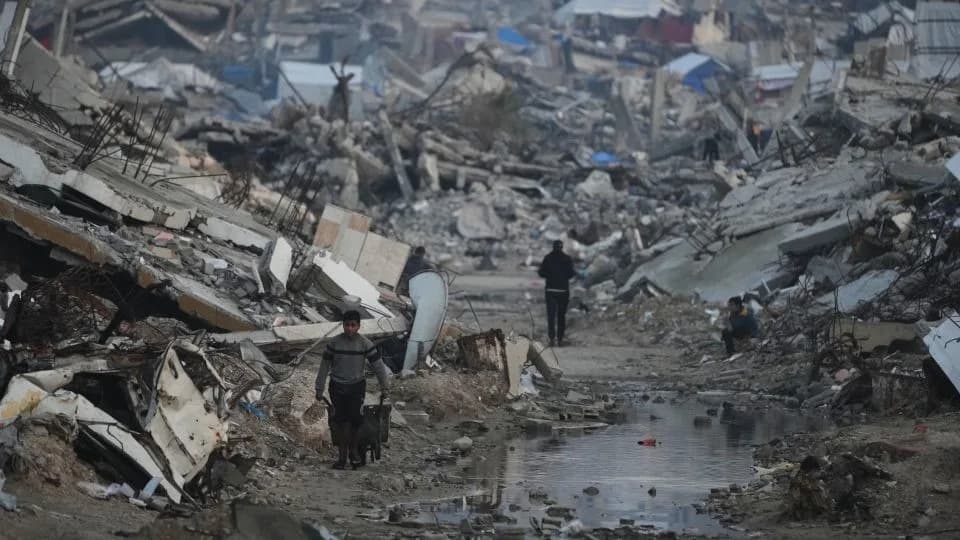
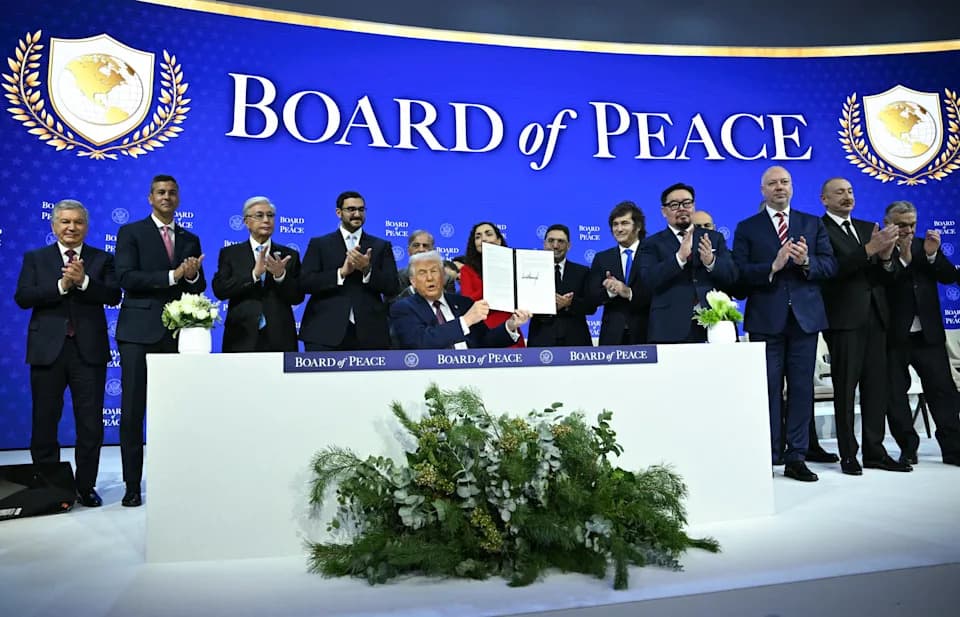
President Trump suggested his proposed "Board of Peace" might supplant the United Nations in overseeing Gaza reconstruction, raising diplomatic alarm. A draft charter would make him indefinite chairman and does not specifically mention Gaza. Invitations have been sent to dozens of countries (including Russia, China and Belarus); the UAE and Bahrain have confirmed participation while France has declined. The board’s plan includes three-year terms and an option for a $1 billion contribution for a permanent seat, prompting questions about transparency, legitimacy and whether the board can rival the U.N.
Trump’s 'Board of Peace' Could Supplant the U.N.; Draft Would Make Him Indefinite Chairman
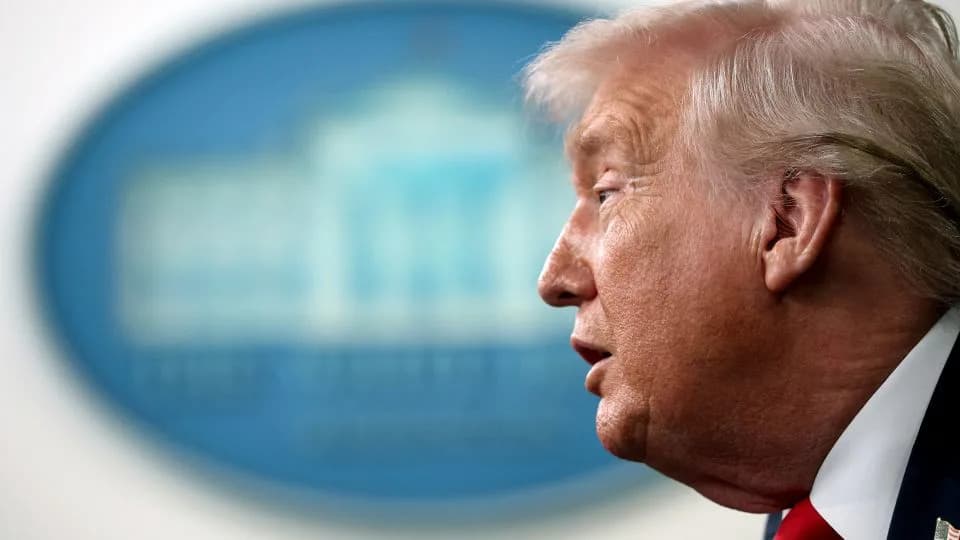
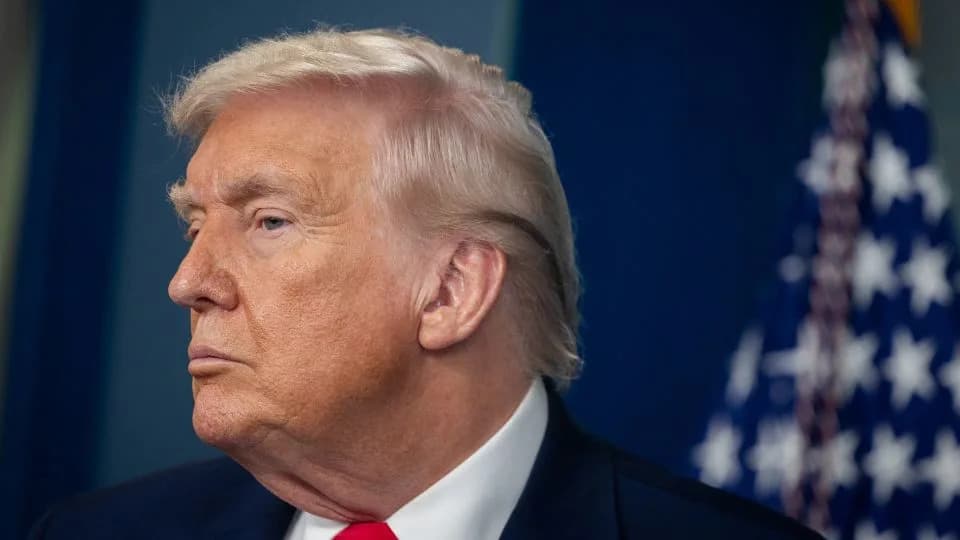
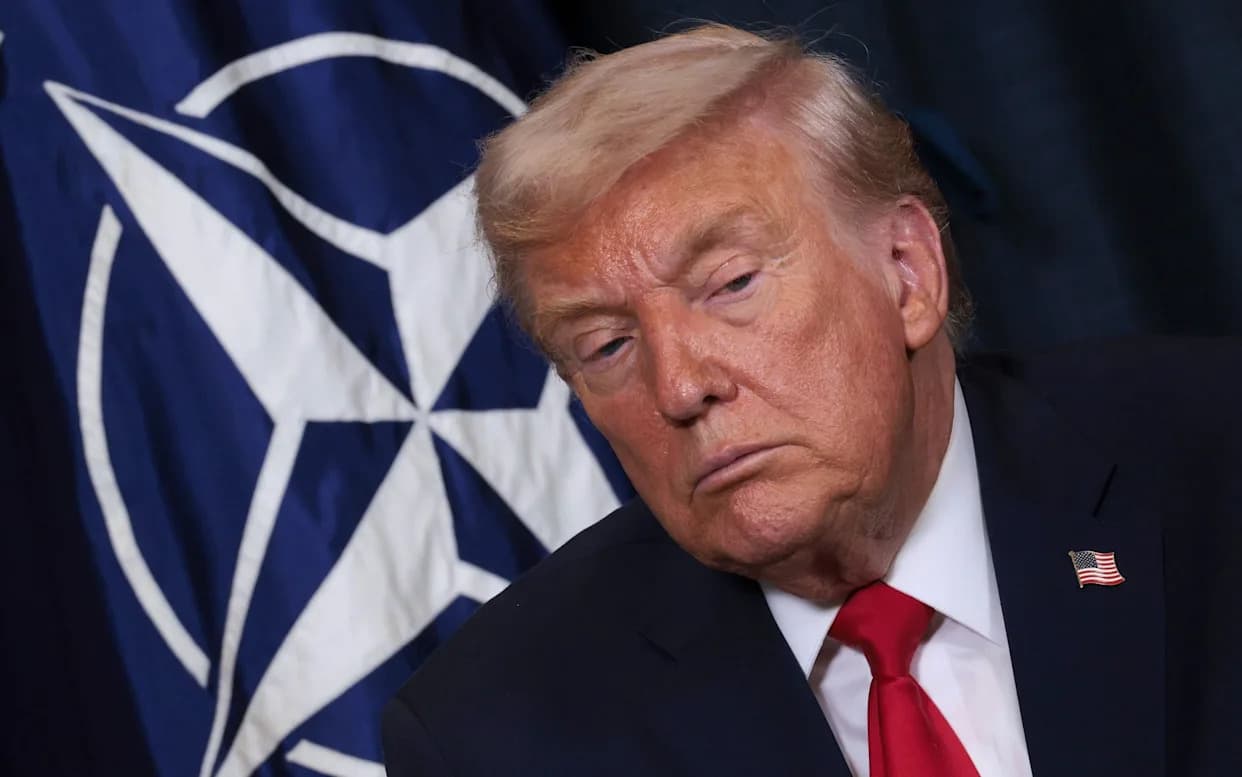
President Donald Trump takes questions from the media during a press briefing on Tuesday. - Win McNamee/Getty Images
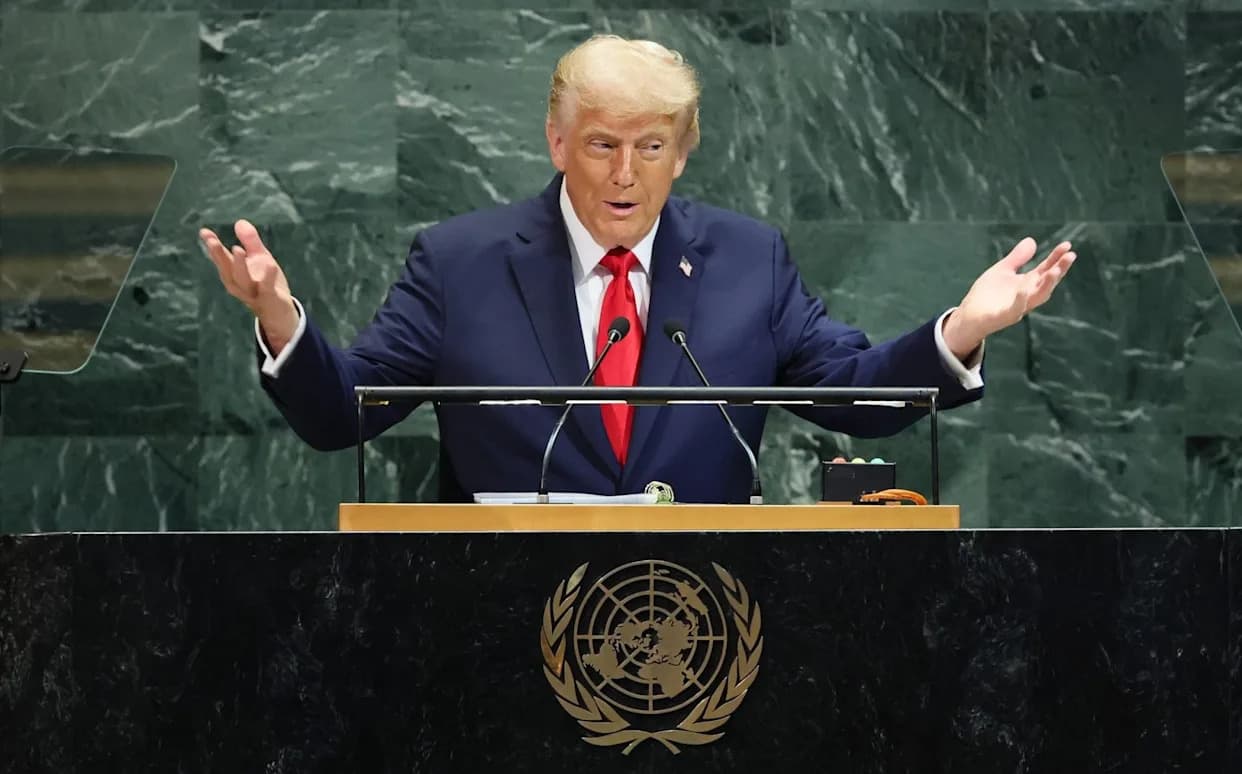
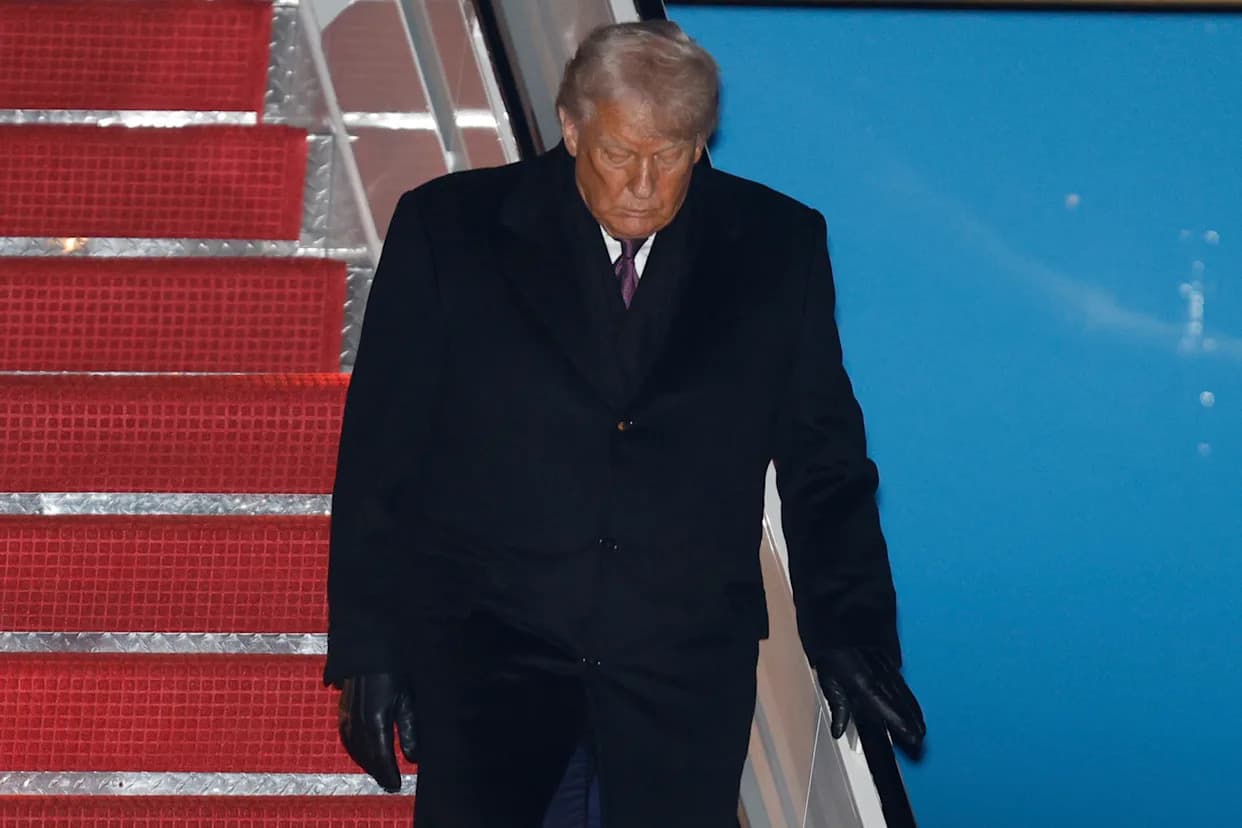
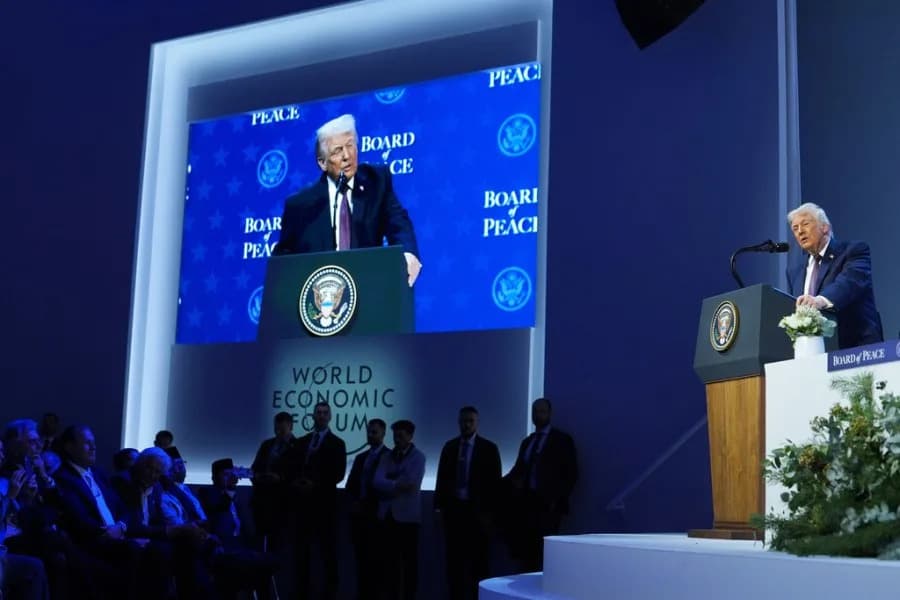
President Donald Trump’s suggestion that his proposed "Board of Peace" might replace the United Nations has amplified international concern that the body he intends to chair indefinitely — and that he could continue to lead beyond a second presidential term — could be used to sideline the eight-decade-old global institution responsible for maintaining international peace.
What the Draft Charter Says
A draft charter obtained by CNN describes the Board of Peace as "an international organization that seeks to promote stability, restore dependable and lawful governance, and secure enduring peace in areas affected or threatened by conflict." Notably, the draft does not specifically mention Gaza despite the board’s stated purpose to oversee reconstruction efforts there.
The charter would make Trump the board’s chairman for an indefinite period, removable only by "voluntary resignation or as a result of incapacity, as determined by a unanimous vote of the Executive Board." A U.S. official also said a future U.S. president could appoint or designate the United States’ representative to the board in addition to Trump.
Membership, Funding and the Davos Signing
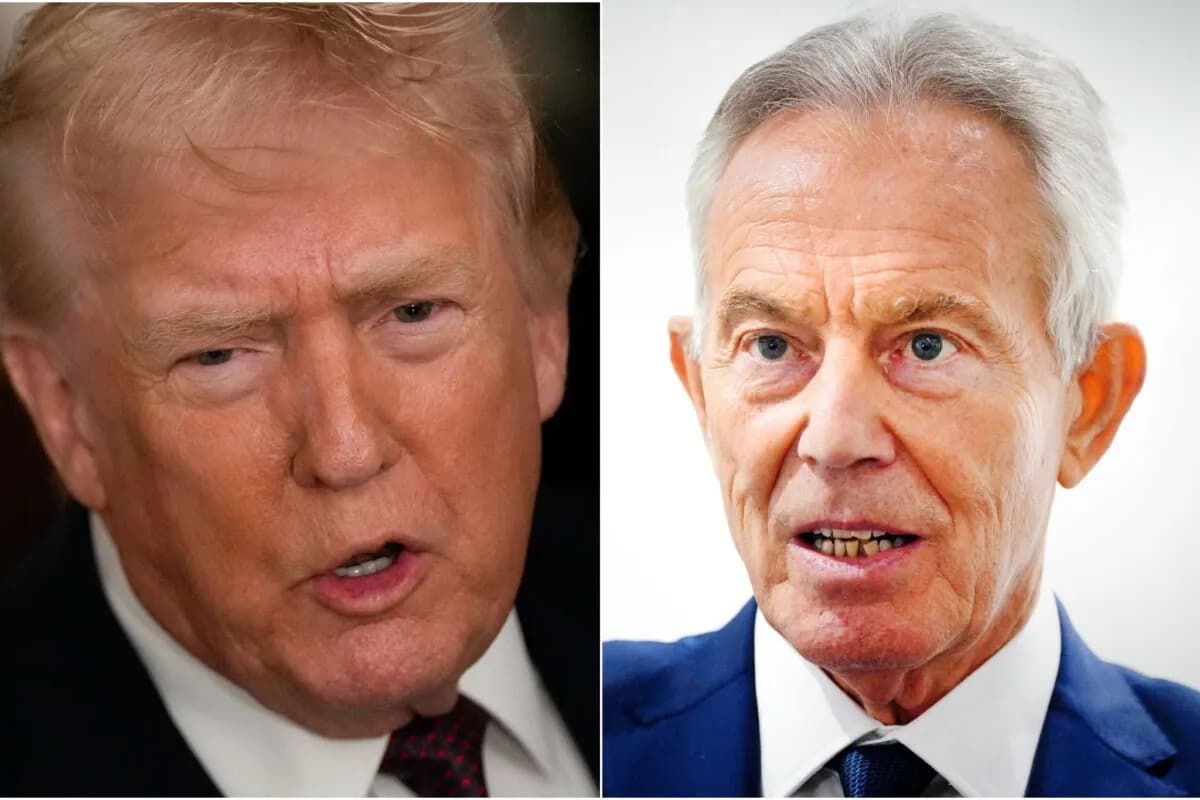
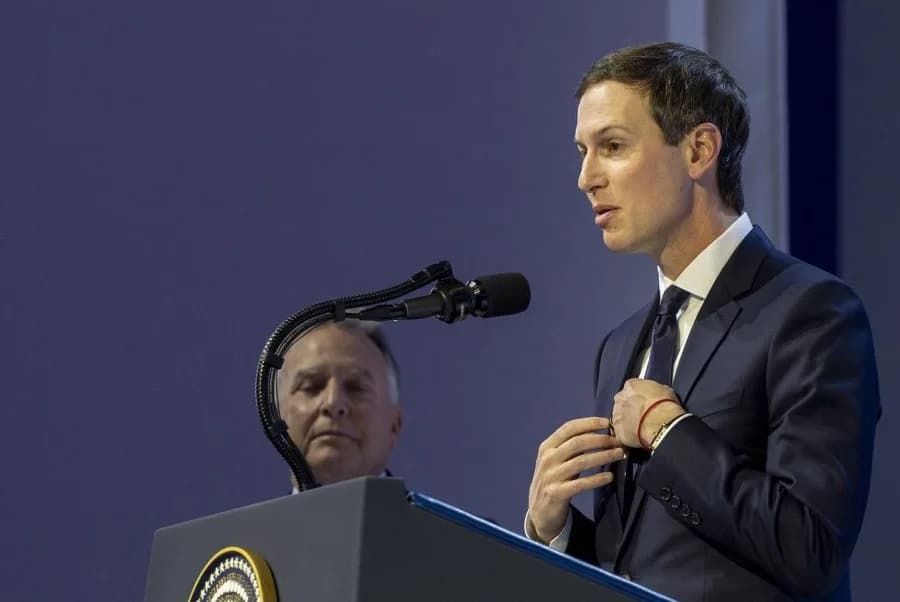
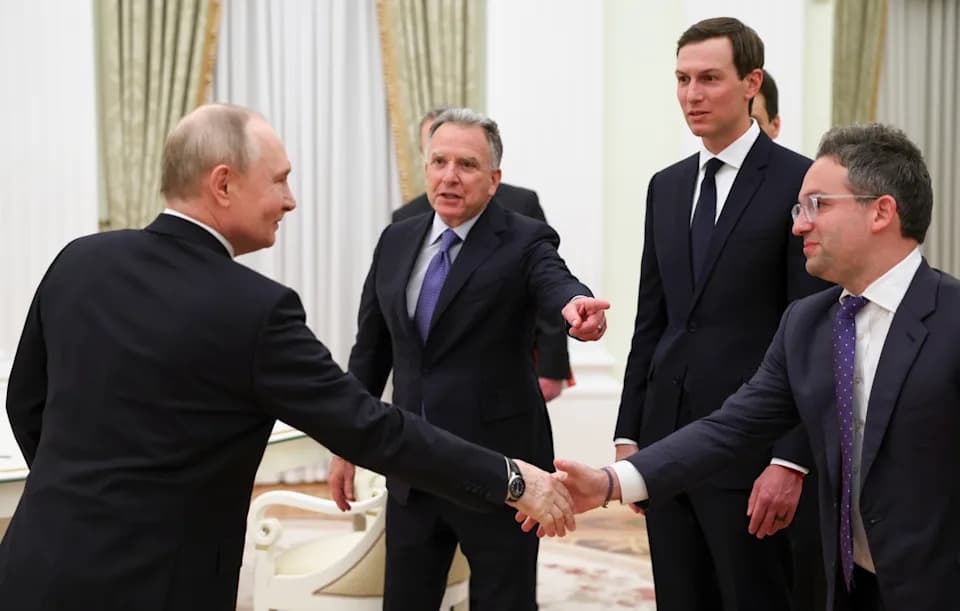
The White House announced a founding Executive Board that includes Jared Kushner, Secretary of State Marco Rubio, special envoy Steve Witkoff and former British Prime Minister Tony Blair. Invitations have been sent to dozens of countries and a signing ceremony is expected in Davos, Switzerland.
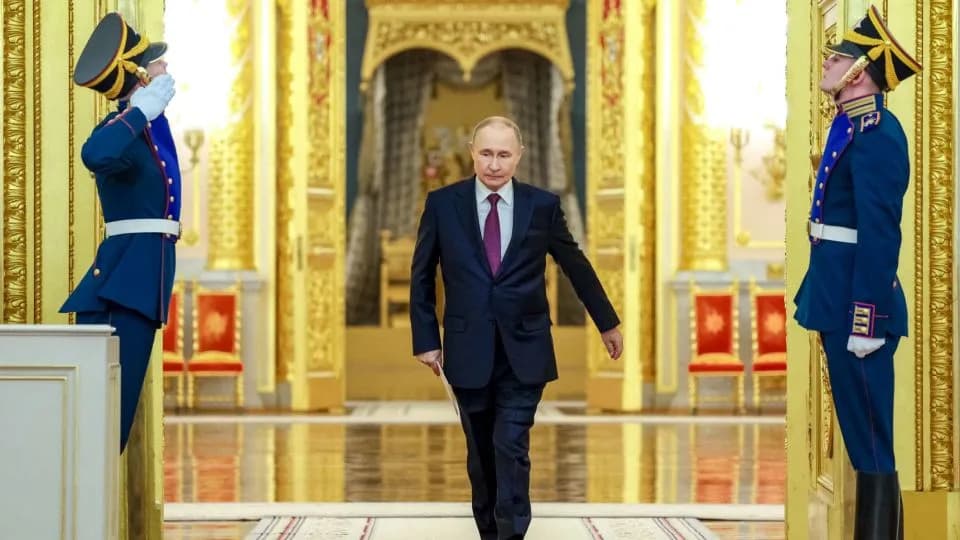
So far, the United Arab Emirates and Bahrain have confirmed participation; France has declined; and Russia, China and Belarus are among nations invited — a development that has alarmed diplomats, given ongoing conflicts involving some invitees.
Under the draft, members would serve three-year terms. Nations that wish to secure a permanent seat would be expected to make a large financial commitment — reported as $1 billion. U.S. officials told reporters this sum is not an entry fee and that it would be directed toward rebuilding Gaza, though specific reconstruction plans have not been finalized.
International Reactions and Criticism
The board has drawn immediate criticism from diplomats, former U.S. officials and U.N. representatives who say it risks duplicating — or even undermining — the U.N.’s existing role. "Putin would certainly use Russia’s membership on the Board of Peace to undermine the U.N. and, by extension, sow further divisions in America’s alliances," said Robert Wood, a former deputy U.S. ambassador to the United Nations.
"Putin is not a man of peace, and I don’t think he belongs in any organization with peace in the name," British Foreign Secretary Yvette Cooper said.
French officials explicitly cited concern that the proposed board would create a parallel system to the U.N., and Ireland said it would "give the invitation careful consideration," emphasizing the unique mandate and legitimacy of the U.N. in maintaining international peace and security.
U.N. humanitarian chief Tom Fletcher stated that the Board of Peace would not replace the United Nations. Aaron David Miller, a former U.S. Middle East negotiator, said the board is unlikely to rival the U.N.’s institutional reach and cautioned that conflicts are usually resolved through direct mediation rather than external organizations.
Open Questions
Key uncertainties remain: which countries will formally join, how the $1 billion commitment would be administered and audited, whether the board’s remit will extend beyond Gaza, and whether the initiative can achieve on-the-ground progress without the U.N.’s institutions and legal frameworks. Observers say the board’s credibility will hinge on tangible results in Gaza and transparent governance.
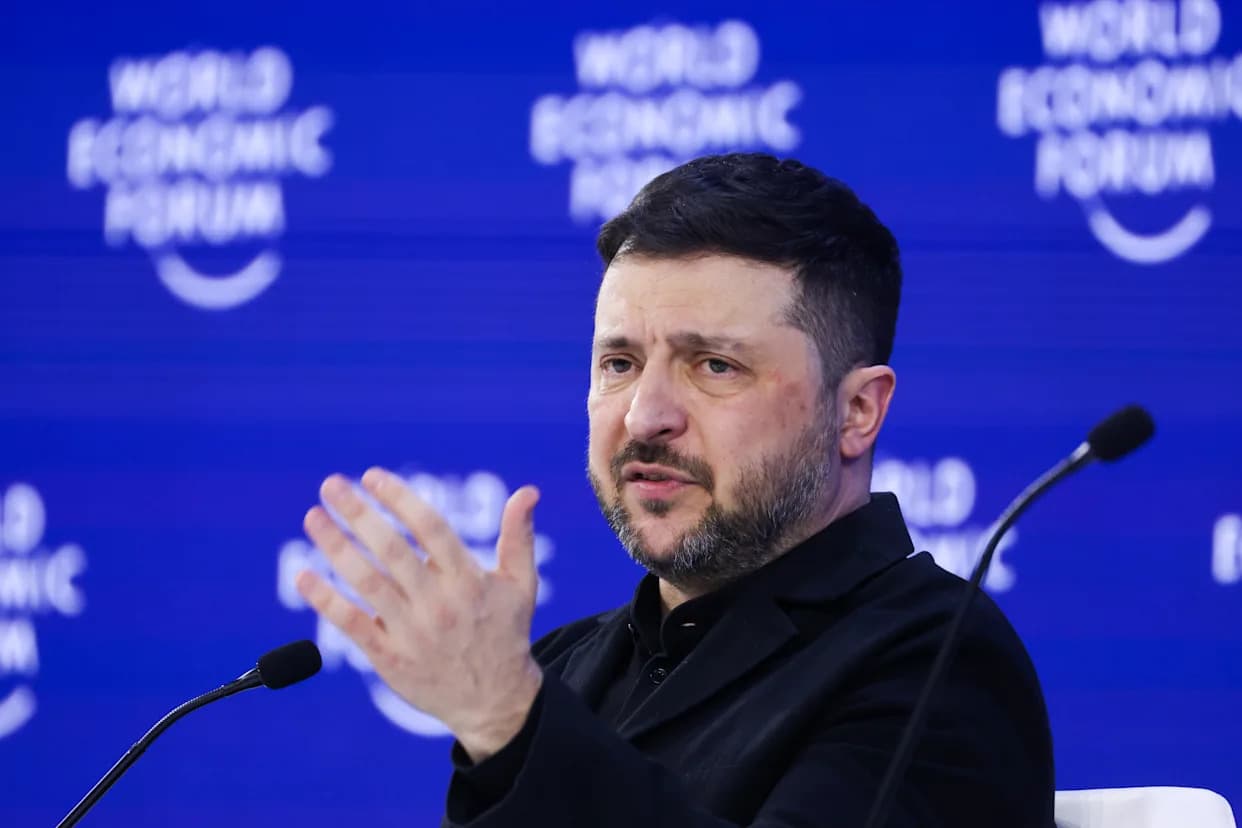
As Trump heads to the World Economic Forum in Davos, the proposed Board of Peace highlights tensions over how international reconstruction and peacebuilding should be governed, who gets oversight, and whether new mechanisms can — or should — operate alongside the U.N.
Help us improve.