Lindsey Halligan has been ordered to explain why she continued to use the title "U.S. Attorney" in the Eastern District of Virginia after a November ruling found her appointment unlawful. Halligan defended her conduct by noting that Special Counsel Jack Smith continued to use his title after a separate judge questioned his appointment. Judge David Novak said the out‑of‑district ruling by Judge Cameron McGowan Currie remains in force while the government’s appeal proceeds. Formal bar discipline appears unlikely now, but the issue could change depending on Halligan’s future actions and the outcome of the appeals process.
Why Lindsey Halligan Invoked Jack Smith: Judge Demands Explanation for Using 'U.S. Attorney' Title
A federal judge has ordered Lindsey Halligan to explain why she continued to identify herself as the U.S. attorney for the Eastern District of Virginia after a November ruling found her appointment unlawful. Halligan’s filing invoked Special Counsel Jack Smith’s post‑dismissal conduct as part of her defense.
Background
In November, U.S. District Judge Cameron McGowan Currie — brought in from South Carolina to avoid a local conflict — concluded that Halligan had been unlawfully installed as the district’s top federal prosecutor. In a separate move, U.S. District Judge David Novak, a Trump appointee in the Eastern District of Virginia, ordered Halligan to explain why she persisted in using the title "U.S. Attorney" in court filings despite Currie’s ruling.
Halligan’s Argument
In her response, Halligan pointed to what she described as comparable government practice after U.S. District Judge Aileen Cannon dismissed Donald Trump’s classified‑documents indictment in Florida on the ground that Jack Smith had been unlawfully appointed as special counsel.
Halligan wrote that, "in the days and weeks that followed, the Government continued — openly and without objection by any Court — to file documents identifying Jack Smith by his title as Special Counsel while appellate review proceeded." She added that Smith continued to use the title in the Washington, D.C. election‑interference case and that, to her knowledge, no court threatened Smith with attorney discipline for doing so.
How Comparable Is It?
Cannon’s dismissal expressly stated it was "confined to this proceeding" in Florida, which limits its effect outside that case. That undercuts Halligan’s analogy because Cannon’s order did not purport to control practice in Washington, D.C., or the Eastern District of Virginia.
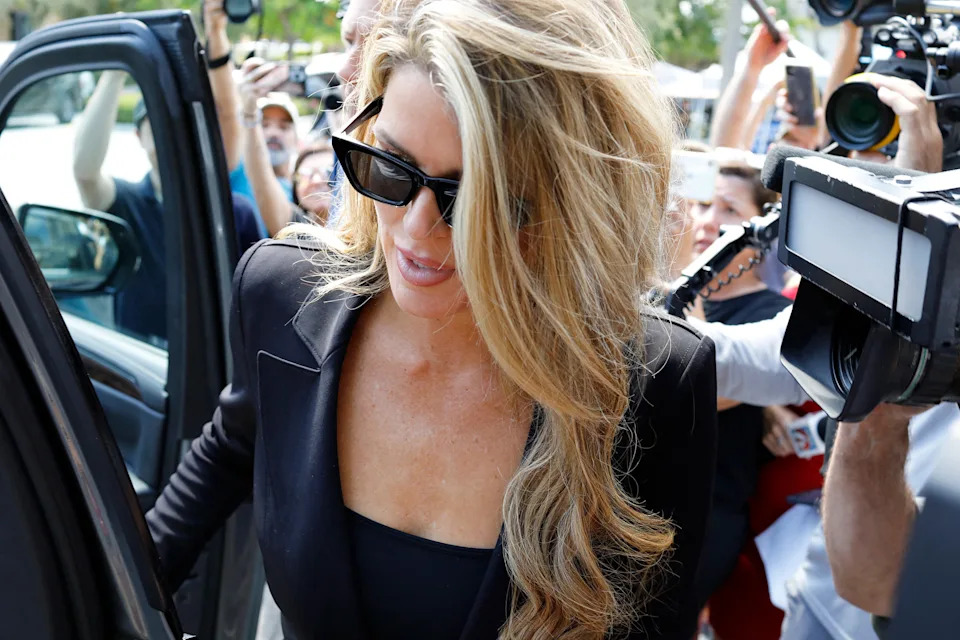
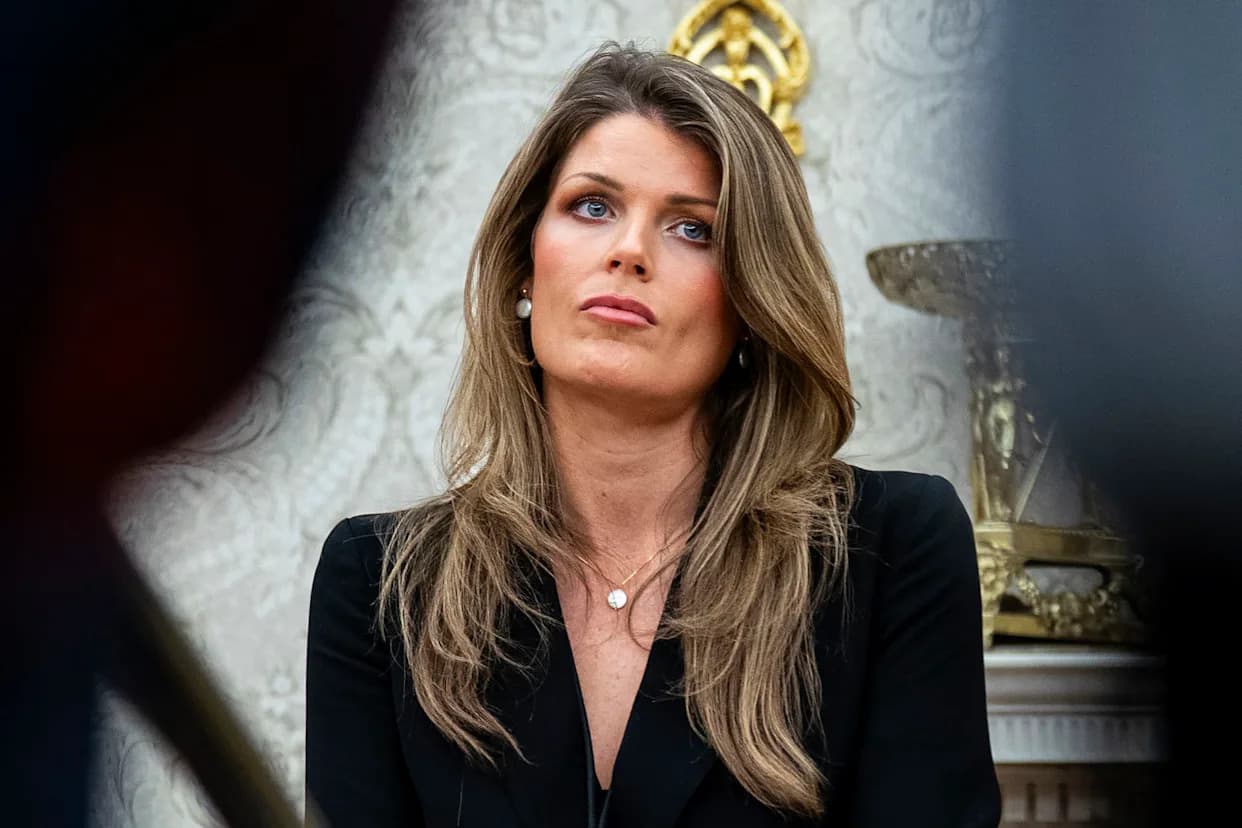
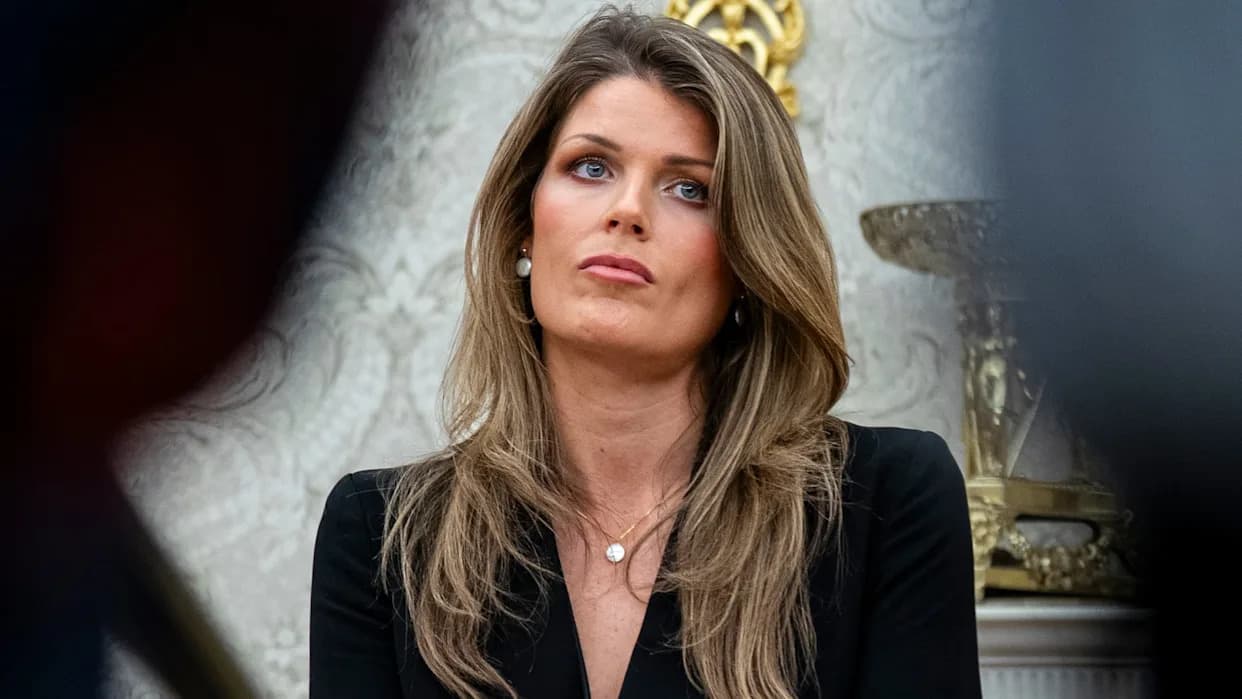
Lindsey Halligan, part of former US President Donald Trump's legal team, leaves the Paul G. Rogers Federal Building & Courthouse after a court hearing in West Palm Beach, Florida, on September 1, 2022. An increasingly high-stakes standoff between Donald Trump and federal investigators lands in court Thursday, after days of headline-grabbing revelations surrounding highly classified documents seized by the FBI from the former president's Florida home. Trump's lawyers are asking that an outside party -- a "special master" -- be named to reassess the government's screening of sensitive documents to determine if any were "highly personal information" that should be returned or protected by claims of privilege. (Photo by Marco BELLO / AFP) (Photo by MARCO BELLO/AFP via Getty Images)(Marco Bello / AFP via Getty Images)
Novak emphasized that Currie’s ruling has not been stayed pending appeal and therefore remains the controlling decision in the Eastern District of Virginia for now. Halligan argued that district court rulings are not generally binding on other district judges — a correct legal principle in the abstract — but Novak and others say Currie was specifically assigned to resolve the appointment question district‑wide to avoid conflicts of interest, which supports treating his ruling as the operative authority in this district unless overturned.
Possible Consequences
Novak’s order suggested bar discipline as a potential consequence if Halligan knowingly misrepresented her status. Legal observers note that formal discipline seems unlikely at this stage because Halligan can plausibly claim she relied on an arguable legal position rather than willful misconduct.
That calculus could change, however, if Halligan were to willfully disobey a direct court order in a way that left no legally defensible explanation. Meanwhile, the government’s appeal of Currie’s ruling is underway; a federal appeals court — and potentially the U.S. Supreme Court — may ultimately resolve the question of the legality of Halligan’s appointment.
What’s Next
Novak will decide whether Halligan’s explanation is satisfactory and whether any corrective action or referral is warranted. Regardless of Novak’s immediate response, the broader legal issue now turns to the appellate process, where the appointment’s validity will be litigated more fully.
Help us improve.