Summary: The DOJ removed Robert McBride, the No. 2 prosecutor in the Eastern District of Virginia, after he declined to lead a renewed prosecution of former FBI Director James Comey, MS NOW reports. The original case—brought by Lindsey Halligan—was dismissed in November after a judge found Halligan was unlawfully appointed; the statute of limitations had also expired. McBride, a veteran prosecutor, reportedly cited the difficulty of overseeing the office while running the case. The removal, supported by senior DOJ offices, has intensified scrutiny of politically sensitive prosecutions.
DOJ Ousts No. 2 Virginia Prosecutor After He Refuses to Lead Comey Case, Report Says
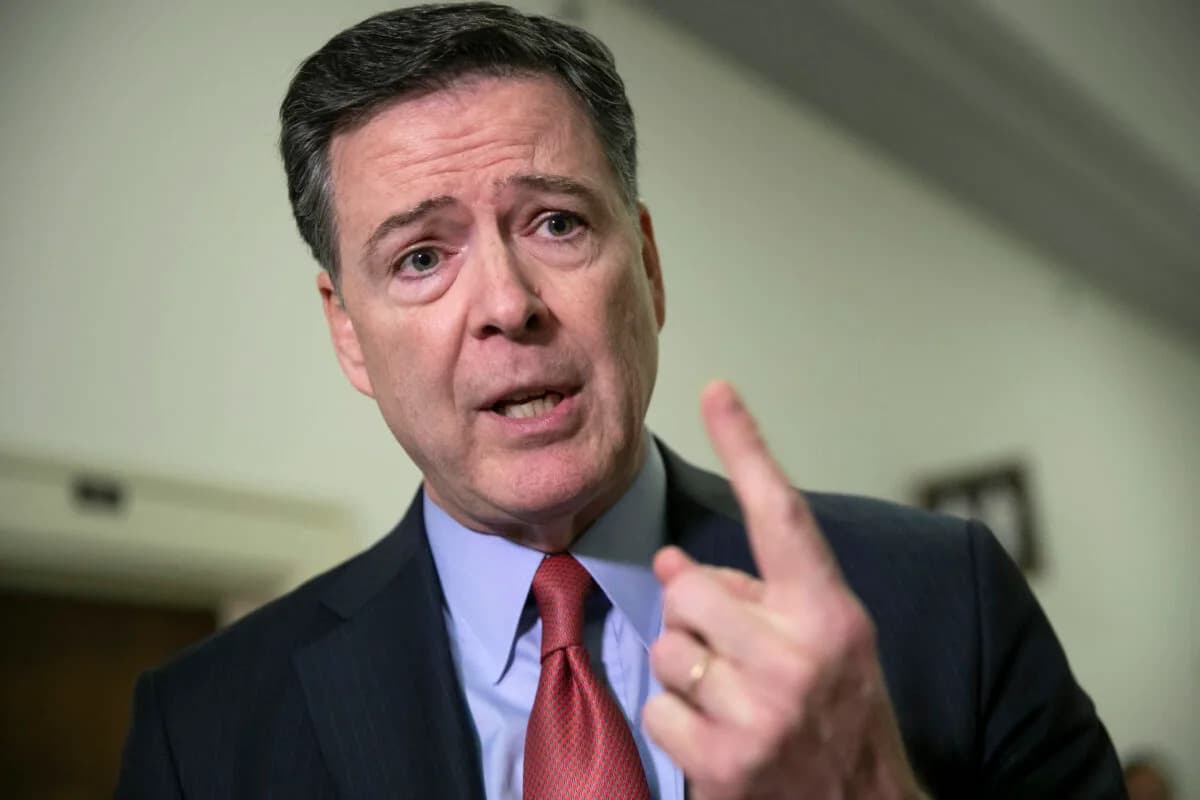
James Comey
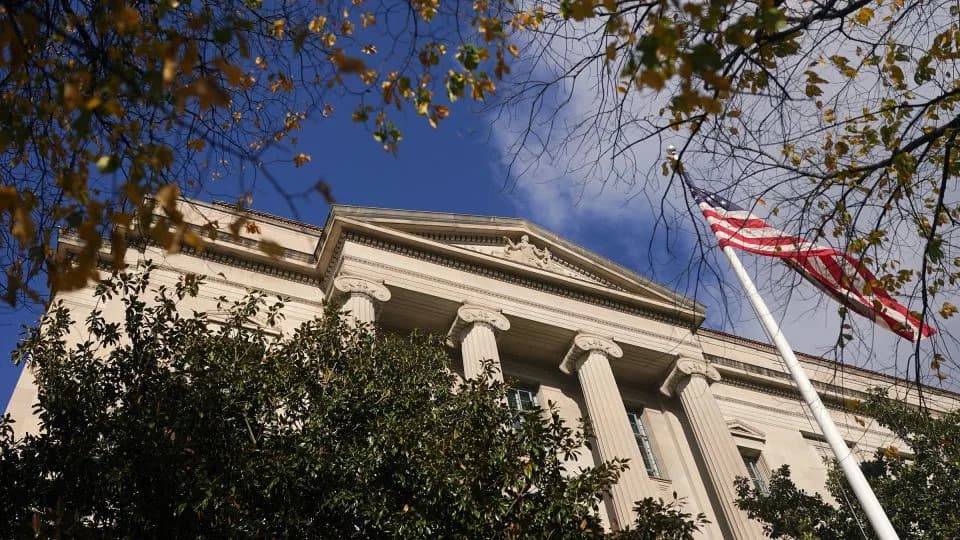
Washington, D.C. — The U.S. Department of Justice removed its No. 2 prosecutor in the Eastern District of Virginia after he declined to take charge of a renewed prosecution of former FBI Director James Comey, according to a report from MS NOW.
What Happened
Prosecutor Robert McBride was hired as a first assistant to Lindsey Halligan, the Trump-era appointee who brought the original case against Comey. Sources cited by MS NOW told reporters that McBride was fired after he told Justice Department leaders he could not both run the office and lead the controversial prosecution.
Background And Legal Fallout
The initial prosecution against Comey—charging him with making a false statement to Congress and obstruction of a congressional proceeding—was widely criticized, including by some conservative commentators. Defense attorneys, including former federal prosecutor Patrick J. Fitzgerald and criminal defense lawyer Jessica Nicole Carmichael, challenged the case on multiple grounds: they argued Halligan’s appointment was improper, alleged malicious prosecution, and contended Comey was treated differently than similarly situated individuals.
In November, U.S. District Judge Cameron McGowan Currie of South Carolina dismissed the indictment, ruling that Halligan—who presented the matter to the grand jury—had been unlawfully appointed. Although the dismissal was without prejudice, Judge Currie noted the statute of limitations had expired on Sept. 30 and that there was "no legitimate peg" for revival.
Why McBride’s Removal Matters
According to the report, McBride’s résumé shows extensive prosecutorial experience—he is a former Navy lawyer and a long-time federal prosecutor—while Halligan had no prior prosecutorial experience when appointed to the case. Sources told reporters that McBride had also held private meetings with federal judges in the Eastern District of Virginia that Halligan was not informed about; those meetings were viewed internally as problematic and potentially undermining to the office’s leadership.
MS NOW reported that the offices of the Attorney General and Deputy Attorney General backed McBride’s removal and that the Executive Office for U.S. Attorneys completed the paperwork to dismiss him. After publication, one reporter noted on social media that some viewed McBride as a potential contender for the top job in the office.
Broader Context
Justice Department officials have reportedly continued to explore paths to revive prosecutions tied to Halligan’s appointments, including efforts involving New York Attorney General Letitia James, whose case was also dismissed for the same appointment problems. The episode has sharpened scrutiny of how politically sensitive prosecutions are managed and of the role loyalty to the administration may play inside DOJ.
Note: This is a developing story and details may be updated as more information becomes available.
Help us improve.