Summary: Federal grand juries in multiple jurisdictions are increasingly refusing to return indictments in politically sensitive cases tied to the Trump era. Legal experts attribute the trend to perceived politicization, inexperienced filings, and public skepticism of aggressive enforcement tactics — a shift that has revived debate over the grand jury’s constitutional role and the secrecy that surrounds it. Recent courtroom moves to publicize some "no bills" suggest transparency battles may intensify.
Grand Juries Push Back: How ‘No Bills’ Are Complicating Politicized Prosecutions
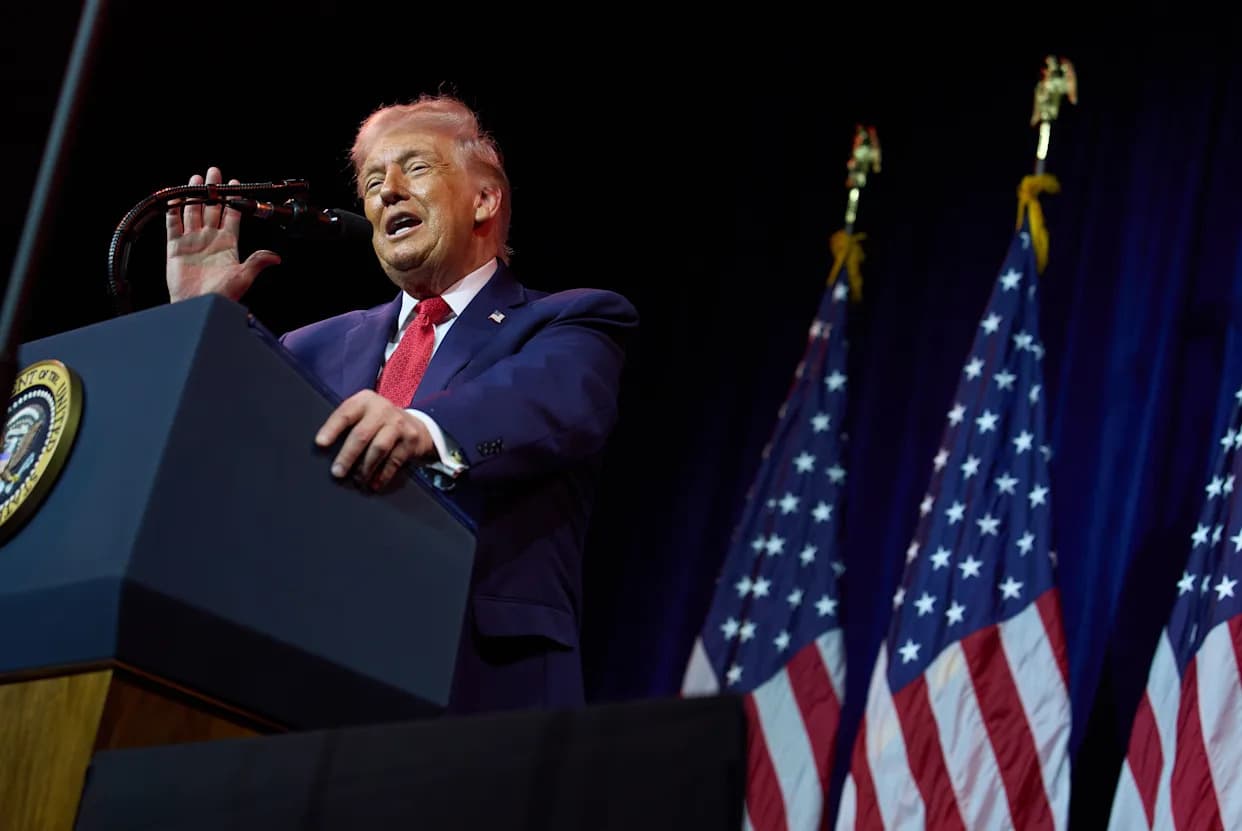
Federal grand juries — long dismissed as a routine step in criminal prosecutions — have re-emerged as a consequential check on prosecutors amid high-profile, politically charged cases linked to the Trump era.
What grand juries do. Grand juries meet largely in secret to decide whether prosecutors should seek a criminal indictment. Panels typically comprise 16 to 23 members, and a majority (not unanimity) can return an indictment. Because their role is to determine only whether prosecutors have presented a plausible case, grand juries historically have been viewed as an easy threshold to clear — hence the old saw that a prosecutor could “indict a ham sandwich.”
A renewed role. In recent months, however, grand juries in jurisdictions including Washington, D.C., Los Angeles, Chicago, Alexandria and Norfolk, Virginia, have returned multiple “no bills” (declining to indict). Those rejections have stalled or derailed efforts to pursue contentious targets and policies — from probes involving prominent figures such as former FBI Director James Comey and New York Attorney General Letitia James to cases tied to protest policing and immigration enforcement.
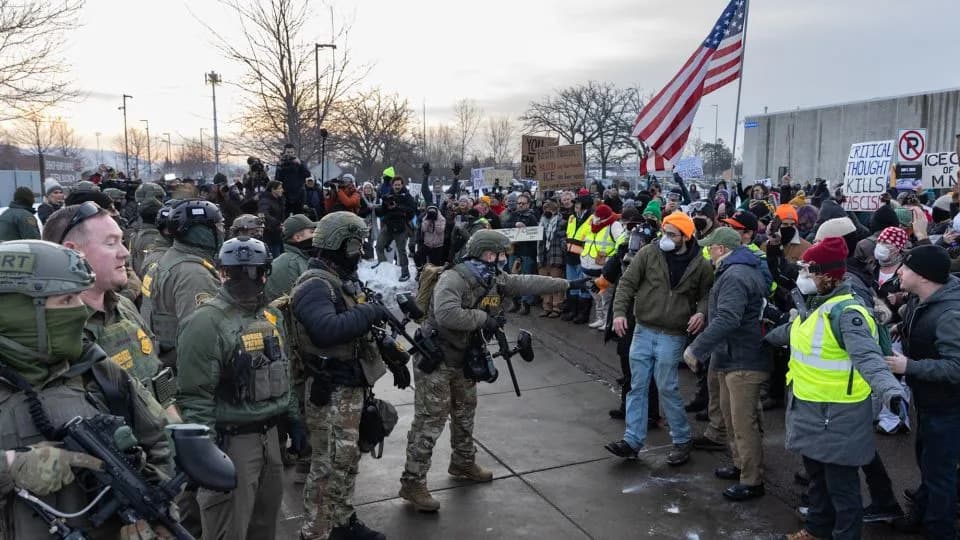
Why juries are balking. Legal observers point to several reasons for the shift: filings perceived as politically motivated, prosecutions pursued by lawyers with limited prosecutorial experience, and cases brought in the context of polarizing enforcement policies — for example, immigration raids and heavy-handed tactics against protesters. Some jurors appear to be responding to the political context around those cases rather than simply rubber-stamping prosecutors’ requests.
“They have been resurrected,” said Thaddeus Hoffmeister, a defense attorney and law professor. “For a long time, many people have been questioning why we even have grand juries…Then the last couple months, we start to see that, maybe the founding fathers were right about this.”
Historical context and data. Grand-jury refusals were rare for decades. Former prosecutors recall virtually never being “no-billed” in routine practice because experienced prosecutors typically gauge jurors’ reactions and address doubts before seeking a vote. Justice Department data for 2016 — the most recent year with department-published counts cited here — show more than 155,000 prosecutions completed and over 25,000 declined investigatory referrals; only six matters were listed as dropped because a grand jury refused to indict.
High-profile examples and controversies. Several recent high-profile setbacks have drawn attention. Some filings tied to the administration were handled by lawyers without prior prosecutorial backgrounds, and judges and commentators have criticized what they see as rushed or politically infused charging decisions. One Washington judge criticized apparent prosecutorial maneuvers and warned that some cases were rushed to charge before full investigation.
Conservative commentators and some federal prosecutors have pushed back as well. For example, a television commentator who has weighed in publicly suggested grand jurors in some jurisdictions may be detached from local crime realities. Meanwhile, U.S. Attorneys’ offices in multiple districts — including Los Angeles — have reported frustration when juries declined to return indictments in protest- or immigration-related matters.
Secrecy and transparency at stake. The grand jury exists in the Constitution as a safeguard against executive overreach and politically motivated prosecutions. But if public confidence erodes and perceptions grow that prosecutors are pursuing politicized cases, calls for greater transparency will intensify. In recent Virginia proceedings, judges went out of their way to record or refuse to seal grand-jury “no bills,” arguing that public disclosure can serve the interest of transparency when someone has already been publicly stigmatized by charges.
“If the grand jury is just another side of politics, then we need more transparency,” said Kevin Washburn, a law professor. “There’s going to be more transparency coming, because the trust is gone.”
What this means going forward. The wave of grand-jury refusals has put renewed attention on a constitutional institution many assumed was perfunctory. Whether the trend persists will depend on prosecutorial screening, case quality, jurors’ perceptions of politicization, and potential changes in how courts handle grand-jury secrecy. For now, grand juries are once again a consequential — and sometimes unpredictable — part of the federal criminal system.
Contributor: Kyle Cheney.
Help us improve.