
Israel revoked the operating licenses of 37 major humanitarian organizations working in Gaza, including MSF, NRC and Oxfam, barring them from bringing supplies into the Strip or sending international staff and ordering them to cease operations by March 1. Aid officials warn the remaining licensed organizations cannot meet urgent needs for Gaza’s more than 2 million residents, where many families eat only one meal a day and over 1 million require better shelter. The licensing changes require NGOs to hand over staff lists and limit criticism of Israel — requirements many groups say endanger personnel and undermine relief work. Affected organizations have a one-week window from Dec. 31 to appeal.
Israel Revokes Licenses Of 37 Aid Groups, Threatening Gaza Relief Operations

A makeshift tent camp for displaced Palestinians stretches across Nuseirat, central Gaza Strip, Friday, Jan. 2, 2026. (AP Photo/Abdel Kareem Hana)(ASSOCIATED PRESS)
TEL AVIV — Israel this week revoked the operating licenses of 37 prominent humanitarian organizations working in Gaza, a move that aid agencies say will sharply constrain relief efforts for more than 2 million Palestinians. The suspended groups include Doctors Without Borders (MSF), the Norwegian Refugee Council (NRC), Oxfam and Medical Aid for Palestinians.
What Changed
The license revocations bar the affected organizations from bringing supplies into the Gaza Strip and from sending international staff into the territory. Israeli authorities have told the suspended groups they must wind down operations by March 1. Some organizations, such as NRC, had already been blocked from importing aid for months.
Why Licenses Were Revoked
Israel introduced stricter registration rules earlier this year that require NGOs to submit names and personal details of local and international staff and permit sanctions for a wide range of public criticism of Israel. The registration process is overseen by Israel’s Ministry for Diaspora Affairs and Combating Antisemitism, led by a senior member of the ruling Likud party.
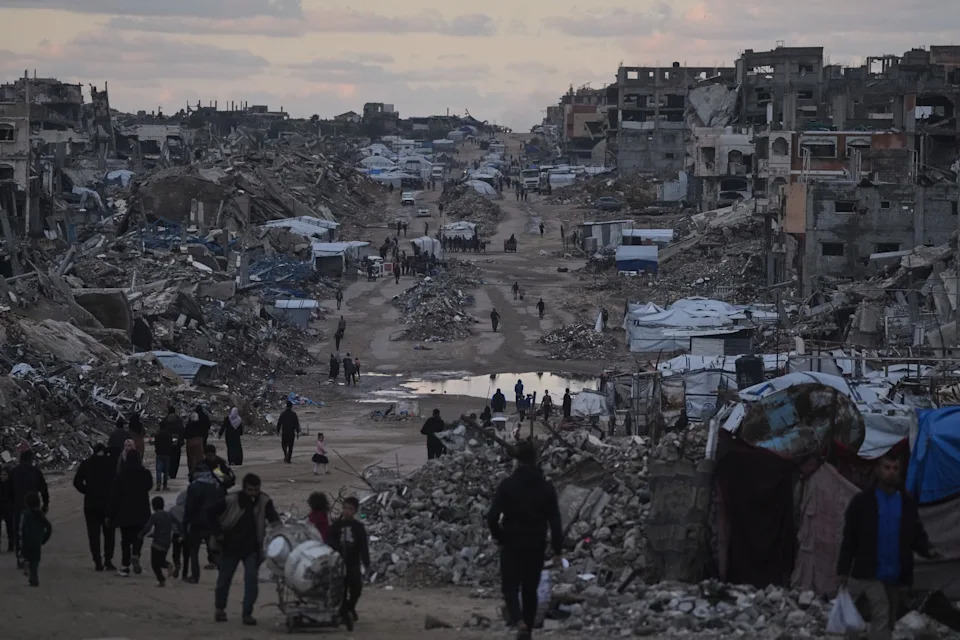
Palestinians walk past destroyed buildings in the northern Gaza Strip, Friday, Jan. 2, 2026. (AP Photo/Jehad Alshrafi)(ASSOCIATED PRESS)
Israeli officials say the measures are intended to prevent infiltration of aid groups by Hamas and other militants — an allegation the U.N. and independent agencies strongly deny. Many NGOs declined to provide staff lists, saying the demand could endanger personnel; the U.N. reports more than 500 aid workers have been killed in Gaza since the war began.
Impact On Health And Humanitarian Services
Independent NGOs play a central role in Gaza’s battered health system. MSF warned the revocations would have a "catastrophic" effect: the group supports six hospitals, runs two field hospitals and eight primary health centers, staffs two stabilization centers for severely malnourished children, and says its teams treated roughly 100,000 trauma cases, performed about 10,000 surgeries and handled about one-third of births in Gaza. MSF reports roughly 60 international staff across the West Bank and Gaza and more than 1,200 local staff.
Since the cease-fire began in early October, MSF has brought in about 7% of the 2,239 tons of medical supplies Israel has allowed into Gaza, making it one of the largest non-U.N. medical suppliers after the Red Cross.
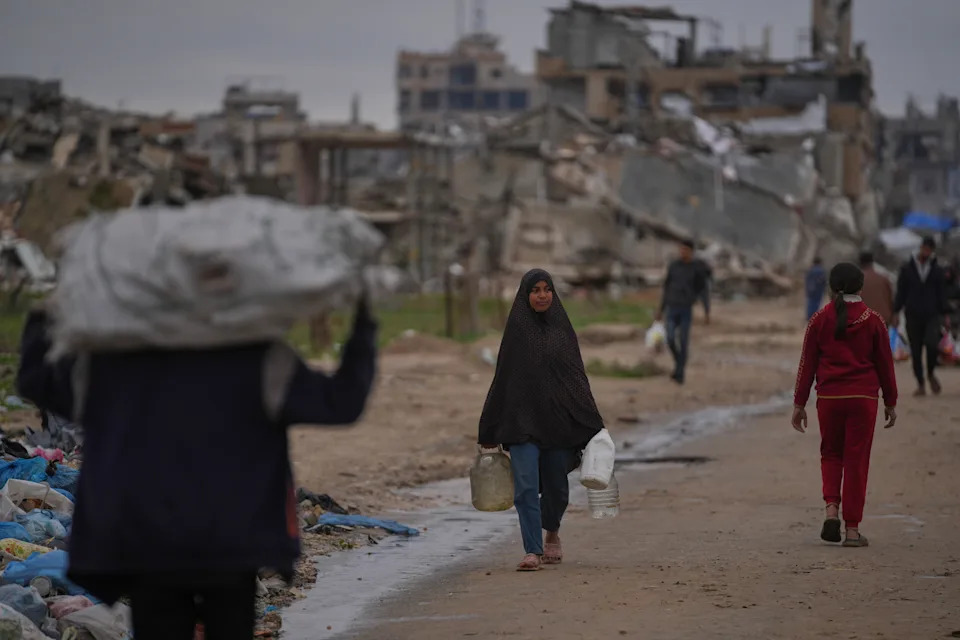
A Palestinian woman carries a container of water in Nuseirat, central Gaza Strip, Friday, Jan. 2, 2026. (AP Photo/Abdel Kareem Hana)(ASSOCIATED PRESS)
Operational And Staff Concerns
Aid groups say the immediate consequence will be the loss of technical expertise and morale that international staff provide. Palestinian colleagues will face heavier burdens as international specialists are barred from entering to provide training, clinical support and logistical coordination.
“Demanding staff lists as a condition for access to territory is an outrageous overreach,” MSF said, adding that Israeli officials rejected attempts to find alternative safeguards.
Wider Humanitarian Context
The revocations compound strains on the relief effort even as Gaza’s population remains in crisis more than 12 weeks into a cease-fire. The U.N. says famine has been averted, but more than a quarter of families eat only one meal a day, food prices are prohibitive for many households, and over 1 million people still require improved shelter as winter storms batter the territory.
What Comes Next
Affected organizations have a one-week window from Dec. 31 to appeal the revocations. Some groups have sought workarounds — buying supplies inside Gaza, drawing on reserve stocks, or partnering with organizations still licensed to operate — but those options are slower, costlier and cannot fully replace the services the suspended groups provide.
UN agencies and leading NGOs warned that the organizations still licensed by Israel are "nowhere near the number required just to meet immediate and basic needs" in Gaza. Donors, relief groups and local health providers say the loss of these 37 organizations will be felt across medical care, shelter, water and sanitation, and protection services.
Help us improve.


