Israeli forces, accompanied by far-right minister Itamar Ben-Gvir, demolished the UNRWA headquarters in Sheikh Jarrah, East Jerusalem, seizing equipment and razing buildings. UNRWA chief Philippe Lazzarini called the action "unprecedented" and said the land has been leased from Jordan since 1952, condemning the seizure as a breach of international law. Palestinian leaders view the raid as an effort to undermine refugees' rights and essential services, while critics accuse Western governments of inaction. The demolition comes amid a wider crackdown that includes revoking licences for 37 aid groups, raising fears for humanitarian access to Gaza.
UNRWA HQ Demolished in East Jerusalem: UN and Palestinian Leaders Warn of Dangerous New Chapter
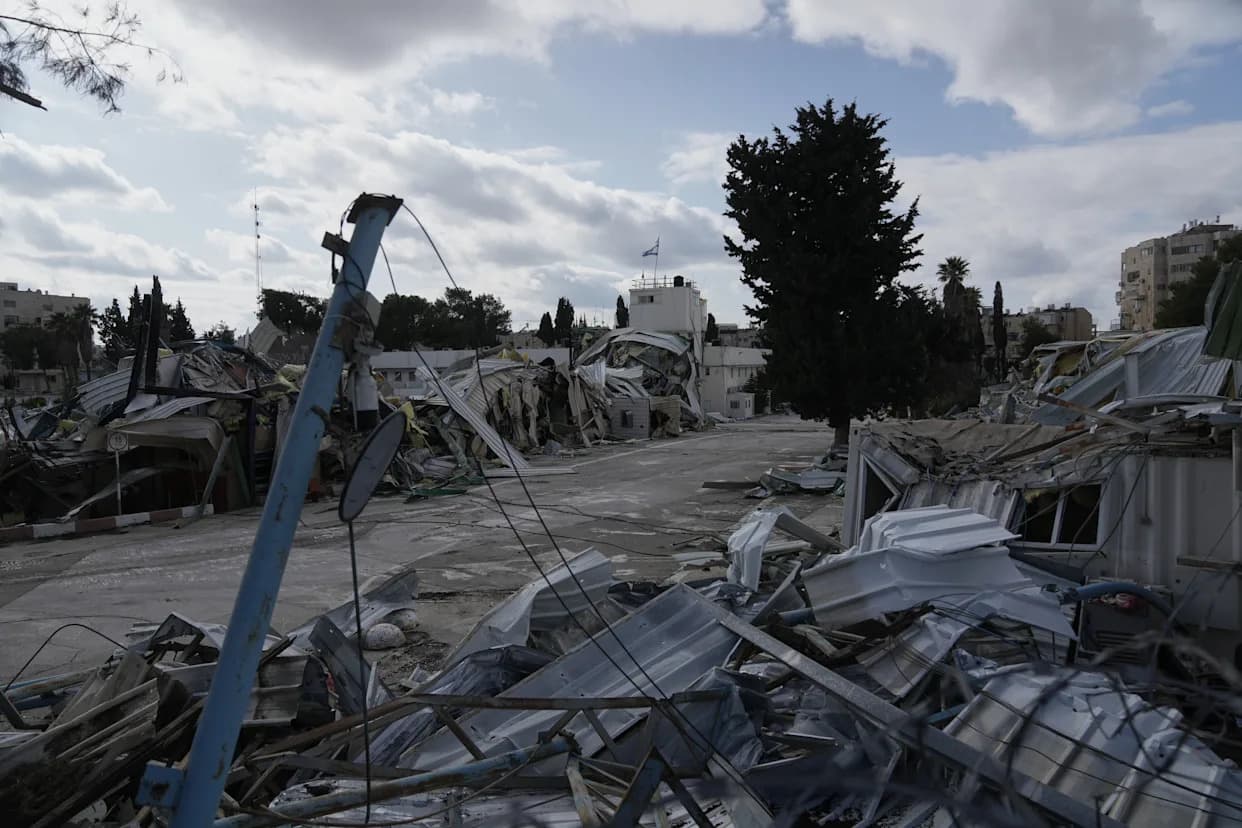
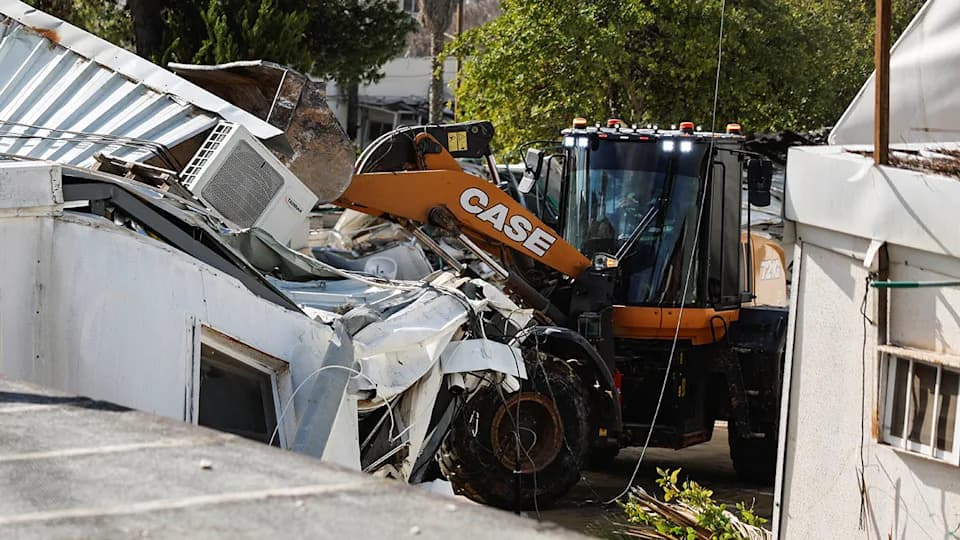
Israeli authorities demolish an UNRWA compound in occupied East Jerusalem on January 20, 2026 [Mahmoud Illean/AP Photo]
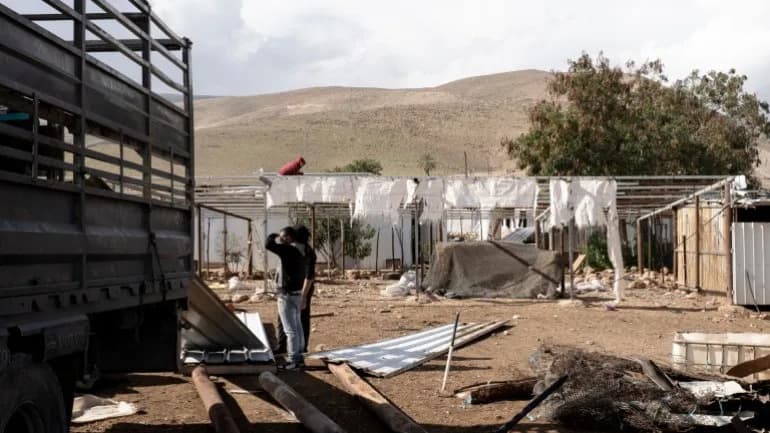
Israeli forces, accompanied by far-right National Security Minister Itamar Ben-Gvir, stormed and demolished the compound housing the United Nations Relief and Works Agency (UNRWA) headquarters in the Sheikh Jarrah neighbourhood of occupied East Jerusalem on Tuesday. Officials say equipment was seized and several structures were razed; Ben-Gvir described the operation as a "historic day."
UN Condemns Attack
UNRWA Commissioner-General Philippe Lazzarini called the raid an "unprecedented attack against a United Nations agency and its premises" and warned it should be a "wake-up call" for the international community. In a post on X, he cautioned: "What happens today to UNRWA will happen tomorrow to any other international organization or diplomatic mission … anywhere around the world."
"The Israeli Government's claims are false and illegal," Lazzarini said, noting that UNRWA has leased the site from the Government of Jordan since 1952 and accusing Israel of seizing the property in breach of international law.
Israel's Position
Israel's Ministry of Foreign Affairs said the demolition implemented a 2024 law that effectively bans UNRWA's operations. The government argues the action is legal under that domestic legislation; UN officials and many international observers reject that basis and say the move violates international norms governing diplomatic and humanitarian premises.
Humanitarian Impact and Wider Crackdown
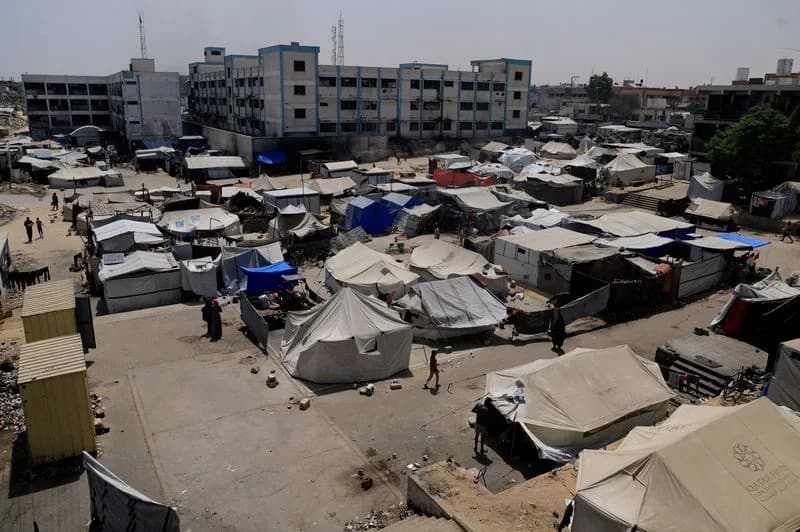
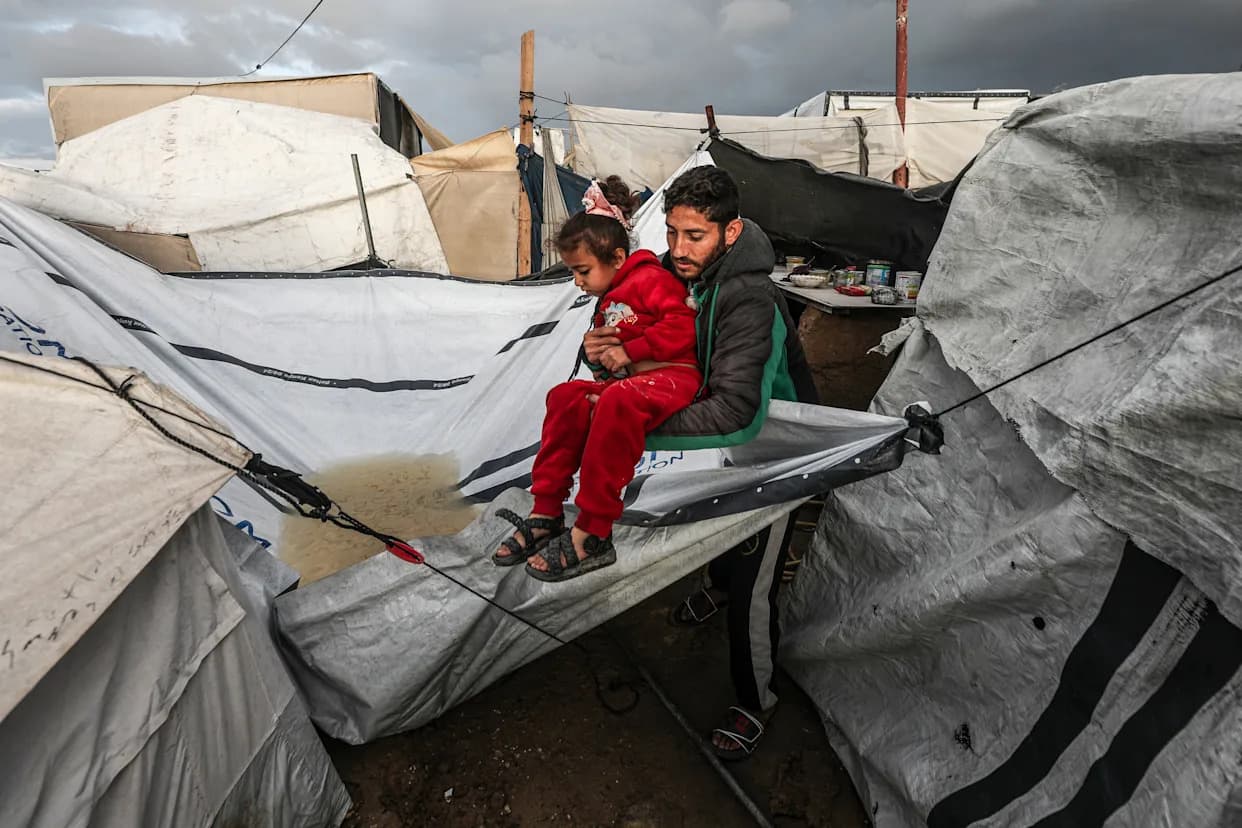
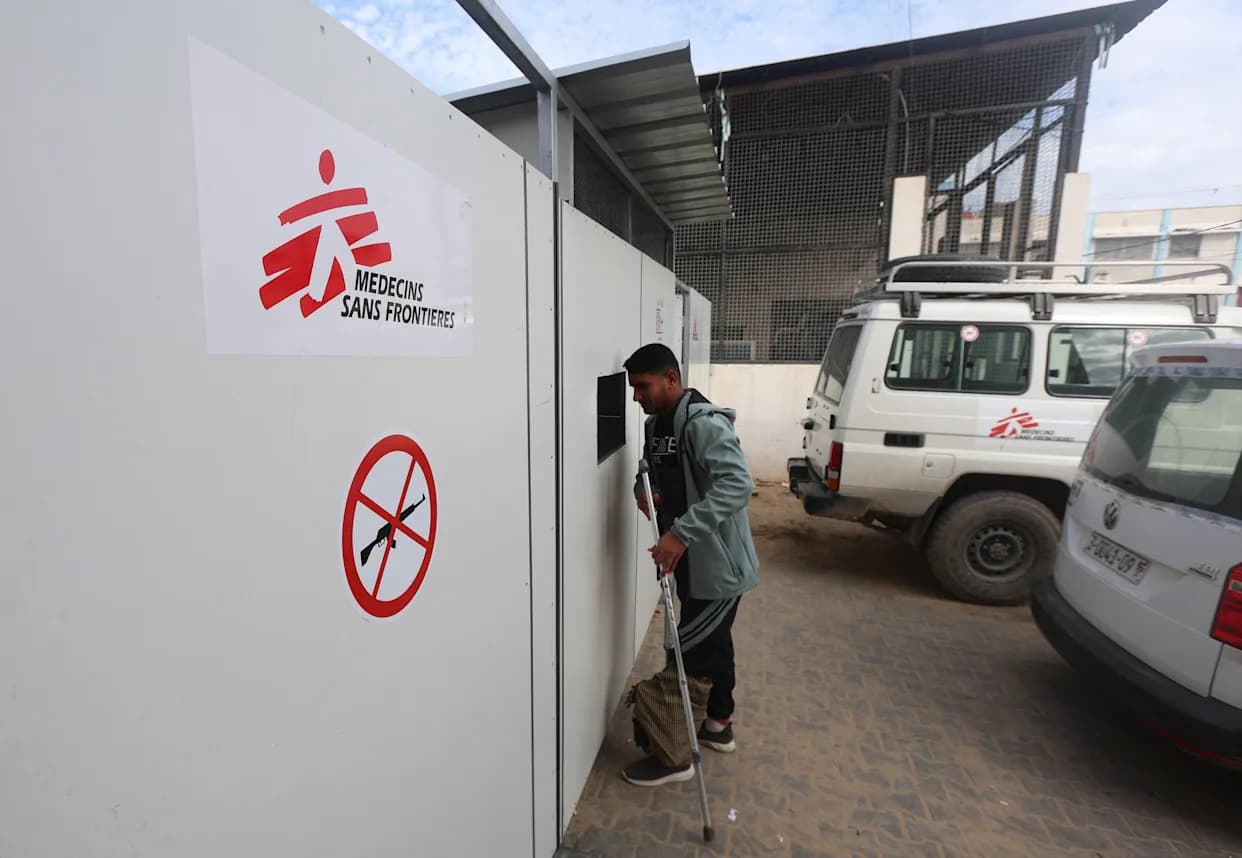
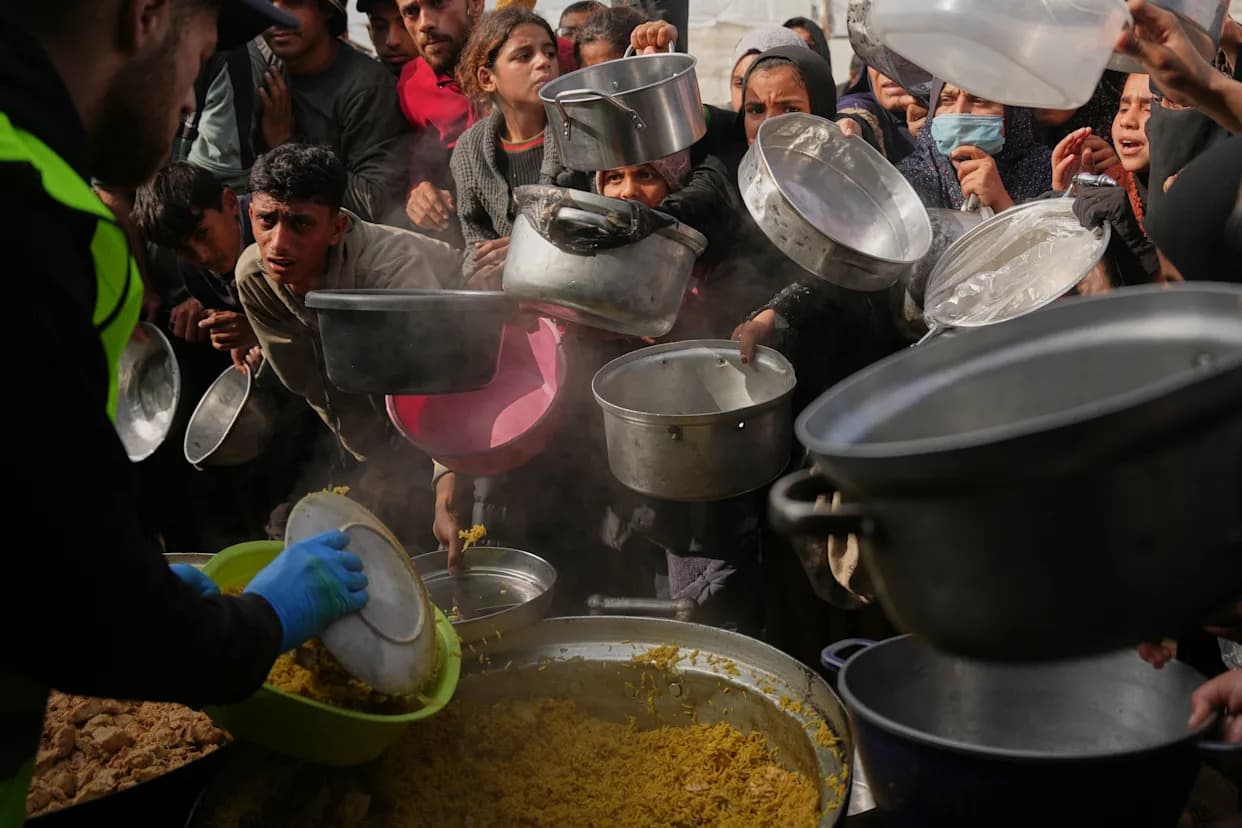
The demolition took place amid a broader Israeli campaign restricting humanitarian activity: authorities have revoked operating licences for 37 aid organisations, including Médecins Sans Frontières (Doctors Without Borders), citing non-compliance with new reporting requirements. Humanitarian groups warn the measures will hinder life-saving assistance to the Gaza Strip, home to roughly 2.2 million people.
Despite a ceasefire declared in October, access to aid for Gaza has been tightly controlled and conflict-related operations there have resulted in the deaths of more than 460 Palestinians, according to the figures cited in reports about the incident.
Political Reactions
Palestinian leaders described the demolition as more than a property dispute. Mustafa Barghouti, secretary-general of the Palestinian National Initiative, told Al Jazeera Arabic that the operation appears intended to erode refugees' political rights and to dismantle health and education services that support Palestinian resilience. He accused Israel of pursuing a strategy to further the "Judaisation" of Jerusalem and parts of the West Bank.
European and other international critics have accused Western governments of failing to act. Luisa Morgantini, a former vice president of the European Parliament, said international silence risks complicity and called for stronger measures, including trade restrictions, to deter further actions.
Escalation in East Jerusalem
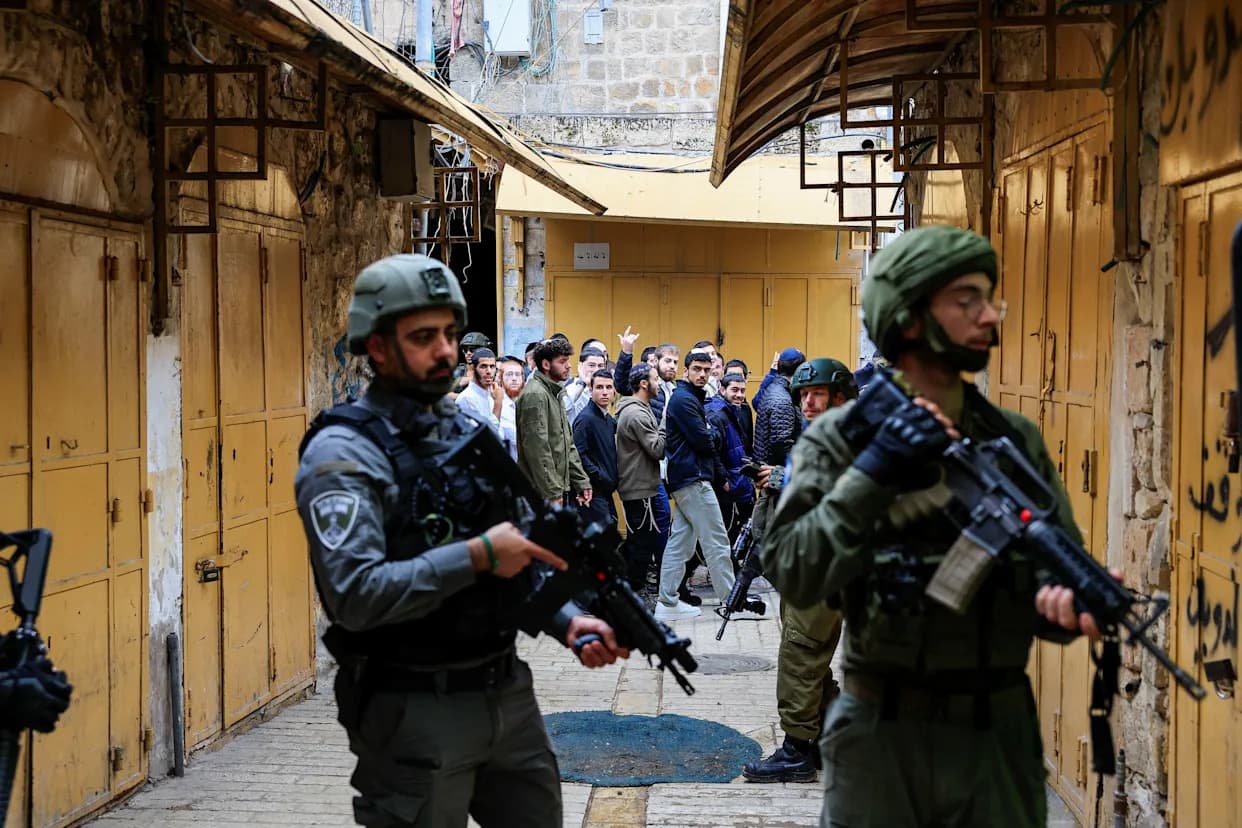
Reports said Israeli forces fired tear gas at an UNRWA vocational school shortly after the headquarters raid, raising tensions in East Jerusalem. UNRWA staff and humanitarian workers face growing risks as political pressure and regulatory hurdles increase.
Background: UNRWA and the Refugee Issue
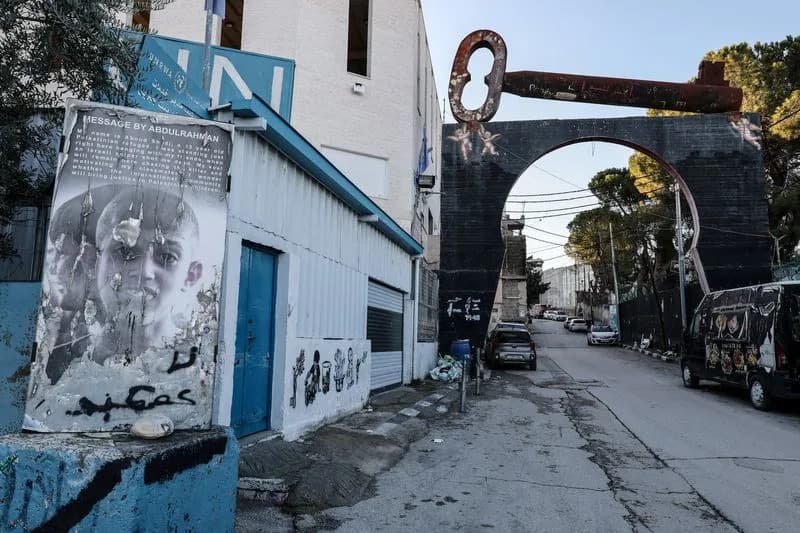
UNRWA was established by the UN General Assembly in 1949 to provide basic services—food, healthcare and education—to Palestinian refugees and their descendants. The agency operates across Palestinian territories and neighbouring countries, including East Jerusalem, the Gaza Strip, Syria, Lebanon and Jordan. More than 750,000 Palestinians were displaced around the time of Israel's creation in 1948, an event Palestinians commemorate as the Nakba ("catastrophe").
What Comes Next
International legal and diplomatic debate is likely to intensify. UN and humanitarian officials have urged immediate protection for aid workers and premises, and some Palestinian leaders are calling for sanctions and other international measures. The incident has amplified concerns that political steps could further restrict humanitarian access and erode protections for refugees and international organisations operating in the region.
Help us improve.