Former Mérida mayor Carlos García was detained by ICE in Ohio while his family fears deportation back to Venezuela could expose him to imprisonment or worse. García and his wife, Gaby Duarte, fled Venezuela in 2017 and later sought asylum in the U.S.; their two young children remain with Duarte. ICE says García was initially apprehended at the border in February 2022 and will remain in custody pending immigration proceedings. His next hearing is set for February 10, and the family has secured legal counsel.
Ex-Venezuelan Mayor Arrested by ICE in Ohio — Family Fears Deportation Could Mean Imprisonment or Worse
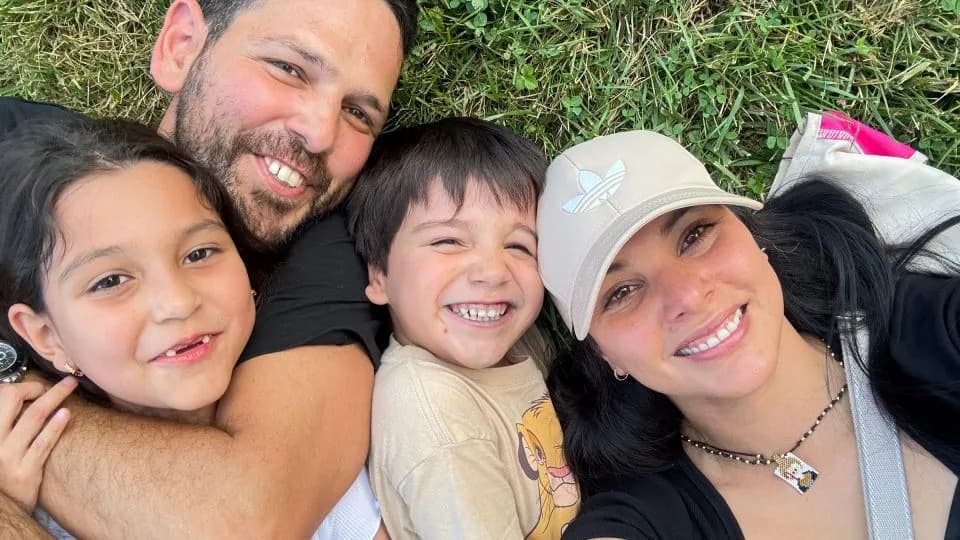
Carlos García and Gaby Duarte with their two children. - García Family
Gaby Duarte believed the United States would offer safety for her family when she and her husband, former Mérida mayor Carlos García, resettled in Ohio after fleeing political persecution in Venezuela. That sense of security collapsed when García was detained by U.S. immigration authorities during an immigration-status check and is now being held at Butler County Jail in Hamilton, Ohio.
What Happened
Duarte says she and García left Mérida in 2017 amid escalating repression. Five years later they moved to the United States while pursuing asylum. According to Duarte, the couple crossed the Rio Grande, voluntarily surrendered to border patrol and submitted an asylum claim. The couple's children, Carlota (7) and Carlitos (5), were not detained.
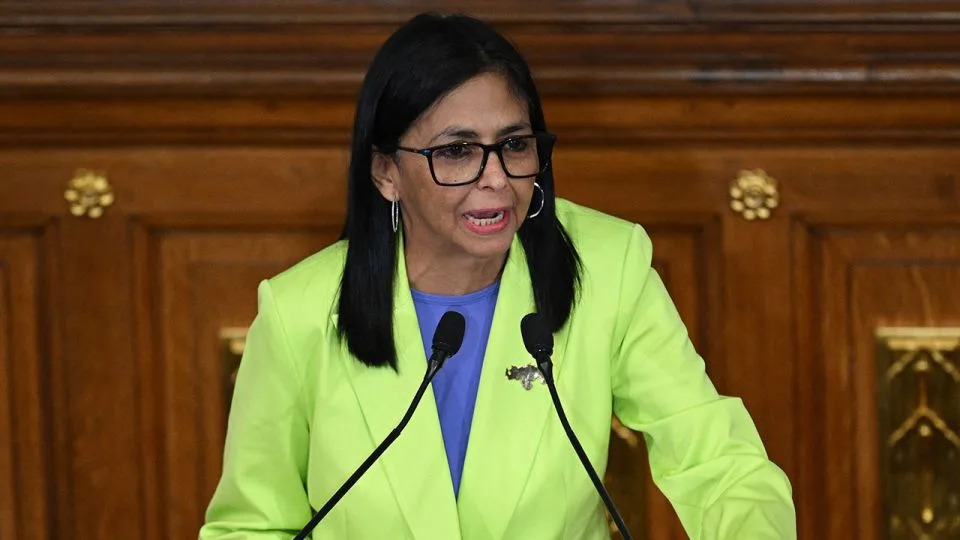
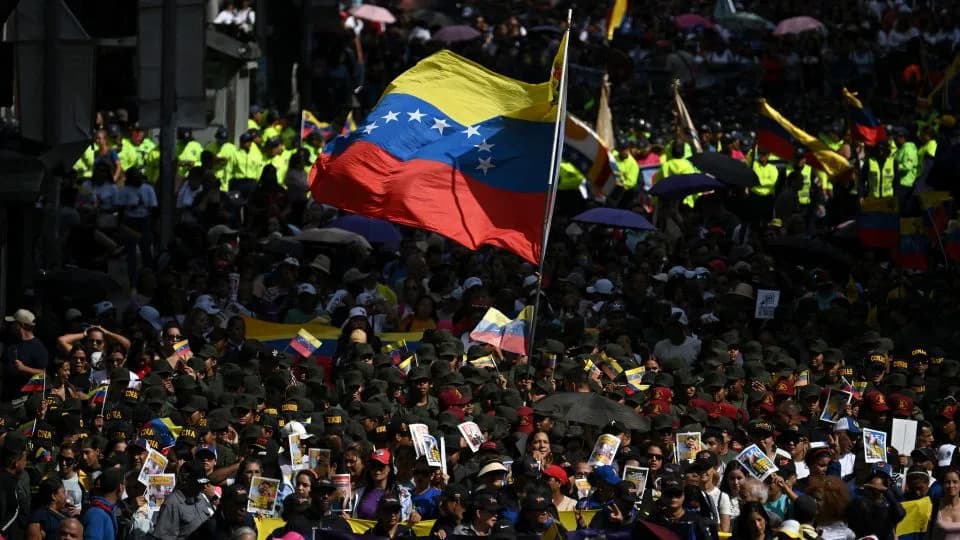
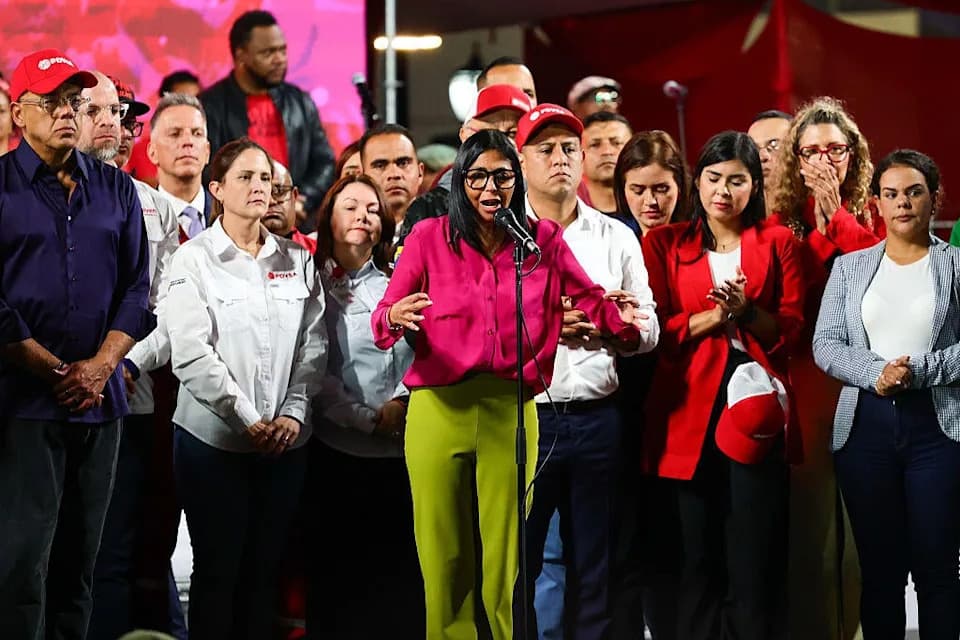
Venezuela's acting president Delcy Rodriguez speaks during a presidential address to Parliament at the National Assembly in Caracas on January 15. - Federicoi Parra/AFP/Getty Images
ICE told CNN that García was first apprehended in February 2022 after crossing into the U.S. and was later released. The agency said García "will remain in ICE custody pending further immigration proceedings and will receive full due process." Duarte describes watching plainclothes ICE agents enter the room where her husband was being interviewed and escort him away in handcuffs.
Why the Family Fears Deportation
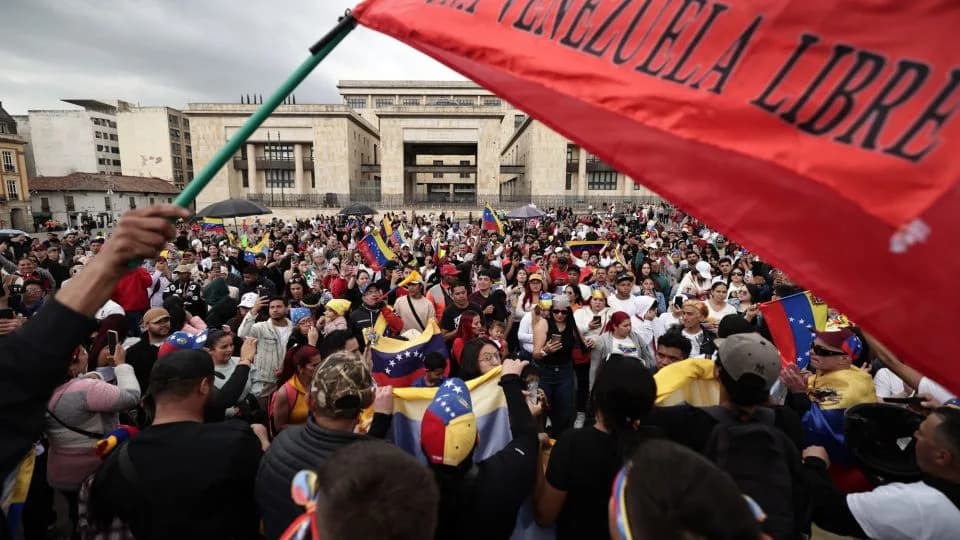
García served as an opposition mayor in Mérida during some of Venezuela's most turbulent years (2014–2017), a period marked by mass protests and violent clashes with security forces and pro-government groups known as "colectivos." In 2017 he was later sentenced in Venezuela to 15 months in prison related to his role during those protests. Duarte and human-rights advocates warn that deportation could expose García to detention, mistreatment, or worse on return.
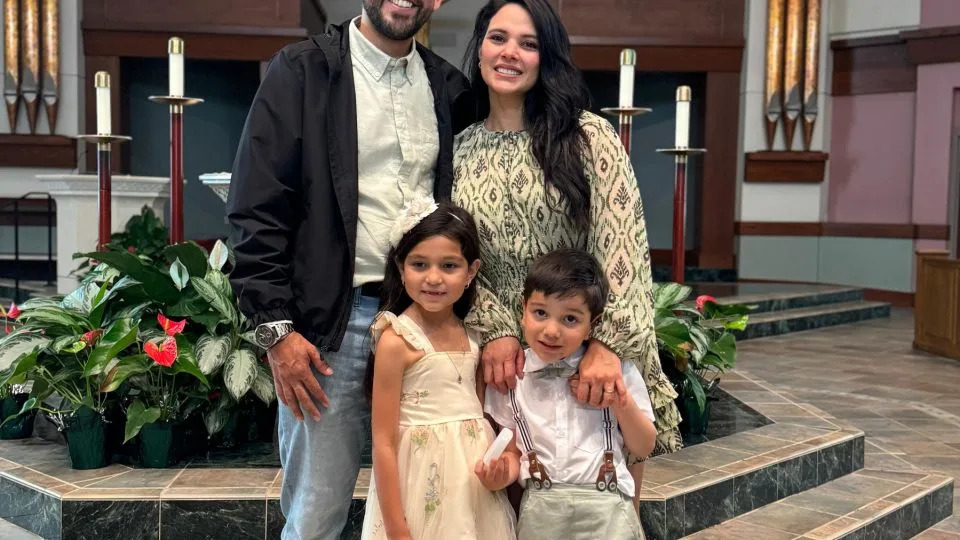
Carlos García and Gaby Duarte with their two children. - García Family
“A deportation would put at risk his freedom and his life, as well as the life of our family,”
Legal And Human Rights Context
The Biden administration designated Temporary Protected Status (TPS) for Venezuelans in March 2021, and U.S. immigration policy for Venezuelan nationals has since been the subject of legal and political dispute. Human-rights organizations and legal experts emphasize the non-refoulement principle — the international rule that forbids returning people to a country where they face serious harm — and warn that opposition figures returned to Venezuela risk arbitrary detention and abuse.
Oscar Murillo, coordinator of Caracas-based rights group Provea, told CNN that arbitrary detention and torture remain concerns in Venezuela. Venezuelan authorities have denied systematic abuses. In Venezuela, authorities recently announced a new "Program of Peaceful Cohabitation," and officials say some inmates have been released, though rights groups dispute the scope of those releases.
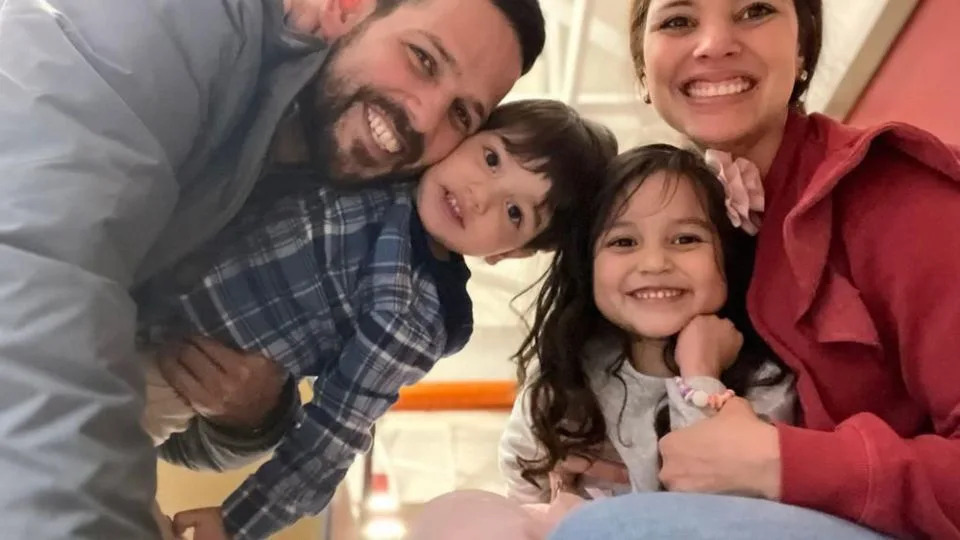
Carlos García and Gaby Duarte with their two children. - García Family
Next Steps For The Family
García's immigration hearing is scheduled for February 10. The family has retained a local Ohio law firm to represent him. Duarte says she is trying to protect her children and maintain normalcy while she awaits the outcome of the legal process.
Back in Mérida, many of García's former colleagues are reluctant to speak publicly about the arrest. Supporters and legal advocates are monitoring the case closely, citing both immigration law and international human-rights protections as central to García's fate.
Help us improve.