Venezuela has released only a small fraction of the more than 800 people regarded as arbitrarily detained: human rights group Penal Forum counts 49 releases versus 116 claimed by authorities. Families camp outside detention centers demanding proof that relatives are alive and access to visit them. The UN Fact-Finding Mission and Amnesty International say the numbers fall far short of obligations and call for immediate, unconditional releases and full transparency.
Venezuelans Demand 'Proof of Life' as Government Frees Only Dozens of Political Prisoners
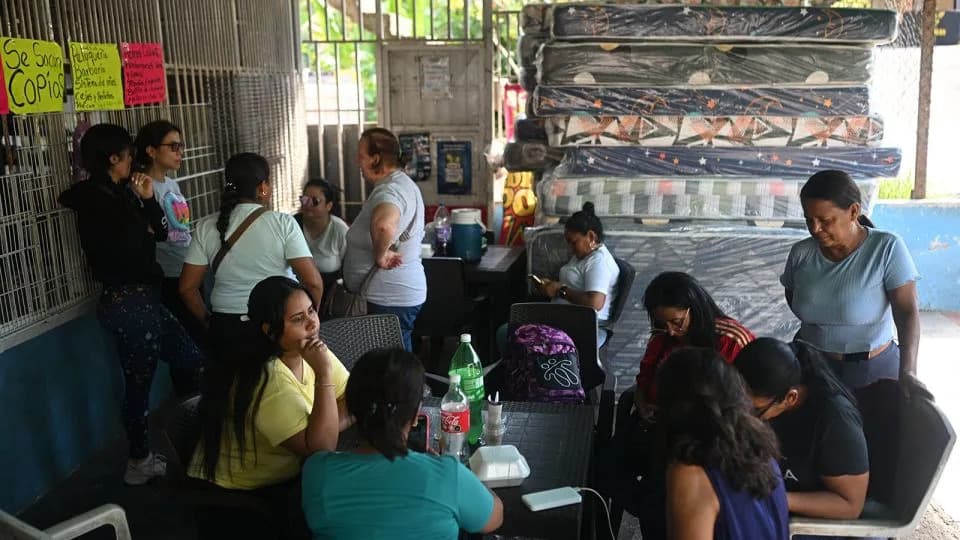
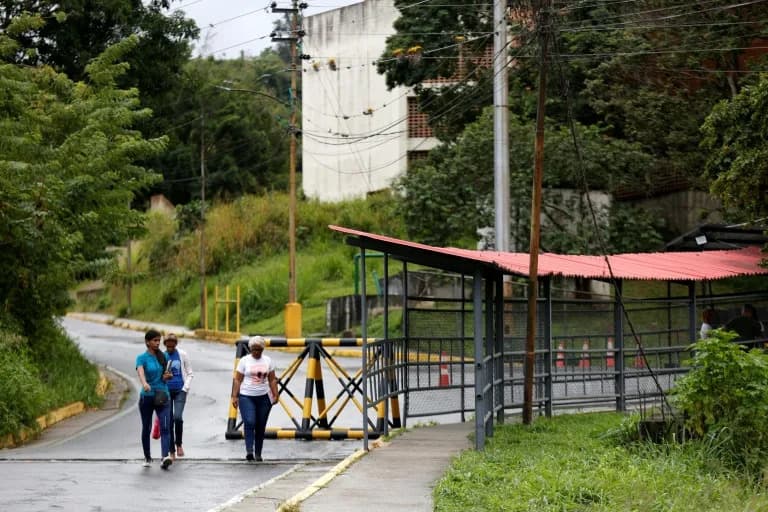
Relatives of detainees wait for news on the release of prisoners, outside El Rodeo I prison in Guatire, Miranda State, some 30 kilometers east of Caracas on Monday, January 12. - Federico Parra/AFP/Getty Images
Venezuela's pledge last week to free "a significant number" of political detainees has unfolded much more slowly than many families expected, leaving hundreds still waiting for news of loved ones allegedly held for political reasons.
Releases So Far
Human rights group Penal Forum reports that, of the more than 800 people regarded as arbitrarily detained for political reasons, only 49 had been released as of Monday afternoon. Venezuelan authorities said they registered 116 releases but have not published names or disclosed which detention centers those freed were transferred from.
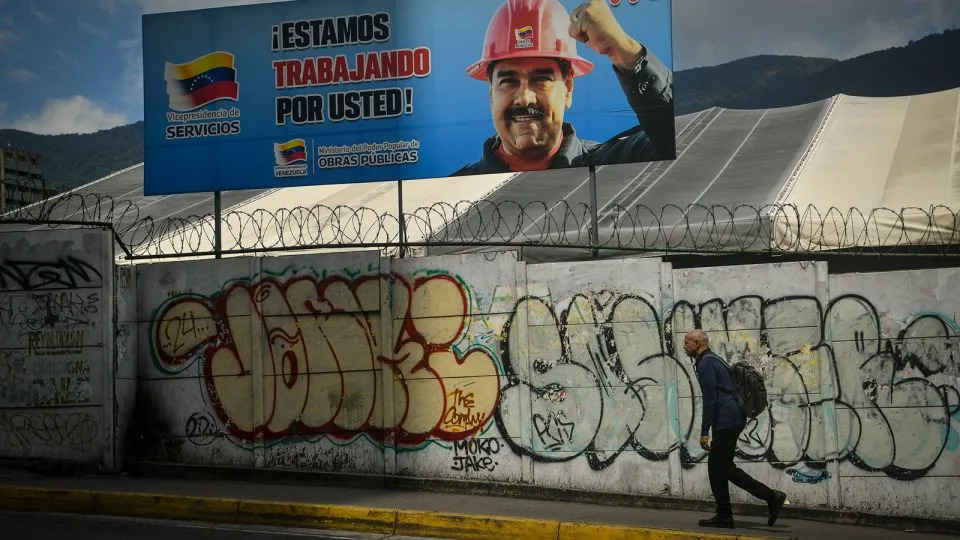
A man walks by a billboard of Nicolas Maduro on January 12, 2026 in Caracas, Venezuela. Venezuelan authorities have announced the liberation of 116 prisoners as part of the actions ordered by Nicolas Maduro prior to his capture by US forces. - Carlos Becerra/Getty Images
Families Demand Proof Of Life
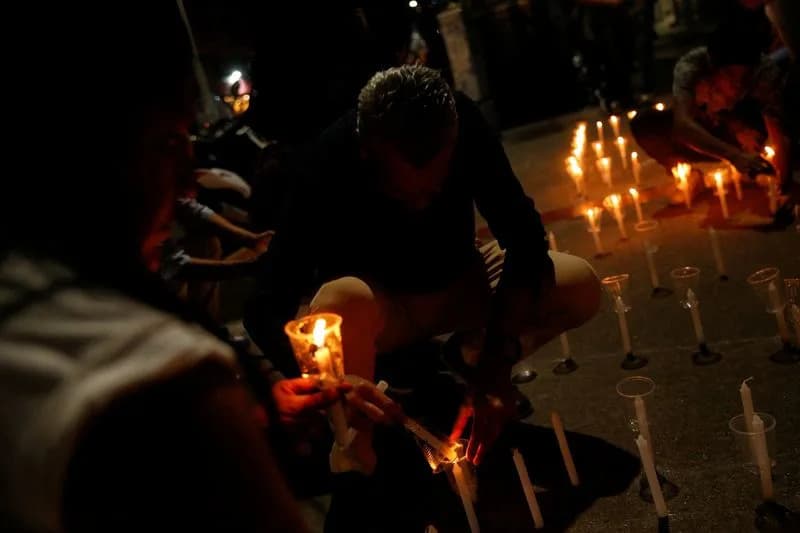
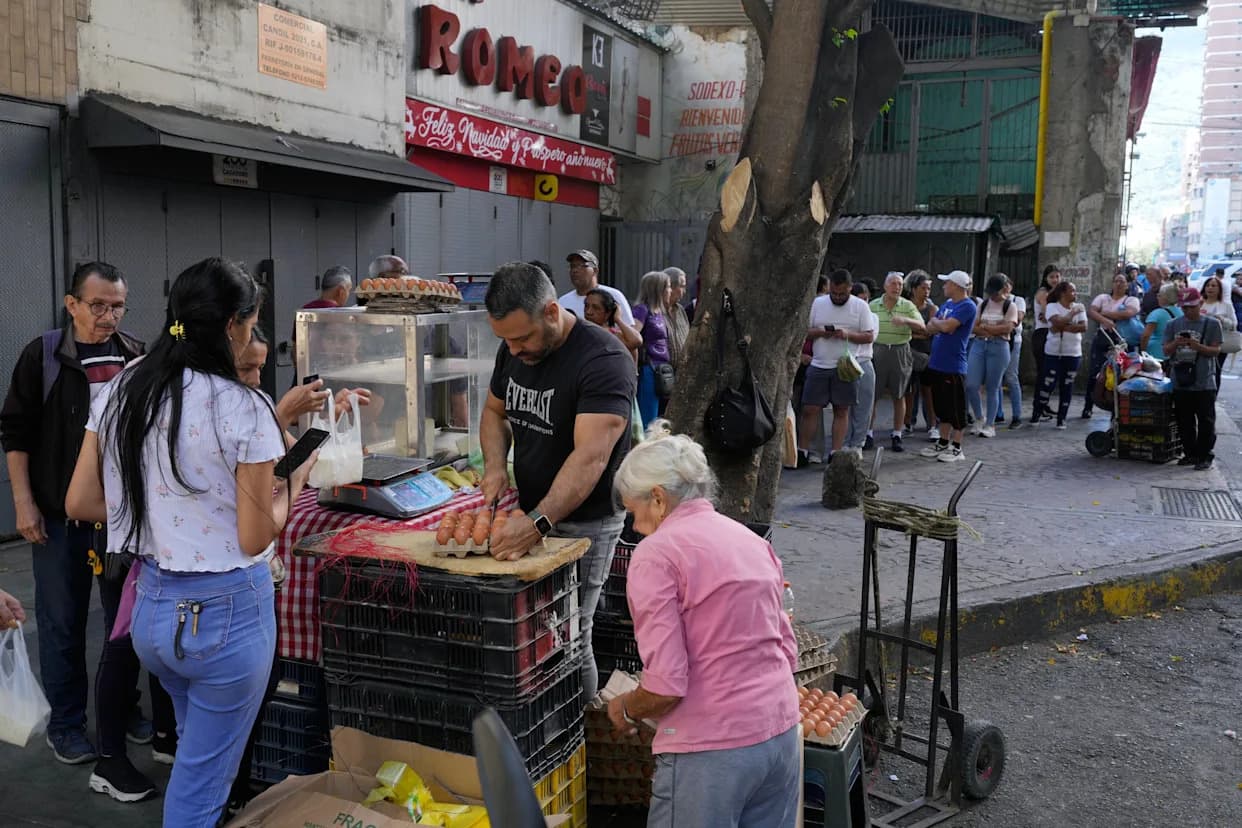
Relatives have camped for days outside prisons and detention centers, lighting candles, hanging protest signs and praying as they demand clear information. Many are asking the government to provide proof that detainees are alive — for example, by permitting video calls or sharing recent photographs — and to allow regular family visits.
'Put your hand on your heart, Héctor Rodríguez and Delcy Rodríguez. If they were your family members, what would you be doing?' said Evelis Cano, the mother of a detainee, appealing directly to officials for empathy and transparency.
Death In Custody Raises Alarm
Calls for proof of life intensified after prosecutors confirmed the death of at least one detainee. Authorities said Edilson José Torres Fernández, a 52-year-old active national police officer detained since December 11, died on January 10 after a sudden health crisis described by prosecutors as a stroke followed by cardiac arrest. Family groups and activists said Torres had been detained for sharing messages critical of the government and criticized officials for not releasing him earlier for medical care.
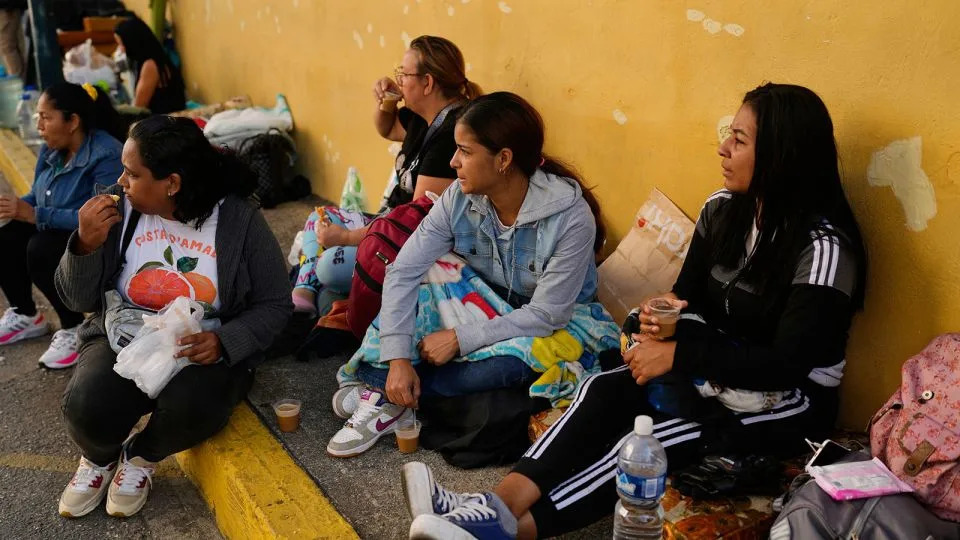
Relatives wait outside Zone 7 of the Bolivarian National Police, where political detainees are held, after spending the night there in Caracas, Venezuela, Monday, January 12. - Ariana Cubillos/AP
Transparency Concerns
Civil society organizations and international rights groups say the government has not been sufficiently transparent about who has been released. In response to inquiries, the Public Prosecutor's Office said that 'for now' there is no official list of people released. Amnesty International and the UN Fact-Finding Mission on Venezuela warned that the reported numbers fall far short of Venezuela's human rights obligations and called for immediate, unconditional releases and unhindered family access.
High-Profile Releases And Remaining Questions
Among those reported freed last week were former presidential candidate Enrique Márquez and businessman and ex-lawmaker Biagio Pilieri, both reported to have been held at El Helicoide, the notorious detention complex in Caracas. Rights groups say many prominent activists and human rights defenders remain detained or have effectively disappeared amid what they describe as a campaign of enforced disappearances.
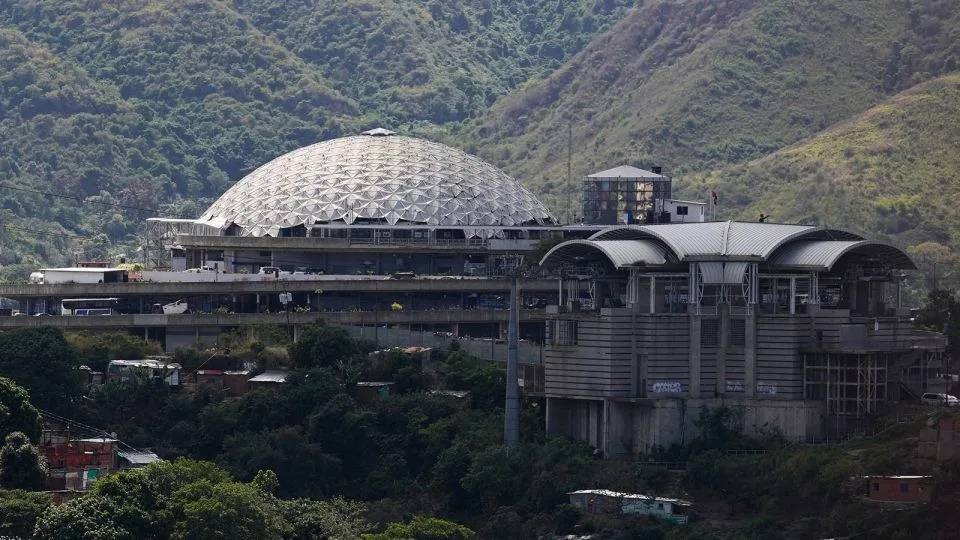
El Helicoide, the headquarters of Venezuela's intelligence service and detention center, stands in Caracas, Venezuela, Thursday, January 8,. - Matias Delacroix/AP
International And Political Reactions
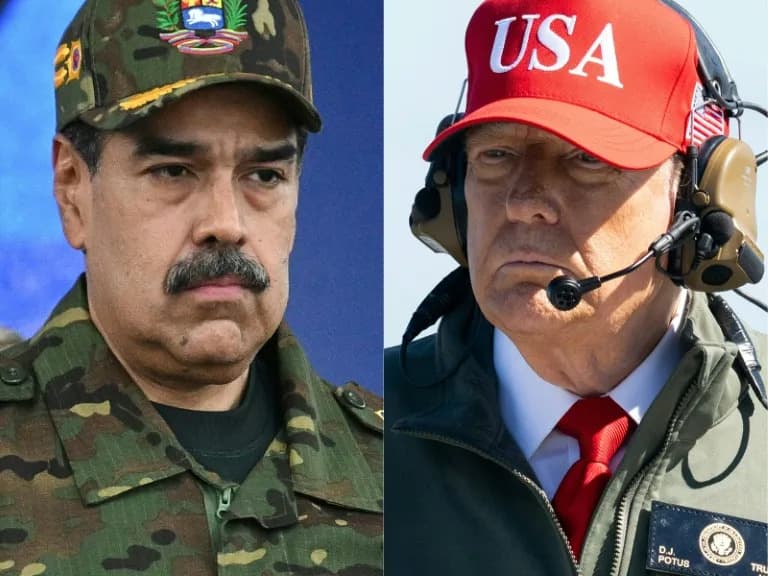
The government described the releases as part of a case review it said began 'voluntarily' under President Nicolás Maduro and is continuing under acting president Delcy Rodríguez. Officials framed some releases as a gesture 'to seek peace' with Washington following reports of a U.S. operation involving Maduro; such claims have not been independently verified in this report. Opposition figures say the scope of the releases is insufficient and have sought international support to press for the release and protection of detainees' rights.
What Families Are Asking For
Families and rights defenders emphasize three immediate steps: an official, publicly available list of those released; verified proof of life (video calls or recent photos) for those still detained; and guaranteed access for relatives and lawyers to detention facilities. Petra Vera, a relative of a detainee, said: 'If this proof of life cannot be issued — which is the only thing we are asking for — then give us the opportunity to access the facilities and see our relatives.'
What remains clear: official figures and statements about releases are inconsistent; families remain in anguish; and international rights bodies continue to press for greater transparency and the immediate release of anyone held arbitrarily.
Help us improve.