Mayors at the United States Conference of Mayors warned that aggressive federal immigration enforcement is eroding trust in local police and complicating community policing. Burnsville Mayor Elizabeth Kautz said she now carries her passport after encountering ICE agents, and several leaders warned that tactics perceived as an occupation endanger officers and residents. While some praised efforts to remove criminal undocumented immigrants, mayors urged de-escalation and better coordination with federal authorities.
Mayors Warn: Trump’s Aggressive ICE Raids Are Undermining Trust In Local Police
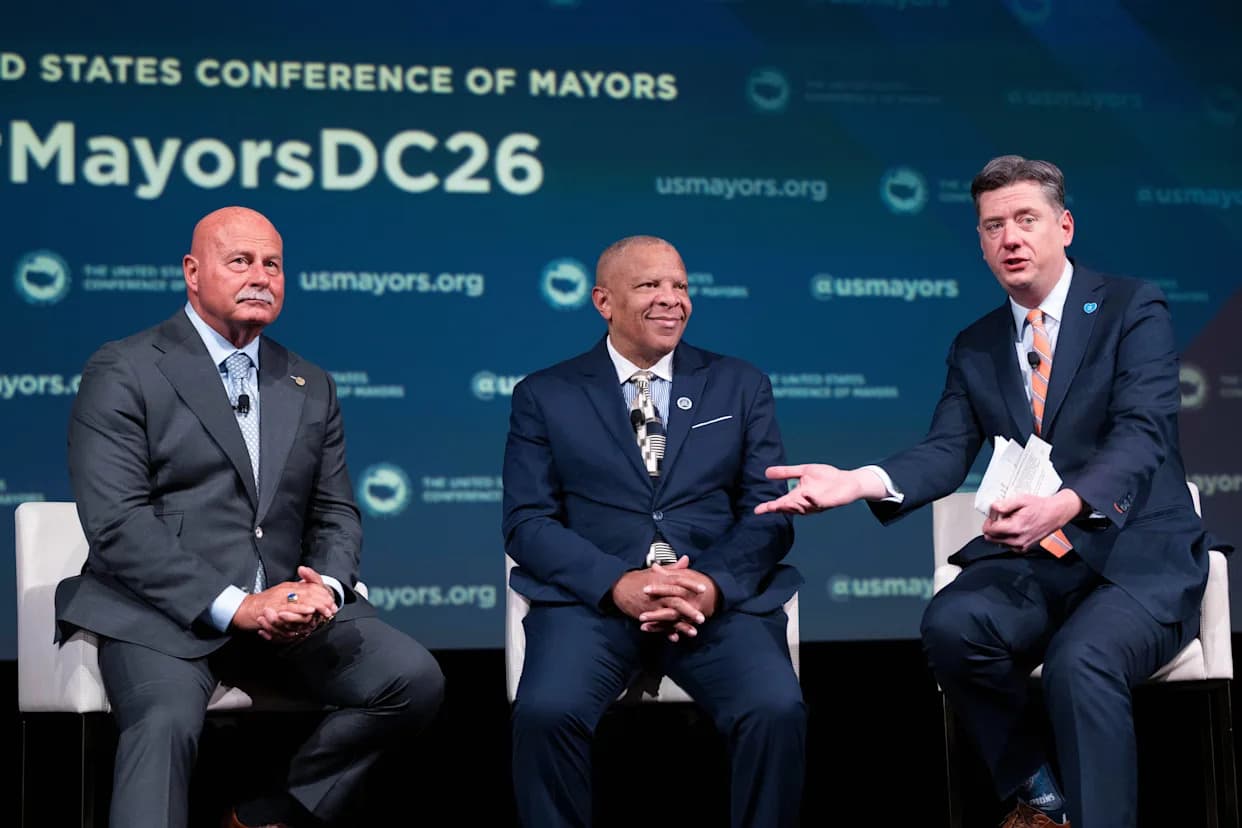
Oklahoma City Mayor David Holt, right, speaks during a panel discussion with Fresno, Calif. Mayor Jerry Dyer, left, and Omaha, Neb. Mayor John Ewing, Jr. during the 94th Winter Meeting of the U.S. Conference of Mayors, Wednesday, Jan. 28, 2026 in Washington. (AP Photo/Kevin Wolf)(ASSOCIATED PRESS)
Washington — Mayors from across the country warned Wednesday that aggressive federal immigration enforcement under the Trump administration is damaging public trust in local law enforcement and complicating community policing.
Burnsville Mayor Elizabeth Kautz, a Republican who has led the Minneapolis suburb since 1995, said she now carries her passport whenever she leaves home because she worries about being stopped by federal immigration agents.
“Those ICE agents don't know that I'm the mayor of the city of Burnsville,” Kautz said at the United States Conference of Mayors. “I could be coming out of a store and be harassed, so I need to make sure that I have credentials on me.”
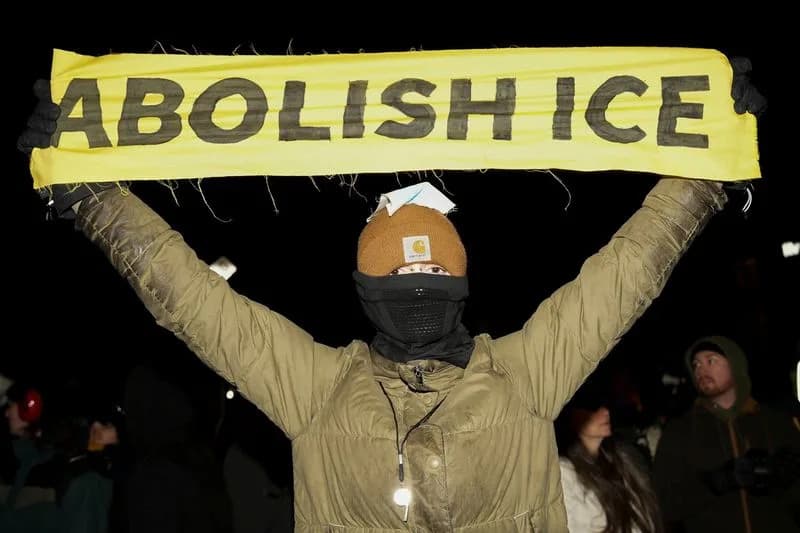
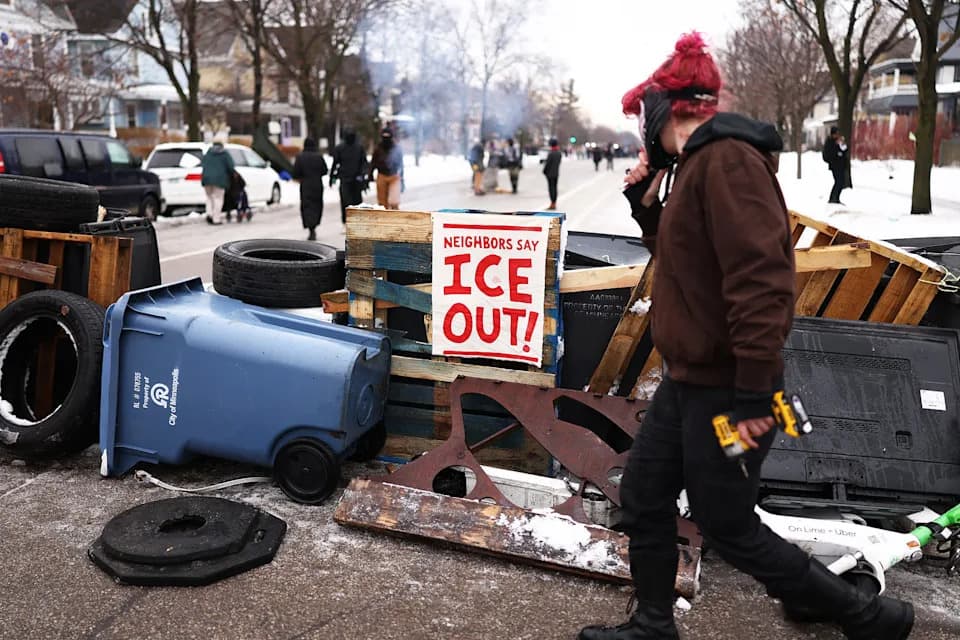
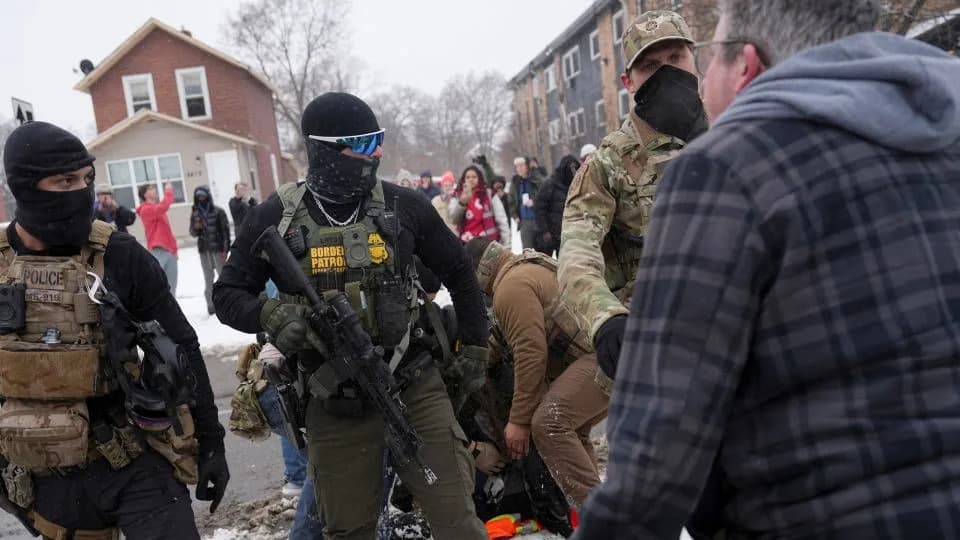
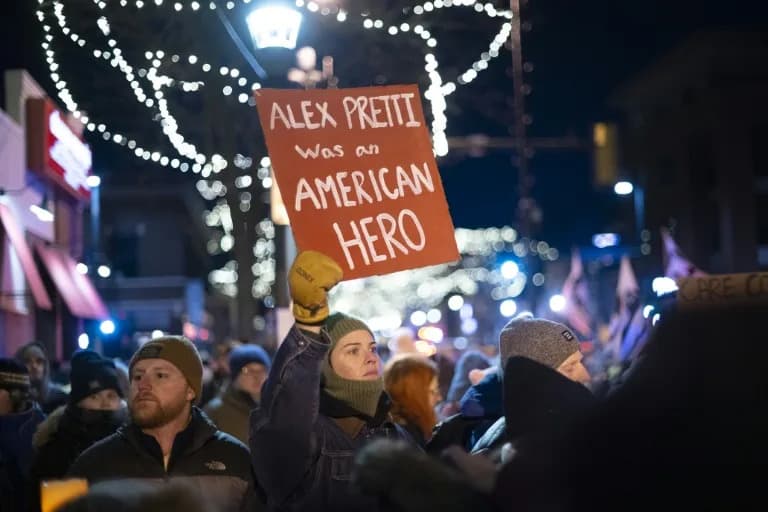
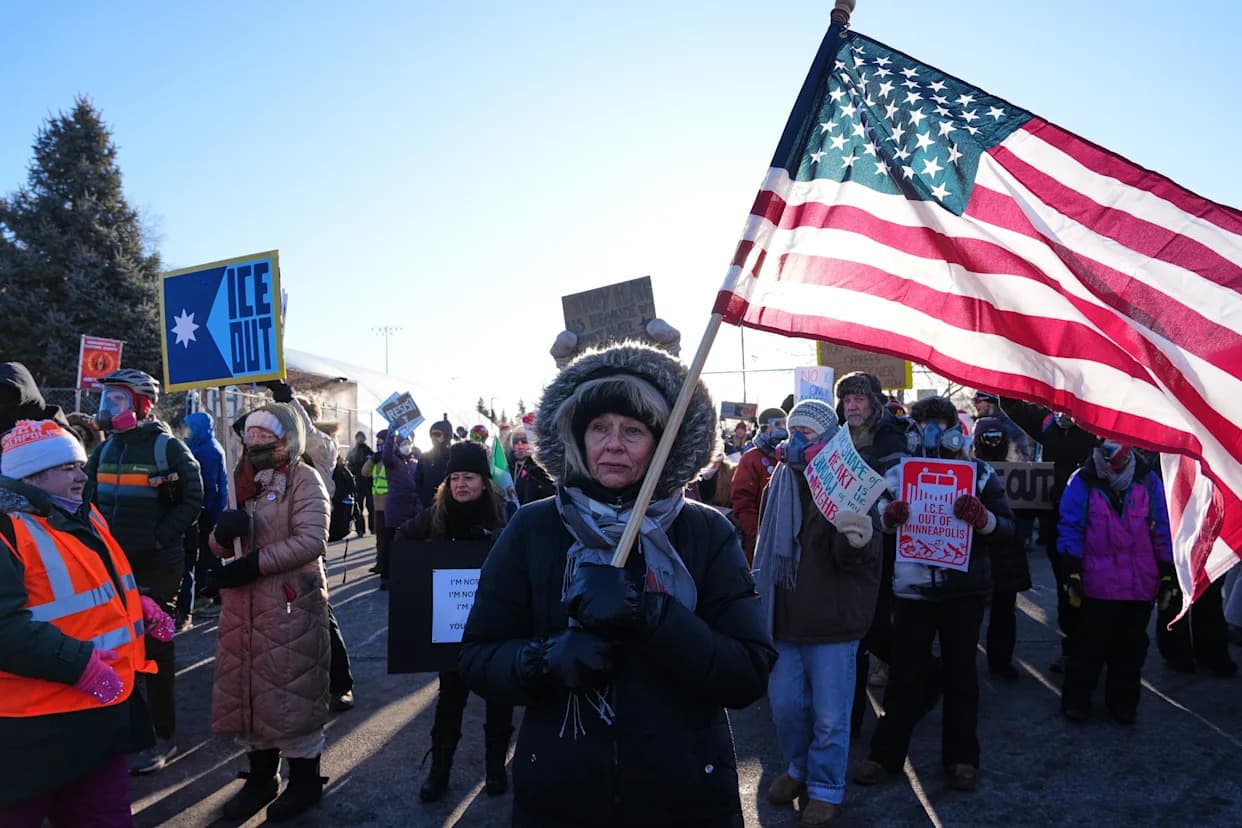
The gathering — normally focused on issues such as affordable housing, transit, climate and urban violence — was dominated by fallout from the killing of Alex Jeffrey Prettiby by two federal agents in Minneapolis on Saturday, an incident that renewed a national debate over the administration’s forceful law enforcement tactics in cities.
Mayors Call For De-Escalation And Better Coordination
Oklahoma City Mayor David Holt, the conference president, described the situation in Minnesota as a pressing challenge. “There has been no more urgent challenge facing all Americans these past few weeks than the chaos in Minnesota stemming from an unprecedented surge in immigration enforcement,” he said.
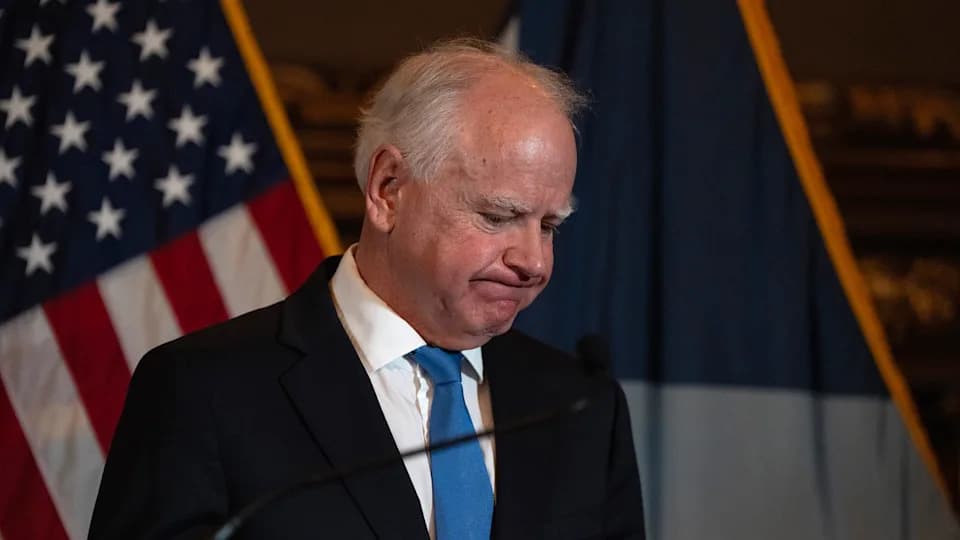
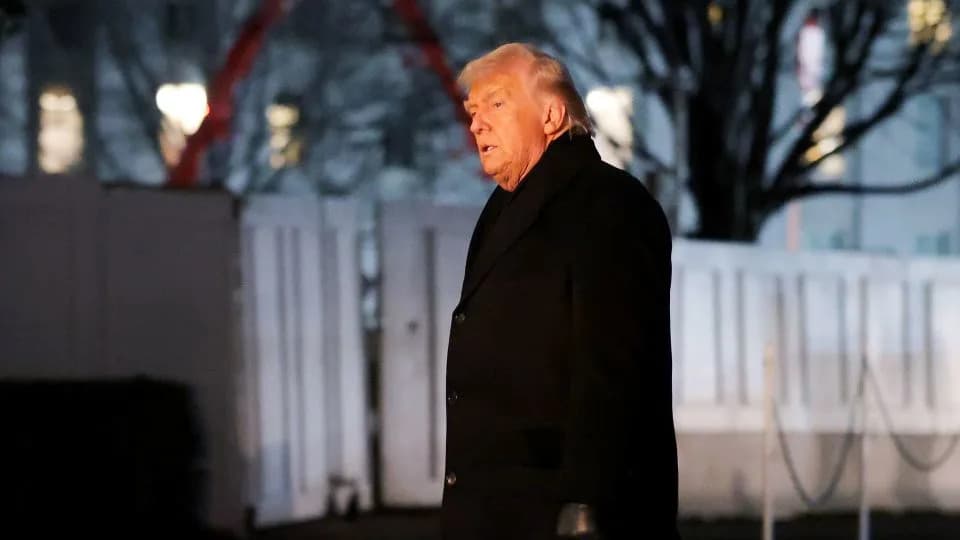
Several mayors said they appreciated President Trump’s indication this week that federal operations in Minnesota might be scaled back, and they affirmed the importance of removing undocumented immigrants who have committed crimes. But they also stressed that local officials have limited authority to expel federal agents from their communities and struggle to balance constituent demands with public-safety responsibilities.
“When trust is lost in how laws are being enforced in one city, we feel the risks to our police officers and to our residents in all cities,” said Leirion Gaylor Baird, the Democratic mayor of Lincoln, Nebraska.
Department of Homeland Security spokeswoman Tricia McLaughlin defended the federal effort, pointing to declines in murder rates and saying, “It’s not a coincidence when you remove tens of thousands of gang members, murderers and known and suspected terrorists from the country who were here illegally.”
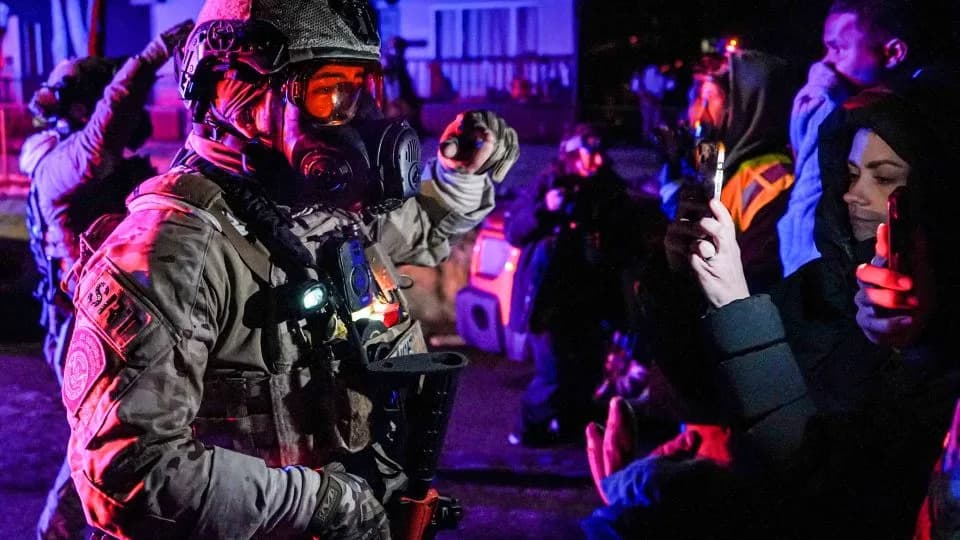
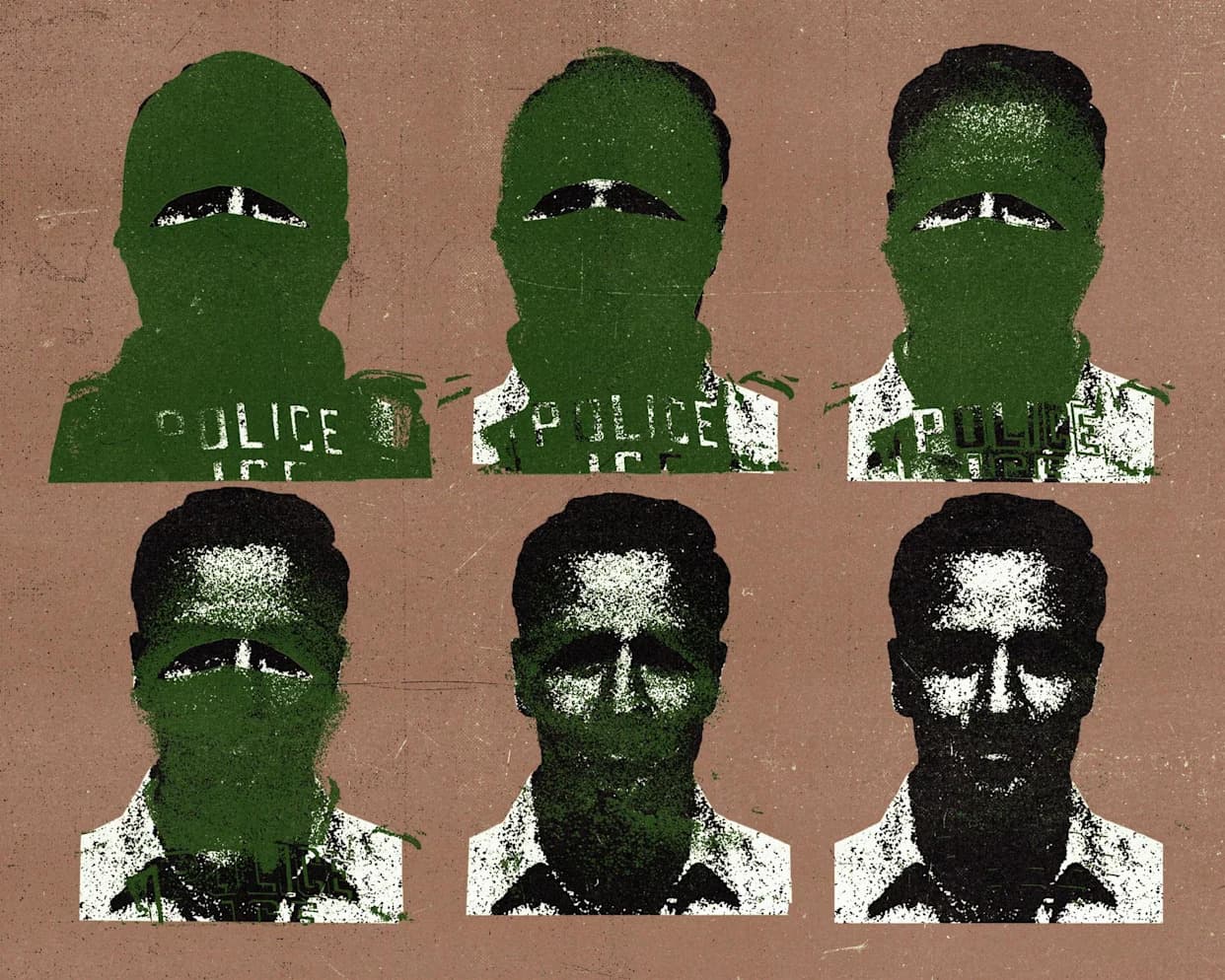
But several local leaders warned that tactics perceived as heavy-handed or like an occupation can undermine police-community trust and make policing more dangerous.
Jerry Dyer, elected mayor of Fresno in 2020 after 18 years as the city’s police chief, said he was not in Washington to accuse ICE or the administration of bad intent. He praised efforts to secure the border but criticized how immigration sweeps have been carried out, saying the operations are being rejected by communities.
“In order to gain that trust, we have to police neighborhoods with their permission,” Dyer said. “We cannot be seen as an occupying force when we go into these neighborhoods.”
Jim Hovland, the nonpartisan mayor of Edina, Minnesota, described “external forces” that are straining the fabric of community life and acknowledged the difficulty of responding to federal actions while maintaining local trust and safety.
Holt added that the White House did not invite the mayors to meet while they were in Washington, and noted ongoing tensions between local officials who want to protect community trust and federal leaders focused on aggressive enforcement.
As mayors return to their cities, many said they will continue pressing for clearer coordination with federal agencies and for enforcement approaches that protect public safety without eroding the trust essential to effective local policing.
Help us improve.