Mormon Women for Ethical Government (MWEG) began as a 2017 Facebook group and grew into a roughly 9,000-member, faith-driven civic organization in Utah. The group helped pass Proposition 4 in 2018 to create an independent redistricting commission, sued after lawmakers repealed the measure and won a court ruling last summer that requires new, nonpartisan maps. Those new maps could make a Utah congressional seat competitive in 2026, even as Republicans mobilize to repeal Proposition 4 by petition.
How Mormon Women Stopped A Republican Redistricting Push In Utah — And Won
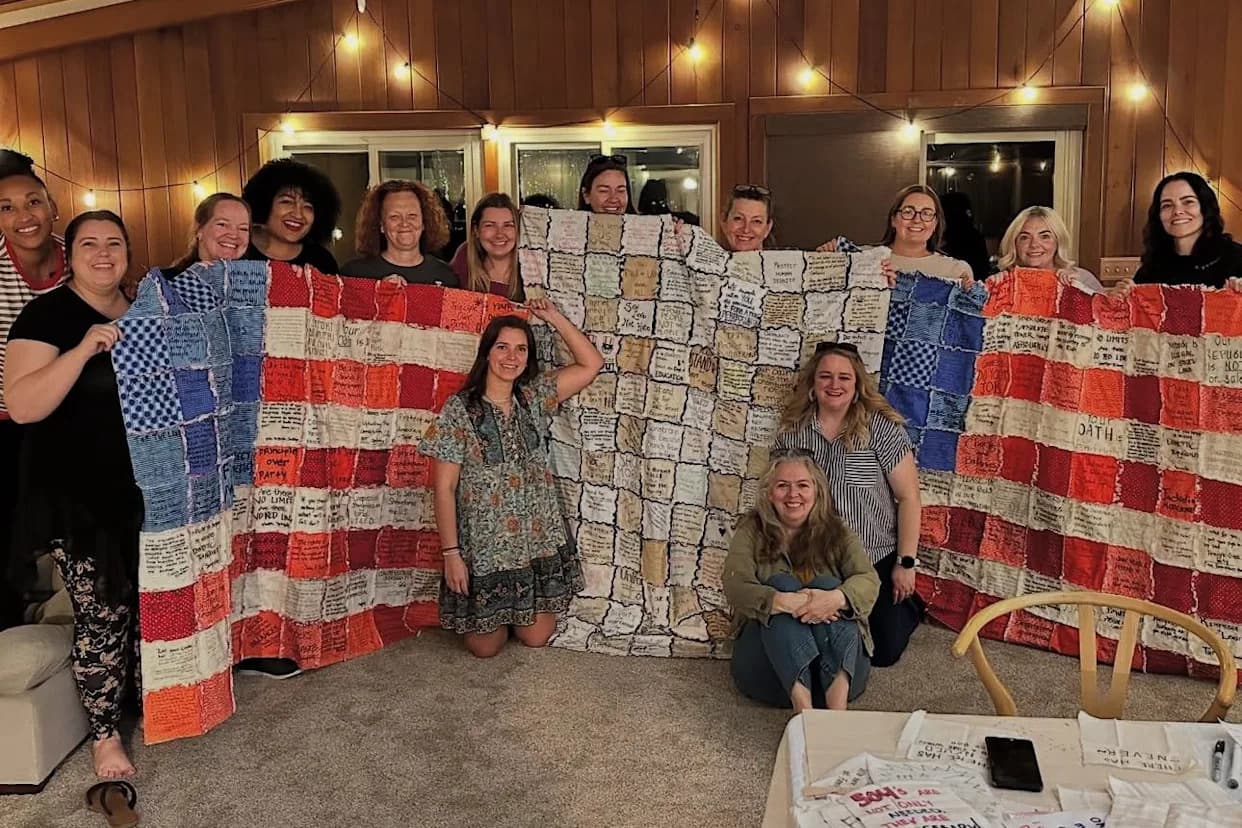
Members of Mormon Women for Ethical Government organize a quilt-in, sewing constituent messages to deliver to their representatives and senators, in Provo, Utah, on 10 April 2025.Photograph: Courtesy of Mormon Women for Ethical Government(Photograph: Courtesy of Mormon Women for Ethical Government)
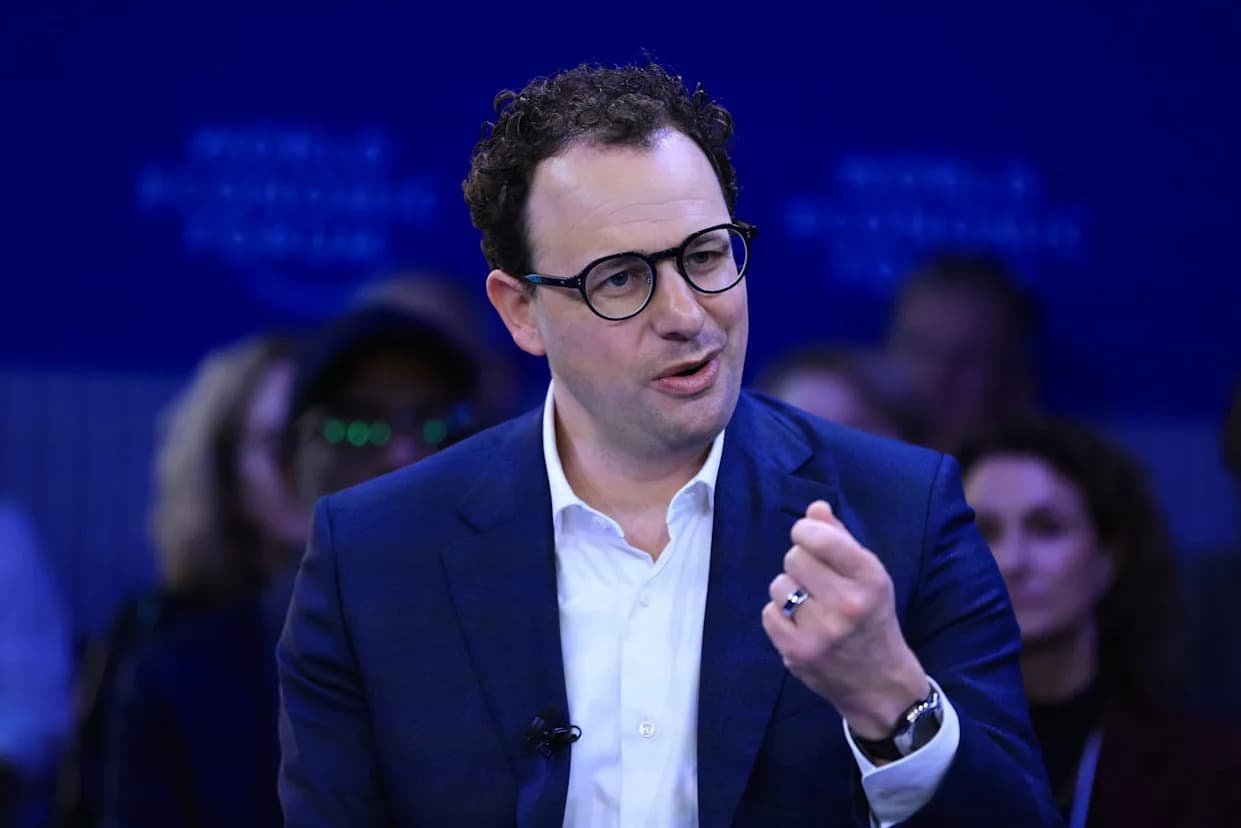
Emma Petty Addams learned early how to bridge political divides. Raised a conservative Mormon in California's progressive San Francisco Bay Area, she kept her Republican identity at Stanford and often found herself the lone conservative voice in liberal spaces. Today she is co-director of Mormon Women for Ethical Government (MWEG), a bipartisan, faith-driven network of roughly 9,000 women that has become a powerful civic force in Utah.
Origins: From Facebook Group To Civic Movement
MWEG began in 2017 as a private Facebook group for mostly conservative Mormon women alarmed by then-president Donald Trump's rhetoric and policies toward women, immigrants and refugees. Early conversations mixed personal stories, scriptural appeals to welcome the stranger and discussions about public policy. Membership surged quickly — reaching about 4,000 in the first month and roughly 9,000 members nationwide today — and the group broadened into an organized civic actor with members across the political spectrum.
Turning Concern Into Action
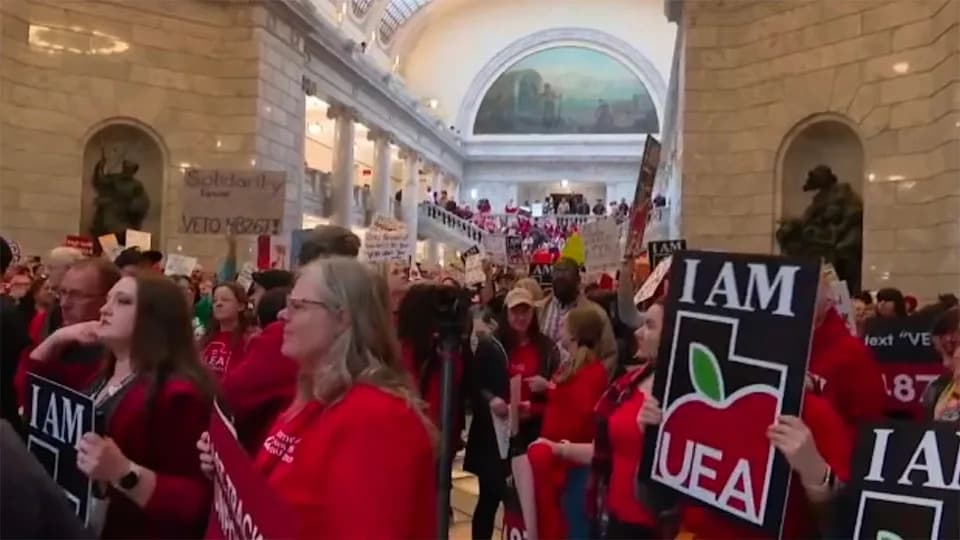
In 2018 MWEG helped collect signatures for Utah's Proposition 4, which passed narrowly with 50.34% of the vote and created an independent redistricting commission charged with using nonpartisan criteria to draw legislative and congressional maps. The reform aimed to reduce partisan gerrymandering and make districts more representative.
The Legal Fight Over Redistricting
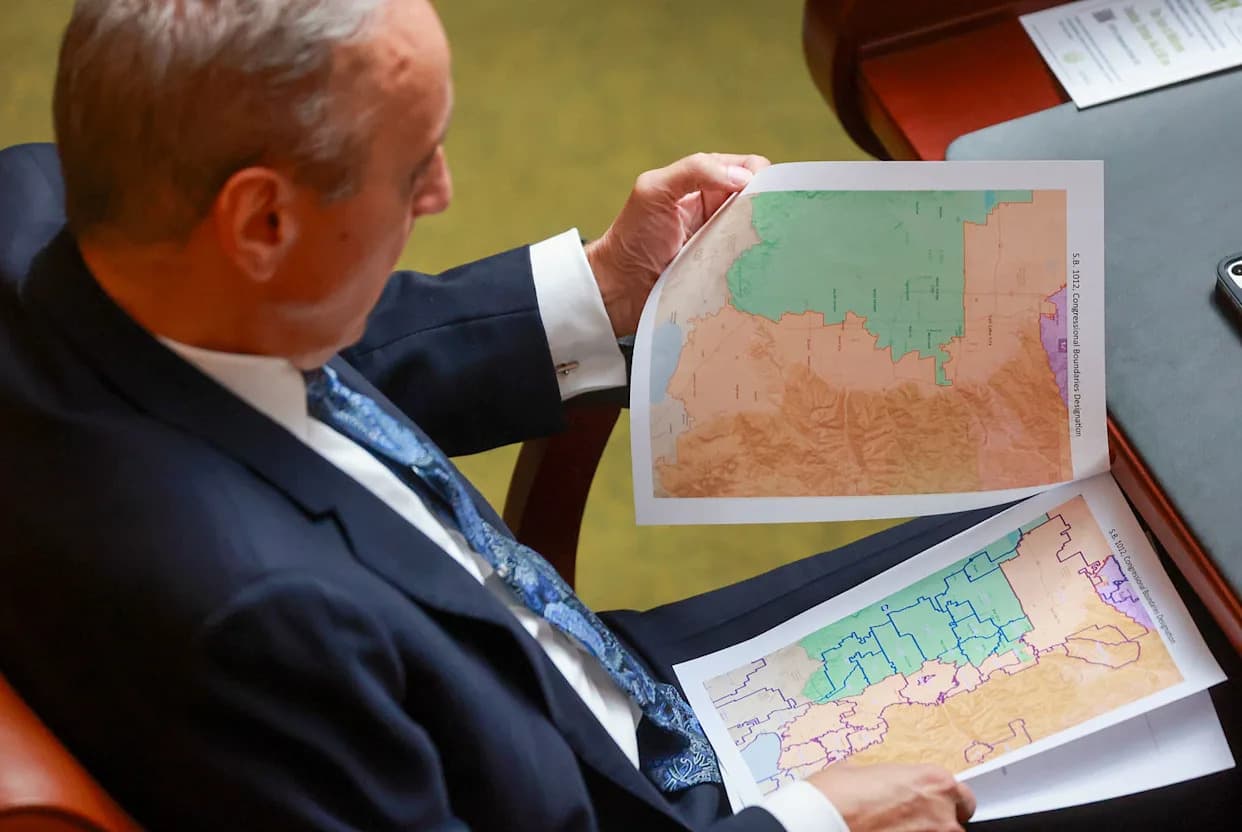
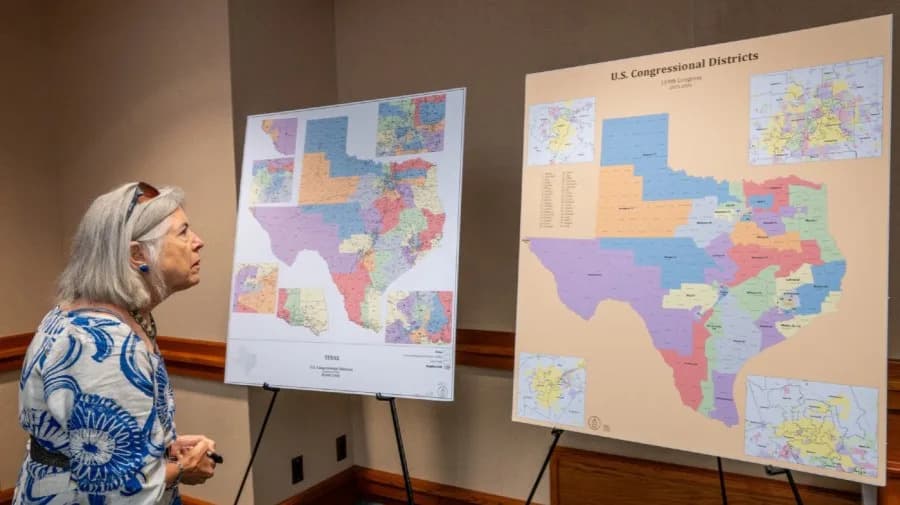
In 2020, however, the Republican-led state legislature repealed Proposition 4 and approved new congressional maps that critics said split Salt Lake County — Utah's youngest and most diverse county — into four districts, diluting urban Democratic votes. MWEG and the League of Women Voters of Utah sued, arguing the legislature had violated the state constitution by overturning a voter-approved reform and effectively allowing partisan gerrymandering.
"This was an overreach of power. Utah voters passed Proposition 4 to put guardrails around that power," said Addams.
Last summer the plaintiffs prevailed in court. The ruling requires lawmakers to draw new maps — a decision that could make a Utah congressional seat competitive for Democrats in the 2026 midterm elections.
Politics, Faith And Internal Debate
MWEG describes itself as nonpartisan and faith-inspired, and its membership reflects a political mix: about 40% registered Republicans, 34% Democrats and the remainder unaffiliated. Still, the group's public stances have drawn scrutiny from some conservative Utahns and at times placed it at odds with fellow Latter-day Saints in elected office. When Senator Mike Lee made controversial comments after a high-profile assassination, MWEG issued a rare but forceful rebuke, saying his remarks minimized the tragedy and exploited it for political gain.
Jennifer Walker Thomas, MWEG's co-executive director, rejects the idea that the group's civic activism conflicts with church teachings: the church does not take political positions, she notes, and it expects members to use faith to inform engagement in civic life.
What's Next
With new maps to be drawn and a 2026 congressional contest in view, MWEG is shifting toward civic education: teaching media literacy, conflict navigation and other skills to counter polarization. The group is also watching broader questions of executive power and the balance among governmental branches.
At the same time, the Utah Republican Party is pursuing a petition to repeal Proposition 4 outright, seeking roughly 141,000 signatures by 14 February to place a repeal on the November ballot. Organizers had gathered about 56,000 signatures as of 26 January. MWEG and allied civic groups are working to inform residents and discourage signing the repeal petition.
Broader Implications
Scholars say MWEG's model — a cross-partisan, faith-rooted group mobilizing around democratic norms — could be transferable beyond Utah. Its influence demonstrates how localized, values-based organizing can reshape state-level politics, especially where civic institutions like independent redistricting commissions are at stake.
Help us improve.