Saxony-Anhalt's legislature elected Sven Schulze, 46, as governor after long-serving Reiner Haseloff stepped down early to give the CDU a better chance against the far-right AfD in the Sept. 6 state election. Schulze, a former state economy minister, gains the incumbency advantage ahead of a contest in which AfD support is especially strong in the economically slower eastern regions. The AfD remains influential—second largest at the federal level and dominant in parts of the east—but has not yet taken executive control of any state government.
Saxony-Anhalt Lawmakers Install Sven Schulze as Governor to Head Off Far-Right Surge

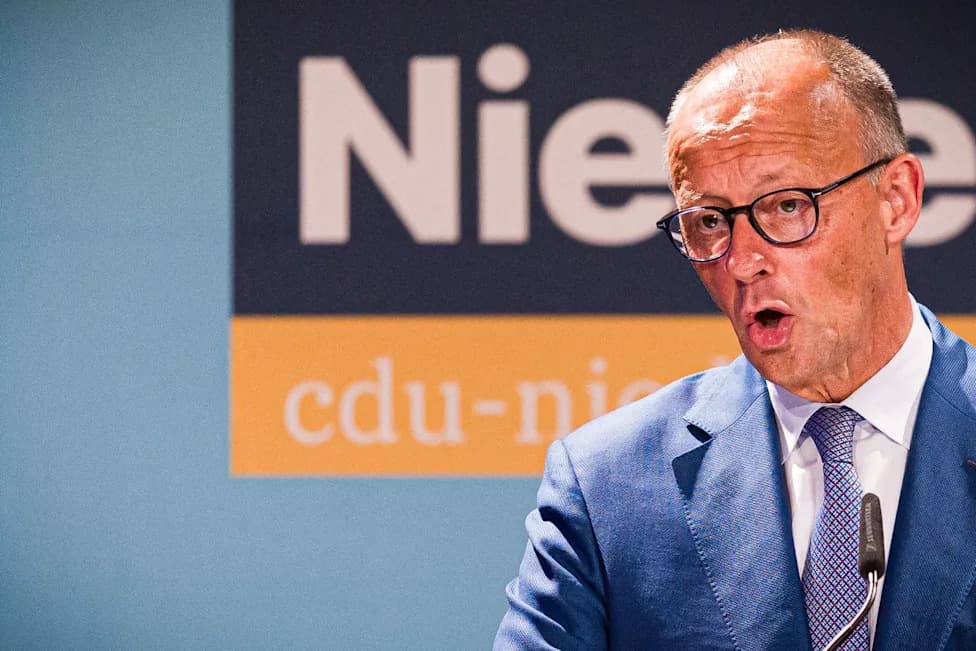
Sven Schulze, Minister for Economic Affairs, Tourism, Agriculture and Forestry of Saxony-Anhalt as well as CDU state chairman and top candidate for the 2026 state election, comes to the Saxony-Anhalt state parliament, Wednesday, Jan.28, 2026. (Klaus-Dietmar Gabbert/dpa via AP)(ASSOCIATED PRESS)
Lawmakers in the eastern German state of Saxony-Anhalt voted Wednesday to install Sven Schulze as governor in a strategic move by mainstream parties to blunt a potential victory by the far-right Alternative for Germany (AfD) ahead of a regional election in seven months.
The state parliament chose Schulze, 46, a member of the center-right Christian Democratic Union (CDU) and former state economy minister, to succeed long-serving Governor Reiner Haseloff, 71, who has led Saxony-Anhalt since 2011.
Why the Early Hand-Over?
Although midterm handovers are common in German state politics to give successors more visibility, Haseloff initially planned to complete his term. Rising support for the AfD in Saxony-Anhalt, however, prompted him to step down early this month so Schulze — the CDU's candidate for the Sept. 6 state election — could assume the post and campaign as the incumbent.
AfD's Strength and the Political Context
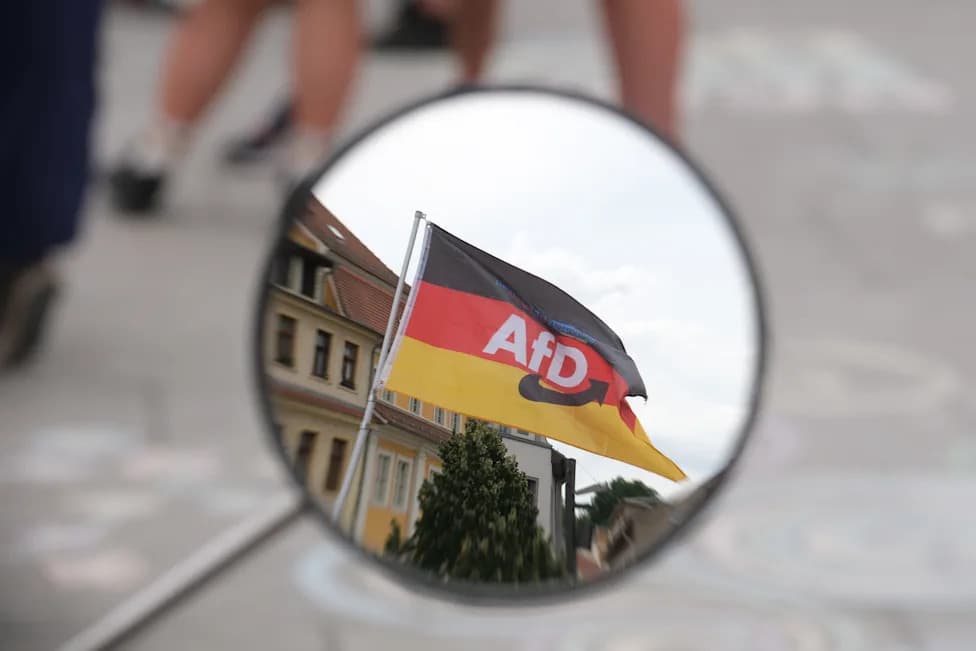
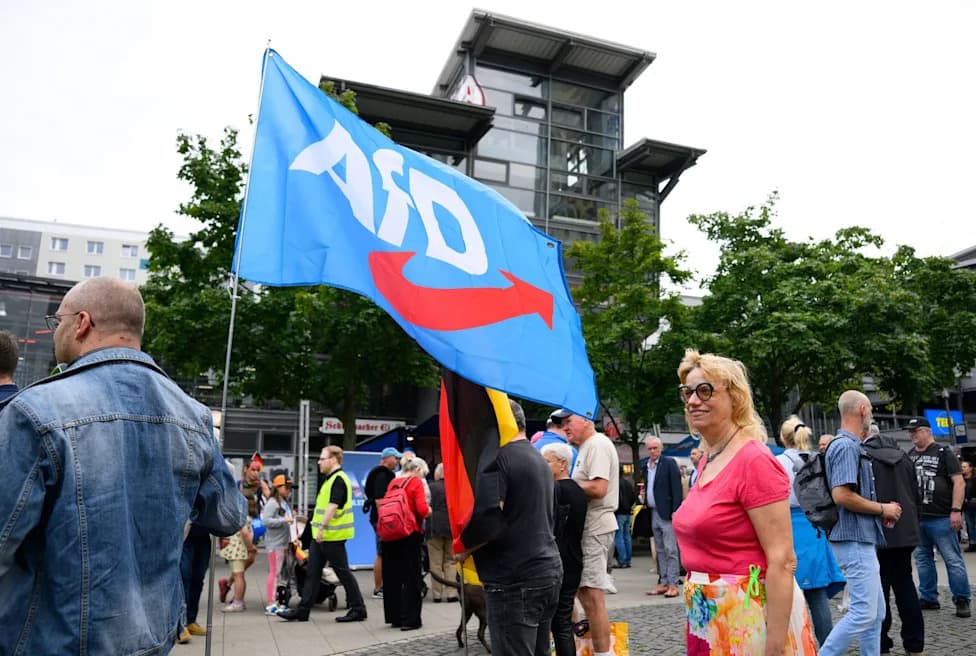
The AfD, which became the second-largest party in the federal parliament after last year's national election, is especially strong in the less prosperous, formerly communist eastern regions of Germany. Its core platform centers on opposition to migration, and mainstream parties continue to refuse formal cooperation with it. The party has also capitalized on broader voter discontent, including concerns about sluggish growth and economic stagnation in parts of the east.
Recent developments: The AfD emerged as the largest party in one state vote — in neighboring Thuringia in 2024 — but has not yet assumed executive power at the state level.
Schulze's elevation gives the CDU an incumbency advantage in the run-up to the Sept. 6 election: a potential edge that would not have been available had Haseloff remained in office. Saxony-Anhalt has roughly 2.2 million residents, and the outcome of the state vote will be watched as a bellwether for how mainstream parties can counter the AfD's momentum in the east.
What to watch next: How the CDU uses Schulze's new incumbency in campaigning, whether AfD support holds or shifts, and broader implications for regional politics across eastern Germany ahead of the state election.
Help us improve.