Germany has offered a €1 million reward to help capture suspected far-left militants blamed for an arson that caused a widespread Berlin blackout, leaving about 45,000 homes and 2,200 businesses without power for nearly a week. Interior Minister Alexander Dobrindt pledged a public campaign to solicit tips and called for greater police powers to combat left-wing extremism, including facial recognition and data collection. The incident revealed security gaps in high-voltage infrastructure amid broader concerns about sabotage sometimes linked to Russia, and lawmakers plan to fast-track new protections for critical infrastructure this week.
Germany Offers €1 Million Reward After Berlin Blackout Arson
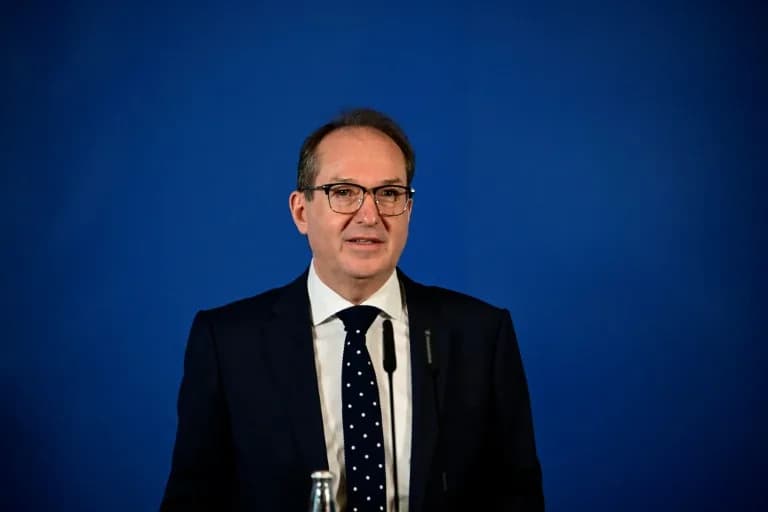
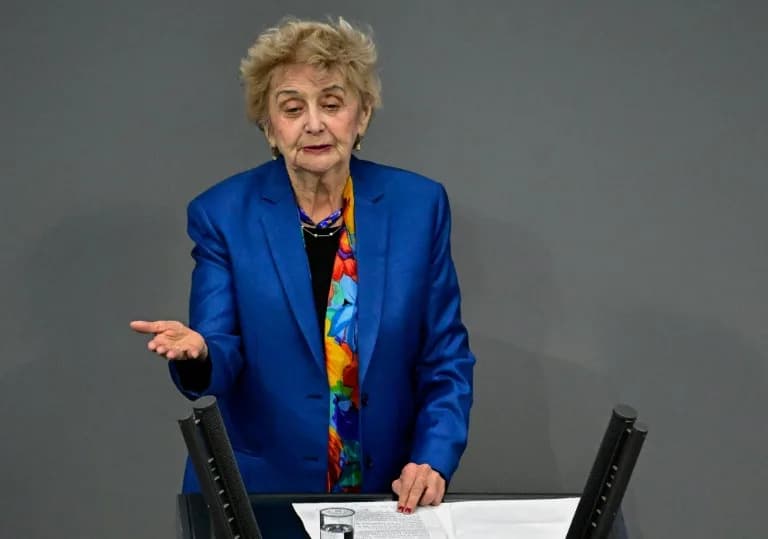
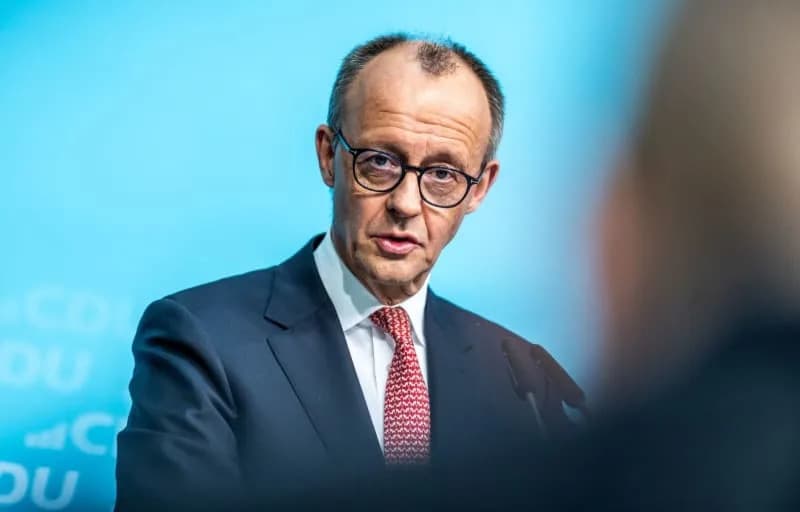
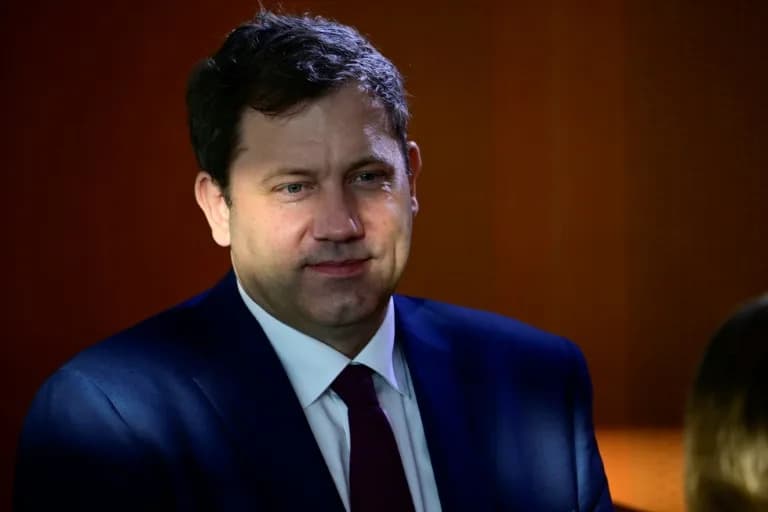
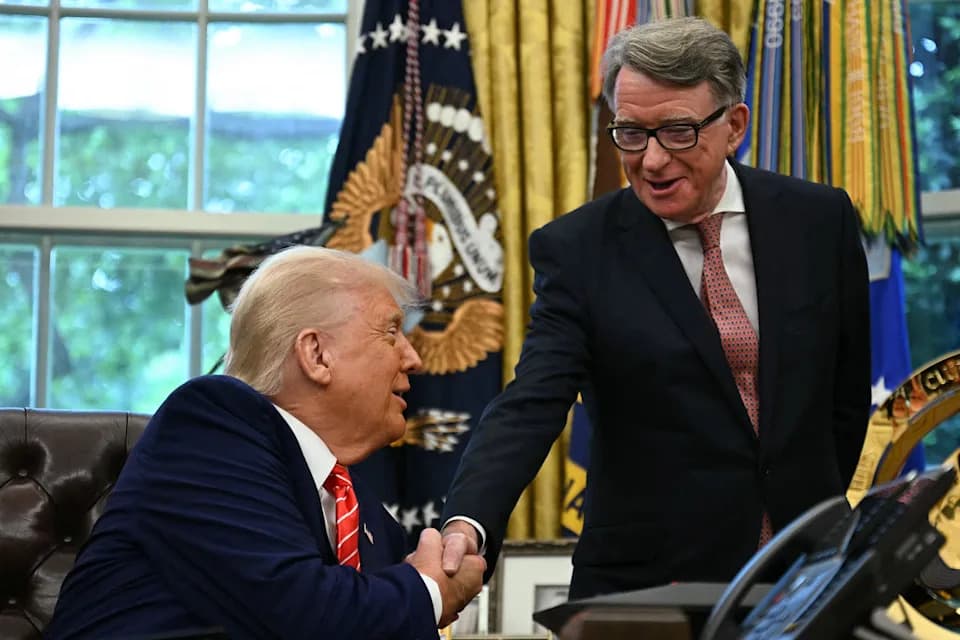
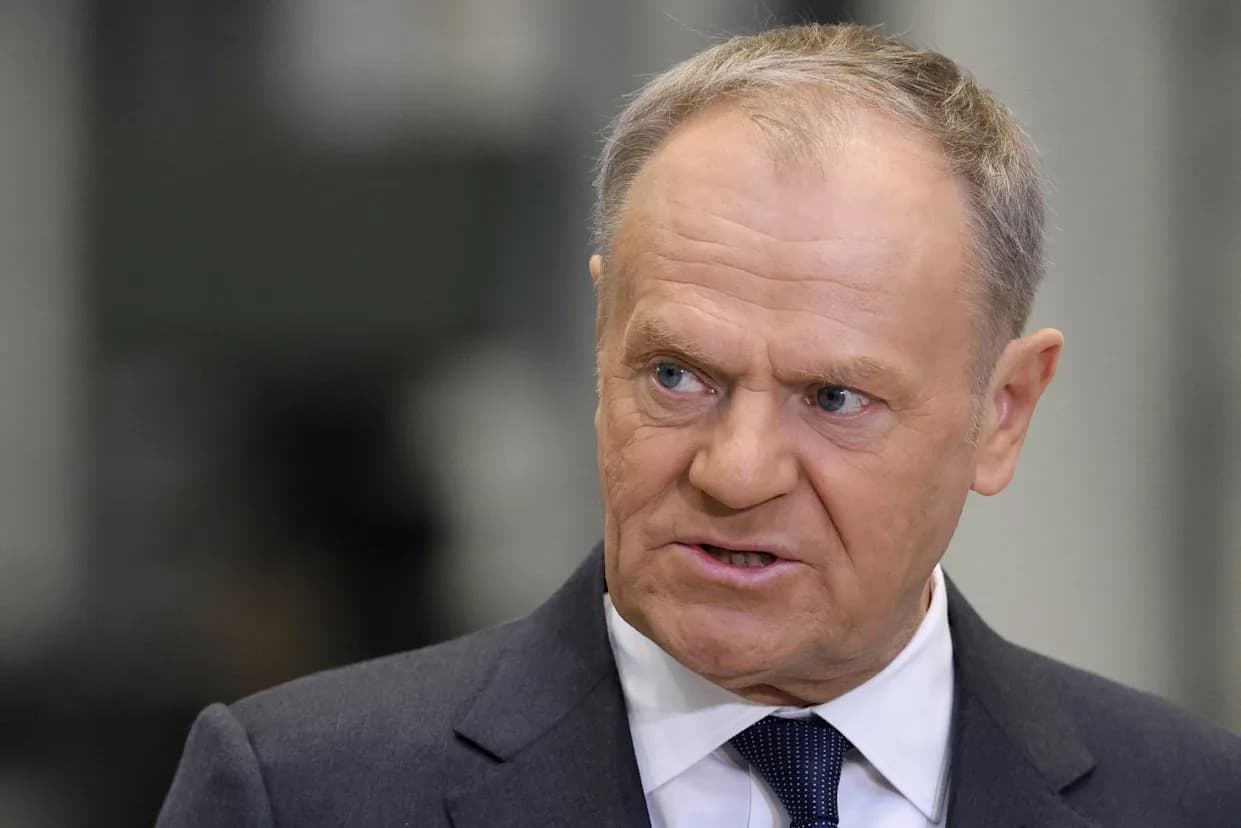
Interior Minister Alexander Dobrindt vowed to 'strike back' after the sabotage attack (Tobias SCHWARZ)(Tobias SCHWARZ/AFP/AFP)
Germany has announced a €1 million ($1.2 million) reward for information that leads to the arrest of suspected far-left militants accused of an arson attack that triggered a major blackout in Berlin, Interior Minister Alexander Dobrindt said on Tuesday.
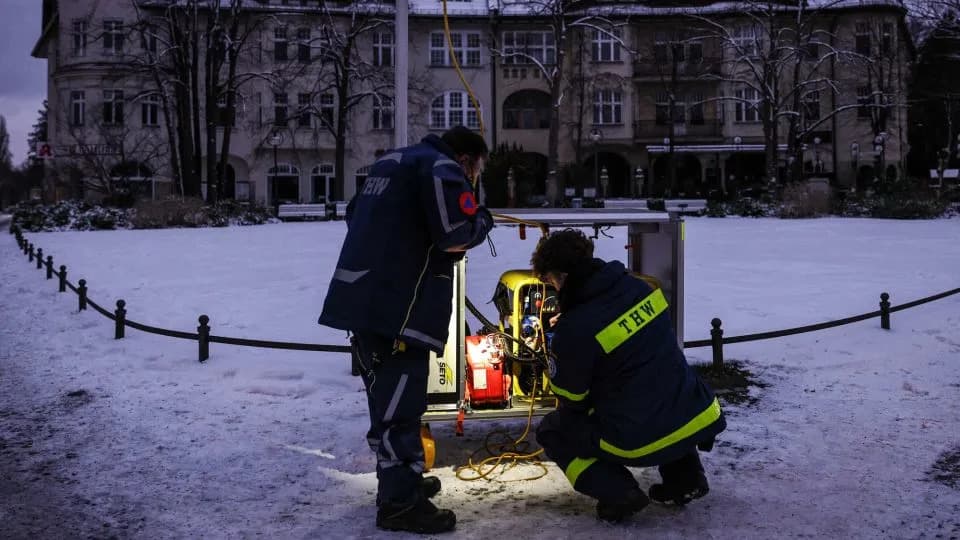
The blaze knocked out power to roughly 45,000 homes and about 2,200 businesses for nearly a week during winter in the southwest of the capital.
Police are searching for members of the far-left "Vulkangruppe" (Volcano Group), which has posted several online statements claiming responsibility for the early-January outage.
On Tuesday, Interior Minister Alexander Dobrindt vowed to "strike back" against those responsible.
"I think it's appropriate to underscore the seriousness of the situation with a reward of this magnitude," he added.
Germany's domestic intelligence service, the BfV, says the group has been active since 2011 and is suspected of carrying out a series of arson attacks in and around Berlin.
The organisation also claimed two sabotage attacks aimed at a Telsa electric car factory just outside Berlin.
Dobrindt said police will run a public awareness campaign to gather tips and publicise the reward, using leaflets and posters across Berlin's subway network.
Dobrindt, a conservative ally of Chancellor Friedrich Merz, said he will direct more resources toward combating "left-wing extremism" and pressed for expanded police powers — including the use of facial recognition and broader collection of digital data.
Critical Infrastructure
The outage, caused by a fire that targeted a set of high-voltage cables, exposed clear vulnerabilities in the capital's critical infrastructure at a time when German authorities are increasingly worried about sabotage attacks they sometimes link to Russia.
Berlin officials faced criticism over the speed and scale of their response to the blackout, which occurred during a period of cold winter weather.
For several years, officials in Germany have described what they see as a Russian campaign of sabotage, espionage and disinformation aimed at destabilising the country — a major supplier of military aid to Ukraine and an important NATO logistics hub.
Moscow has denied those allegations.
Dobrindt said on Tuesday that the lower house of parliament, the Bundestag, is due this week to adopt a new law intended to strengthen protection for critical infrastructure.
But the initial draft of that legislation, which reflects EU mandates and has been expected for months, has already drawn criticism from parts of the energy sector and the business community as overly bureaucratic and potentially ineffective.
Some industry voices also warned the law could force operators to disclose excessive details about vital facilities — information that might be abused by malicious actors.
Dobrindt conceded that "we already disclose too much public information about our critical infrastructure."
Help us improve.