Gov. Josh Shapiro is working to deliver a Democratic trifecta in Pennsylvania to pass affordability-focused policies — notably a higher minimum wage and expanded energy production — that the Republican-led state Senate has blocked. Shapiro’s popularity, fundraising advantage (about $30M), and recent Democratic wins give the party hope, but flipping the Senate’s 27-23 Republican majority is a narrow, uphill fight concentrated in a handful of districts. A trifecta would yield governing power and politically valuable accomplishments ahead of 2028.
Shapiro Is Pushing for a Democratic Trifecta in Pennsylvania to Fuel a 2028 Push
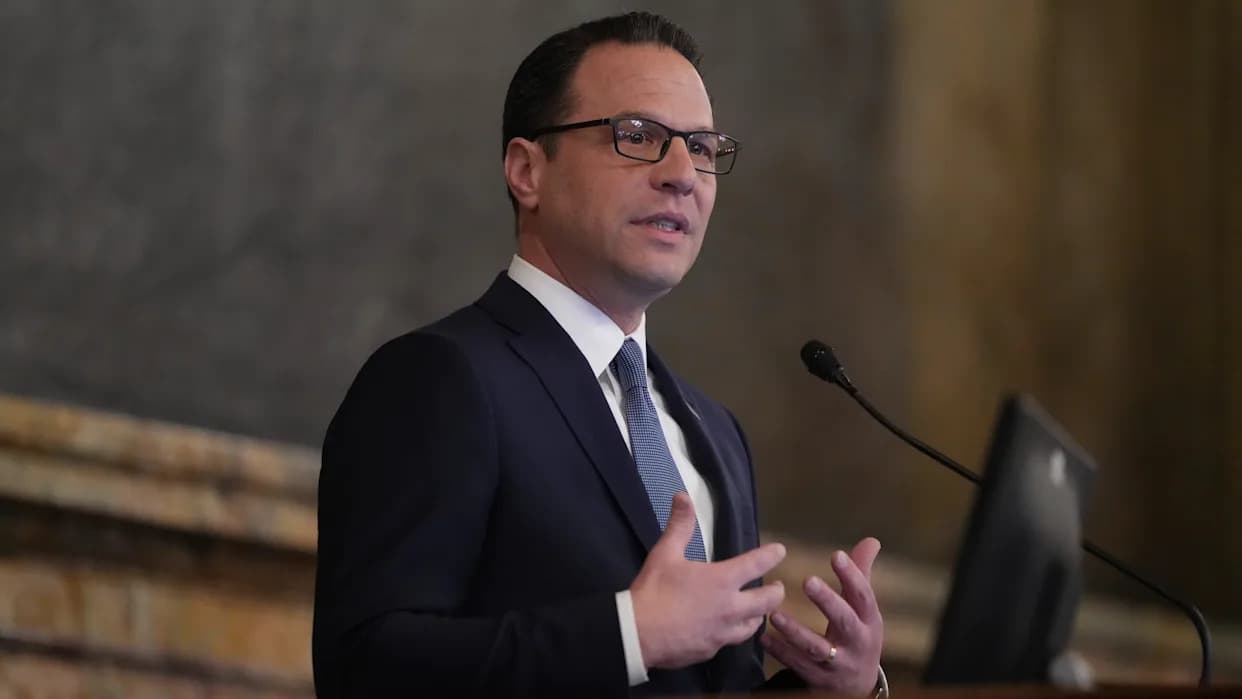
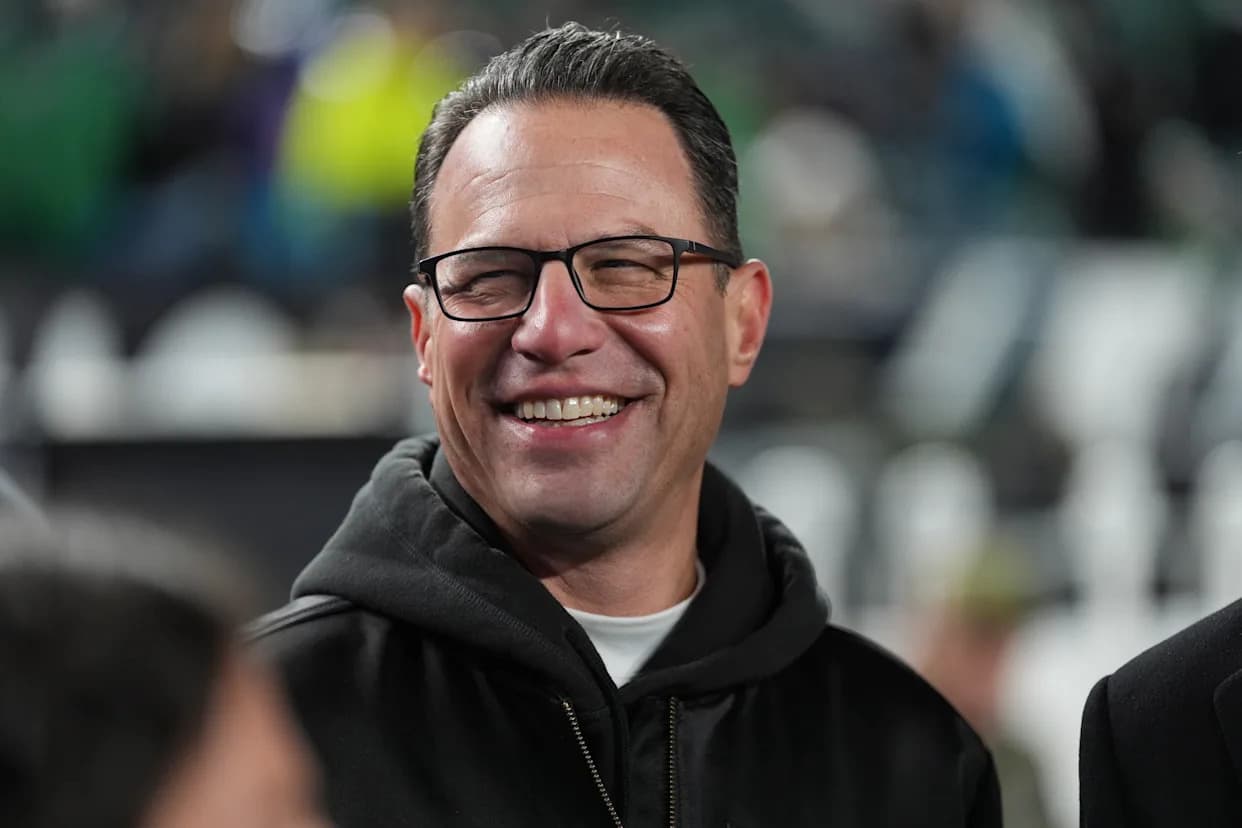
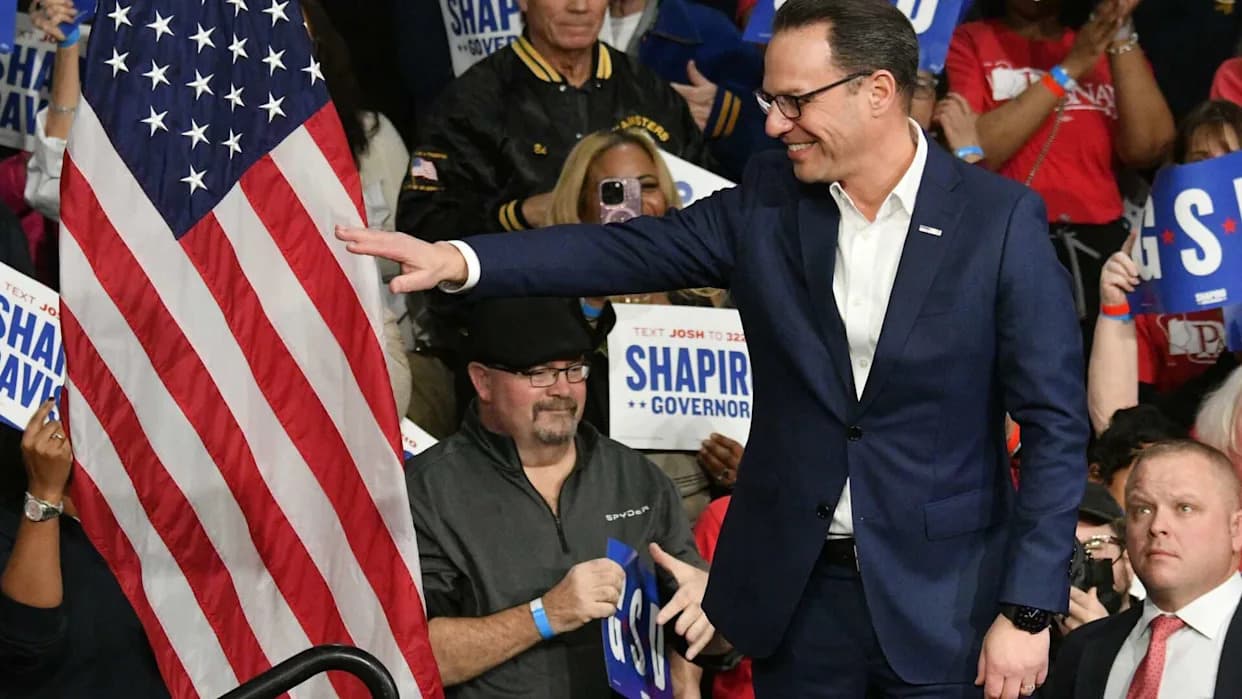
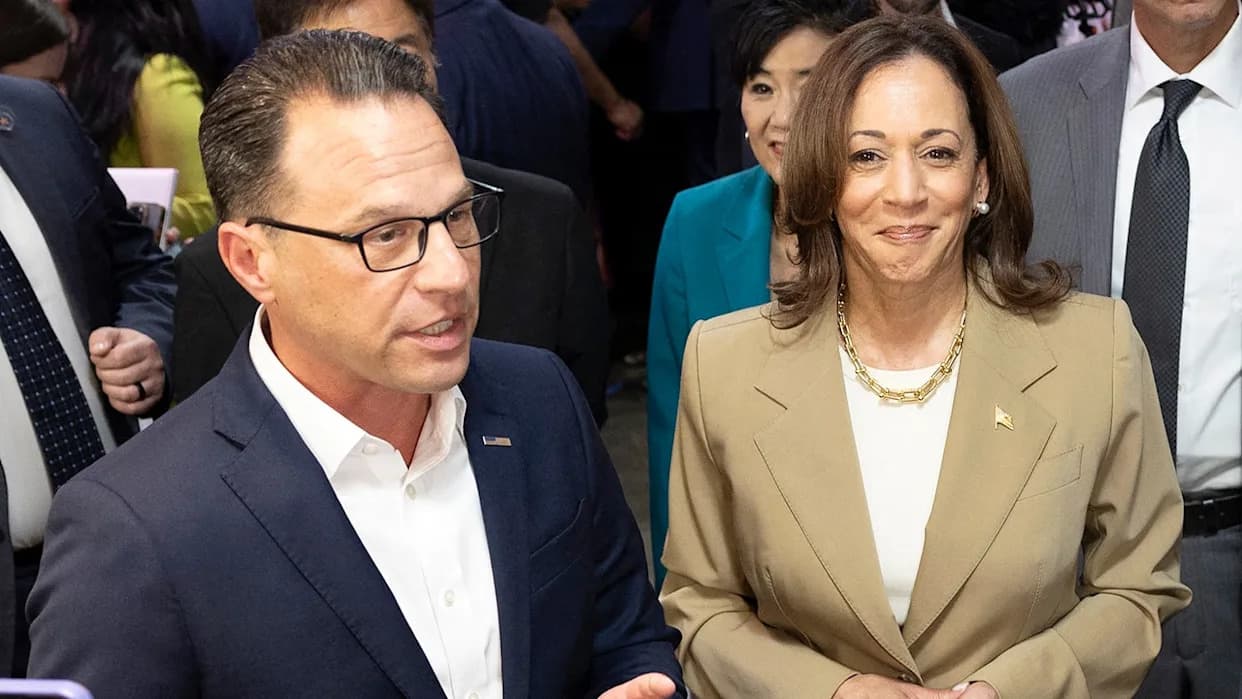
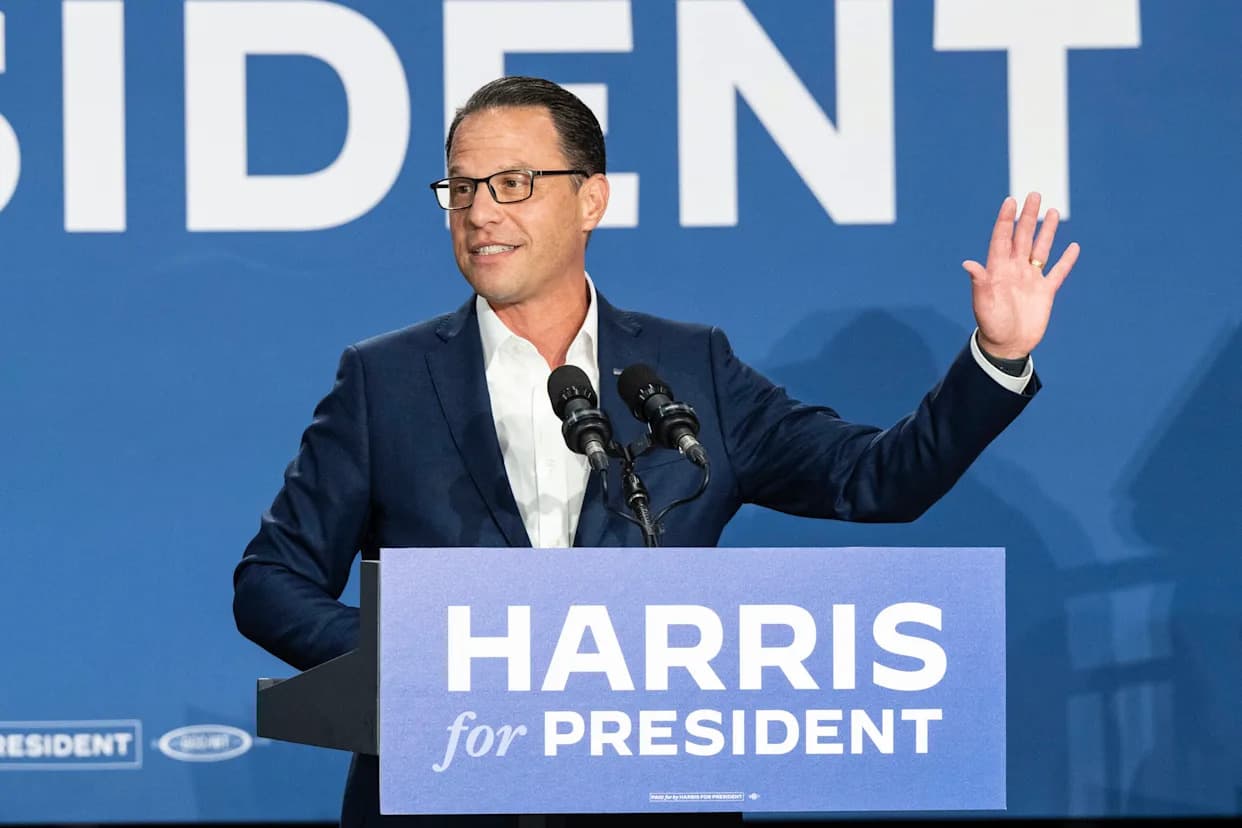
Pennsylvania Gov. Josh Shapiro is intensifying a down-ballot effort to give Democrats unified control of Harrisburg — a move he and allies say is crucial to delivering policy wins he could showcase on a potential 2028 presidential stage.
Background
After helping Democrats retake the state House in 2022, Shapiro has repeatedly clashed with a Republican-controlled state Senate that has blocked key Democratic priorities. Lawmakers and advocates point to stalled efforts to raise one of the nation’s lowest state minimum wages and a months-long budget impasse last year that delayed billions in state funding for counties, schools, and nonprofits.
What Shapiro Wants
Shapiro is campaigning to flip the Senate’s slim 27-23 Republican majority while expanding the party’s one-seat margin in the House. He frames a unified government as the only practical path to enact an affordability-centered agenda: a higher minimum wage, expanded energy production including renewables, more reliable transit funding, and stronger protections for abuse victims.
“I can bring the Republicans and Democrats together to get stuff done,” Shapiro has said, while acknowledging that certain priorities are effectively blocked by the Republican Senate and that a trifecta would make passing them easier.
Political Stakes
Winning unified control of the commonwealth would be both a governing and political victory. Shapiro is already a popular figure in the state — some polls place his approval near 60 percent — and has built a substantial war chest, reportedly around $30 million. Democrats credit him with coattails that flipped the House in 2022 and helped the party hold its narrow majority in 2024.
Shapiro invested heavily in legislative races in 2024: $1.25 million directly to the Pennsylvania House Democrats’ campaign committee, helped raise another $1 million for House defense, and contributed $250,000 to the state Senate Democrats’ campaign committee. His political team remains in regular contact with party campaign arms, and he has signaled additional down-ballot support could follow.
Challenges Remain
Despite momentum — judicial sweeps and a special-election Senate pickup last year — taking the Senate is a steep climb. Only half the state Senate seats are on the ballot this cycle, and the competitive map is concentrated in a small set of districts across Philadelphia suburbs, the Lehigh Valley and some more rural areas. Analysts generally rate the Senate as leaning Republican.
Republican strategists note that several vulnerable seats are in more rural, conservative areas, making a full flip difficult even in a favorable national environment. Senate GOP leaders responded to Shapiro’s budget address by criticizing his proposals on energy and wages and signaling openness to alternative approaches.
What Winning Would Mean
For Shapiro, a trifecta would mean the ability to pass high-profile policy initiatives that could elevate his national profile. Democrats argue that tangible state-level wins on affordability and energy would strengthen Shapiro’s message and give momentum to any future national campaign.
Whether voters reward unified state control remains to be seen, but the coming election cycle will be a key test of Shapiro’s coattails and the Democratic strategy in one of the country’s most consequential swing states.
Help us improve.