The ESM, with more than €430bn in available resources, could provide precautionary credit lines for defence spending to euro-area governments, ESM chief Pierre Gramegna told Reuters. Such loans would target fiscally sound but budget‑strained countries and — Gramegna says — would not be tied to harsh restructuring conditions. The proposal would require approval from euro-zone member states and could particularly benefit smaller neighbours of Russia, such as the Baltic states. Political hurdles remain, notably the need for consensus from Germany and several neutral EU members.
ESM’s €430bn+ Crisis Fund Could Finance Defence, ESM Chief Says
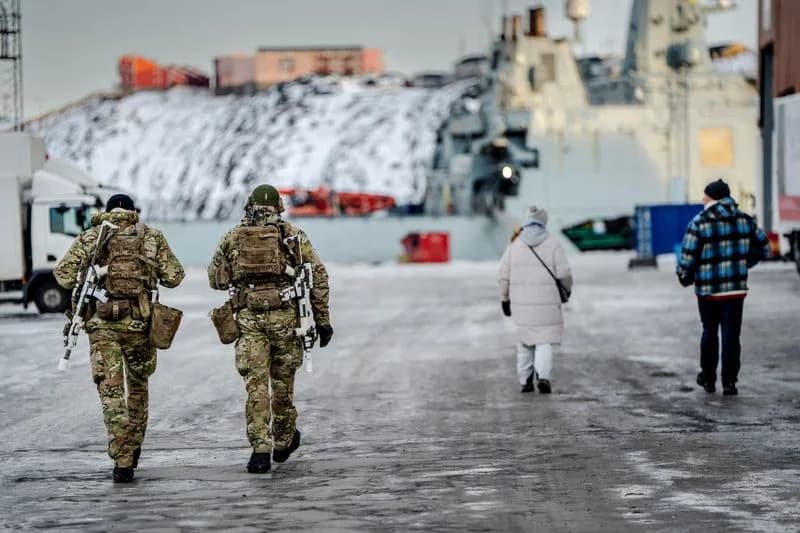
Soldiers guard the harbor in Nuuk, Greenland, January 25, 2026. Ritzau Scanpix/via REUTERS
A European Stability Mechanism (ESM) facility with more than €430 billion (about $514 billion) in available resources could be used to provide credit lines for defence spending, ESM Managing Director Pierre Gramegna told Reuters — a proposal that would repurpose a crisis-era rescue fund to help bolster European military preparedness.
What Gramegna Proposed
Gramegna said the ESM could extend precautionary credit lines to euro-area governments specifically for defence outlays, and signalled those loans would not be tied to harsh economic-restructuring conditions. He framed the move as a way to remove any stigma associated with seeking support from the euro-area emergency lender.
"In these times of geopolitical turmoil, which have triggered higher expenditure, defence costs for all countries, we must use the full potential of the ESM," Gramegna said, adding: "It is one of our instruments. It's available. We need to rediscover the potential of that instrument."
Context And Constraints
The ESM was created during the euro-area debt crisis to stabilise national economies, banks and the single currency. Using it for defence would be a notable shift and would require approval from euro-area member states. Eligibility would be limited to countries that use the euro, excluding non-euro members such as Poland.
Gramegna said loans could be issued to countries in sound fiscal health whose budgets are stretched — notably smaller states such as the Baltic countries — and that member states could submit collective requests to avoid the stigma of individual applications.
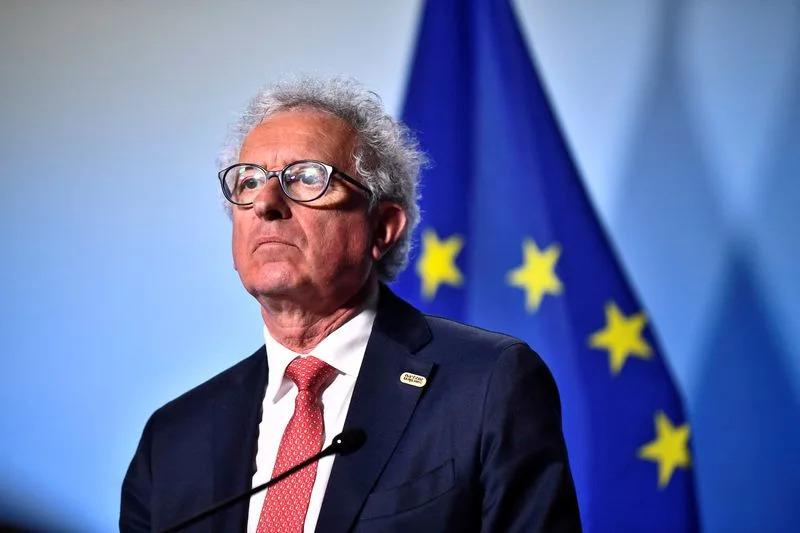
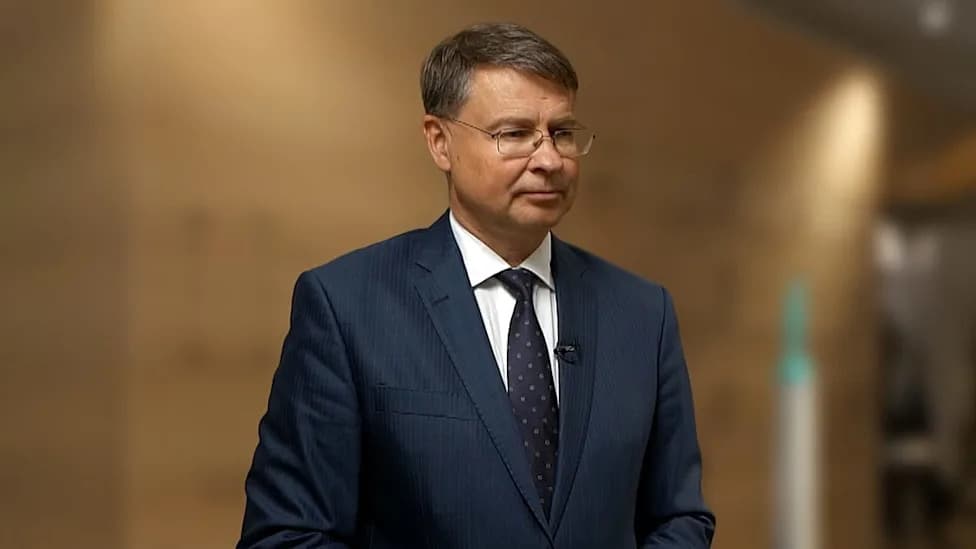
Pierre Gramegna, Managing Director of the European Stability Mechanism, speaks during a meeting between EU Finance Ministers and heads of central banks, in Stockholm, Sweden April 28, 2023. Caisa Rasmussen/TT News Agency/via REUTERS.
Political Hurdles
The notion revives a previous idea — a "defence support line" advanced by former Italian prime minister Enrico Letta — that would allow lending of up to 2% of a country's GDP at low rates for defence. Brussels think-tank Bruegel warned the ESM was not designed for routine lending, and analysts say Germany would likely need to change its stance for such a shift to proceed. Neutral states (Austria, Cyprus, Malta, Ireland) would also need to agree to any formal change in mandate.
Officials point to a precedent in pandemic-era arrangements: an unused ESM backstop worth up to €240 billion that was designed to help countries finance health spending during COVID-19. A similar instrument for defence could be structured along those lines and would carry significant political and financial weight across the EU.
Potential Beneficiaries
The Baltic states — Lithuania, Latvia and Estonia — have sharply increased defence spending since Russia's full-scale invasion of Ukraine and have borrowed heavily to cover the cost. These countries have also tapped other EU schemes, such as the SAFE joint-borrowing loans for defence projects; ESM-backed credit lines would operate in a comparable fashion.
Gramegna emphasised the initiative would have to be driven by member countries and cleared politically by the euro-area backers of the ESM, meaning any operational change remains subject to negotiation among capitals.
Help us improve.