Volunteers on Palm Beach found plastic and glass debris coated with thick black oil, and chemical fingerprinting linked the residue to a 2019 oil spill off Brazil. The analysis suggests the oil traveled about 8,500 km (≈5,282 miles) across the Atlantic in roughly 240 days by adhering to floating plastic. Researchers warn that plastic can act as a vehicle for long-range oil contamination, and consistent local beach monitoring was key to detecting and tracing the source.
Oil-Coated Plastic Found on Palm Beach Linked by Chemical 'Fingerprint' to 2019 Brazil Spill — Traveled Across the Atlantic
Photo Credit: iStock
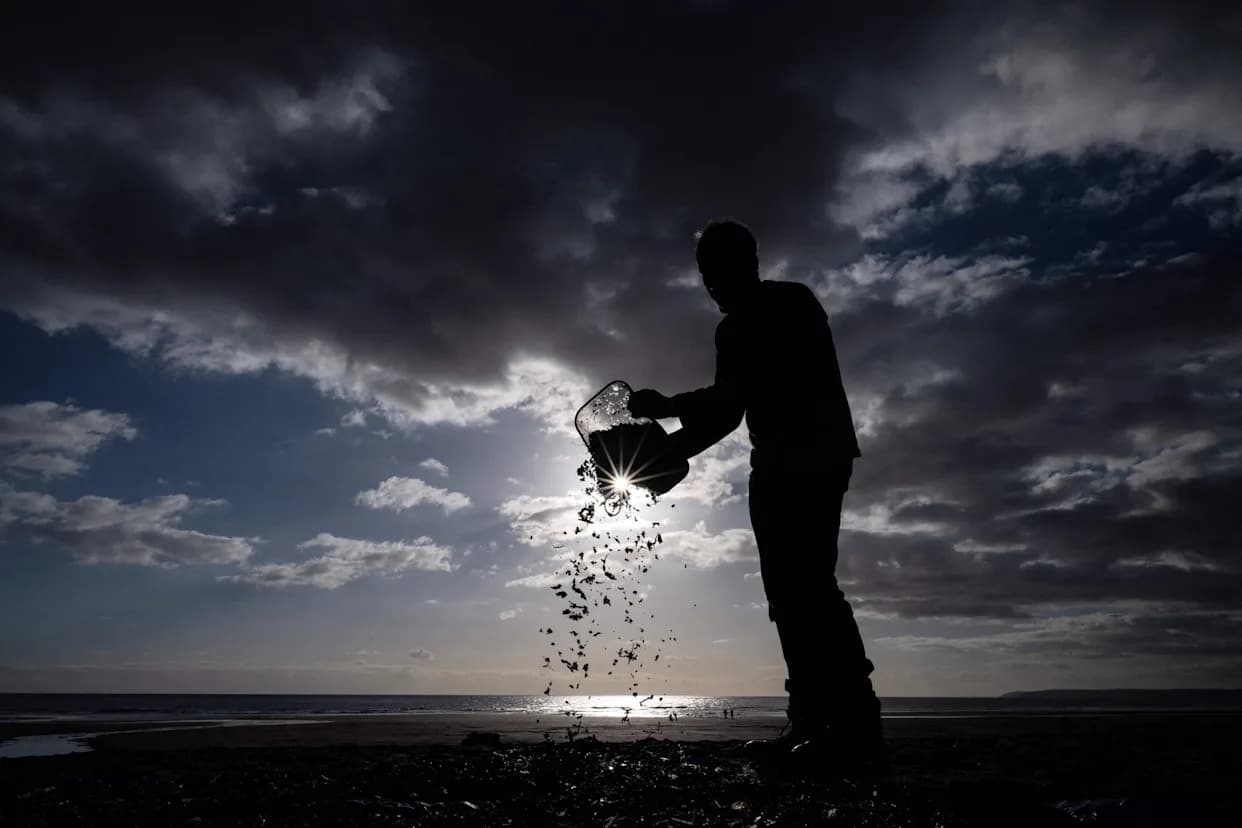
Volunteers on Palm Beach, Florida, discovered plastic and glass debris heavily smeared with thick black oil. Because there was no local spill to explain the contamination, the preserved samples were sent to researchers and subjected to chemical analysis reported in Environmental Science & Technology.
Scientific Findings
The study, published in January 2025, examined oil-coated bottles collected by the nonprofit Friends of Palm Beach during the summer of 2020. Using chemical "fingerprinting" techniques, scientists matched the residue on the Florida debris to oil from a massive 2019 spill that affected Brazil's coastline. The match indicates the oil likely traveled roughly 8,500 kilometers (about 5,282 miles) across the Atlantic in roughly 240 days.
It was such crystal-clear evidence that I got nervous,
— Christopher Reddy, Chemical Oceanographer, Woods Hole Oceanographic Institution (quoted in Eos)
Why This Matters
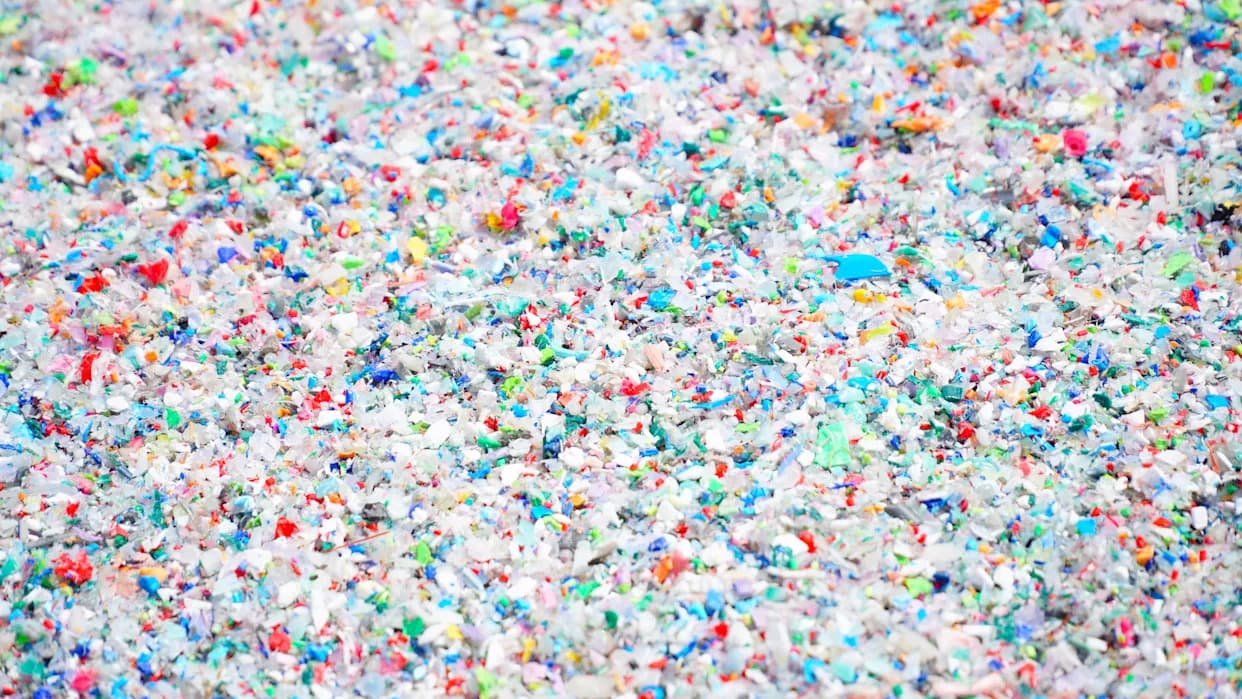
Oil typically breaks down, disperses, or sinks before it can travel far. But when oil adheres to floating plastic, it can remain intact and ride ocean currents across entire basins. The researchers describe this as a "cocontaminant" problem: plastic pollution acts as a vehicle that spreads oil pollution across national borders and into distant coastal ecosystems.
The team also noted that many smaller, oiled fragments likely went unnoticed on beaches, so the full extent of transoceanic contamination is probably underestimated. This has practical consequences for coastal communities, because spills originating thousands of miles away can still affect local waters, wildlife, and recreation.
Context And Local Action
Florida's marine environments are already under stress from warming seas, damaged coral reefs such as Sombrero Reef, and ecological disruptions from invasive species. The discovery underlines how multiple stressors can converge on vulnerable coastal systems.
Local volunteers and organizations like Friends of Palm Beach were crucial to the discovery: consistent beach cleanups, careful documentation, and preservation of samples made tracing the oil possible. The study demonstrates the value of community monitoring programs in detecting and investigating environmental threats.
What You Can Do: Support local coastal cleanup groups, report unusual pollution to authorities, and share information about marine pollution and climate impacts within your community.
Help us improve.