President Trump said he is "very happy" with recent developments in Syria after a Syrian army offensive prompted the Kurdish‑led SDF to withdraw from Raqqa and Deir Az Zor. The comments followed a phone call with Syrian President Ahmed al‑Sharaa, who left for Moscow to meet Vladimir Putin. US envoy Tom Barrack said the SDF’s role as the primary anti‑ISIS force has "largely expired" as Damascus assumes greater security responsibilities; Syria joined the Global Coalition to Defeat ISIS as its 90th member in late 2025.
Trump Praises Syrian President Al‑Sharaa After Army Offensive, As SDF Withdraws From Key Cities
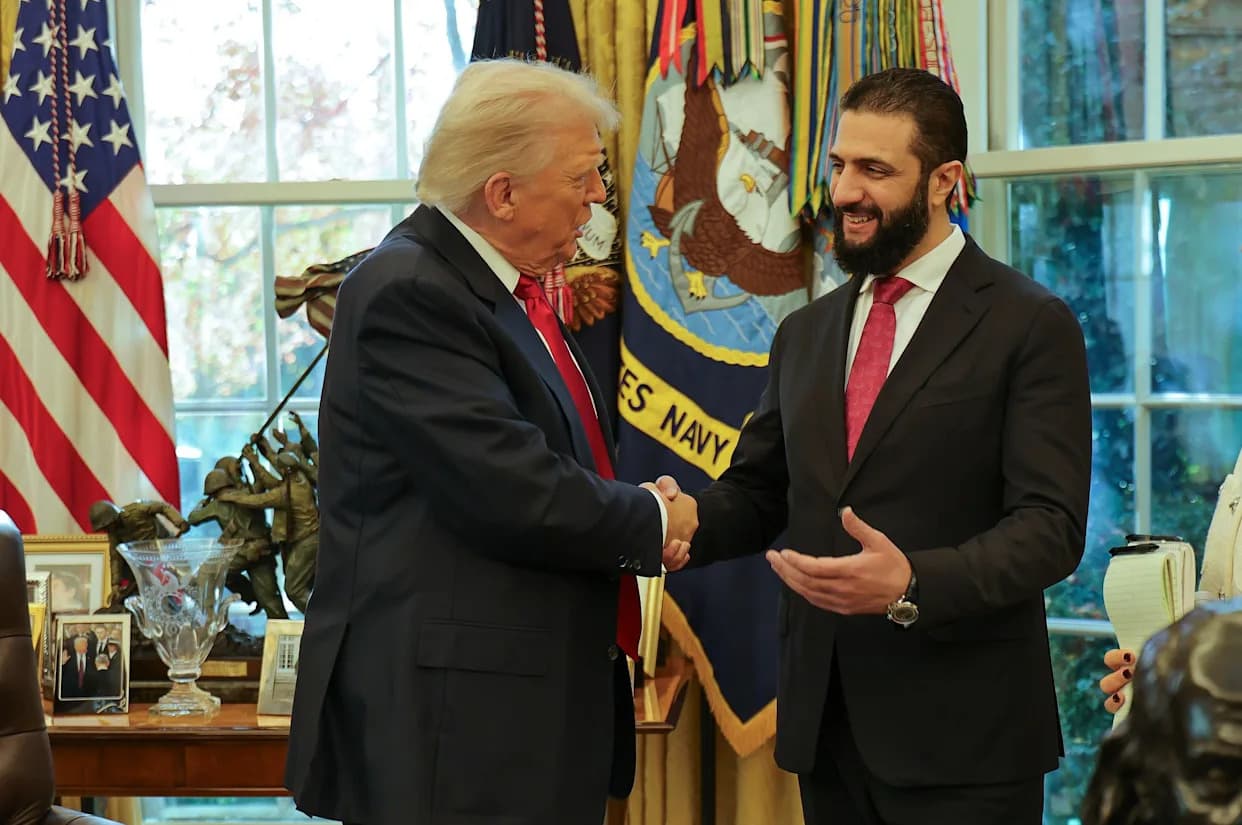
US President Donald Trump shakes hands with Syrian President Ahmed al-Sharaa at the White House in Washington, DC, on November 10, 2025 [Handout: Syrian Presidency press office via AP]
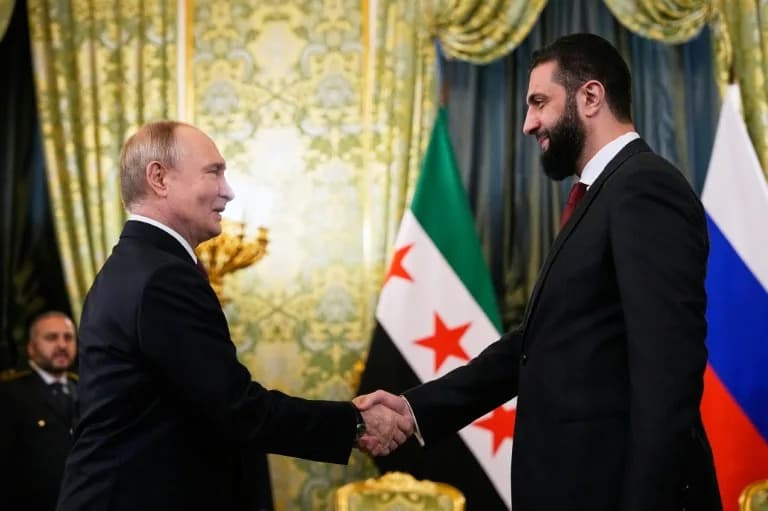
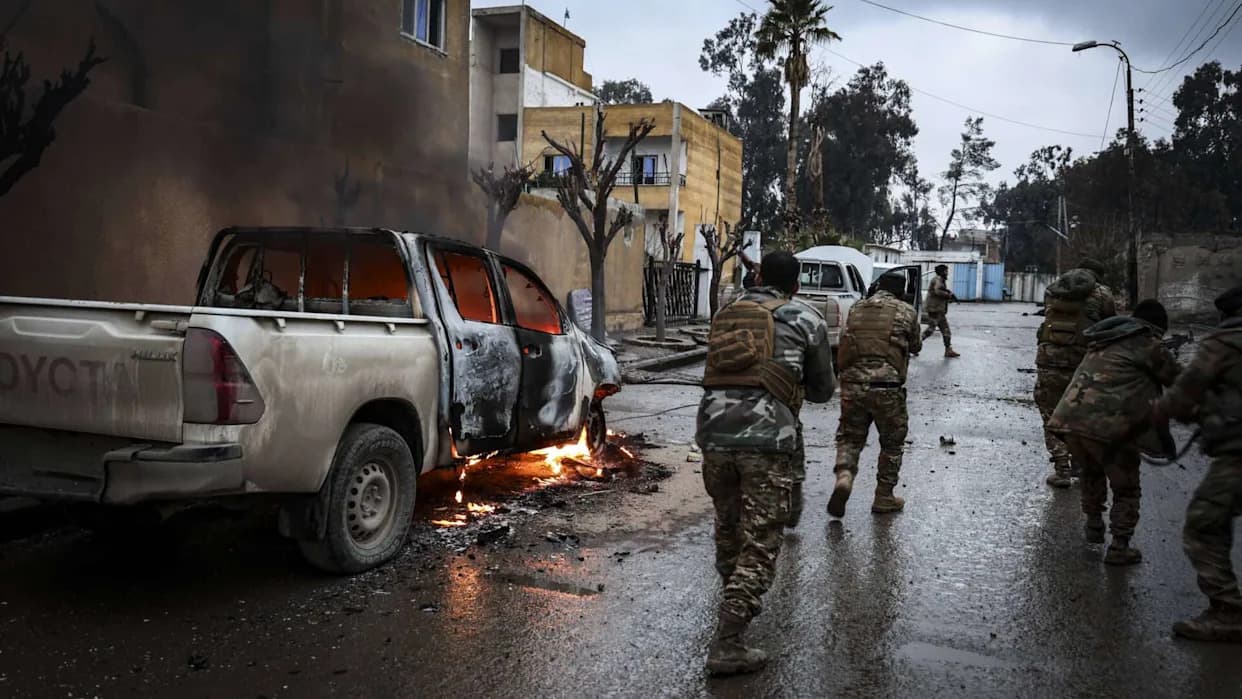
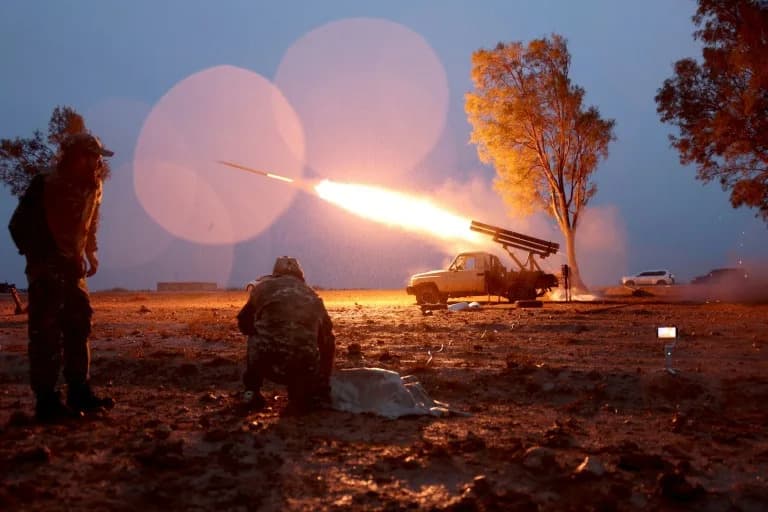
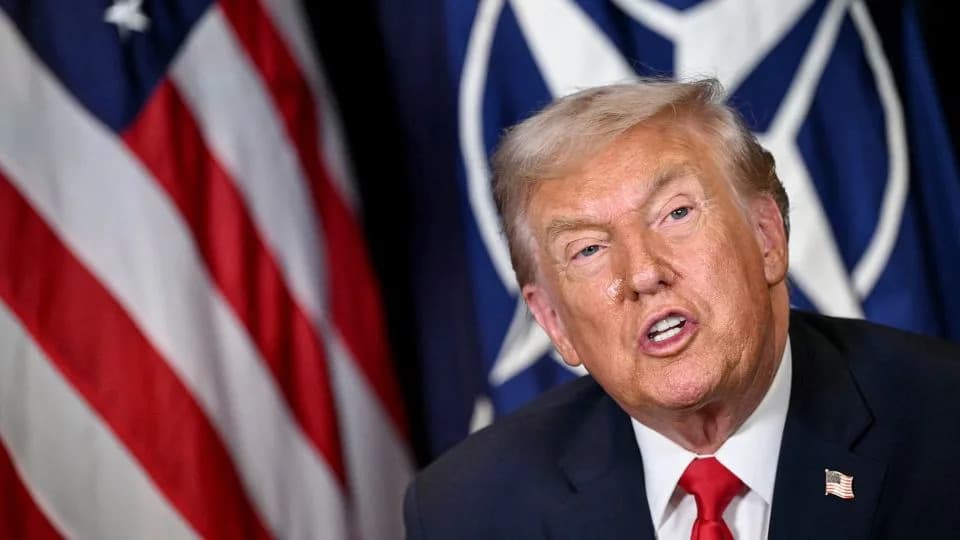
US President Donald Trump said he is "very happy" with recent developments in Syria after a Syrian army offensive targeted the Kurdish‑led Syrian Democratic Forces (SDF), a group that Washington had previously supported. Trump made the remarks after a phone call with Syrian President Ahmed al‑Sharaa, shortly before al‑Sharaa departed for Moscow to hold talks with Russian President Vladimir Putin.
"I had a great conversation with the highly respected president of Syria, and all of the things having to do with Syria and that area," Trump told reporters. "It’s working out very well, so we’re very happy about it."
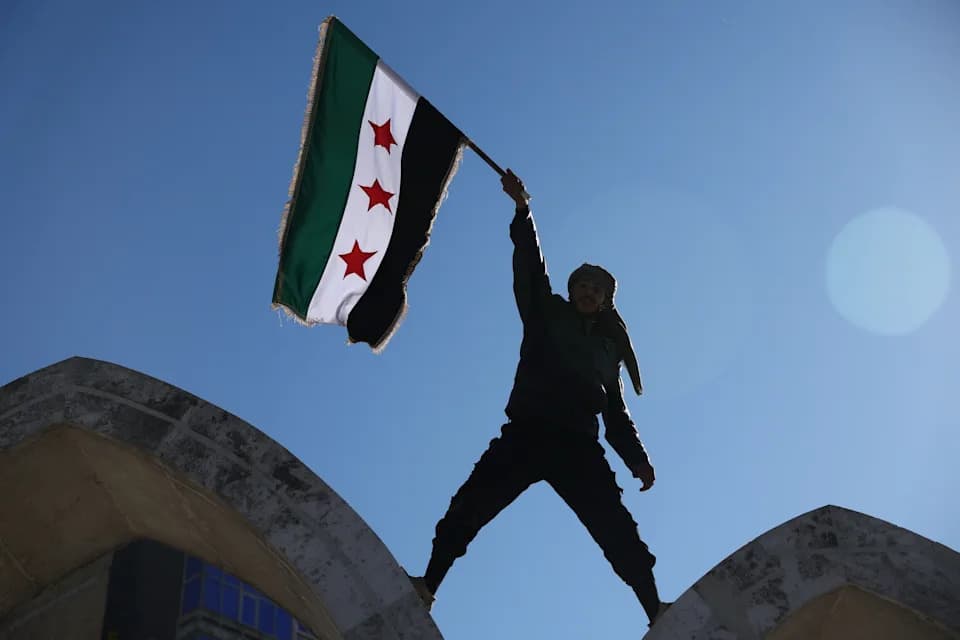
A statement from the Syrian presidency said al‑Sharaa reaffirmed "Syria’s full commitment to its territorial integrity and its national sovereignty" and stressed the state's intent to preserve institutions and promote civil peace. The presidency also said al‑Sharaa urged unified international efforts to prevent the return of "terrorist groups," including ISIL (ISIS).
Trump later told Fox News that he and senior US officials had "solved a tremendous problem in conjunction with Syria," though he offered no further public details.
SDF Withdrawal and Local Reaction
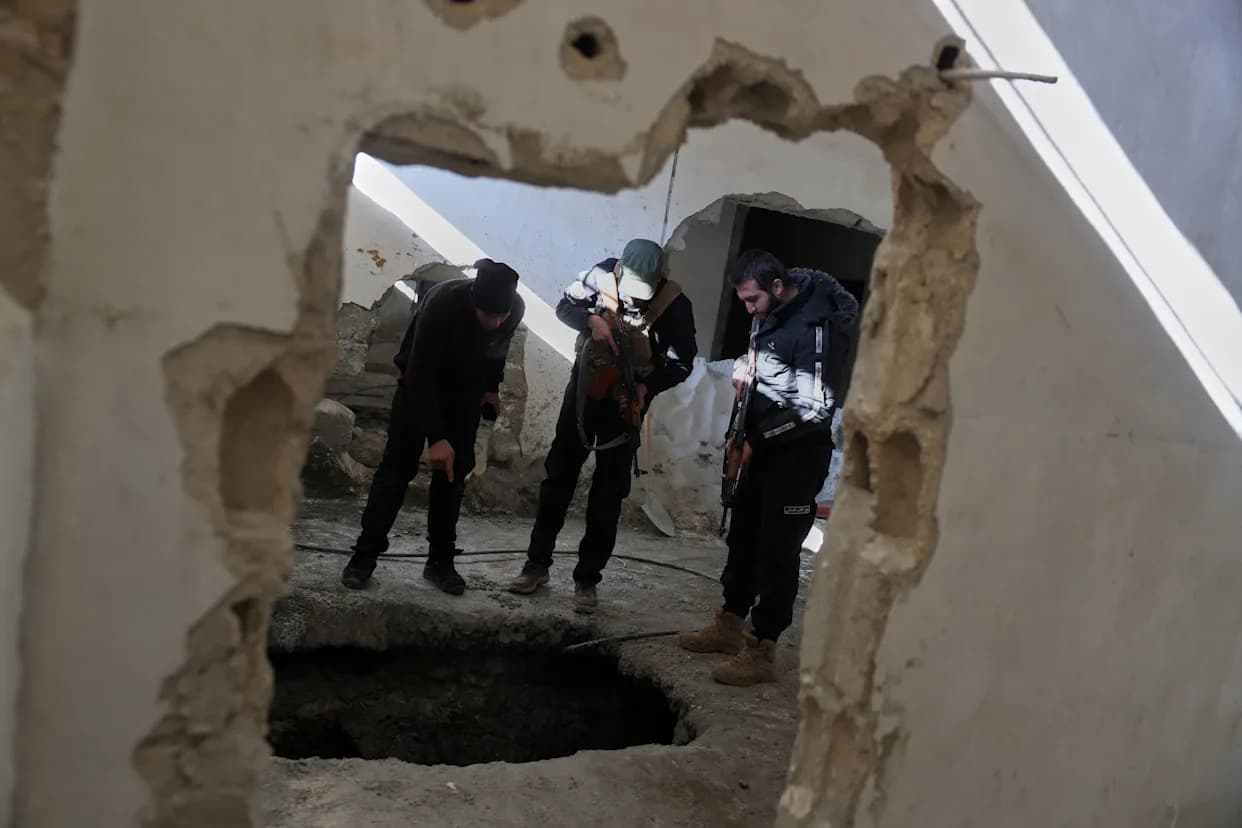
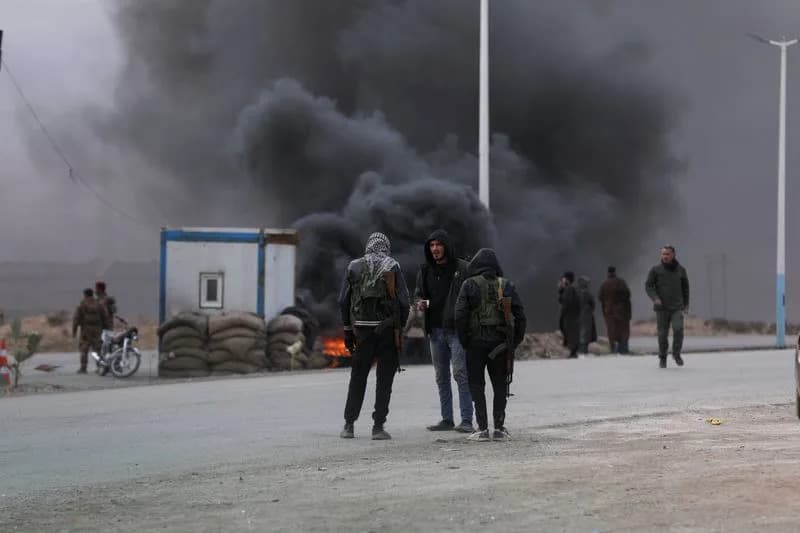
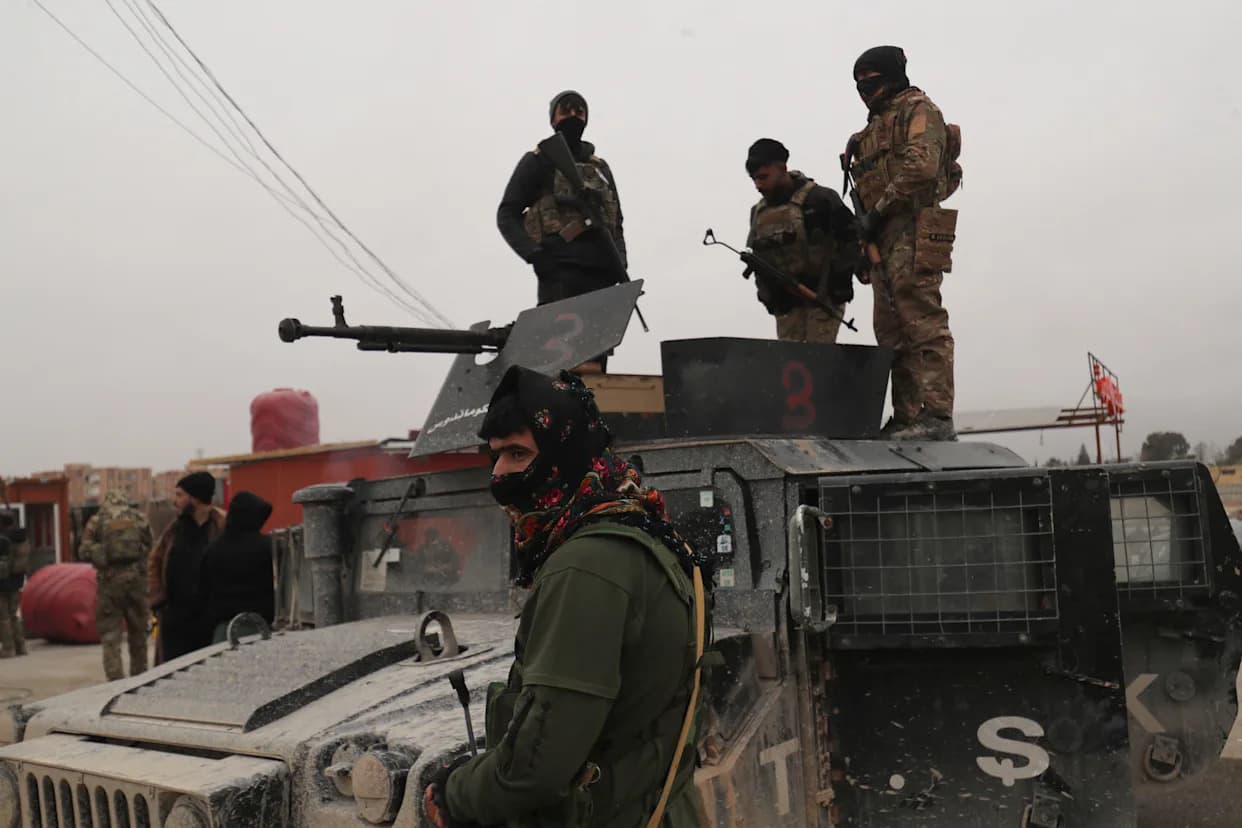
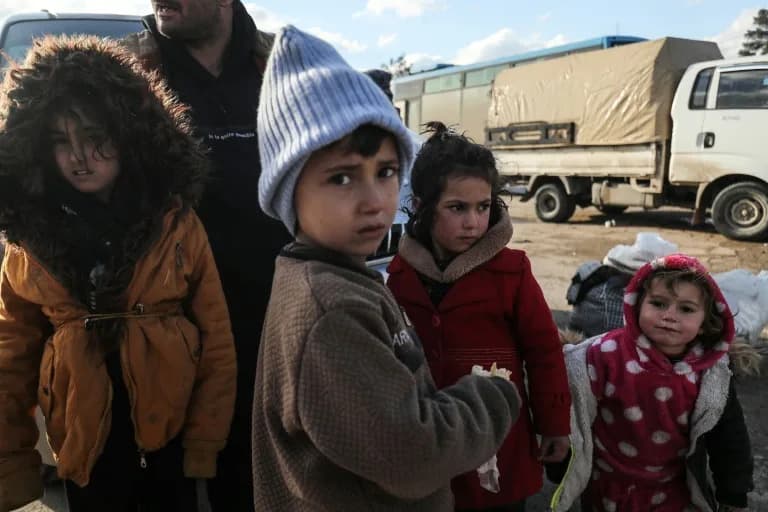
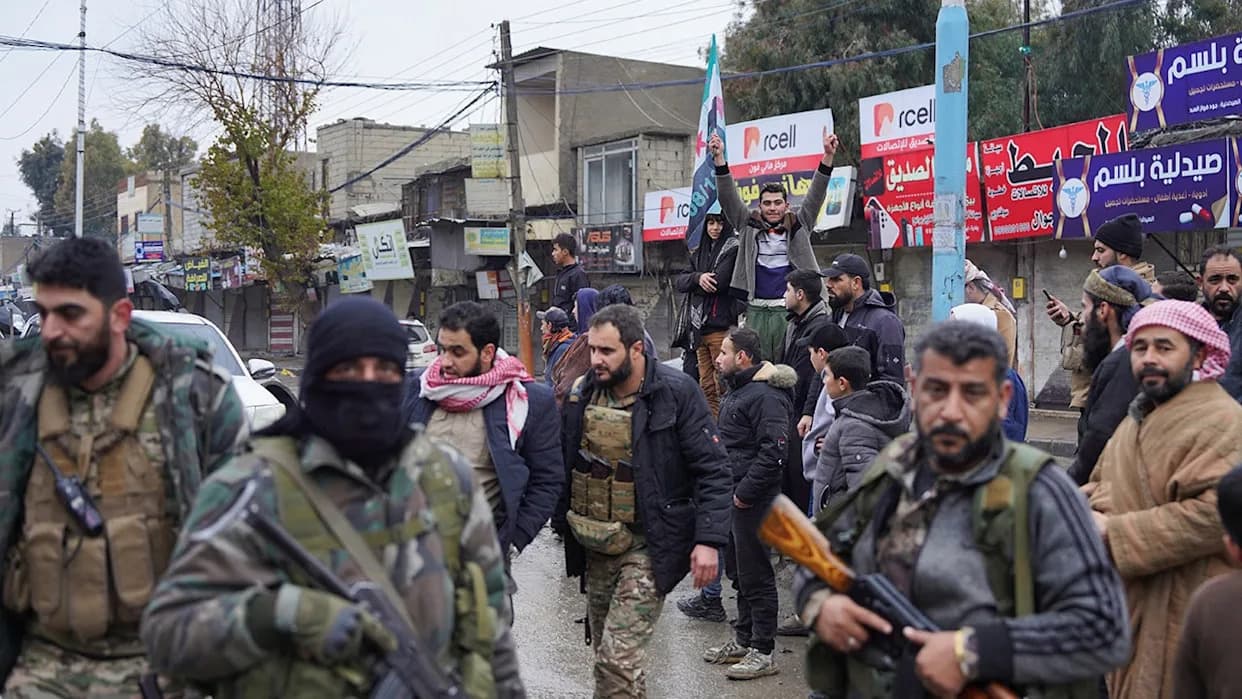
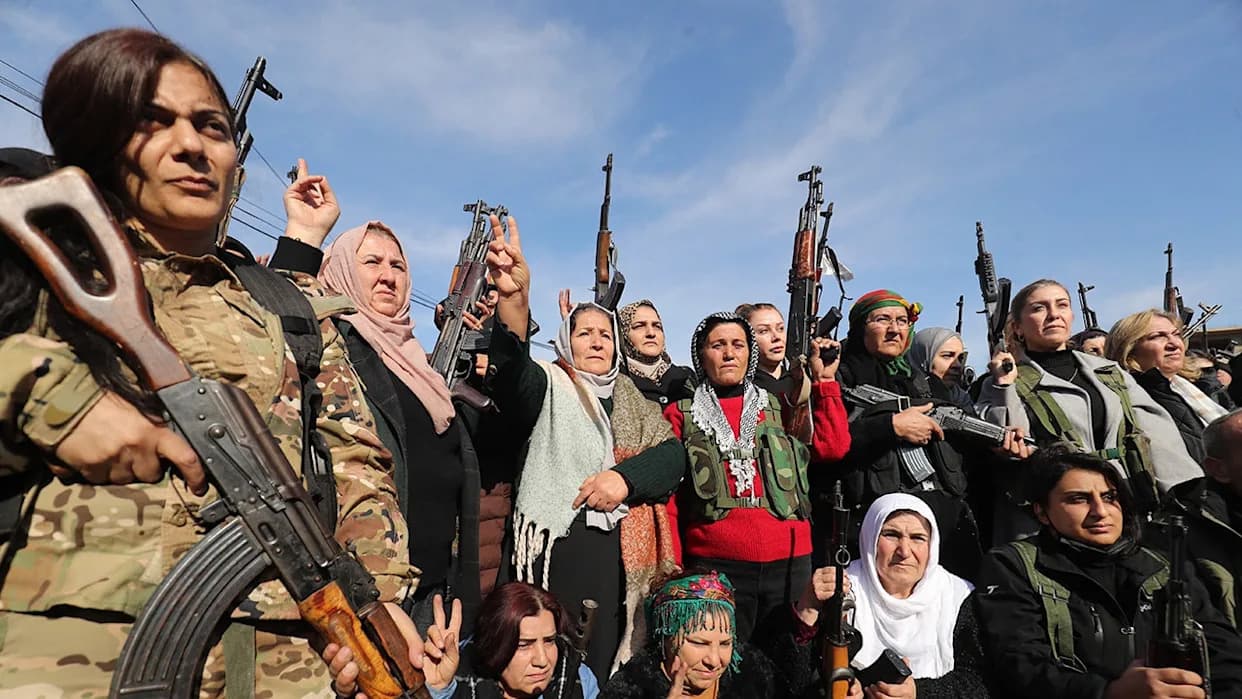
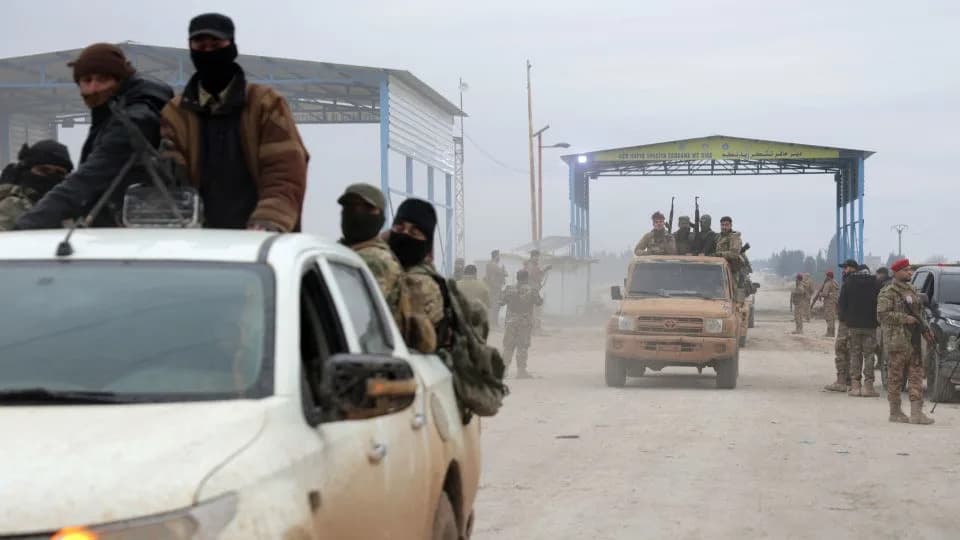
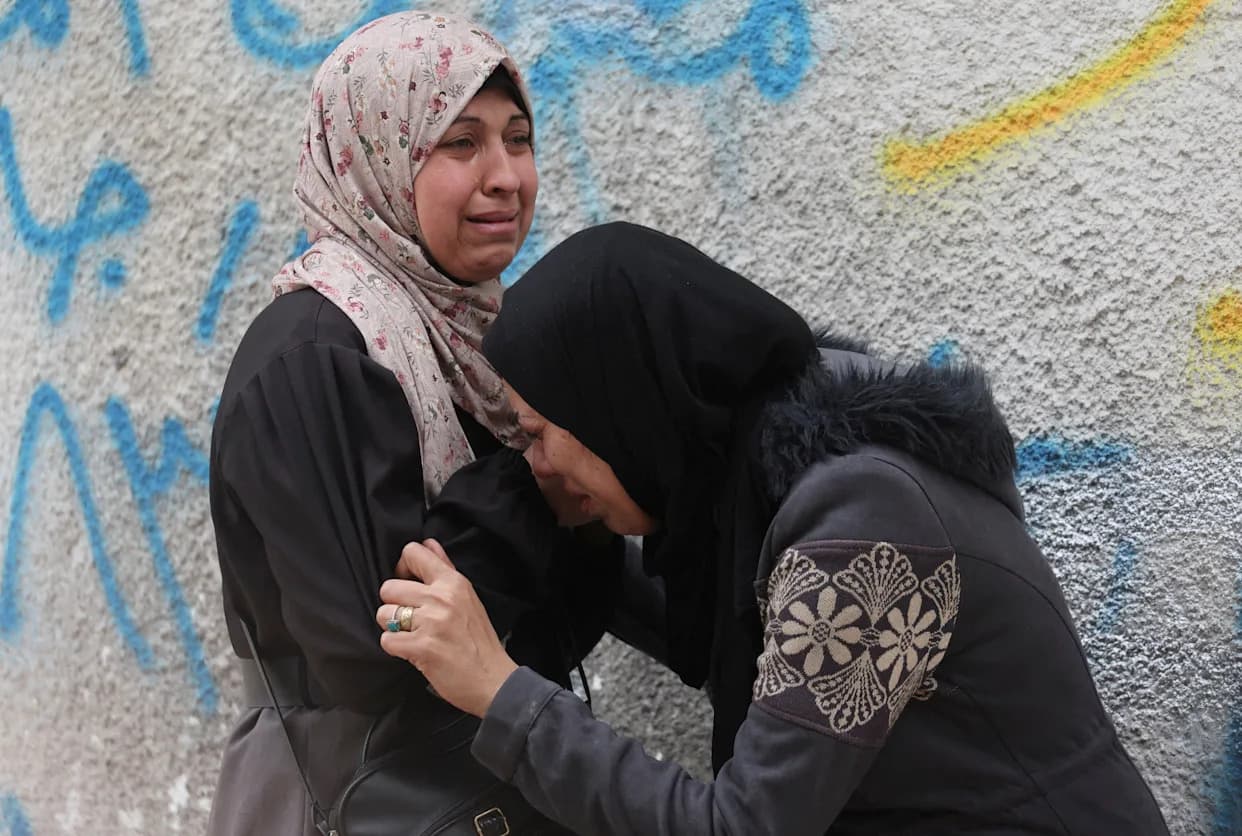
On January 18 the SDF announced its forces had withdrawn from the northeastern Syrian cities of Raqqa and Deir Az Zor following the Syrian army's advance. Residents in those cities reported mixed reactions to the withdrawal, with some welcoming the return of Syrian state control and others expressing concern about security and displacement.
Shifting US Policy
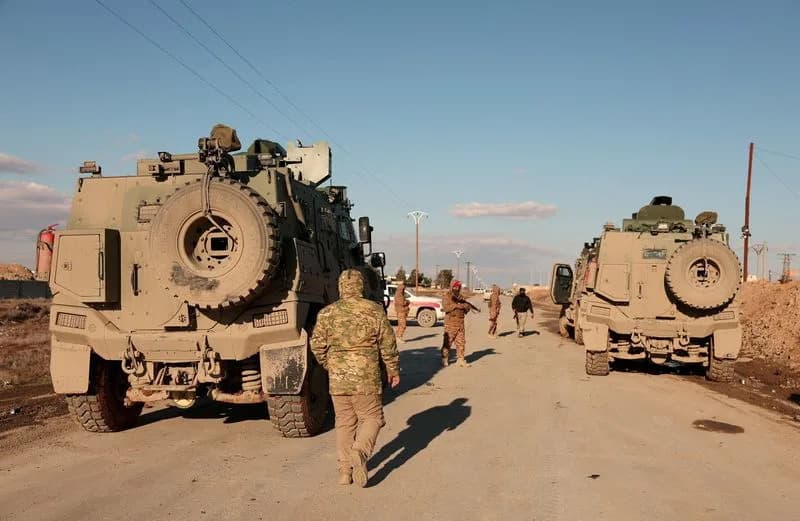
The White House had long supported the SDF as a key partner against ISIL, but US Special Envoy for Syria Tom Barrack said last week that the group's role as the "primary anti‑ISIS force on the ground" had "largely expired," with Damascus assuming greater security responsibilities. Barrack also noted that Syria joined the Global Coalition to Defeat ISIS as its 90th member in late 2025, a move Washington cited as evidence of a transformed security landscape.
Within the Republican Party, there was initial pushback: Senator Lindsey Graham urged reimposing sanctions on Syria in response to the offensive. He has since publicly credited President Trump with contributing to a measure of restored stability in the country.
Diplomacy Ahead
The Kremlin said President Vladimir Putin will meet al‑Sharaa in Moscow to discuss bilateral relations and the broader situation in the Middle East. The meeting is expected to cover bilateral cooperation and regional security concerns.
Why This Matters: The developments signal a significant shift in on‑the‑ground control and international alignments in Syria, with potential implications for US policy, Kurdish forces' future role, and regional security dynamics.
Help us improve.