Two young women fled abusive family environments in Chechnya as repression tightened amid Russia's war in Ukraine; only Asil survives, while Aishat was later found dead in Yerevan and a murder probe was opened. Activists say the deployment of thousands of Chechen fighters to Ukraine, some reportedly coerced, and returning combatants with PTSD have worsened domestic violence. Independent aid and reporting in Chechnya are extremely limited, making escape and protection increasingly difficult.
Chechen Women Flee Rising Repression Amid Ukraine War — One Found Dead Abroad
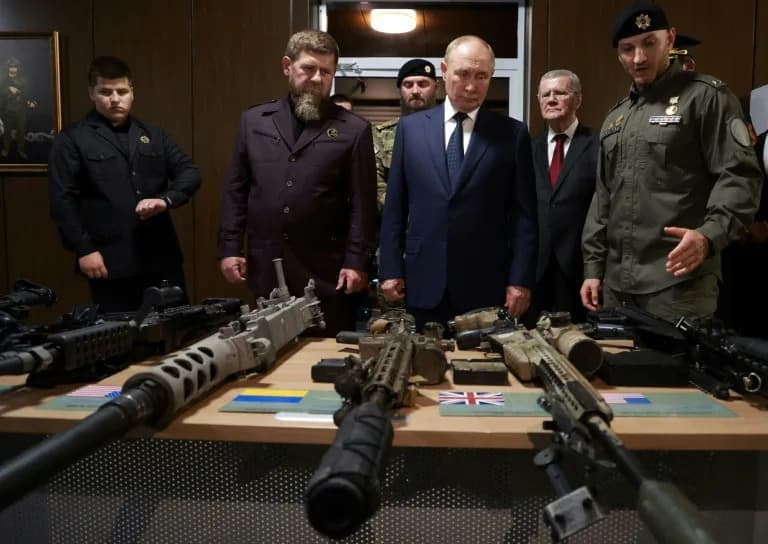
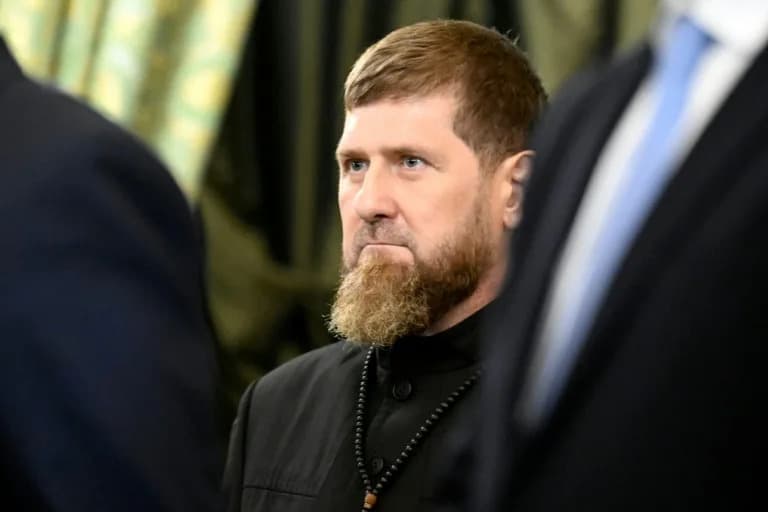
Rights groups describe the mountainous region of 1.5 million people as a 'state within a state' (Vyacheslav PROKOFYEV)(Vyacheslav PROKOFYEV/POOL/AFP)
As repression in Chechnya intensifies amid Russia's war in Ukraine, two young women — Asil and Aishat — fled violent family situations seeking safety. Only Asil survives. Rights groups and survivors say the conflict and the deployment of thousands of Chechen fighters have worsened the dangers women face at home.
Background: A Closed, Conservative Region
The predominantly Muslim North Caucasus republic of Chechnya is among Russia's most conservative and tightly controlled regions. Informal family codes and clan ties often override written law, and independent reporting from inside the republic is nearly impossible. Strongman leader Ramzan Kadyrov, who has governed since 2007, enjoys broad autonomy from Moscow in return for keeping the region loyal.
What Happened To Asil And Aishat
Both women told AFP they endured beatings, insults and humiliation by relatives before fleeing. Family members accused them of being possessed when they resisted.
'The reasons for everything are the 'sheitan',' Asil said, using the Arabic word for devil.
After escaping, Asil said she still lived in 'animal fear' of being tracked down, returned and killed for allegedly dishonouring her family — a fate documented in several cases of Chechens who tried to flee.
Aishat Baimuradova, 23, who had publicly criticised Kadyrov's ultraconservative policies, was later found dead in an apartment in Yerevan, Armenia. Armenian police opened a murder investigation but suspects had not been arrested at the time of reporting. While in Chechnya, a friend told AFP on condition of anonymity that Aishat had suffered sexual and physical abuse as a child and later at the hands of a husband she married young. The rights group North Caucasus SOS (NCSOS) helped her leave; it later published audio messages in which she recounted beatings and abuse.
The War's Role And Growing Repression
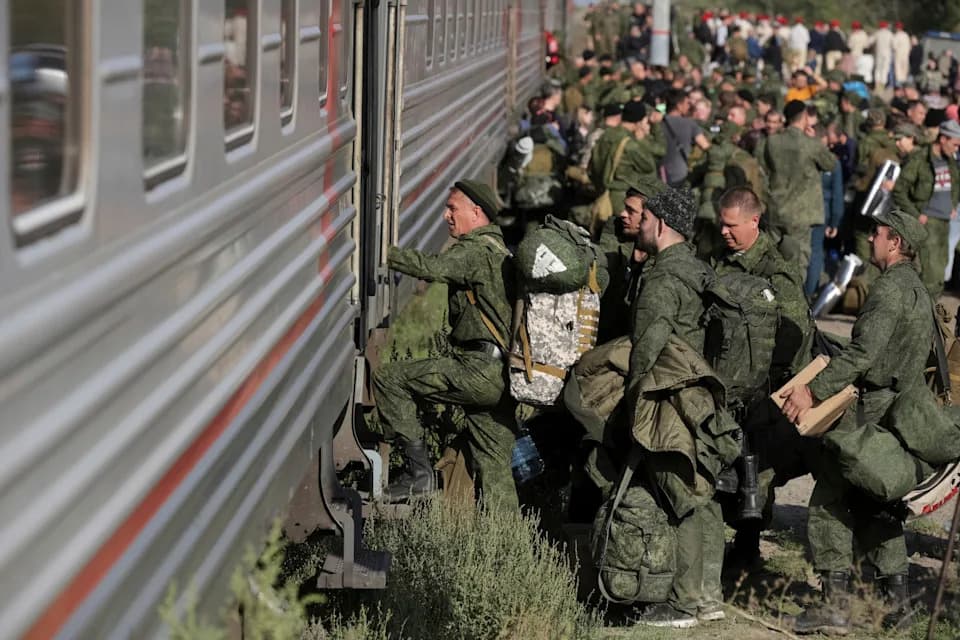
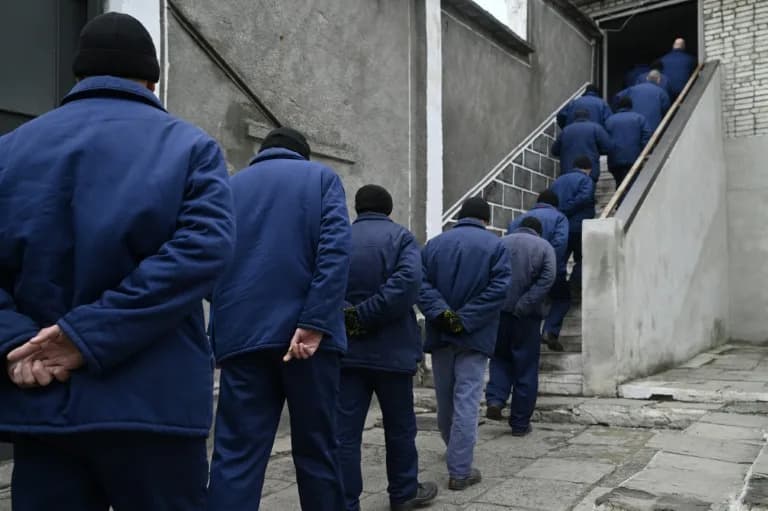
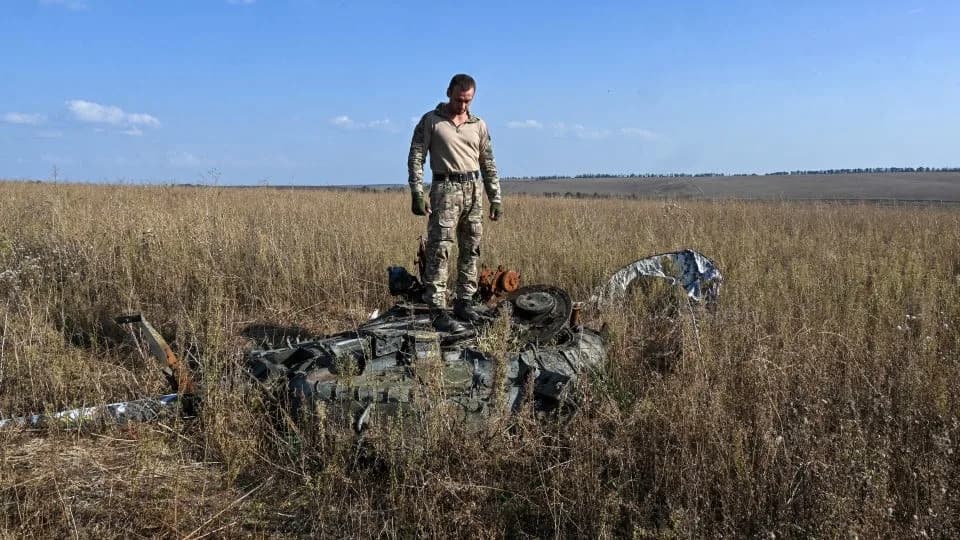
Kadyrov has deployed thousands of Chechen fighters to Ukraine. Some men reportedly joined after receiving high pay and bonuses; rights groups such as Memorial say a substantial number were effectively coerced, facing fines, bribes or reprisals if they refused. Activists also link a rise in domestic violence to returning fighters suffering from post-traumatic stress disorder (PTSD).
David Isteev of NCSOS told AFP that requests for help rose sharply after 2022, attributing the surge to 'systemic post-traumatic violence' and an overall escalation of brutality in the region.
Barriers To Help
Independent aid and reporting inside Chechnya are severely limited by security constraints. Activists say Western restrictions on travel and tougher policies toward Russia have also made it harder to exfiltrate and resettle people at risk. Survivors face threats from pro-Kadyrov networks online and in the diaspora, and some escapees have been targeted abroad.
Voices From Exile
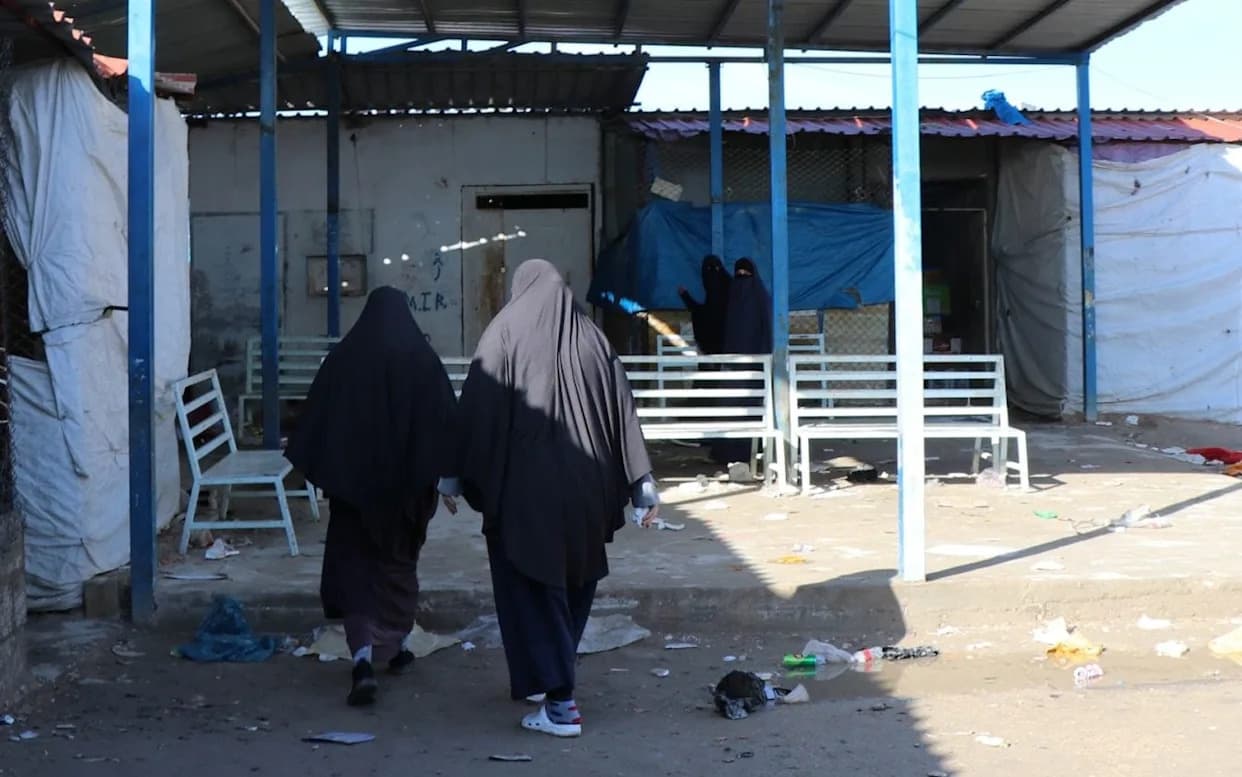
AFP met Asil in Europe, where she has been offered refuge; her exact location is withheld for security. She avoids posting identifiable photos and has adopted a Western hairstyle to blend in. Cutting her hair, she said, was both practical and an act of defiance: 'Back home I was forbidden to cut my hair.'
'She had a sparkle in her, and those who extinguished it, those monsters — I wish that they die,' Asil said of Aishat, slamming her fist on the table.
Despite trauma and fear, Asil said she still believes some Chechen families are supportive and expressed hope that after the war and a change in leadership, women will gain greater rights. For now she focuses on small personal victories: a room where she no longer fears being beaten and plans to learn music. 'My life and my time are mine,' she said.
Context And Recorded Abuses
Over the past 15 years, NGOs say they have confirmed more than 70 cases of honour killings across the Russian Caucasus, most in Chechnya. Kadyrov denies accusations of human rights abuses, while rights groups and activists continue to warn that the combination of tight local control and the stresses of war have deepened risks for women and other vulnerable people.
Help us improve.