The article profiles foreign nationals captured while fighting for Russia and held in a Ukrainian detention facility, highlighting varied motives for enlistment — from economic opportunity to coercion — and detailing personal accounts from Togo, Italy, Sri Lanka and Uzbekistan. It describes daily life inside the camp, allegations of forced recruitment and the legal and human-rights context, including reports of abuses and a Council of Europe inspection that found conditions broadly in line with the Geneva Conventions. Ukrainian officials estimate foreign fighters account for roughly 7% of detainees and warn many could remain detained for months or years while hopes for an "all-for-all" exchange persist.
Foreign Fighters Stuck in Ukrainian Prison Limbo: Coercion, Cash Offers and Uncertain Exchanges
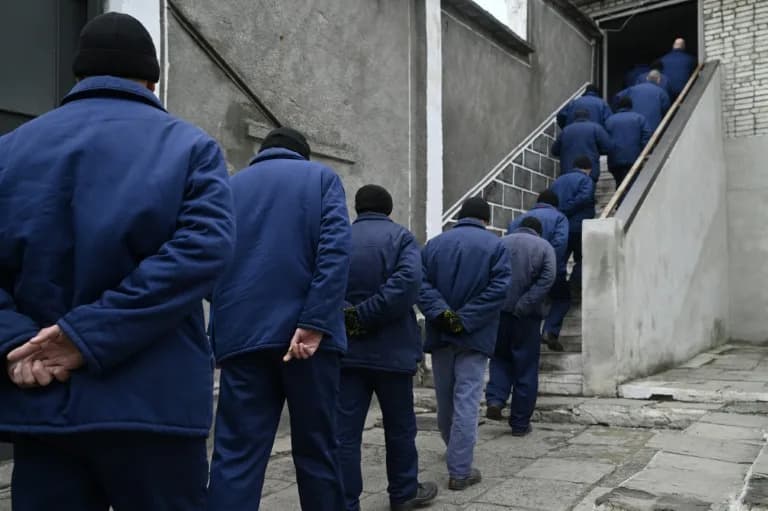
Ukraine has captured many foreign soldiers fighting for Russia (Genya SAVILOV)(Genya SAVILOV/AFP/AFP)
"Assemble!" a voice barked down a prison corridor, cutting through the hush. Stairwells filled with men from across the globe — Egyptians, Chinese, Cameroonians, Kenyans and an Italian among them — all captured while fighting for Russia and now held in a detention facility in western Ukraine.
A Glimpse Inside
New arrivals are issued a small bundle through a hatch: a blue shirt, jacket, trousers and coat, plus basic toiletries such as a toothbrush, soap and towels. Inmates eat in formation, rising and chanting in Ukrainian the only phrase many use: "Thank you for the meal." In the afternoons some work for a modest wage in a prison workshop making chairs.
Why They Went To Russia
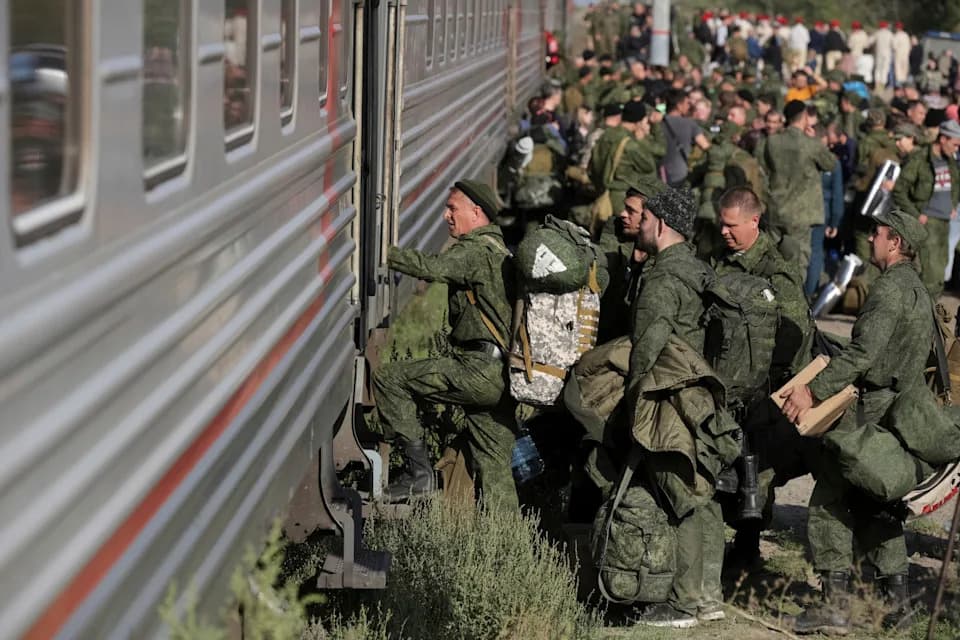
Motivations vary. Some enlisted for higher pay, the prospect of a Russian passport or a pathway out of difficult home circumstances. Others say they were persuaded by Russian messaging or misled into signing contracts they did not fully understand. Several recruits told reporters they were lured by civilian job offers that turned into military service.
Personal Accounts
Eric (Togo): An aspiring neurosurgeon who moved to Russia for affordable training, Eric says he joined after being offered a salary far higher than in his home country. "I knew from the start what I was getting into," he said. He only told his father about enlisting after he was captured.
Giuseppe (Italy): A 52-year-old pizza chef who moved to Russia eight years earlier, Giuseppe said he answered an advert for a cook near the front. After an artillery strike damaged his kitchen and cost him four toes, he surrendered to Ukrainian troops. Italian media have reported he faced prior criminal allegations in Italy; Giuseppe disputed those accounts in his statement to reporters.
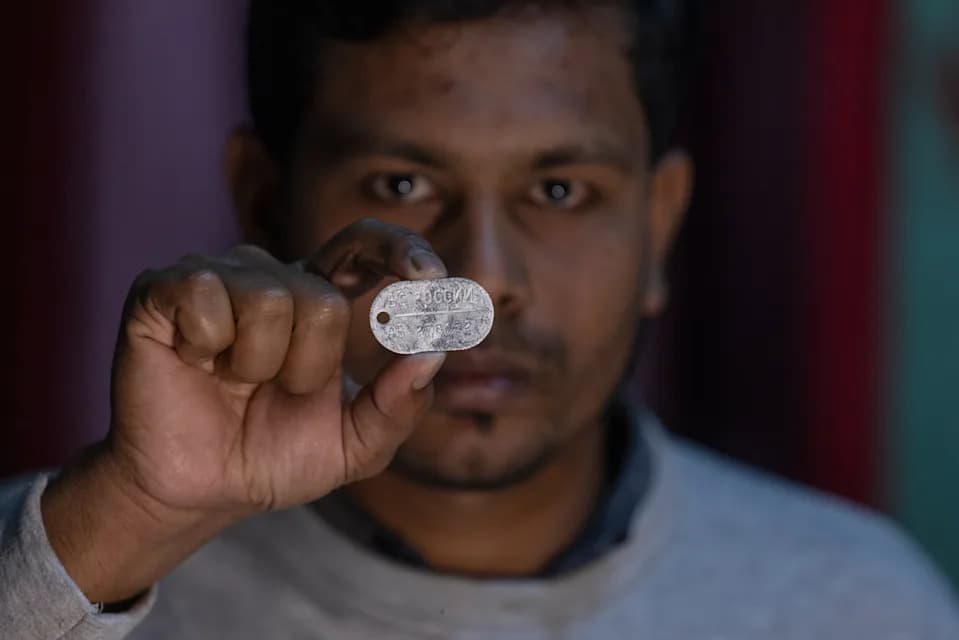
Wediwela (Sri Lanka): He says he "just wanted to work" in Russia. In a small diary he condemned the devastation of war while also blaming the West for stoking conflict. He wrote that better prospects at home might have kept him from leaving.
Aziz (Uzbekistan): Aziz says he was accused by Russian police of drug trafficking and given an ultimatum: 18 years in prison or sign a military contract and work as a driver. To avoid frontline combat, he intentionally stepped onto an anti-personnel mine nicknamed a "petal"; when it failed to detonate he surrendered to Ukrainian forces and guided them to positions he knew.
Rights, Reports and the Outlook
Both sides accuse the other of mistreating prisoners. Human Rights Watch has reported systematic torture of Ukrainian captives in Russian custody, and the UN has recorded executions of people held in Russian detention. A Council of Europe inspection found that POWs at the Ukrainian facility visited were generally held in line with the Geneva Conventions, and diplomats say POW centres often offer better conditions than regular prisons. Still, at least one detainee alleged racist abuse by Ukrainian guards — a claim Kyiv denies.
Ukrainian officials estimate foreign nationals make up roughly 7% of captured fighters, from about 40 countries. Petro Yatsenko, a spokesperson for Ukraine's POW coordination centre, said Russia has limited interest in exchanging many foreign captives and that some countries of origin show little engagement, meaning detainees could remain in custody "for months or years." A proposed US-backed peace plan that envisages an "all-for-all" prisoner exchange gives some detainees hope, but the outcome remains uncertain.
What Lies Ahead
Some prisoners express a desire to return to Russia if released; others hope to reunite with families abroad. For many, however, the future feels uncertain. As one detainee wrote in his diary: "What's the point of living a life that already looks like death? Hang me, kill me. I'm ready." Their fates hinge on diplomatic negotiations, the priorities of their home countries and the unpredictable course of the wider conflict.
Help us improve.