Rep. Eric Swalwell said he would bar former ICE officers from working in California if elected governor and suggested some privileges, such as driver's licenses, could be revoked for those involved in violent enforcement actions. His comments came amid national outrage after two protesters were killed during deportation-related operations, prompting calls for accountability and scrutiny of officials including Gov. Kristi Noem. Swalwell framed aggressive state action as necessary to protect vulnerable communities but his proposals would likely face legal and political challenges.
Swalwell Says Former ICE Agents Would Be 'Unhirable' in California If He's Elected Governor
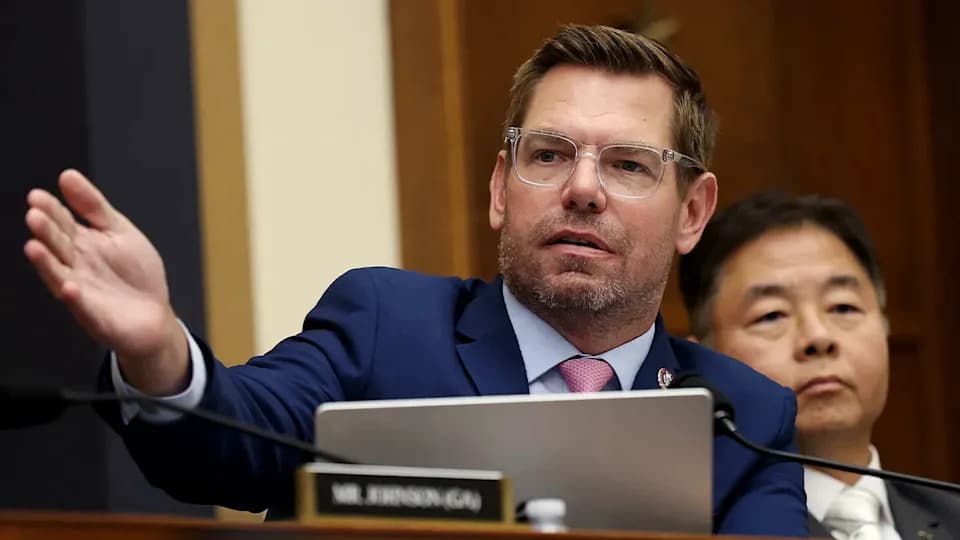
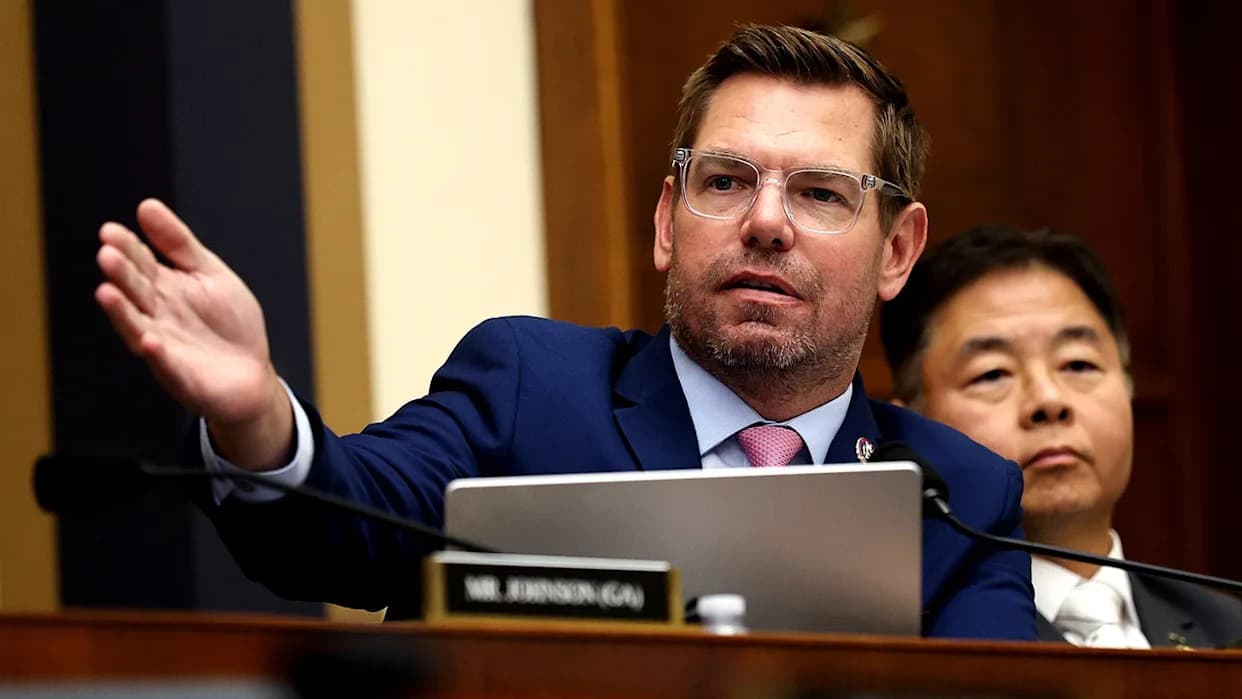
Rep. Eric Swalwell, D-Calif., declared that if he became governor, "If you have worked for ICE in the past, you are unhirable in our state."(Getty Images)
Rep. Eric Swalwell (D-Calif.) said Tuesday that if he is elected governor of California he would bar former Immigration and Customs Enforcement (ICE) officers from working in the state and suggested his policies could even strip certain privileges, such as a driver's license, from individuals who participate in or order violent enforcement actions.
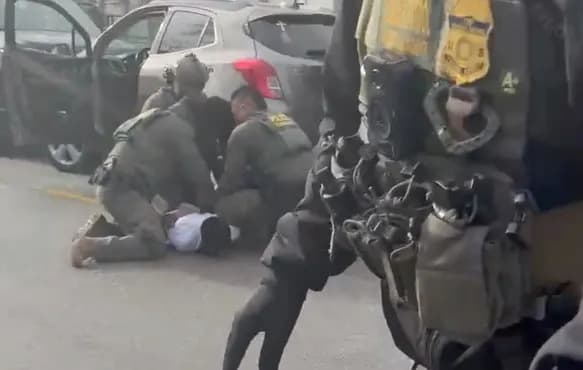
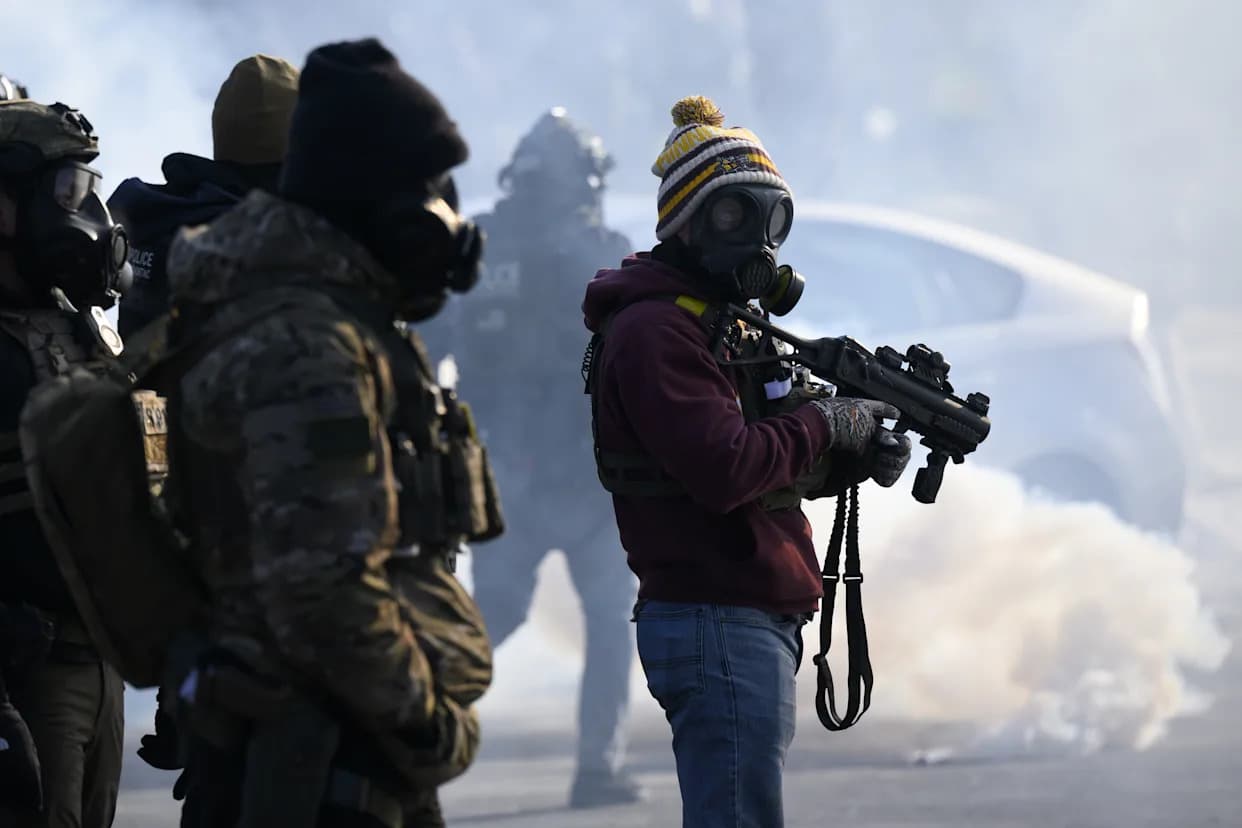
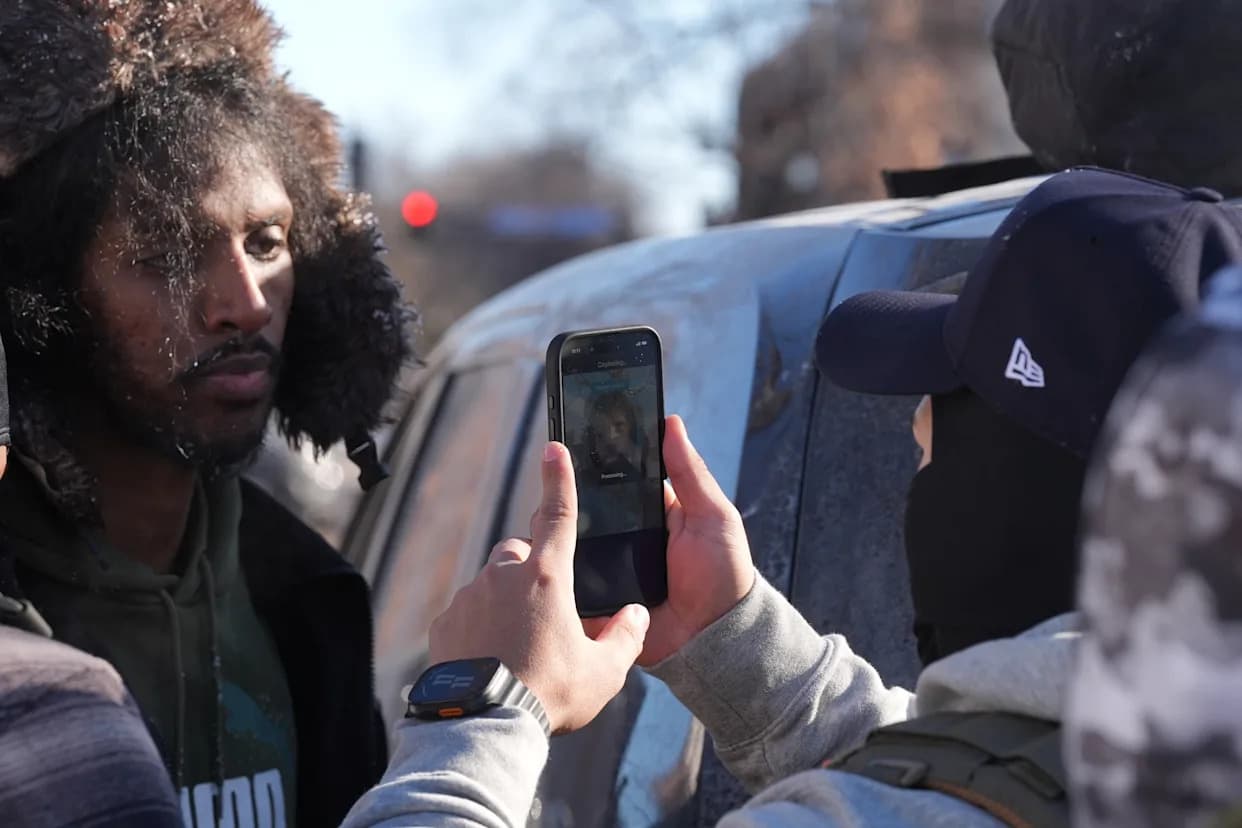
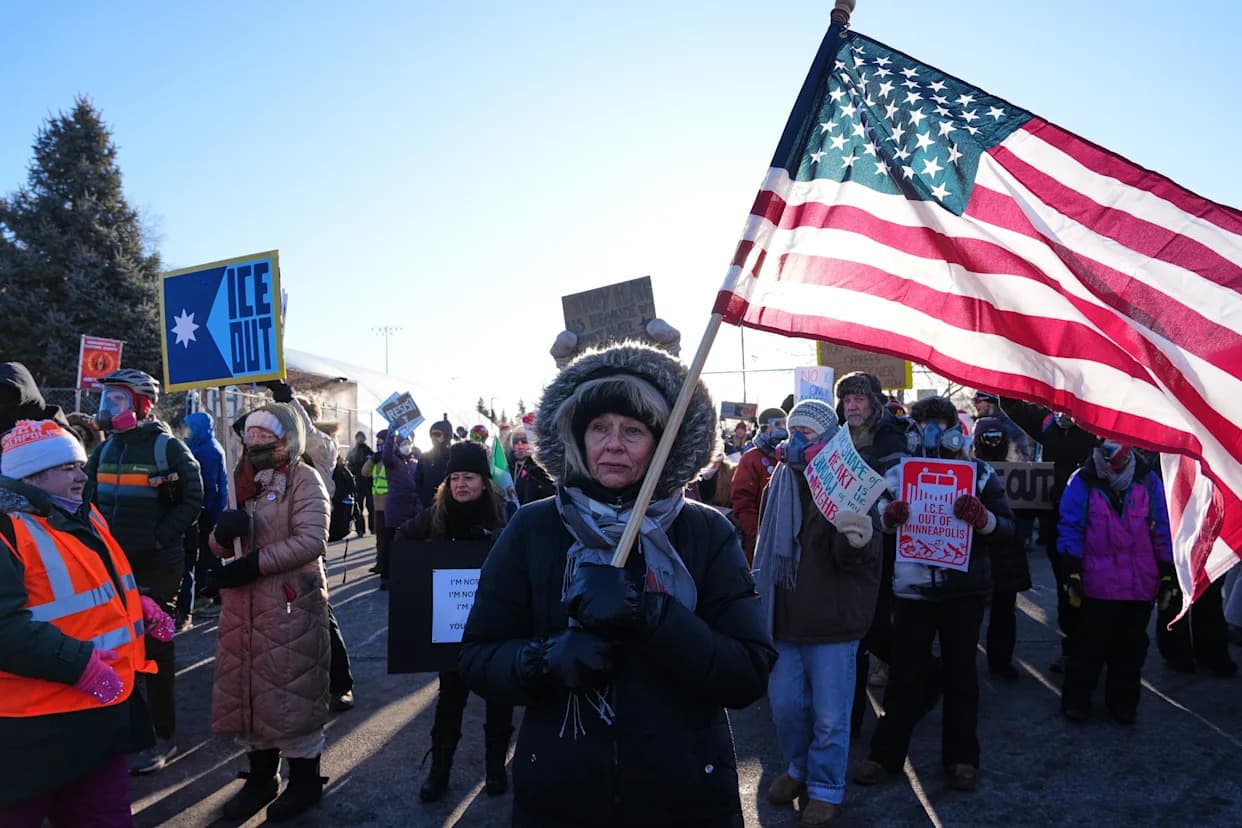
Swalwell made the remarks during a CNN interview with host Kate Bolduan amid heightened scrutiny of federal deportation operations following the deaths of two protesters during law enforcement actions in Minnesota. The incidents have intensified calls for accountability and led some to demand leadership changes — including pressure on South Dakota Governor Kristi Noem.

Rep. Eric Swalwell, D-Calif., suggested that former ICE agents should lose their drivers' licenses.
What Swalwell Said
Defending stronger state action, Swalwell argued governors have broad authorities and should act to protect vulnerable communities. "We’re not going to just let people be lawless and tell the American people we can’t do something about it," he said, adding, "When you publicly execute two people within 10 days, there have to be consequences."
"When I’m governor of California, if you wear a mask in California, you’re losing your driver's license. If you have worked for ICE in the past, you are unhirable in our state," Swalwell said, calling for prosecution of officers who commit kidnapping, battery, assault or murder against members of their communities.
Earlier this month Swalwell described a narrower emergency-power approach: instructing state agencies not to hire former ICE agents. "As governor, I'll use my emergency powers, and I'll tell every state agency, 'We are not, as a policy, hiring ICE agents,'" he said at the time, adding that working for ICE is a choice rather than coercion.

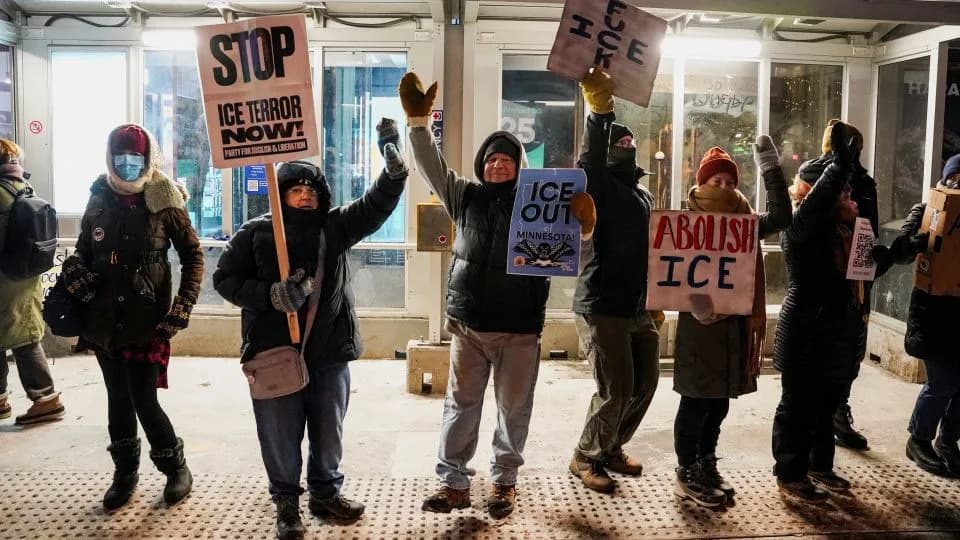
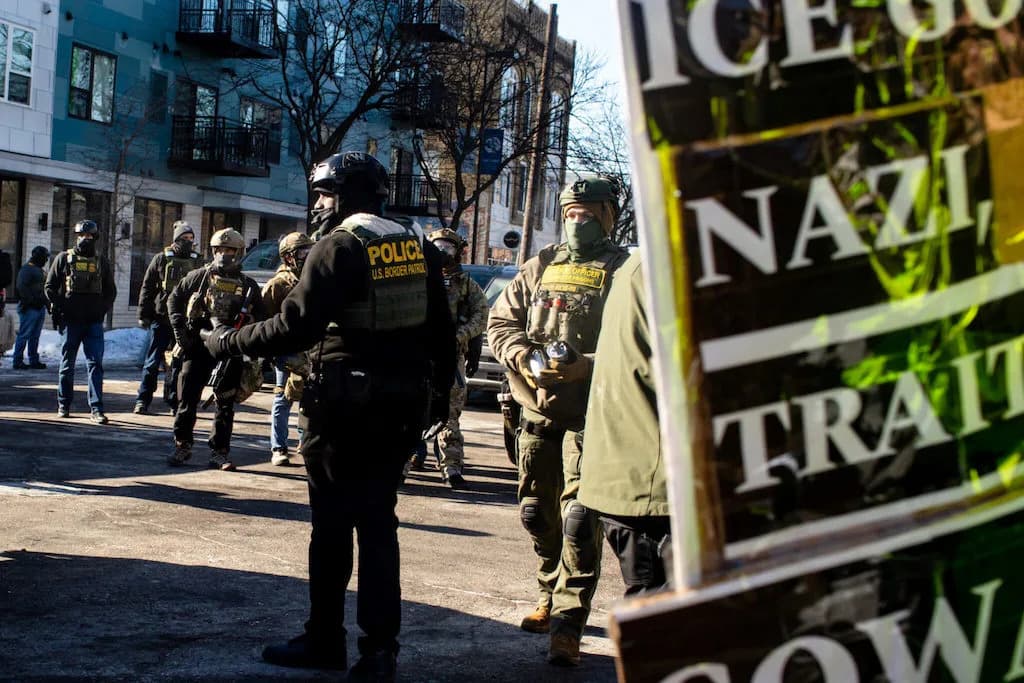
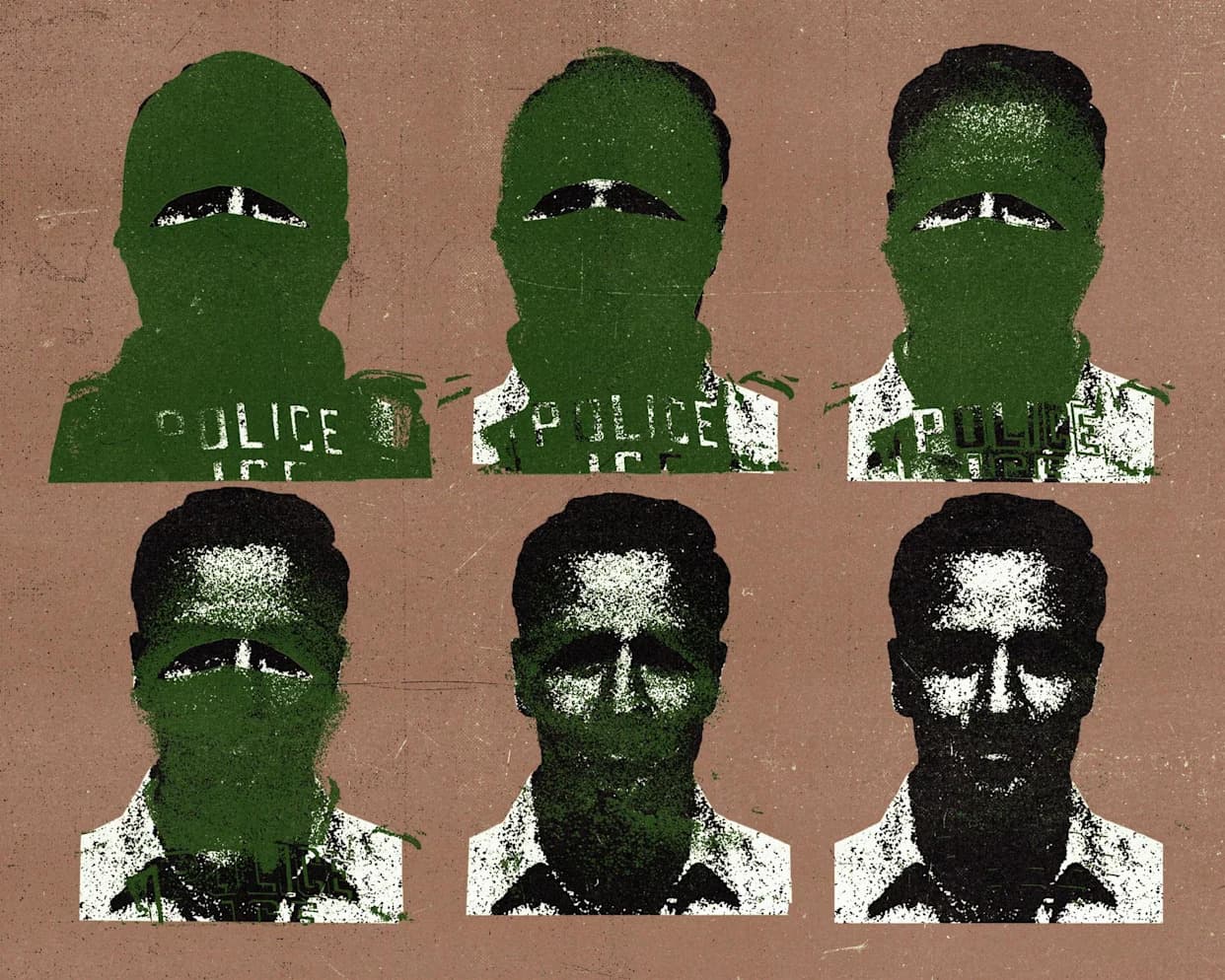
ICE agents have faced severe pushback from politicians and citizens as they attempt to deport illegal immigrants.
Legal and Political Context
Swalwell’s proposals would be highly controversial and likely face legal and political challenges. Barring people from employment or revoking licenses based on prior federal employment raises questions about state authority, due process and federal preemption. Swalwell's office did not immediately respond to requests for comment.
The debate sits at the intersection of immigration enforcement policy, state-federal authority, and demands for accountability after deadly enforcement operations. Supporters of stricter state oversight say governors can protect communities; opponents argue such measures risk politicizing law enforcement and could spark litigation.
Help us improve.