Treasury Secretary Scott Bessent said the Treasury’s $774 billion cash balance could cover tariff refunds if the Supreme Court rules against President Trump’s tariffs. He called potential refunds a "corporate boondoggle" and questioned whether firms like Costco would return money to customers. Bessent said any repayments would be distributed over weeks or months and argued there had been little pass-through of tariffs to consumers. The Supreme Court is expected to release decisions next week amid questions about the administration’s authority under the "major questions" doctrine.
Treasury: $774B Cushion Means Tariff Refunds “Won’t Be A Problem,” Bessent Says
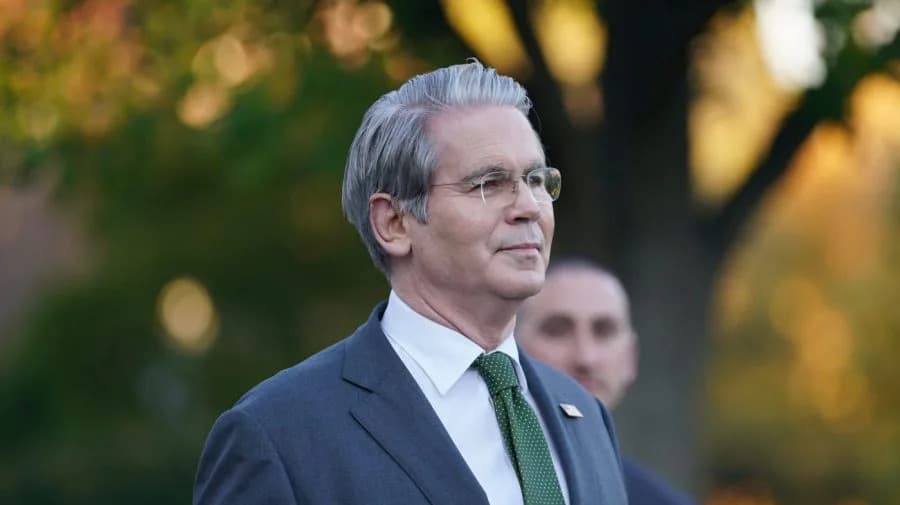
Bessent: Covering tariff refunds wouldn’t be a ‘problem’ for Treasury
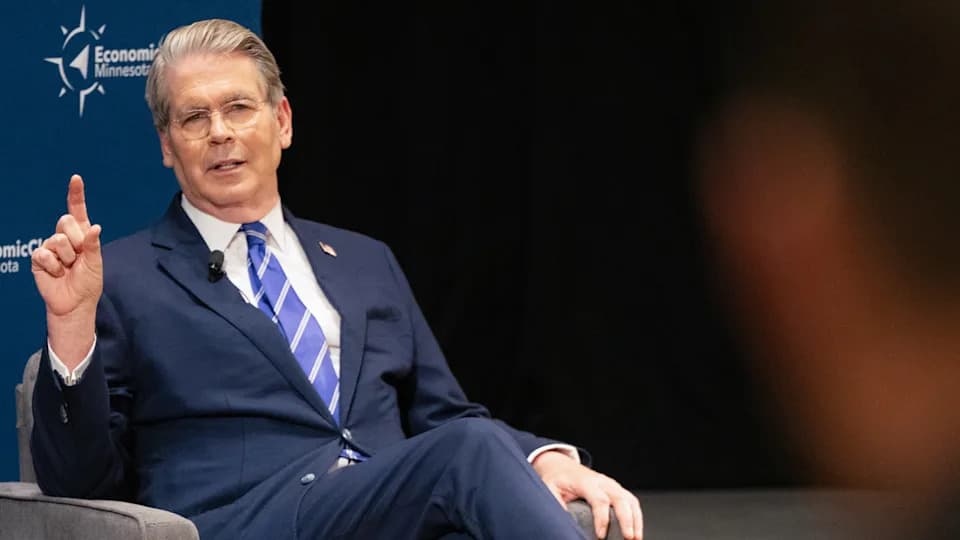
Treasury Secretary Scott Bessent said on Friday that the U.S. Treasury could cover refunds of tariffs if the Supreme Court rules against President Donald Trump’s tariff program, adding that such payouts would not be a fiscal strain.
What Bessent Said
Speaking to Reuters, Bessent described potential refunds as a "corporate boondoggle," and questioned whether companies suing the government—such as Costco—would actually return money to their customers.
“It won’t be a problem if we have to do it, but I can tell you that if it happens — which I don’t think it’s going to — it’s just a corporate boondoggle,” Bessent said.
Bessent noted that the Treasury currently holds about $774 billion in cash, which he said would be sufficient to cover any refunds. He emphasized that repayments would be spread out over time rather than paid all at once: “We’re not talking about the money all goes out in a day. Probably over weeks, months, may take over a year, right?”
Inflation And Consumer Impact
Bessent also argued there has been "very, very little, if any, pass-through" of the tariffs to consumers and suggested that measures of underlying or core inflation are below headline inflation.
Legal And Political Context
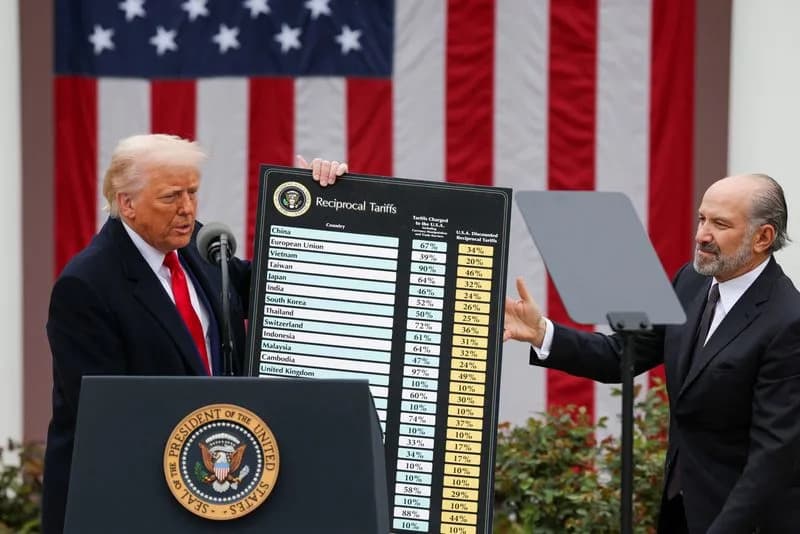
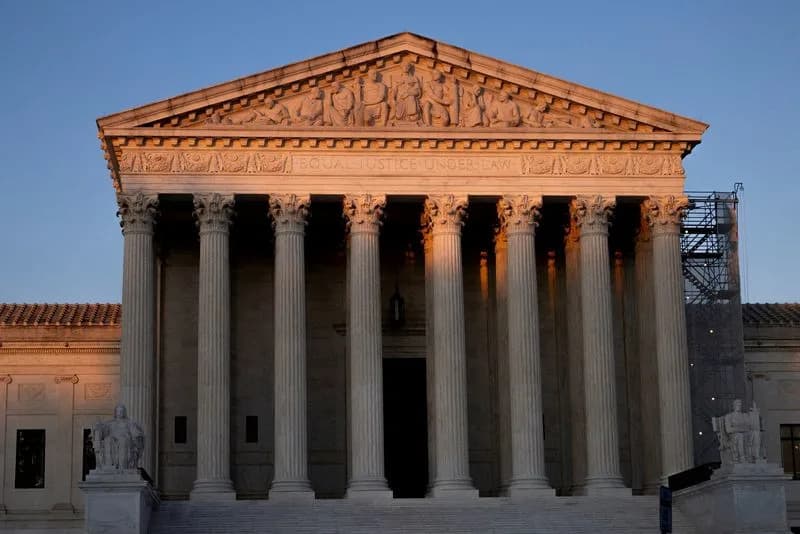
The Supreme Court’s website indicates it will announce decisions in argued cases next week, though the public calendar does not specify which cases. The administration’s tariff authority has drawn scrutiny from the justices: in November, Chief Justice John Roberts and Trump-appointed Justices Amy Coney Barrett and Neil Gorsuch signaled skepticism, and Roberts and Justice Sonia Sotomayor raised the so-called "major questions" doctrine, which limits the executive branch from taking economically significant actions without clear congressional authorization.
Tariffs have been a central element of President Trump’s agenda in both terms. He has argued that import duties help reshore manufacturing and strengthen the economy, and he has defended tariffs as vital to national security and prosperity.
Help us improve.