At Davos, President Trump said he raised Swiss tariffs to 39% after a phone call with Switzerland's leader "rubbed" him the wrong way, a decision he later softened following a Swiss business delegation's visit to the White House. Critics argue the remark reinforces concerns that the administration uses a vague "emergency" rationale to impose tariffs unilaterally. The Supreme Court is expected to rule soon on the legal scope of the president's trade authority, while legal experts reject the notion of an unchecked Article II tariff power.
Trump Says He Raised Swiss Tariff After Call That 'Rubbed Me The Wrong Way' — Critics Say Policy Is Personal
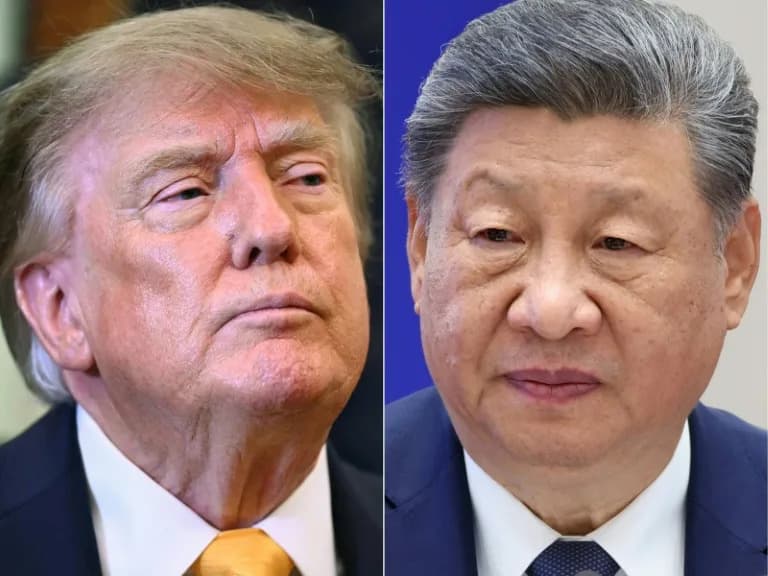
At the World Economic Forum in Davos, President Donald Trump acknowledged that personal friction played a role in a recent trade decision: he said he raised tariffs on Swiss goods after a phone call with Switzerland's leader left him annoyed.
The New York Times reported that Mr. Trump set a 39% tariff on Swiss imports last August — far higher than the 15% rate negotiated with the European Union and the 10% deal reached with Britain. Speaking at Davos, the president said he couldn't recall the Swiss leader's name at the time and described her as "very repetitive," adding, "She just rubbed me the wrong way, I'll be honest with you."
"She just rubbed me the wrong way, I'll be honest with you." — President Donald Trump
According to reporting summarized by Axios, the 39% level was later reduced after a Swiss delegation of business leaders visited the White House bearing expensive gifts — reportedly including a Rolex desktop clock and a 1-kilogram personalized gold bar — and delivered high-level appeals.
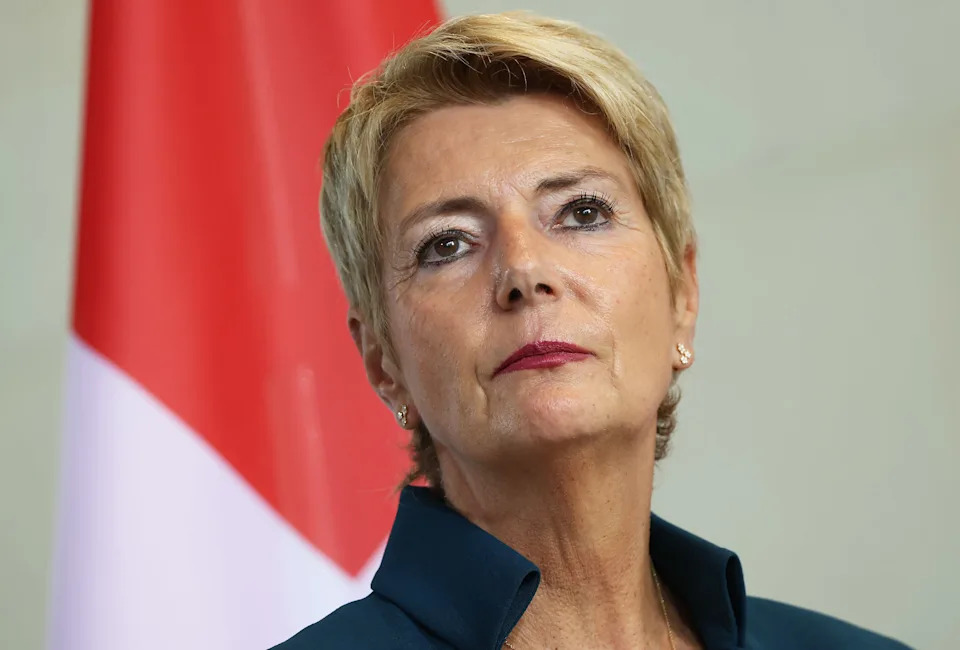
Swiss President Karin Keller-Sutter following talks at the Chancellery on Sept. 02, 2025 in Berlin.(Sean Gallup / Getty Images)
Why Critics Are Concerned
Legal and policy critics say the Davos admission underscores a larger problem: the Trump administration has relied on a broad "emergency" rationale to impose tariffs unilaterally, bypassing Congress's constitutional role in setting trade policy. Administration lawyers have defended the president's authority to impose such tariffs under executive powers, but that claim is now facing imminent scrutiny from the Supreme Court.
House Speaker Mike Johnson publicly defended the president, saying Mr. Trump had used tariff "power" under Article II effectively. Many legal scholars dispute that Article II provides an open-ended tariff authority and argue that Congress — not the president alone — holds primary constitutional power to set tariff rates.
What This Means
Observers say Mr. Trump's comments and the administration's pattern of using tariffs in response to a range of grievances — from foreign prosecutions to diplomatic slights — weaken the claim that these measures respond to genuine national emergencies. As the Supreme Court prepares to weigh the administration's trade authority, the episode highlights tensions between executive action, congressional prerogatives, and international trade relations.
(This article updates earlier related coverage.)
Help us improve.