President Trump threatened a 200 percent tariff on French wine and Champagne to pressure Emmanuel Macron into joining his proposed 'Board of Peace' for Gaza. The remark — coming after Trump said he had invited Vladimir Putin and appeared unaware of Macron's earlier statement — drew criticism and raised legal questions. Critics say repeated, politically motivated tariff threats undermine the administration's claim that such measures are reserved for true 'emergencies.' The Supreme Court is expected to rule soon on the limits of presidential trade authority.
Trump Threatens 200% Tariff On French Wine — Undermines His 'Emergency' Trade Case
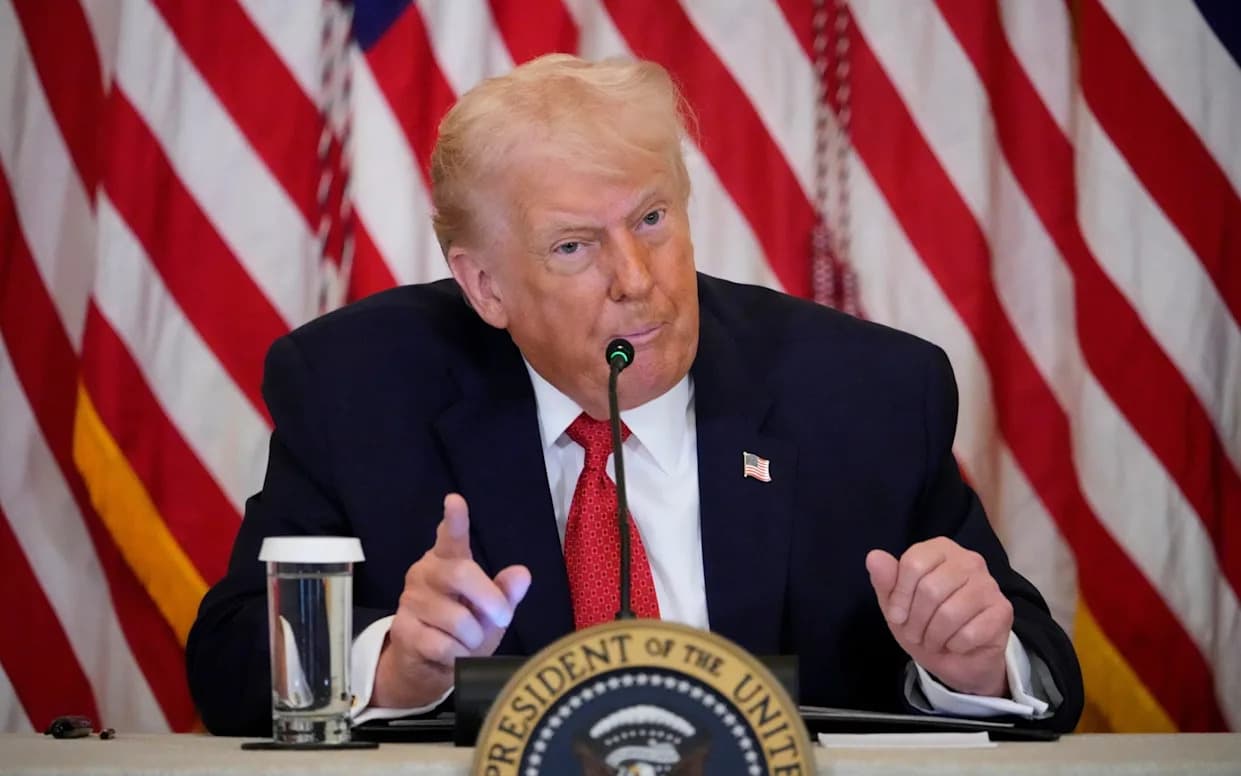
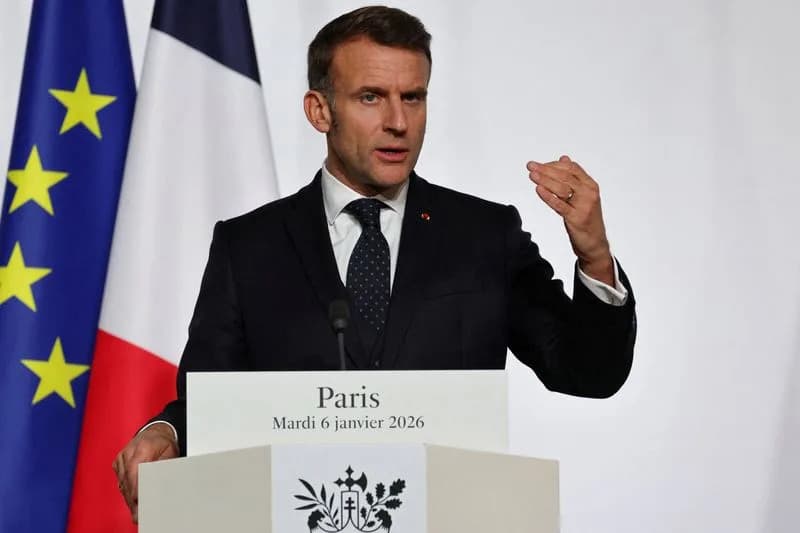
President Donald Trump's threat to impose a 200 percent tariff on French wine, including Champagne, if President Emmanuel Macron refuses to join his proposed 'Board of Peace' for Gaza has highlighted a broader vulnerability in the administration's trade strategy.
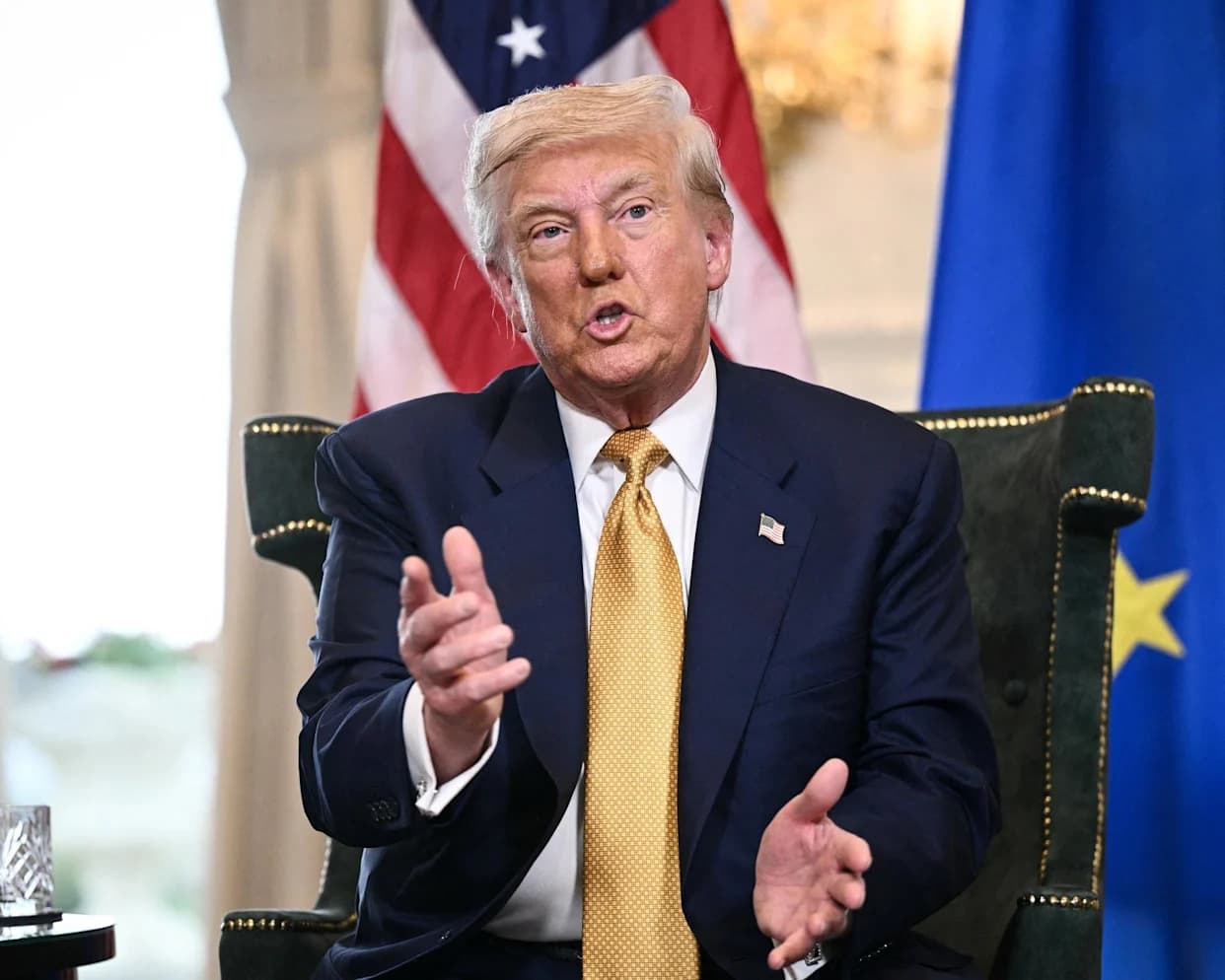
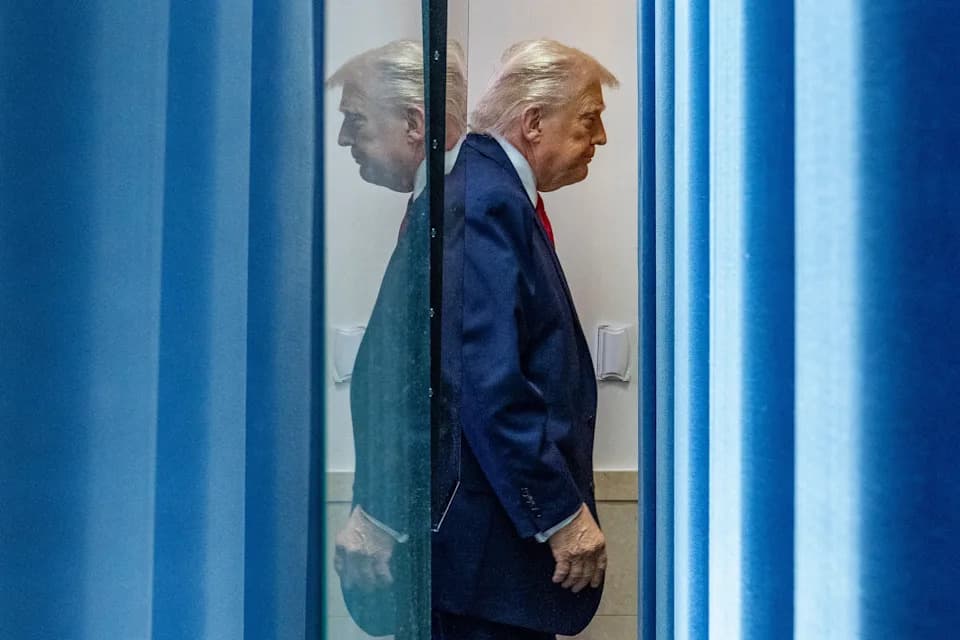
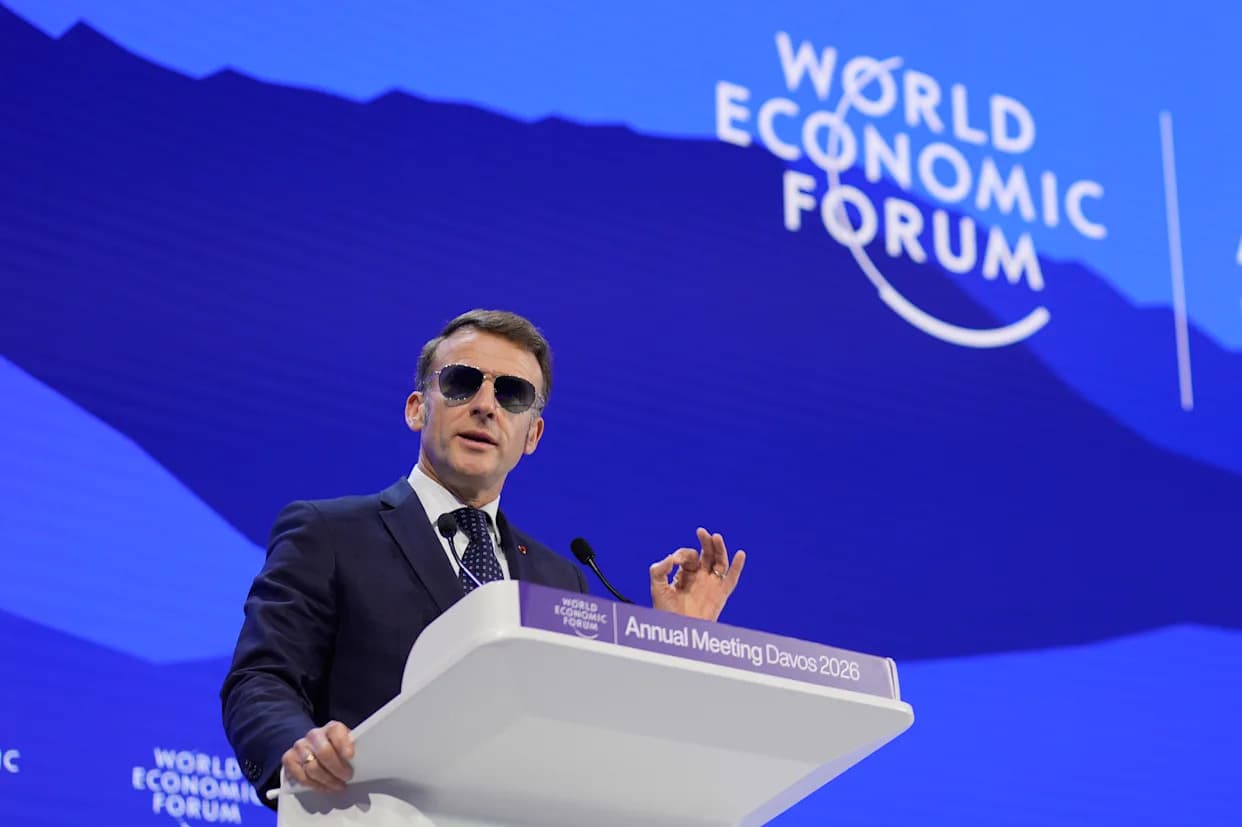
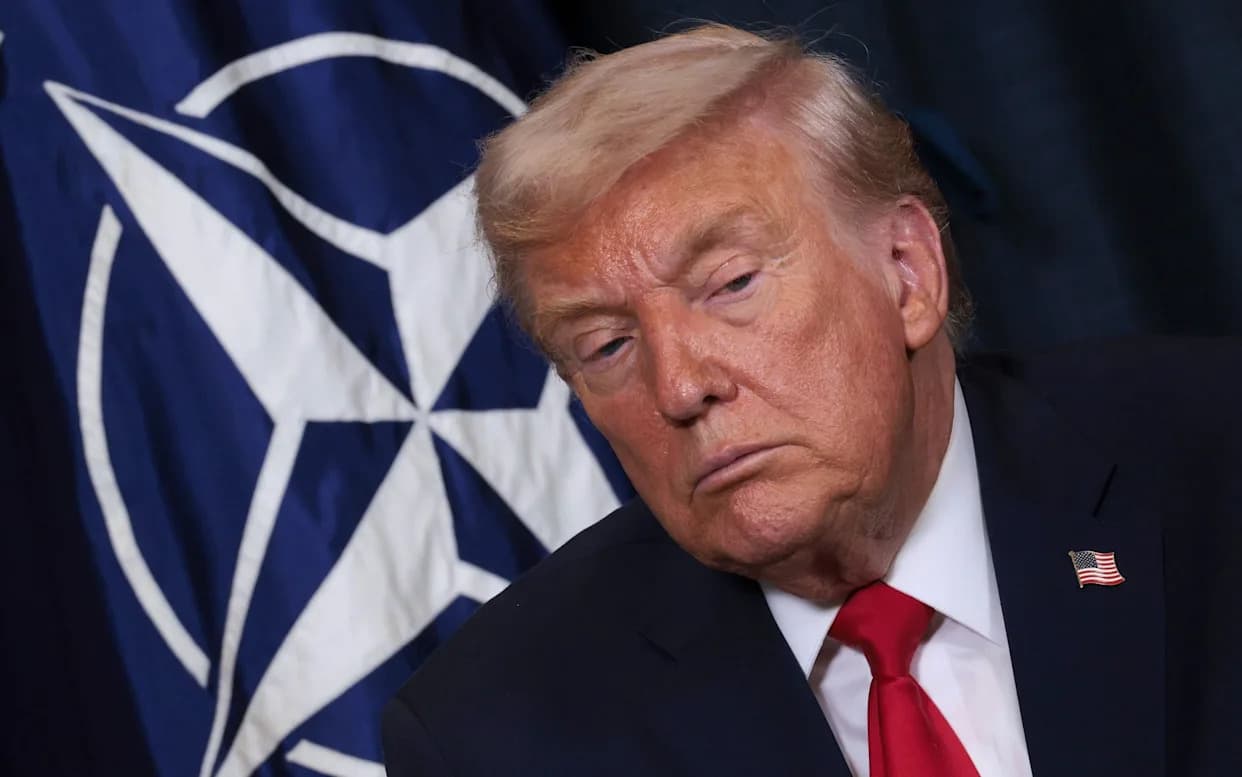
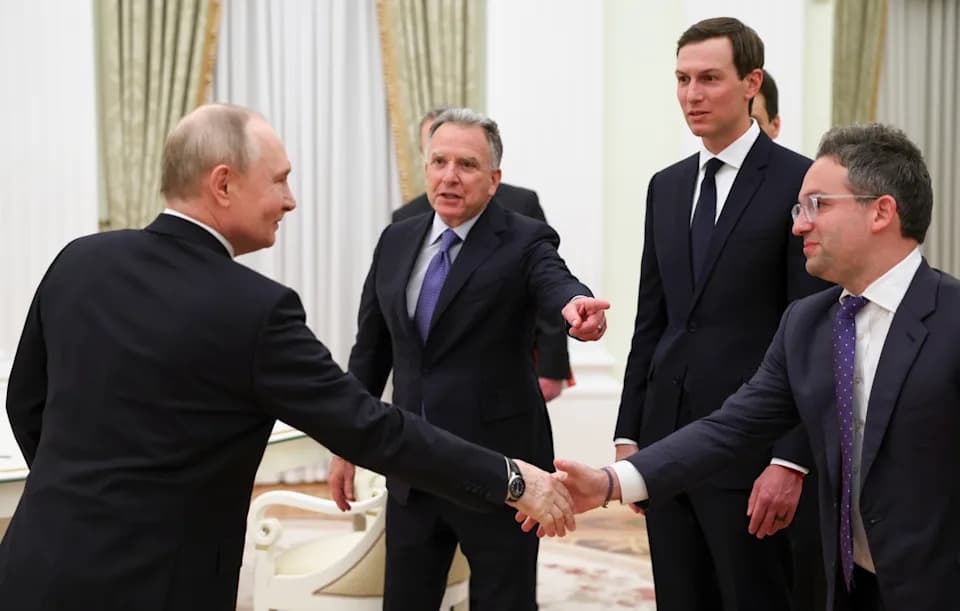
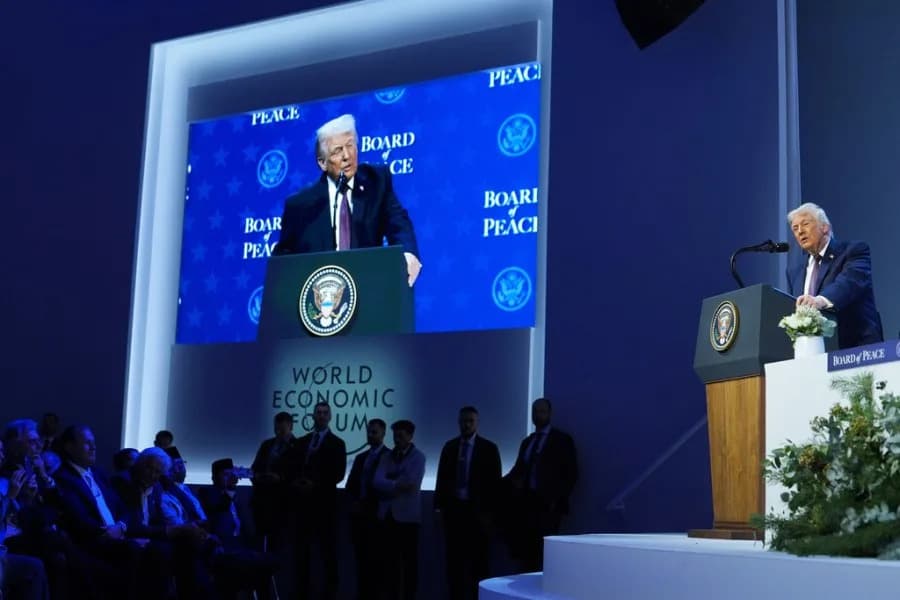
Trump, who said he invited Vladimir Putin to the panel, made the remark during a brief Q&A with reporters after Macron announced he did not intend to participate. Asked about Macron's comment, Trump replied, 'Oh, did he say that?' and added: 'What I’ll do is, if they feel, like, hostile, I’ll put a 200% tariff on his wines and champagnes — and he’ll join.' The offhand threat drew immediate international criticism.
Legal stakes: The White House has argued that the president must retain broad, unilateral authority to impose tariffs on trading partners without congressional approval when faced with an 'emergency.' But repeatedly deploying or threatening tariffs in clearly political or retaliatory contexts weakens that emergency rationale.
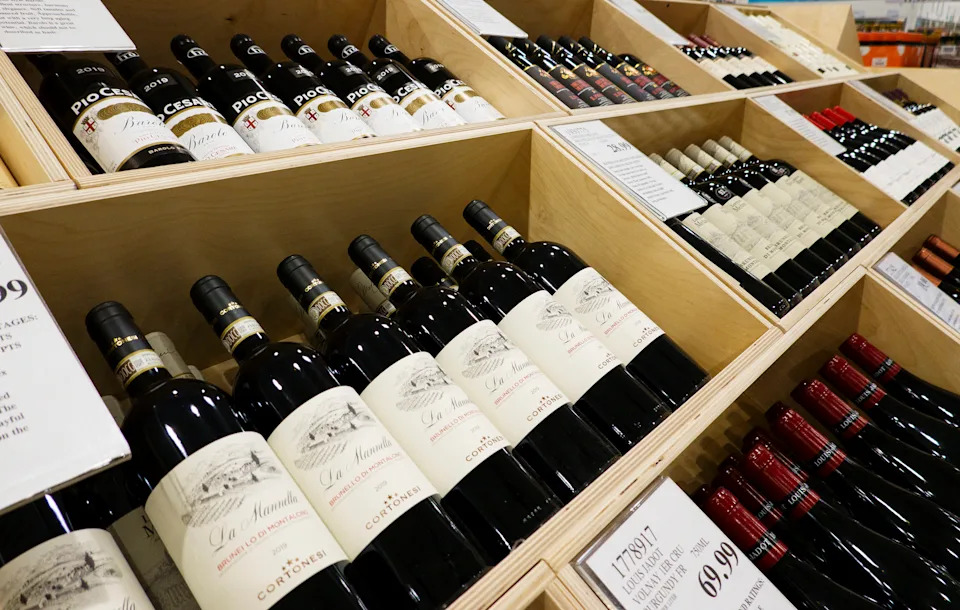
Bottles of wine are displayed on April 25, 2025 at a Costco Wholesale store in San Diego.(Kevin Carter / Getty Images)
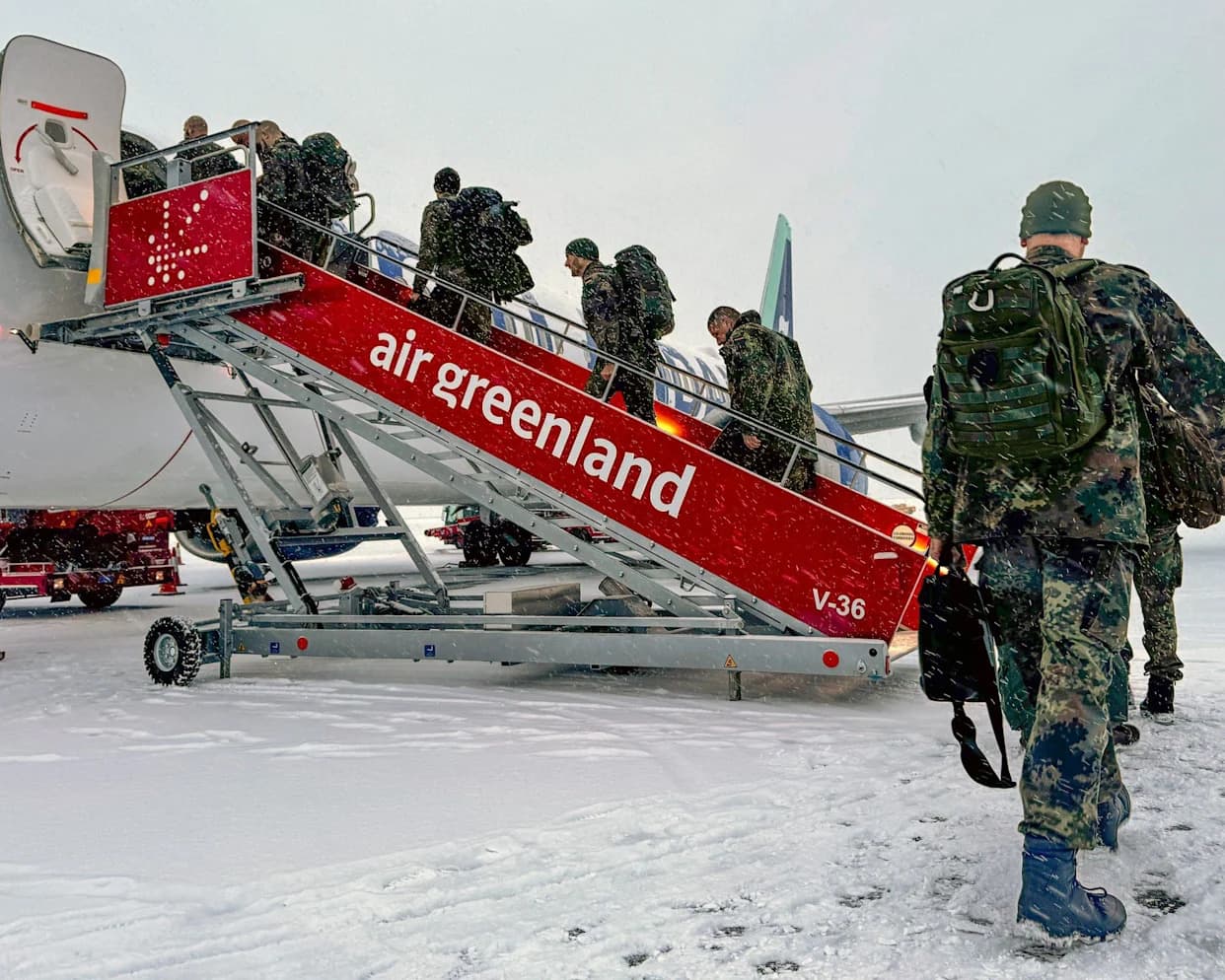
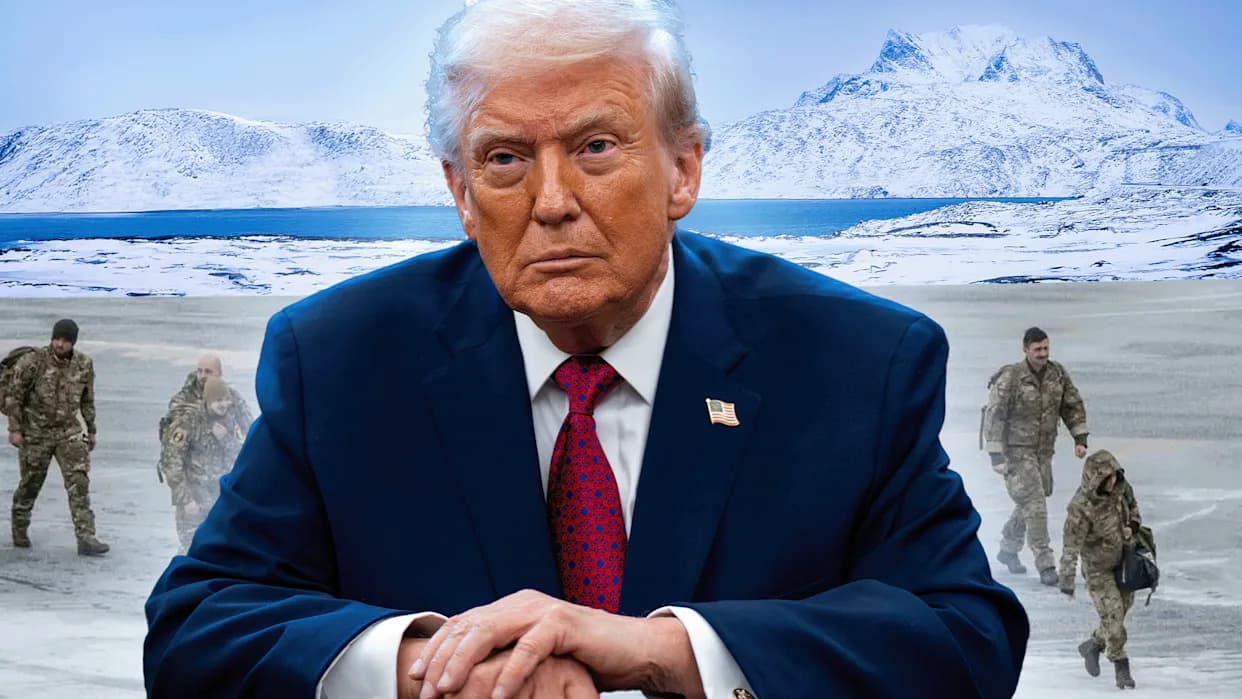
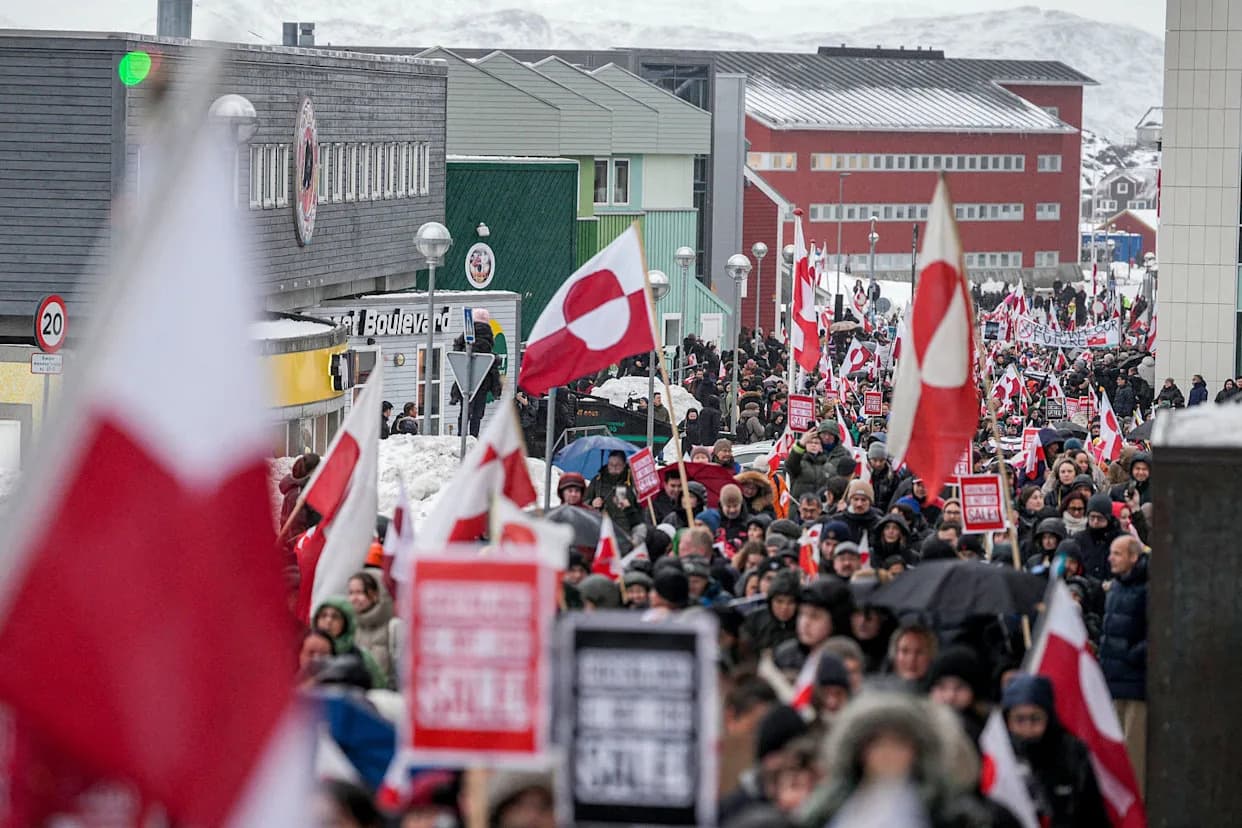
Examples cited by critics include proposed tariff responses to Brazil's prosecution of a politician allied with Trump, threats tied to disputes over Greenland, and now the threat directed at France. Taken together, these episodes make the 'emergency' justification look less like an exceptional remedy and more like a routine foreign-policy tool.
'Oh, did he say that?' Trump asked, apparently unaware of Macron's earlier comment, before threatening: 'What I’ll do is, if they feel, like, hostile, I’ll put a 200% tariff on his wines and champagnes — and he’ll join.'
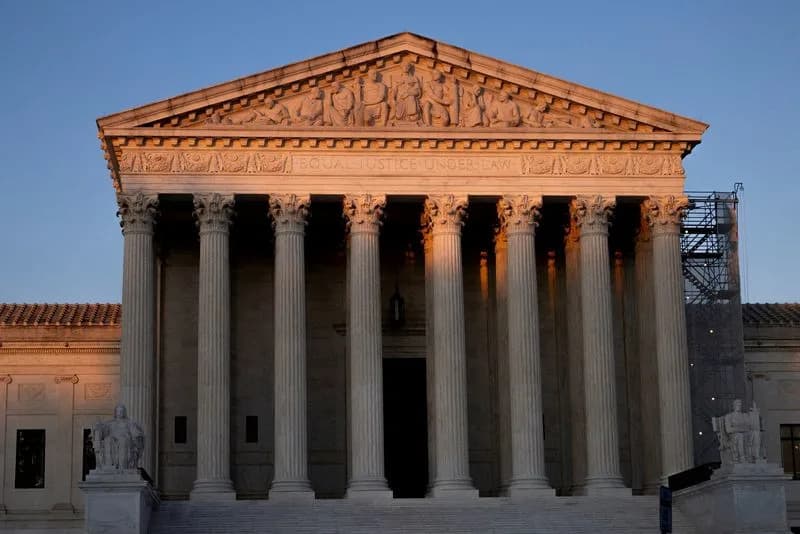
Why it matters: The Supreme Court is expected to rule soon on the scope of presidential trade authority. If the justices determine that the administration has been using tariffs as political leverage rather than responding to genuine emergencies, it could significantly constrain future unilateral tariff powers.
Whether the president will follow through on the wine tariff threat is unclear. Even so, the episode provides a vivid, public example that critics and courts can point to when evaluating whether the 'emergency' doctrine has been misapplied.
Help us improve.