Venezuelans report a rise in vehicle checkpoints and phone inspections since the Jan. 3 attack in Caracas and the capture of President Nicolás Maduro. Civilians say officers search chats for political keywords, sometimes leading to intimidation, extortion or detention, which has driven people to use code words and delete messages. The emergency decree expanding officials' powers lacks clear limits, while the constitution guarantees privacy of communications except by court order. Rights groups advise requesting court orders, recording officer details and encrypting phone data.
Speak in Code, Delete Chats: How Venezuelans Protect Phones as Checkpoints and Searches Rise
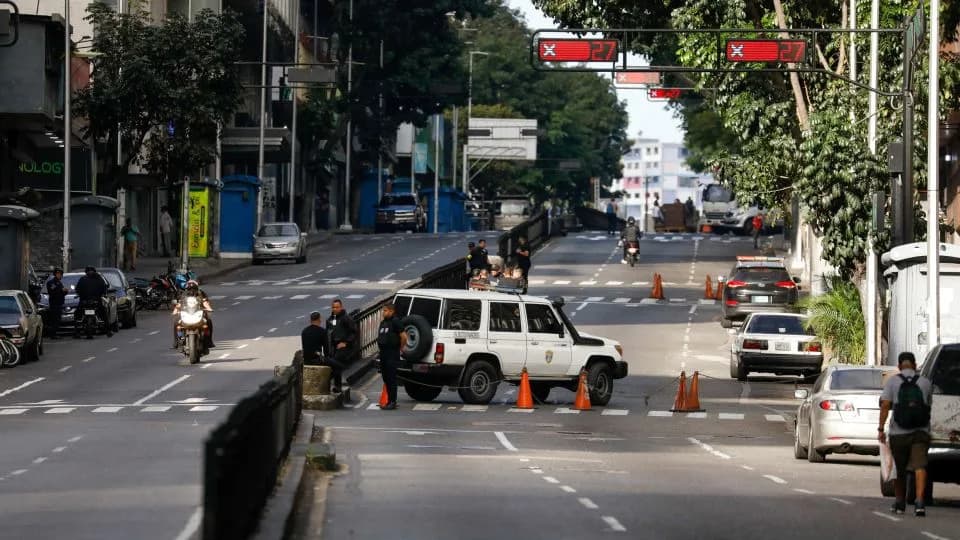
Police guard the street leading to Miraflores Palace in Caracas, Venezuela, on January 4. - Leonardo Fernandez Viloria/Reuters
"Mami, delete the chats."
"Son, that gets recorded."
"Delete your conversations before going out."
Overview
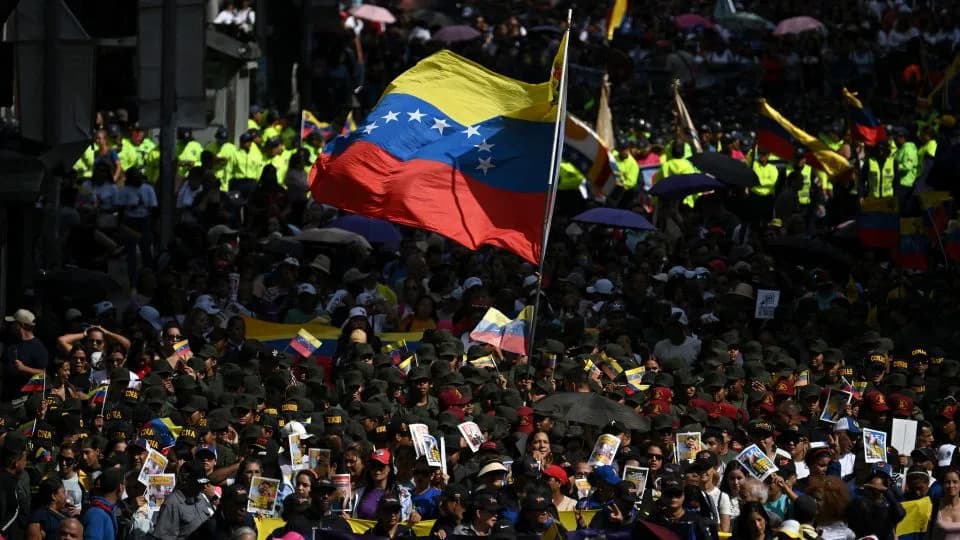
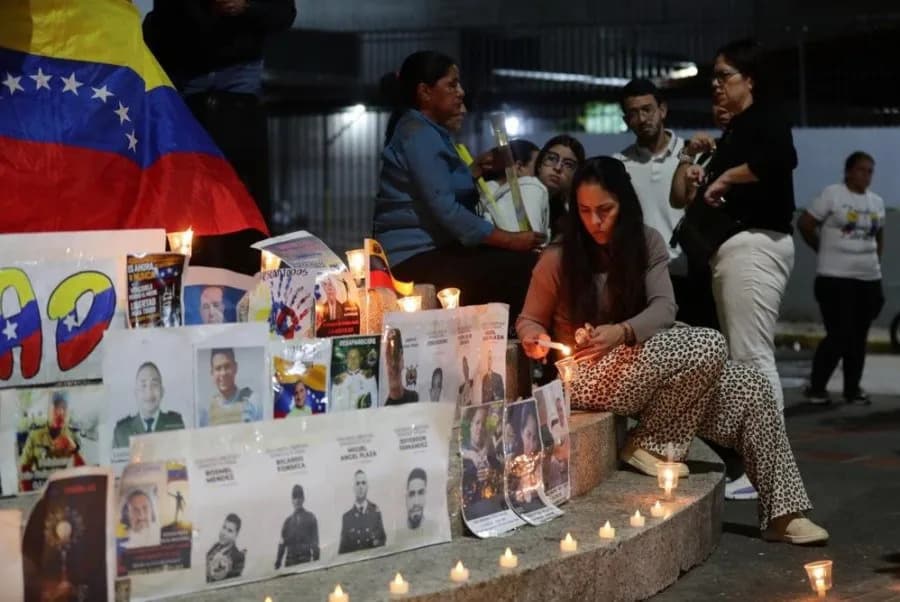
These recent WhatsApp exchanges from a Venezuelan family who asked to remain anonymous illustrate the precautions ordinary people now take when communicating. Since the January 3 attack in Caracas and the subsequent capture of President Nicolás Maduro, reports of security forces searching phones at checkpoints and airports have increased, prompting civilians to use coded language, delete messages and avoid political discussion online.
Checkpoints, Phone Searches and Daily Precautions
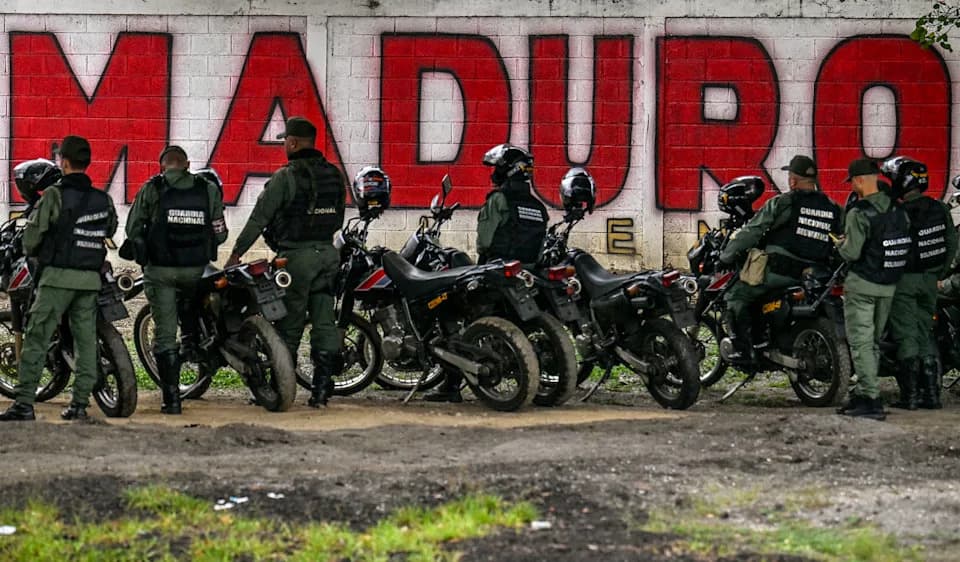
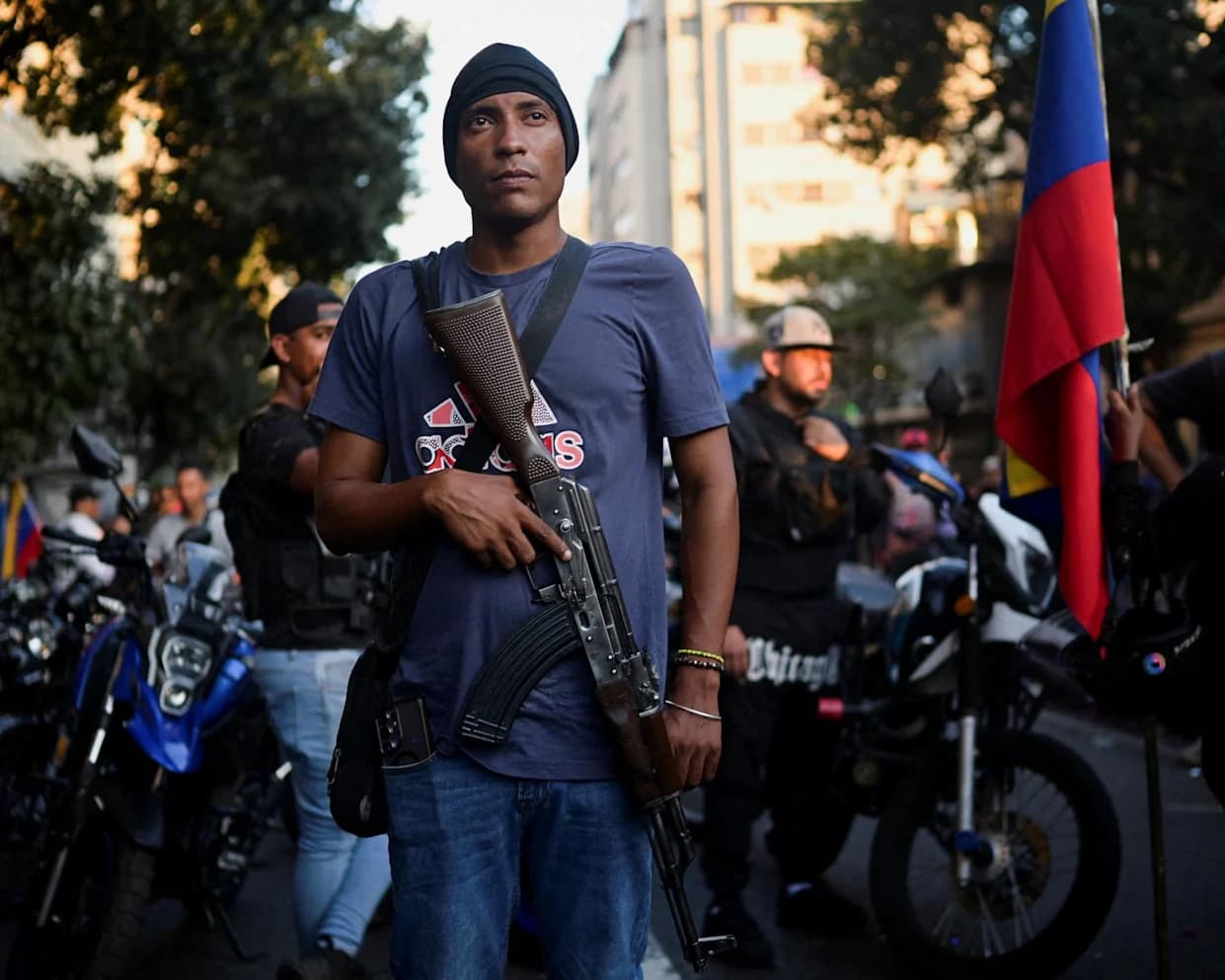
Authorities have set up more fixed and mobile checkpoints across the capital and other regions, stopping vehicles, asking about destinations, inspecting cars and frequently scrutinizing cell phones. Although phone searches have occurred previously, interviews show these measures intensified after the government declared a state of emergency — a decree that grants officials extraordinary powers without clearly defining their scope or limits, including how citizens' privacy should be protected.
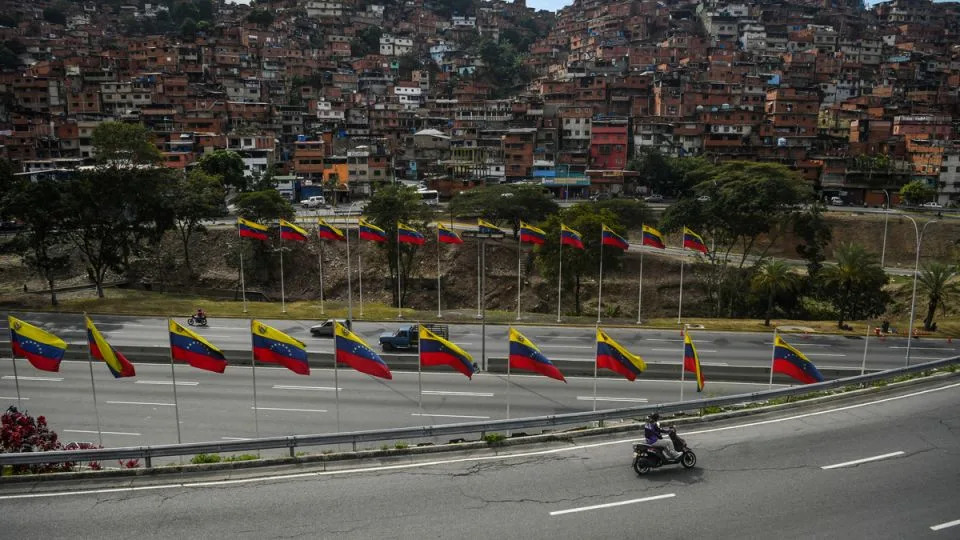
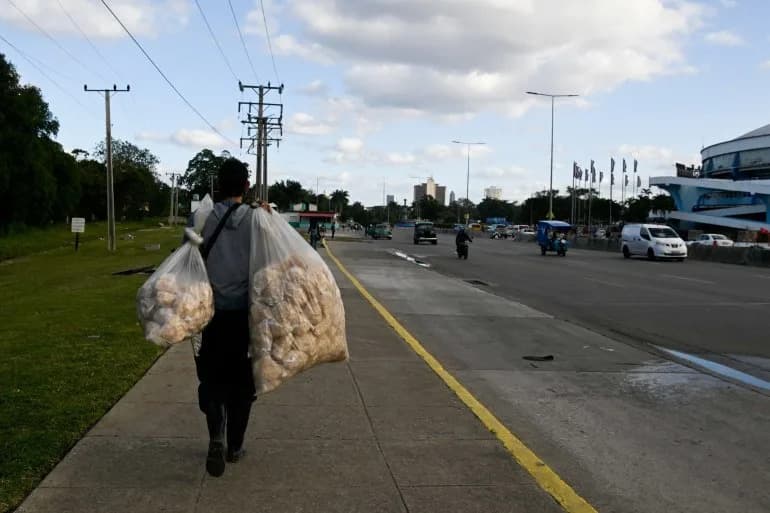
A man rides on the Cacique Guaicaipuro highway on January 7 in Caracas, Venezuela. - Carlos Becerra/Getty Images
Voices From the Street
"They asked me if I was a 'guarimbero' and then searched my car and phone. They typed 'Maduro' into the search and found only recipes — 'maduro' also means ripe — but it still felt invasive."
That is the account of a cook stopped by agents of the SEBIN intelligence service, who described an hour-long inspection in which officers scrolled through chats and photo galleries looking for political keywords. Another anonymous journalist recounted a near-hour search after a routine checkpoint stop that escalated when officers suggested he might have drugs; the incident ended only after an apparent payment request.
Legal Context
Venezuela's constitution expressly guarantees "the secrecy and inviolability of private communications in all their forms," permitting interference only by order of a competent court and under legal procedures. The emergency decree, by contrast, does not clearly explain limits on authorities' powers or how constitutional protections will be upheld, leaving many civilians uncertain about their rights.
Impact: Fear, Coded Language and Self-Censorship
Interviewees say they now routinely delete political content, use euphemisms or code words, and quit WhatsApp groups. Some avoid going out alone or after dark. Testimonies also describe intimidation, extortion — including demands for cash at checkpoints — and occasional detention, with personal and intimate material sometimes exposed during searches.
Advice From Rights Groups
The NGO Espacio Público and other organizations advise people who face inspections to request a court order authorizing any search, record officers' names and agencies, seek witnesses when possible, and keep phone data encrypted. Local officials have offered mixed responses: some public figures say such inspections are prohibited while authorities overseeing checkpoints have not provided a comprehensive public reply.
What This Means
For many Venezuelans, the combination of heightened checkpoints, phone searches and legal ambiguity has turned routine travel and everyday messaging into exercises in risk management. Conversations are shortened, metadata is scrubbed, and family members abroad avoid political topics when contacting relatives at home. The result is widespread self-censorship and an increased sense of vulnerability in daily life.
Note: This article synthesizes multiple eyewitness accounts and reporting on intensified phone inspections and their social and legal implications.
Help us improve.