After Nicolás Maduro was removed on Jan. 3 and taken to New York, Venezuelans reacted with a mixture of relief, disbelief and caution. Public celebrations have largely become private expressions of guarded hope as authorities impose strict decrees, checkpoints and phone inspections. Business activity spiked — with some stocks rising near 20% — but experts warn economic recovery will take time amid uncertainty over foreign interests and entrenched insiders.
Maduro Ousted: Venezuelans Feel Relief — And Deep Wariness — As Country Faces Uncertain Transition

People walk along a street in Caracas on Jan. 4, 2026, a day after Venezuela's dictator Nicolás Maduro was captured in a U.S. strike.
After Nicolás Maduro and his wife were removed from power on Jan. 3 and taken to New York to face charges, Venezuelans responded with a complex mix of relief, disbelief and guarded concern. Decades of authoritarian rule, economic collapse and political repression have left many citizens cautiously optimistic about change while fearful of reprisals and instability.
Wary Celebration and Private Relief
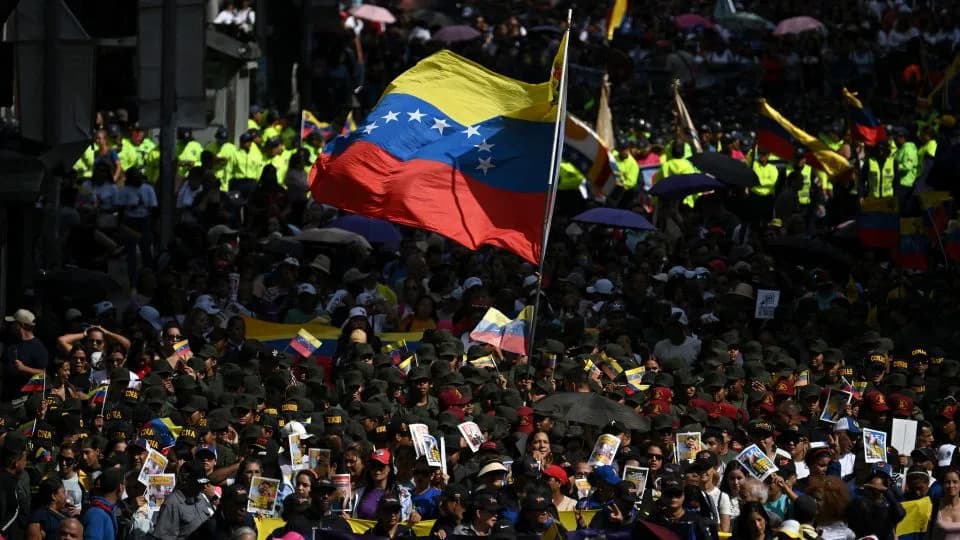
Public jubilation that erupted across Venezuela and among roughly 9 million people in the diaspora has largely given way to quieter, private expressions of hope. Many who endured years of hardship describe a sense of relief at seeing Maduro detained abroad but say they are not yet ready to celebrate openly.
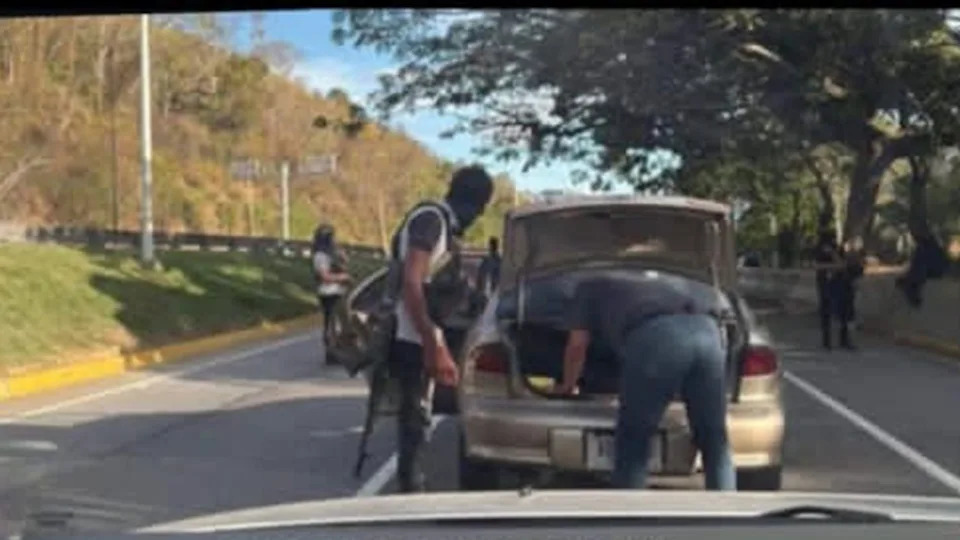
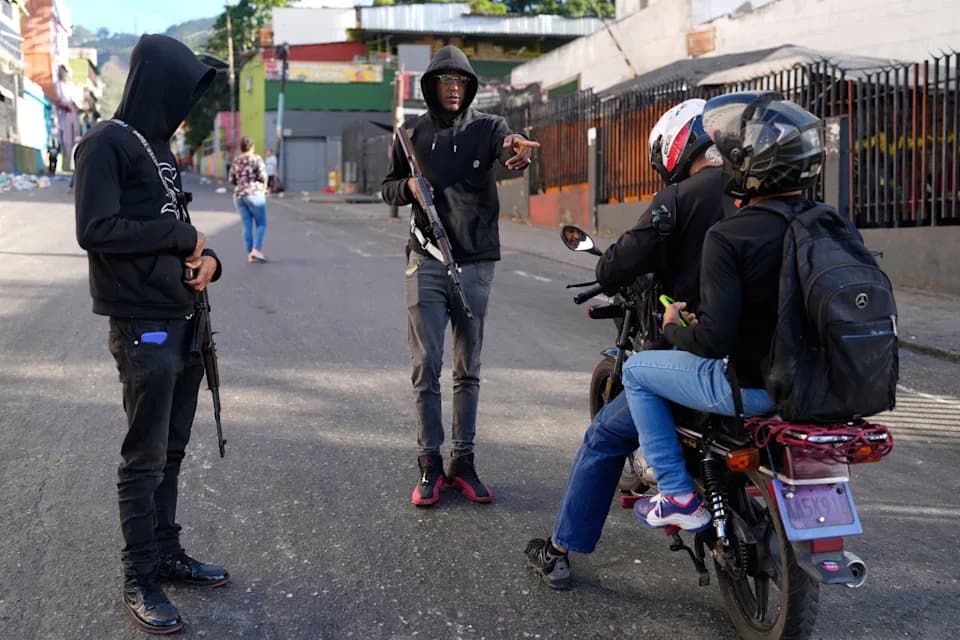
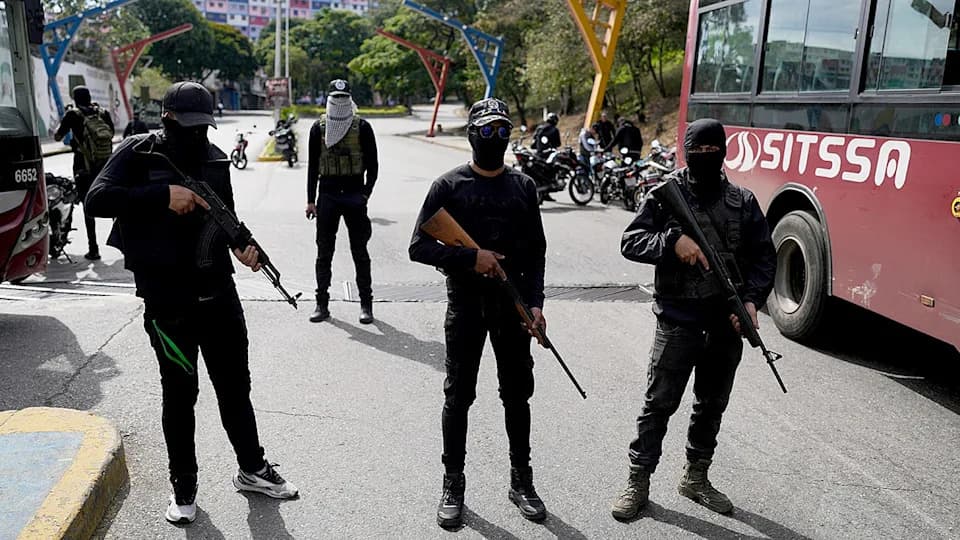
Armed men conduct a vehicle search at an improvised checkpoint on a Caracas roadway, part of a sprawling security clampdown following the operation that removed President Nicolás Maduro.
Vera, a university professor, told Fox News Digital: "The world cannot fathom the joy we feel. Maduro is in a federal prison in the U.S. with living conditions and rights that our political prisoners never had. For me, it is comforting to know he’ll spend the rest of his life behind bars paying for damaging the lives of millions of Venezuelans."
Security Measures and Restrictions
Authorities have issued a decree that criminalizes public celebrations of the operation that removed Maduro and allows law enforcement to stop citizens and inspect phones at checkpoints. Hundreds of checkpoints have appeared across Caracas, and people report being warned to delete messages or images that indicate support for the operation. Sources for this story said that, in early days after the operation, some pro-government armed groups known as colectivos were seen in neighborhoods, raising concerns about potential violent reprisals.
Those detained under the decree may face immediate arrest and restrictions on due process, reinforcing fears about civil liberties and the rule of law even as the political landscape shifts.
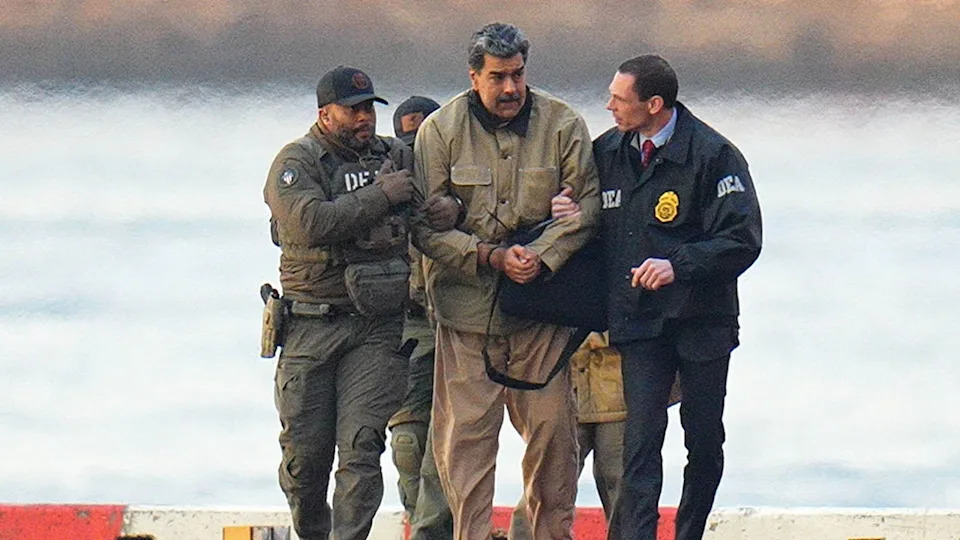
Nicolás Maduro is seen in handcuffs after landing at a Manhattan helipad, escorted by heavily armed Federal agents as they make their way into an armored car en route to a Federal courthouse in Manhattan on January 5, 2026, in New York City.
Voices on the Ground
Young Venezuelans express a mix of hope and anxiety. Jesús, a 23-year-old student who asked for anonymity for safety reasons, described the past week as "stressful." He said he continues to travel across Caracas for work and school but is careful to avoid checkpoints and share updates with friends about where security forces are stationed.
"We cannot afford the luxury of staying home and waiting to see how things will unfold," he said. "I am relieved to see Maduro gone, but afraid that dismantling entrenched structures could lead to chaos that hurts ordinary people the most."
Hannah, a recent graduate, said she feels relief that Maduro is gone but emphasized that Venezuelans should determine their country's future. A Caracas-based entrepreneur who spoke on condition of anonymity reported strong market activity after the removal, noting that some stocks rose as much as about 20% amid renewed investor optimism.
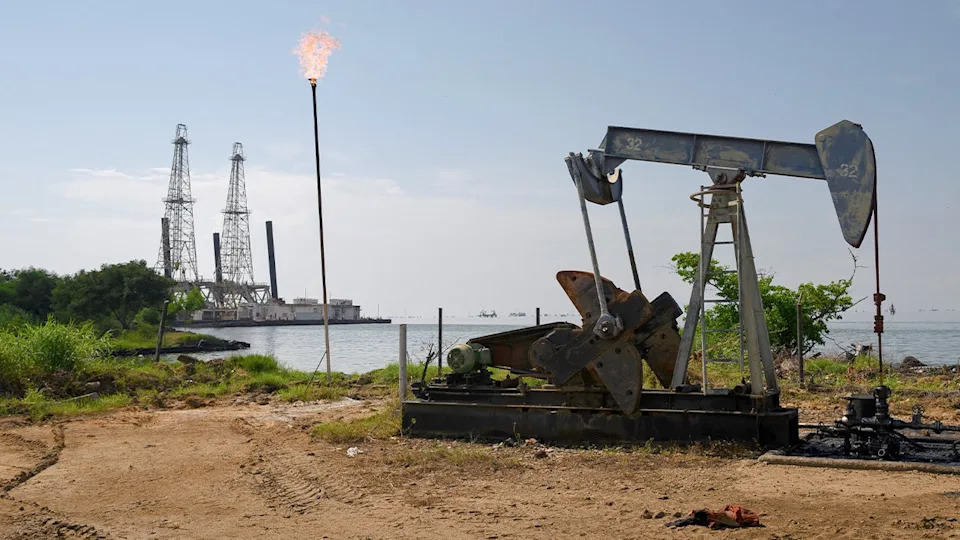
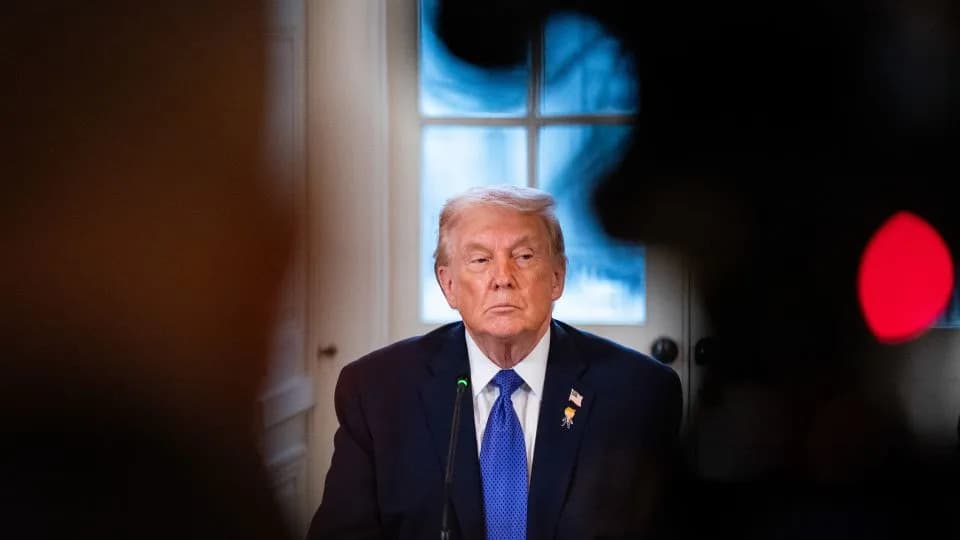
President Donald Trump is set to meet with a group of oil executives to discuss investment in Venezuela following the capture of Nicolás Maduro.
Economy and Outlook
Business leaders and investors expressed guarded hope that a more stable, market-friendly environment could emerge. Many expect economic recovery to be a medium- to long-term process, given damaged institutions, entrenched corruption and uncertainty over foreign involvement. Vera noted Venezuela's vast natural resources — heavy oil, gas, gold and coltan — and warned that international actors will have economic interests in how the country is rebuilt.
"The U.S. actions are not free," she said. "We still need to see what the actual costs will be. Reviving Venezuela's economy will take time, but tangible political change can help unlock investment and opportunity."
What Comes Next
With key figures from the former regime still in place in some local institutions and the military's loyalties uncertain, many Venezuelans are bracing for a volatile transition period. Questions about sovereignty, accountability for abuses, property rights and the possibility of renewed repression remain central concerns for citizens across social and economic lines.
For now, the mood across Venezuela is one of cautious hope: relief that a long-standing leader has been removed, paired with anxiety about how power will be restructured and who will bear the costs of political and economic change.
Help us improve.