The Inter‑American Commission on Human Rights reports that Venezuela continues a pattern of politically motivated arbitrary detentions and serious due‑process violations, and says information points to the operation of "clandestine detention centers." The IACHR highlighted deplorable prison conditions and reported torture, while urging immediate, unrestricted releases and independent investigations. Estimates of political detainees vary — the U.S. cites roughly 1,000, while Foro Penal reports 777 — and the commission stressed that limited access to Venezuela hampers direct verification.
Inter‑American Rights Body: Clandestine Detention Centers Still Operate in Venezuela
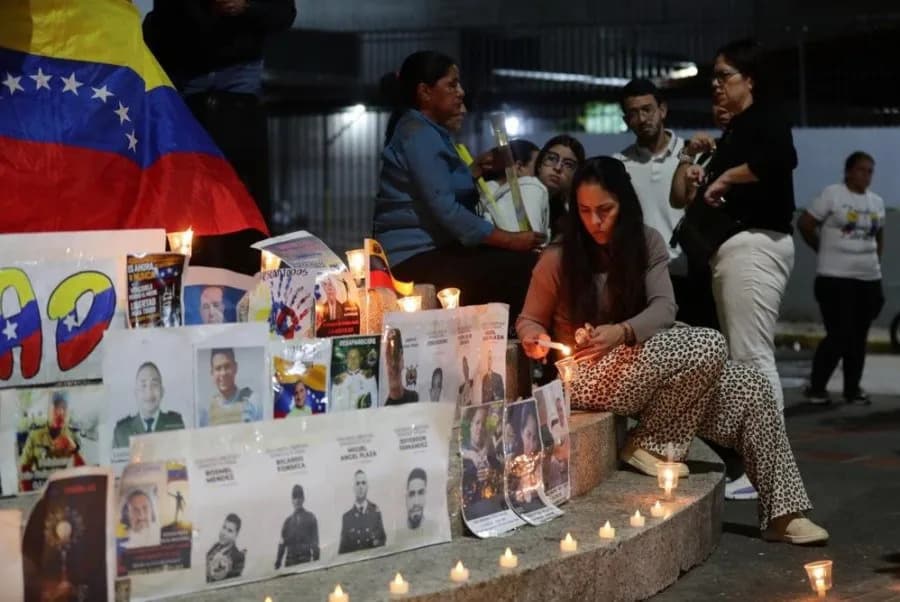
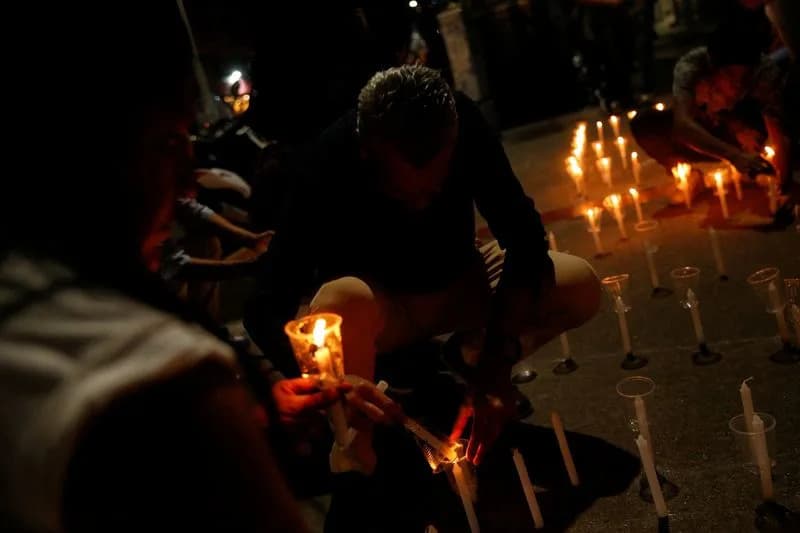
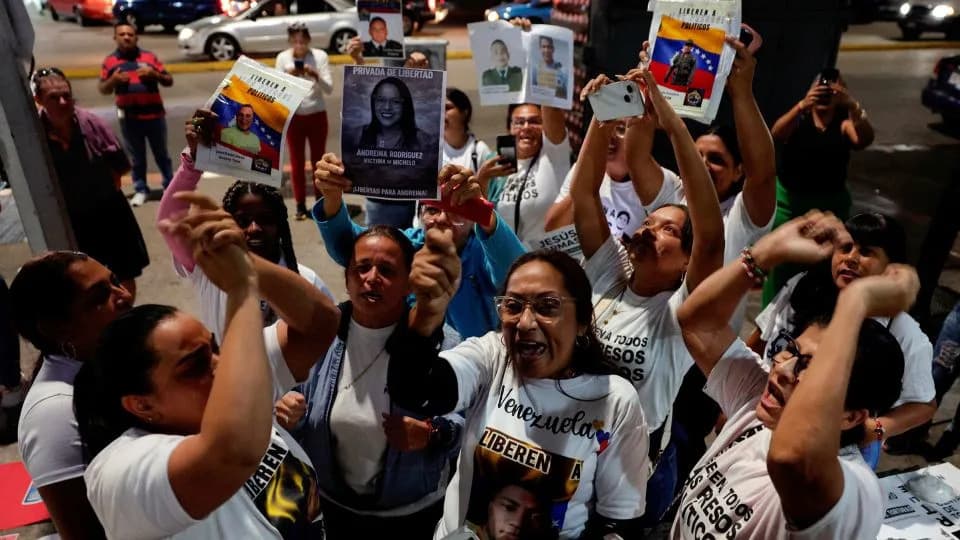
A woman lights a candle during a vigil outside the Helicoide in Caracas, Venezuela, on Saturday. Relatives gathered in hope of the release of their family members after announcements made by the head of the Venezuelan Parliament, Jorge Rodriguez. Photo by Ronald Pena/EPA
The Inter‑American Commission on Human Rights (IACHR) has warned that Venezuela maintains a systematic pattern of politically motivated arbitrary detentions, serious due‑process violations, and abusive conditions for people deprived of liberty.
Commission Findings
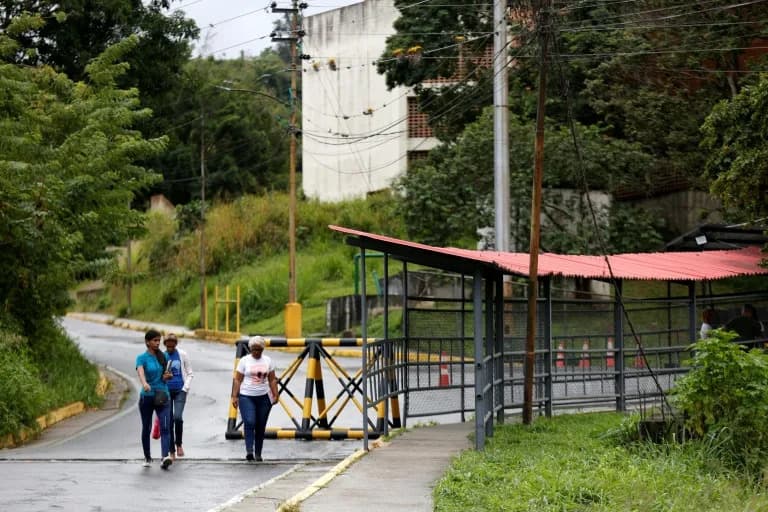
Gloria Monique de Mees, the IACHR's Special Rapporteur for Venezuela, told the Organization of American States (OAS) Permanent Council in Washington that the commission has information indicating that "clandestine detention centers" remain in operation across the country. She said the persistence of such facilities points to structural failings and an absence of effective institutional oversight.
The commission noted that its members have not been able to undertake an on‑the‑ground visit to Venezuela since 2002, which limits direct verification of conditions, but it said the volume and consistency of reports are deeply troubling.
Detentions and Numbers
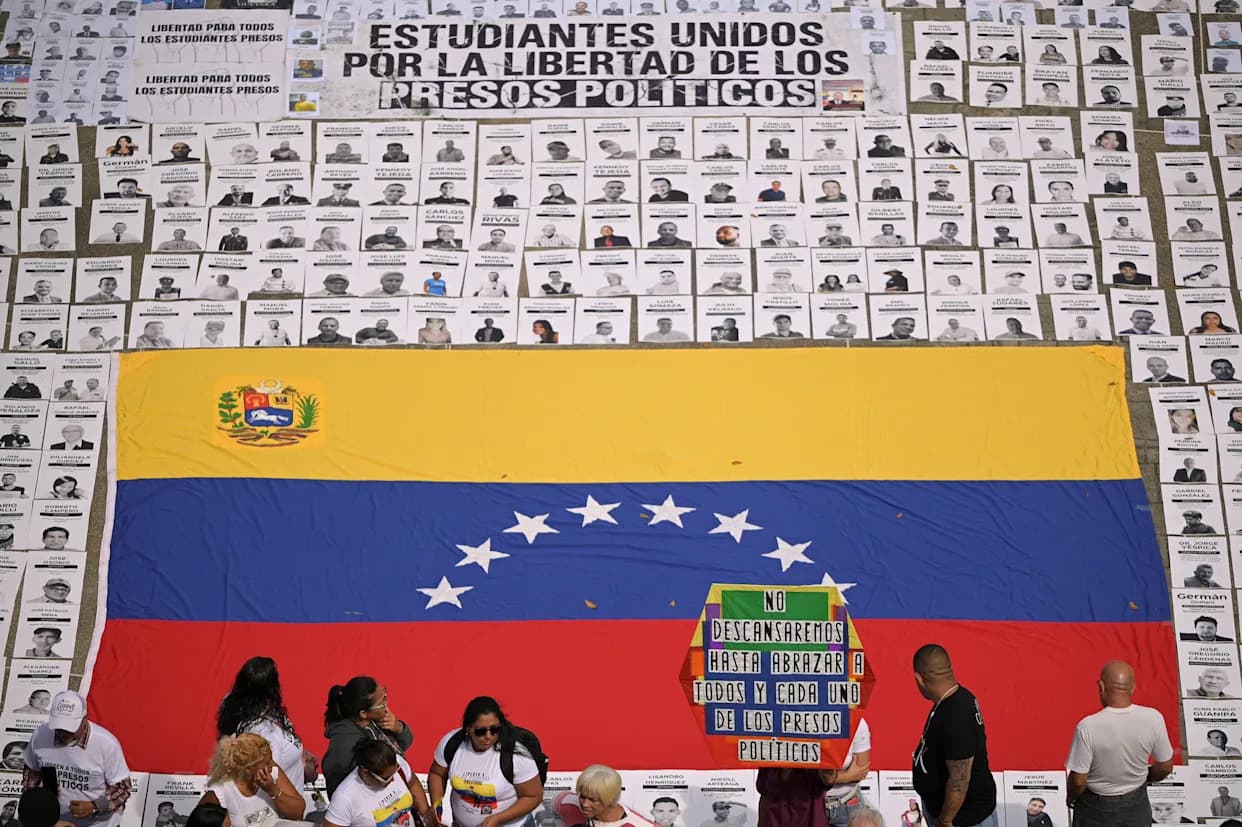
At the OAS session, the United States urged the unconditional release of what it estimates to be roughly 1,000 political prisoners. U.S. Ambassador Leandro Rizzuto said, "Approximately 1,000 people remain unjustly detained," and called for their unconditional release.
Venezuelan human rights group Foro Penal reported 777 people classified as political prisoners as of Monday, and said 143 had been released from incarceration but remain subject to criminal proceedings and severe restrictions that stop short of full freedom. Foro Penal also records more than 18,700 political detentions since 2014.
Allegations of Abuses
In a report presented to the OAS by Commissioner Stuardo Ralon, the IACHR warned that criminal law is being used as a tool of persecution and social control. Reported practices include abusive pretrial detention, indefinite postponement of hearings, frequent changes of prosecutors, and lack of access to effective legal defense.
The commission described detention conditions as deplorable in many cases: isolation, incommunicado detention, inadequate or absent medical care, limited access to drinking water and nutritious food, prolonged restrictions on family visits, and reports of torture and other cruel, inhuman, or degrading treatment — often without effective state investigations.
Human Impact and Calls To Action
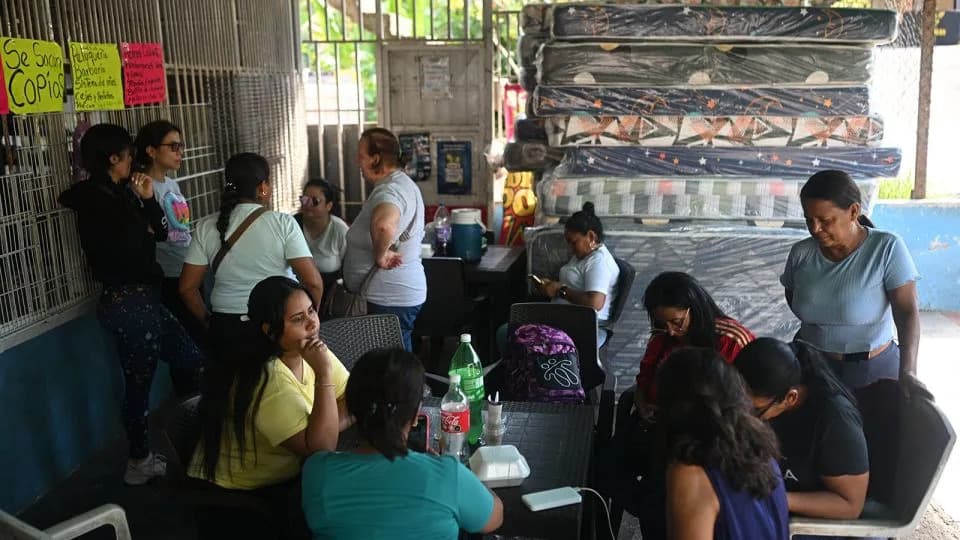
The IACHR emphasized the profound human cost of these practices on detainees and their families, including children, and on survivors who suffer lasting physical and psychological harm. The commission reiterated demands for the immediate and unrestricted release of those detained for political reasons, an end to the use of the criminal justice system as an instrument of repression, guarantees of an independent judiciary, and prompt, impartial investigations into allegations of torture and ill‑treatment.
Human rights groups and families of detainees have welcomed international pressure but continue to criticize the release process as slow and lacking in transparency. The IACHR urged Venezuelan authorities and the international community to take urgent steps to protect detainees' rights and ensure accountability.
Help us improve.