Since Nicolás Maduro’s removal, previously hidden Venezuelan critics — from opposition politicians to freed prisoners and families of detainees — have begun to test the limits of free speech. Acting President Delcy Rodríguez has proposed a broad amnesty and the closure of the Helicoide prison, while private broadcasters cautiously return critical voices. Rights experts caution that these measures are insufficient without independent courts, restored civil liberties and durable protections.
Venezuela’s Quiet Reawakening: Opponents Test Limits Of Free Speech After Maduro’s Removal
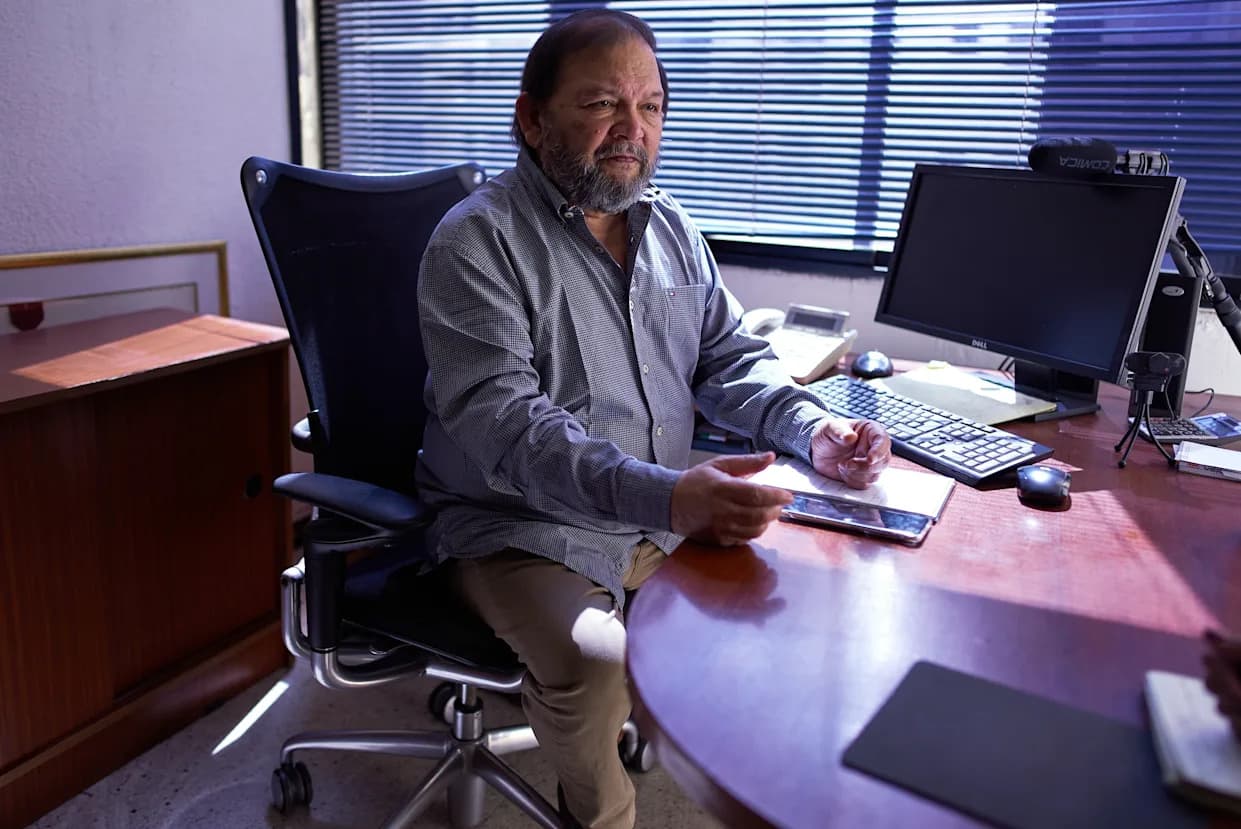
Opposition leader Andrés Velásquez sits at his office in Caracas, Venezuela, Saturday, Jan. 31, 2026. (AP Photo/Juan Pablo Arraez)
CARACAS — A cautious but notable opening in Venezuela’s political life has encouraged long-silent critics to re-emerge and test the boundaries of free speech after the removal of Nicolás Maduro from power and the political shifts that followed.
A New Public Moment
Andrés Velásquez, a former governor who campaigned for the opposition in the disputed 2024 presidential race, spent months in hiding — growing a beard, sending his children abroad and avoiding public events to reduce the risk of arrest. In January he resurfaced in videos calling for Maduro’s removal and new elections, and he filmed himself outside the notorious Helicoide prison demanding the release of political detainees.
“We must dismantle the entire repressive apparatus in the hands of the state,” Velásquez said. “Venezuela will be free!”
Limited Reforms, Lingering Risks
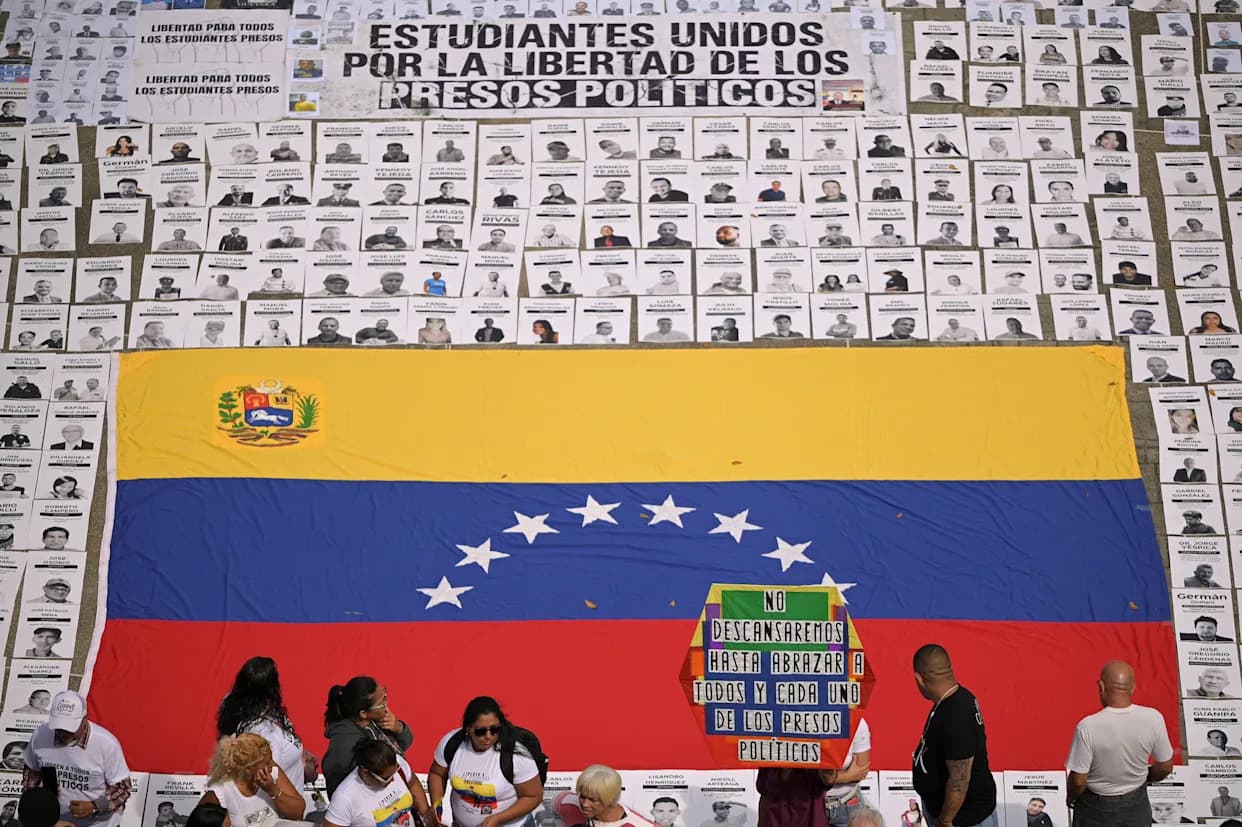
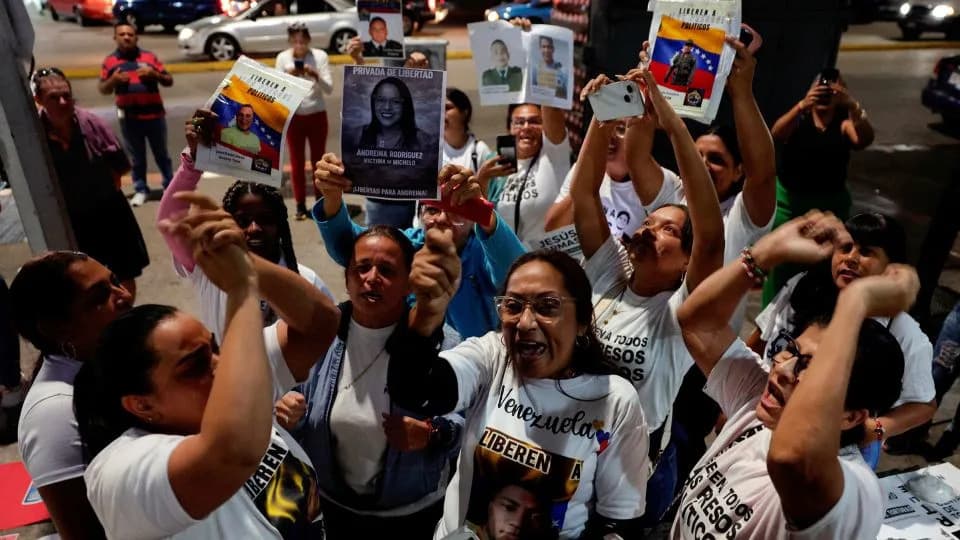
Since Maduro’s ouster, several prominent critics and ordinary Venezuelans — including families of jailed activists and newly freed detainees — have tested new freedoms. Acting President Delcy Rodríguez has proposed a broad amnesty and announced plans to close and repurpose the Helicoide as a community sports and cultural complex. Yet rights organizations warn these steps are not a substitute for independent courts, policing or durable legal protections.
Pedro Vaca, the Inter-American Commission on Human Rights’ lead expert on freedom of expression, described the openings as "breadcrumbs" rather than a true democratic reversal: civic space remains severely constrained and repression, while loosened in places, is still present.
Media And Public Debate Move Tentatively
Private broadcasters that narrowed their coverage during years of pressure have begun to air more critical voices. Venevisión has expanded its coverage of opposition leaders, and Globovisión has invited back commentators who had been sidelined. Still, access to platforms such as X remains incomplete, and some senior government allies continue to denounce critical coverage as destabilizing.
From Silence To Speech: Voices Of The Detained
Many released prisoners say they are refusing to remain silent. Journalist and activist Carlos Julio Rojas — held for 638 days under harsh conditions and accused without public evidence in an alleged assassination plot — was ordered not to speak after his release but said he broke that gag within days.
“For me, not speaking meant I still felt imprisoned. Not speaking was a form of torture,” Rojas said after deciding to speak publicly about his treatment.
What Comes Next?
Opposition leaders plan public events to build on the moment, but they caution that fear and the state’s retained repressive capacities remain major obstacles. International involvement — described by some as heavy-handed pressure and incentives from the U.S. government — complicates the picture and raises questions about the timing and sincerity of any long-term democratic transition.
The situation remains fragile: modest gains in public space and media diversity coexist with deep structural weaknesses in the judiciary, persistent political intimidation, and unresolved questions about the path to credible elections and rule of law.
Reported by The Associated Press. Coverage produced in collaboration with FRONTLINE (PBS).
Help us improve.