Since Nicolás Maduro’s seizure by US forces on January 3, AI-generated images and videos have proliferated, displacing authentic coverage and mixing fact with fiction. Examples range from animated courtroom sketches to elaborate fake escape scenes, and state outlets have also aired synthetic clips. Experts warn that rapid AI content creation enables "disinformation labs" that overwhelm platforms, amplifying propaganda and posing a serious threat to democratic discourse.
AI Is Rewriting the Story of Maduro’s U.S. Capture — Disinformation Labs Flood Social Media
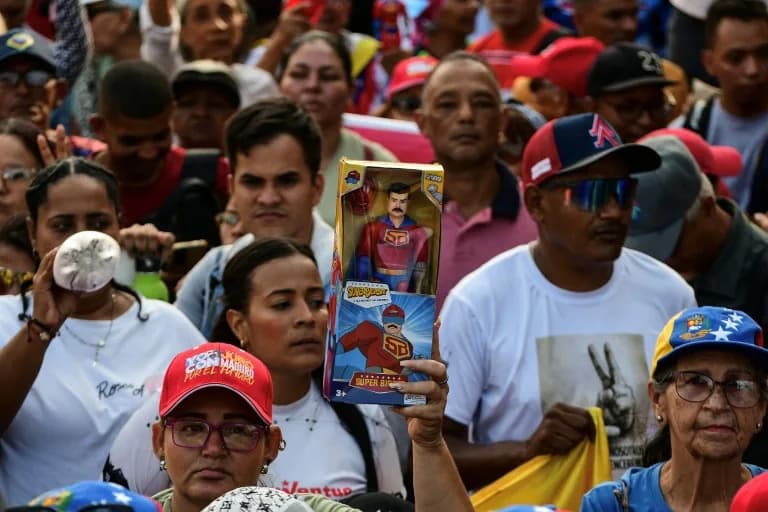
Long before his arrest, Venezuelan president Nicolas Maduro was depicted as the illustrated superhero 'Super Bigote' or 'Super Mustache,' which spawned a toy line often carried by his supporters during rallies advocating for his return (Jacinto OLIVEROS)(Jacinto OLIVEROS/AFP/AFP)
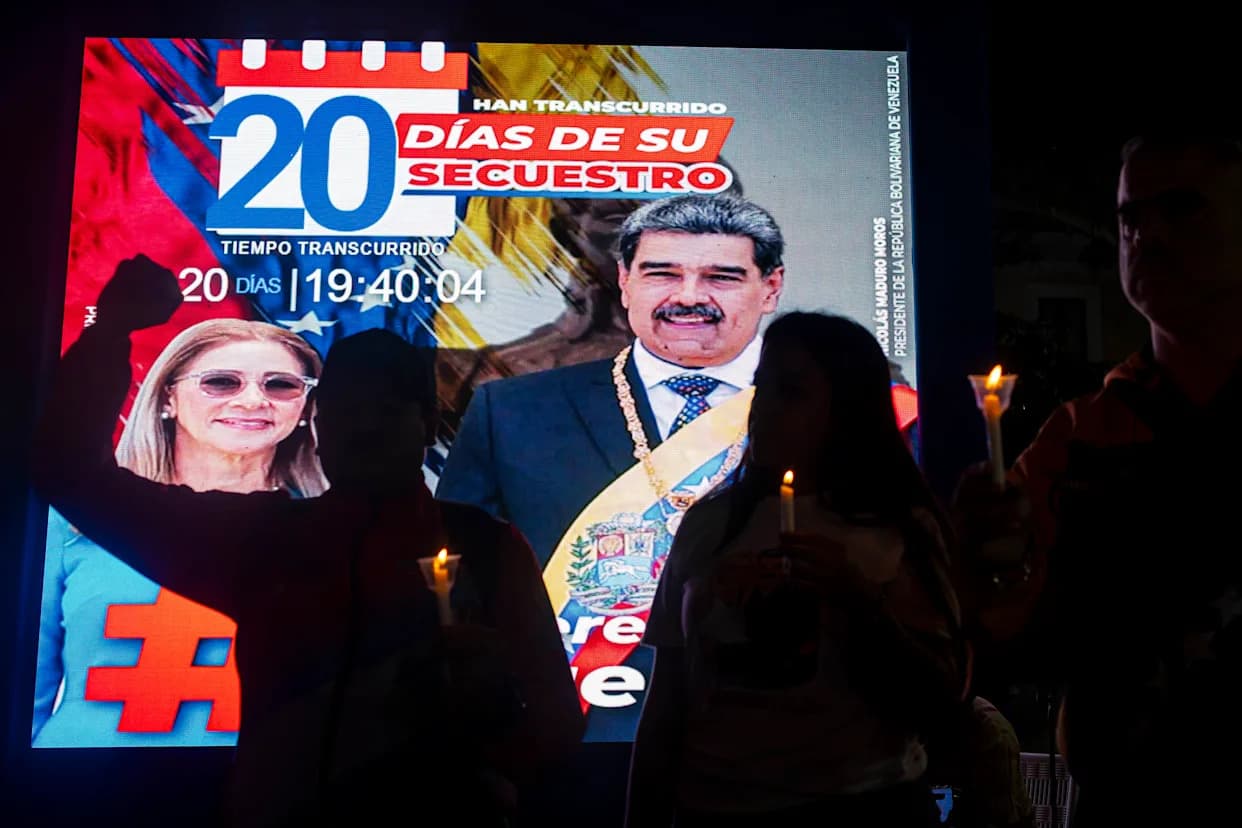
Since Venezuelan leader Nicolás Maduro and his wife, Cilia Flores, were seized by US forces during strikes in Caracas on January 3, authentic photos and videos of the operation have been increasingly displaced by material generated with artificial intelligence. The surge of synthetic media — from satirical memes to elaborate fabricated scenes — has blurred the line between fact and fiction and complicated efforts to establish a clear narrative of events.
From Memes to Manufactured Drama
The AI output ranges from lighthearted and absurd to highly produced dramatizations. One widely shared clip animates a courtroom sketch of Maduro in a New York courthouse so the drawing stands and proclaims, "I consider myself a prisoner of war." Another AI-created sequence depicts a likeness of Maduro trying to escape a US prison through an air duct, only to tumble into a courtroom where he dances with former US President Donald Trump, a judge and an FBI agent to a song by rapper Ice Spice. These pieces are visually striking but not factual.
Real Arrest, Mixed Signals
Maduro and Flores remain detained in a New York facility and face drug-trafficking charges brought by US authorities. While some observers and opponents celebrated Maduro's ouster, the political movement he leads — Chavismo, named after Hugo Chávez — has worked to reframe the meaning of his removal and shape public perceptions in Venezuela and abroad.
'Confuse, Combat, And Silence'
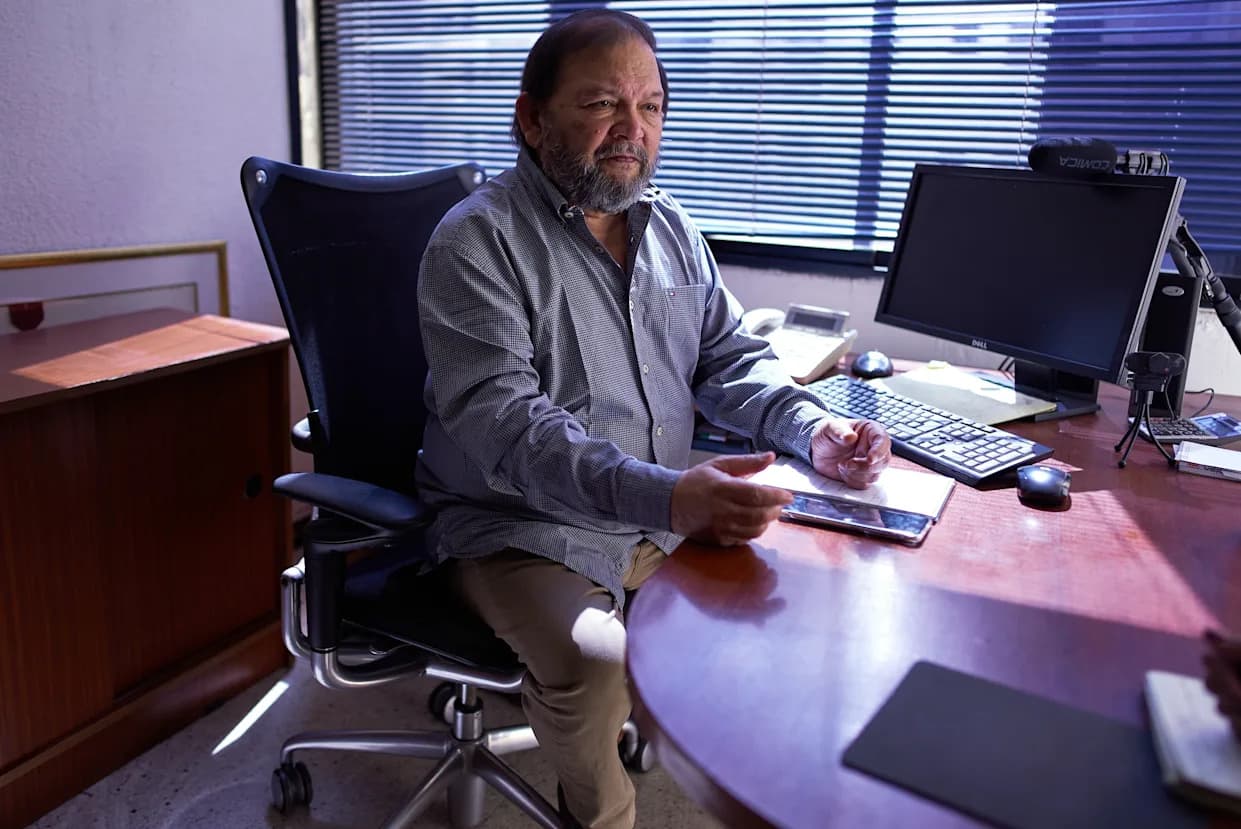
Leon Hernandez, a researcher at Andrés Bello Catholic University, told AFP that the speed and volume of AI-created material have enabled the emergence of so-called "disinformation labs" that inundate social platforms with competing and often contradictory narratives.
"There were things that circulated that were not real during the capture (of Maduro), and things that circulated which were real that generated doubt," Hernandez said. "That was the idea: to create confusion and generate skepticism at the base level by distorting certain elements of real things."
Hernandez warned the objective is to overwhelm audiences so they cannot follow, verify, or trust factual reporting.
Even traditional outlets have participated: Venezuela’s state broadcaster VTV aired an AI-animated clip narrated by a child that recounted Maduro’s capture, illustrating how both state and non-state actors can use synthetic media to influence public opinion.
Propaganda, Cartoons, and Media Domination
Elena Block, a professor of political communication and strategy at the University of Queensland, emphasized that cartoons and caricatures have long been tools of propaganda in autocracies and democracies alike. Maduro was previously depicted as a comic-book hero — "Super Bigote" ("Super Mustache") — battling foes labeled "extremists" and the "North American empire." That imagery was later turned into toys and rally props carried by his supporters.
Block also noted that restrictive media environments and state control over traditional outlets have pushed many Venezuelans to rely on social platforms as primary information sources — spaces now saturated by AI-generated content.
Broader Risks to Democratic Discourse
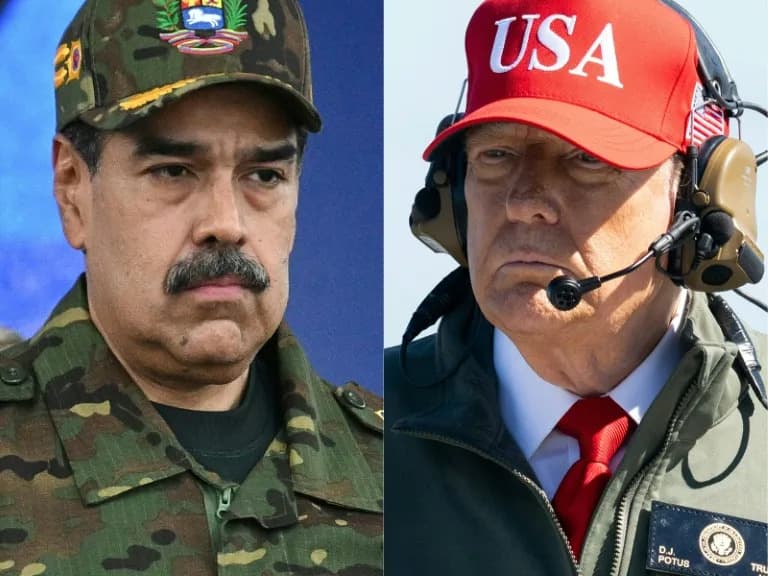
Block further warned that AI-powered digital tools can trivialize and polarize politics rather than clarifying it. She pointed out that other political figures, including former US President Donald Trump, have also circulated AI-altered images and videos to bolster partisan messaging. Taken together, experts say, synthetic media pose a serious challenge to verification, public trust, and healthy democratic debate.
What to watch: independent verification of visual content, transparency from platforms on synthetic media, and continued reporting by trusted outlets to separate confirmed facts from fabricated narratives.
Reporting credits: AFP. Analysis and synthesis by the editor.
Help us improve.