Texas Governor Greg Abbott has ordered a pause on new H‑1B visa petitions filed by state agencies and public universities through May 31, 2027. The order requires institutions to report detailed data on petitions, current sponsored visa holders and recruitment efforts. Supporters of the pause say it will allow lawmakers to set guardrails; critics warn it could deepen staffing shortages at universities, hospitals and research centers. Exceptions are possible if approved by the Texas Workforce Commission.
Texas Governor Abbott Pauses New H‑1B Petitions at State Agencies and Public Universities Through May 2027
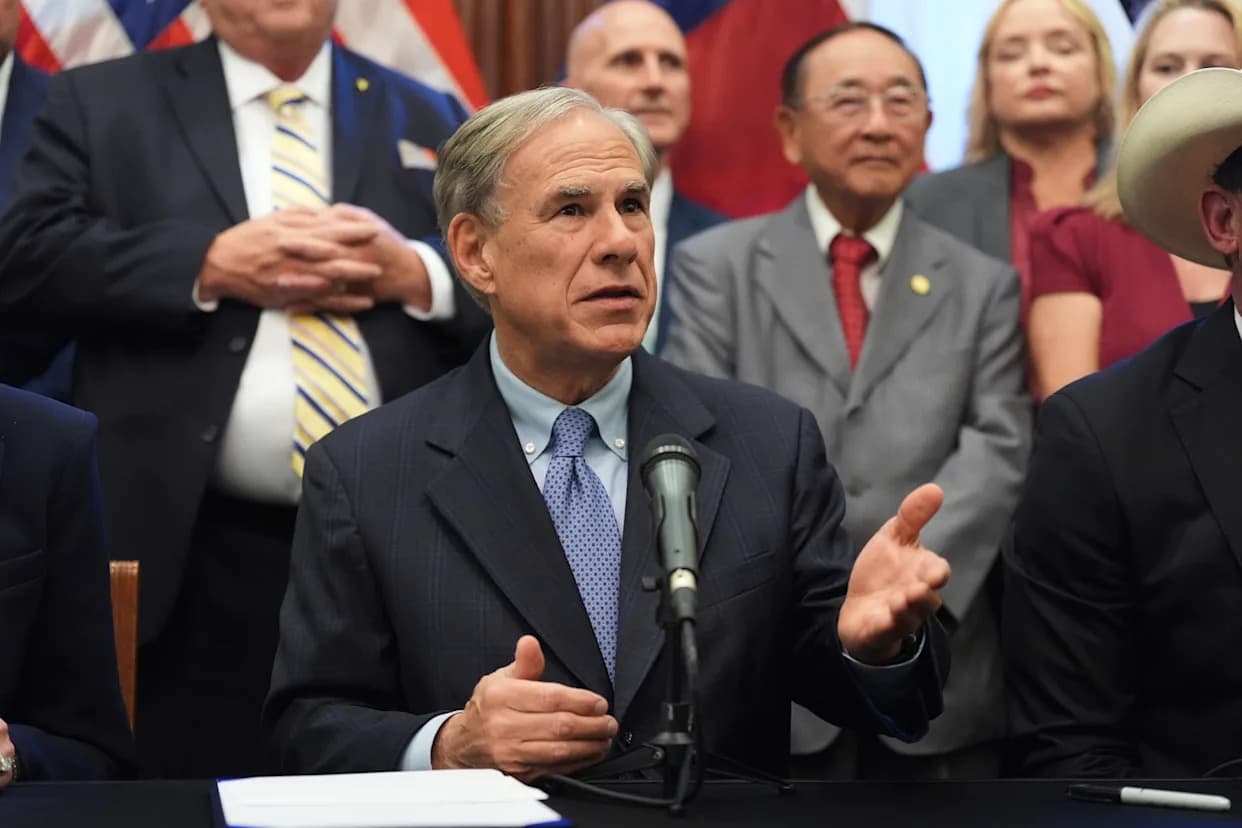
FILE - Texas Gov. Greg Abbott speaks to the media at the Texas Capitol in Austin, Texas, Aug. 22, 2025. (AP Photo/Eric Gay, File)
Texas Governor Greg Abbott has ordered state agencies and public universities to stop filing new H‑1B visa petitions until May 31, 2027, a freeze designed to give state lawmakers time to craft new rules and to allow federal changes to the program to take effect. The pause applies only to state government bodies and public higher‑education institutions; exceptions are possible if the Texas Workforce Commission grants permission.
What the Order Requires
Abbott directed agencies and universities to report detailed information about their H‑1B usage. The requested data include the number of new and renewed petitions filed last year, the number of sponsored visa holders, job titles, countries of origin, visa expiration dates and documentation showing that employers gave "qualified Texas candidates reasonable opportunity to apply" for positions held by H‑1B workers.
"State government must lead by example and ensure that employment opportunities — particularly those funded with taxpayer dollars — are filled by Texans first," Abbott wrote in his letter.
Responses And Concerns
Supporters of the H‑1B program say the suspension could exacerbate staffing shortages across Texas, making it harder for universities, hospitals and research centers to recruit specialized talent. Rep. Ramon Romero Jr., a Democrat and chair of the Texas Mexican American Legislative Caucus, warned that freezing H‑1B pathways "makes it harder to staff classrooms, research centers, and hospitals across our state, raising costs, straining public services, and hurting Texans in every corner of our state." He also described many H‑1B holders as "Texans in every way that matters."
Abbott and other Republican officials argue the program has been abused in some cases, with critics saying employers sometimes hire foreign workers at lower wages and displace qualified American applicants. Abbott said the pause will give the state time to establish statutory guardrails and to await potential federal reforms.
How H‑1B Is Used In Texas And Nationwide
Federal data reported by U.S. Citizenship and Immigration Services in September show the University of Texas Southwestern Medical Center in Dallas has the largest number of H‑1B visa holders among Texas public universities, with 228. Other Texas institutions reporting H‑1B holders include:
- Texas A&M University (College Station): 214
- University of Texas MD Anderson Cancer Center (Houston): 171
- University of Texas at Austin: 169
- Texas Tech University (Lubbock): 143
Employers across many sectors can sponsor H‑1B workers — from hospitals and universities to technology firms and entertainment groups — though at least 60% of H‑1B approvals since 2012 have been for computer‑related occupations, according to the Pew Research Center. Nationally last year, Amazon received the most H‑1B approvals with more than 10,000, followed by Tata Consultancy Services, Microsoft, Apple and Google. In Texas, Cognizant Technology Solutions Corporation had the largest number of H‑1Bs among employers, with 3,172.
Program Basics And Broader Context
The H‑1B program, created by the 1990 Immigration Act, allows U.S. employers to hire workers in specialty occupations where domestic talent may be limited. Visas are issued for three years and can be extended for another three. The regular annual cap on new H‑1B visas is 65,000, plus an additional 20,000 for individuals who hold a U.S. master’s degree or higher; some employers, such as qualifying universities and nonprofit research institutions, are exempt from the numerical limits.
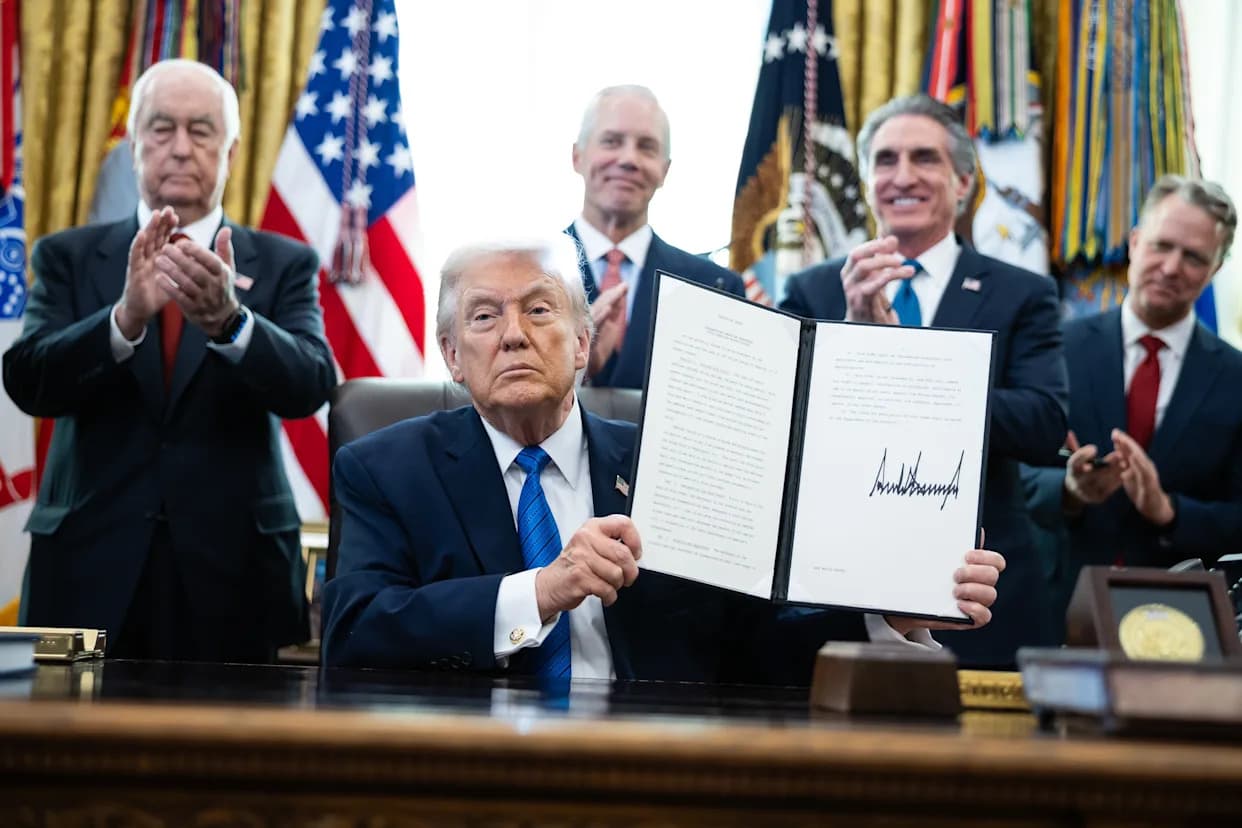
At the federal level, last year former President Donald Trump signed a proclamation that would impose a $100,000 annual H‑1B visa fee on highly skilled workers; that policy is being challenged in court. Other governors, including Florida’s Ron DeSantis, have also pushed for limits or pauses on H‑1B hiring at state institutions.
Potential Impacts
The immediate impact of Abbott’s order will be limited to state agencies and public universities, but critics say it could worsen workforce gaps in classrooms, hospitals and research centers. Supporters of the pause say it creates time to review whether state-funded positions are being filled first by qualified Texans and to pursue reforms that protect local workers.
Help us improve.