Texas Gov. Greg Abbott has ordered a freeze on new H-1B visa petitions and renewals by state agencies overseen by gubernatorial appointees and public universities while the state investigates reported abuses. Affected entities must file a detailed report with the Texas Workforce Commission by March 27. Critics warn the freeze could disrupt hiring of skilled researchers, clinicians and educators, and legal experts question a governor’s authority over a federal visa program. Texas Attorney General Ken Paxton is separately probing three businesses for alleged H-1B fraud.
Texas Orders Freeze on H-1B Petitions by State Agencies and Public Universities During Probe
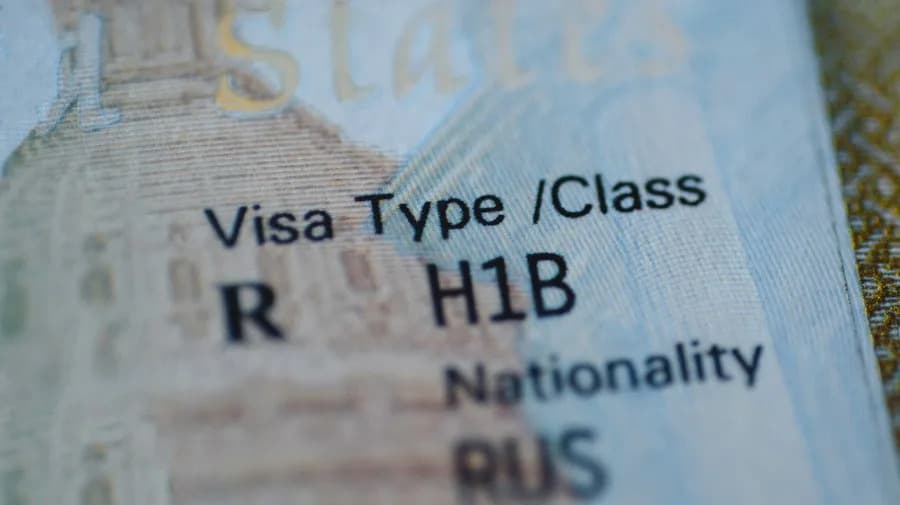
Texas freezes H-1B visas for state agencies, higher education amid investigation into federal program
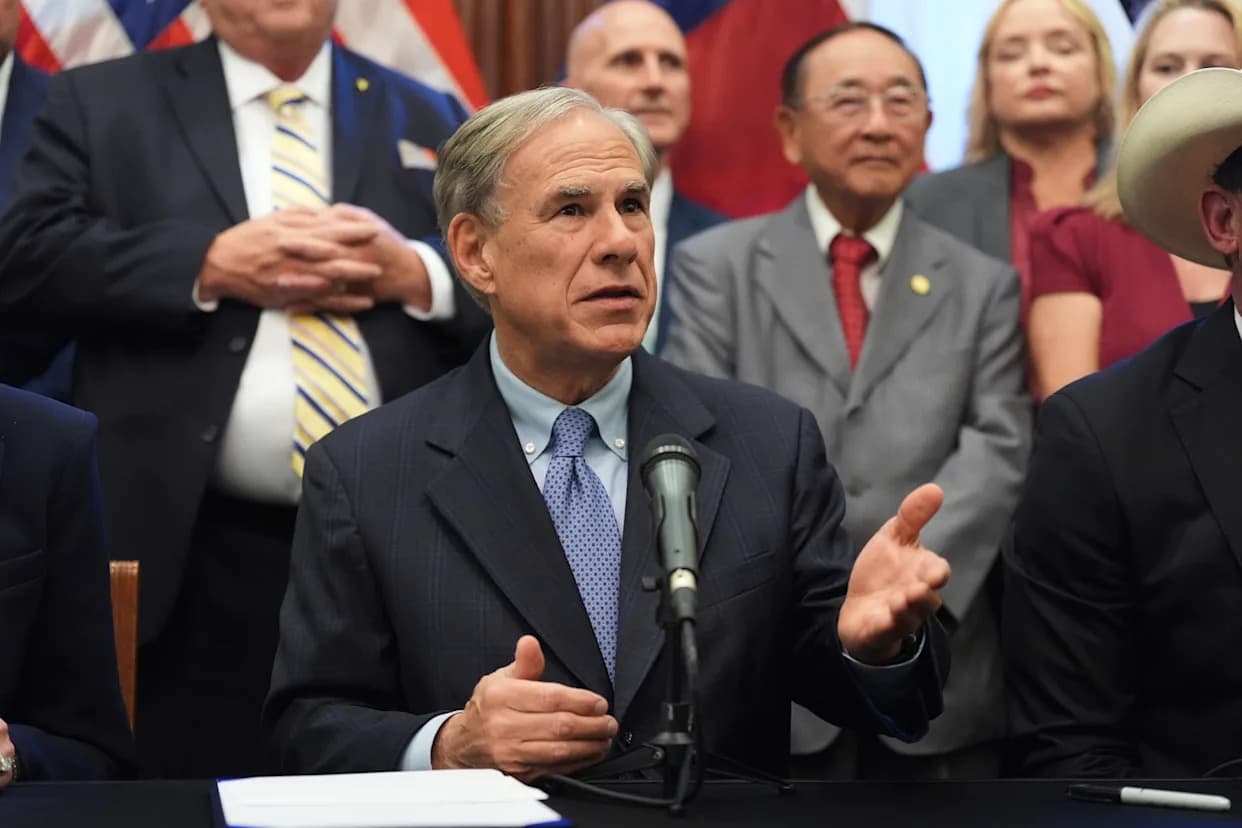
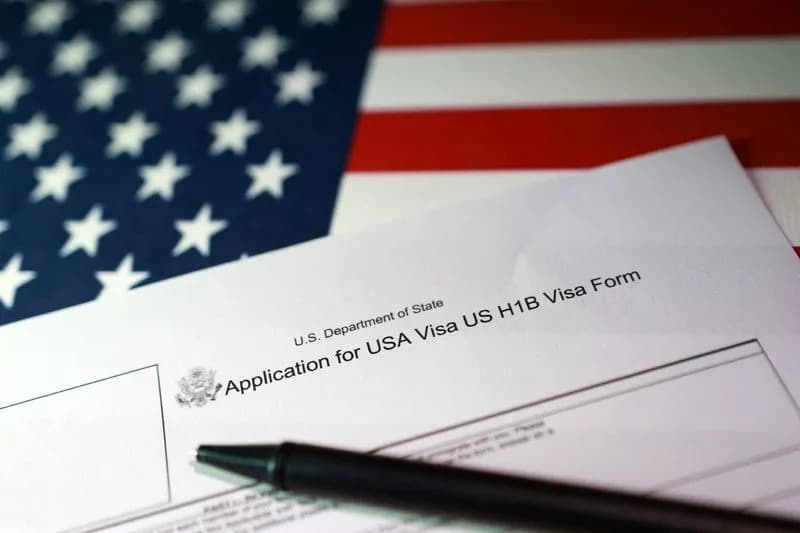
AUSTIN — Texas Gov. Greg Abbott has ordered state agencies led by gubernatorial appointees and public institutions of higher education to stop filing new H-1B visa petitions and renewals while the state investigates reported abuses of the federal program.
The governor’s directive, issued in a letter, requires affected entities to submit a detailed report to the Texas Workforce Commission by March 27. The report must list how many H-1B visa holders each agency or university currently sponsors, the number of applications and renewals filed, the visa holders’ countries of origin, job titles, visa expiration dates and documentation showing efforts to recruit Texas-based candidates for those positions first.
Scope and Duration
Abbott’s order instructs a freeze on new petitions and renewals through May 2027. State officials have also indicated the moratorium will remain in effect at least until the completion of Texas’ 90th legislative session, which is scheduled to gavel in January 2027.
The Texas Workforce Commission told Nexstar it does not maintain a central record of how many Texas employees are sponsored under H-1B status because the program is administered federally.
Officials' Statements
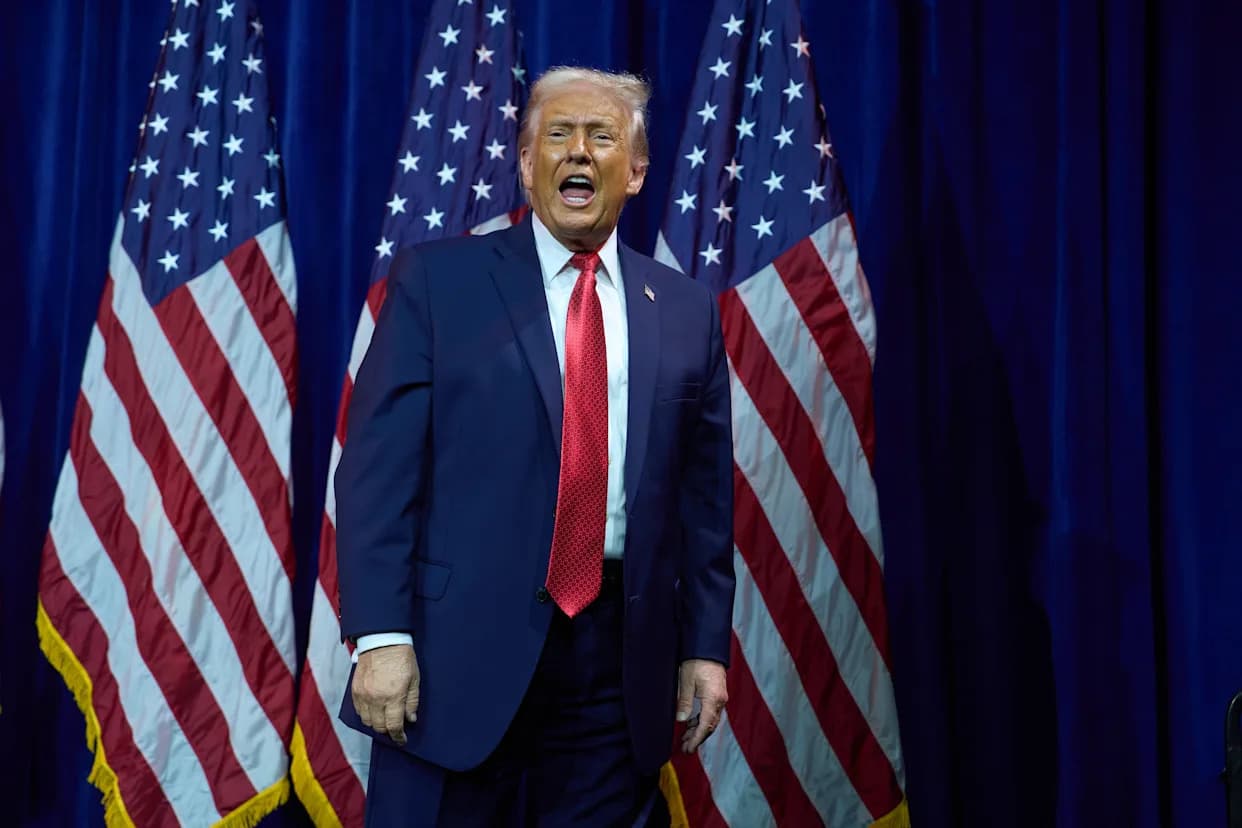
Gov. Abbott said in a news release that "state government must lead by example and ensure that employment opportunities — particularly those funded with taxpayer dollars — are filled by Texans first." Abbott previously flagged concerns about the H-1B program during an appearance on the Mark Davis Show, calling it "an extraordinary controversy" and saying the state must guard against situations "where people come in and take jobs that Texans can easily fill."
"State government must lead by example and ensure that employment opportunities — particularly those funded with taxpayer dollars — are filled by Texans first," Abbott said.
A spokesperson for the governor’s office did not point to a specific instance of fraud or misuse when asked by Nexstar, but cited media reporting that raised concerns about the federal program.
Reactions From Universities and Experts
University leaders and faculty groups have warned the freeze could hamper teaching, research and medical staffing. Immigration attorney Jason Finkelman argued that restricting H-1B access could backfire, noting public universities depend on highly skilled international researchers and professors to teach and train U.S. students.
"Because it’s important for them to be able to teach and train US workers with the best talent they need," Finkelman said.
The Texas chapter of the American Association of University Professors criticized the order, saying it will "hurt the student experience and diminish the value of teaching and research at Texas institutions of higher education," with particular concern for university medical centers.
Federal Context and Legal Questions
The H-1B program allows employers to hire foreign nationals for "specialty occupations" when required skills are not available in the domestic labor pool. The federal government caps H-1B visas at 85,000 per fiscal year, though certain entities, including many universities, are cap-exempt and may file petitions year-round. The U.S. Department of Labor requires employers to pay H-1B workers at least the prevailing wage or the wage paid to comparable employees, whichever is higher.
Finkelman also questioned what authority a state governor has to restrict the use of a federally administered visa program by public institutions, saying, "I’m not sure what, if anything, the governor can actually do as it pertains to limiting universities’ ability to utilize the H-1B visa program."
Investigations and Local Data
Separately, Texas Attorney General Ken Paxton announced his office is investigating three North Texas businesses accused of H-1B fraud, alleging these companies "engaged in fraudulent activity," including the use of alleged "ghost offices." Paxton said his office will pursue legal action against those who abuse the program.
Federal data show Texas A&M University was awarded 214 H-1B visas in fiscal year 2025. A Texas A&M System spokesperson said the system stopped applying for new H-1B petitions after a Trump administration policy change required employers to pay $100,000 per visa holder. The spokesman also said the system is complying with the governor’s directive while pledging to protect taxpayers and support Texas students and communities.
Political Context
Some Republicans in Washington have proposed legislation to eliminate the H-1B program amid concerns it displaces U.S. workers. Supporters of the program argue it fills critical gaps in the labor market and helps universities and hospitals recruit world-class talent.
Copyright 2026 Nexstar Media, Inc. All rights reserved. This material may not be published, broadcast, rewritten, or redistributed. For the latest news, weather, sports, and streaming video, visit the outlet's website.
Help us improve.