New documents link Renee Good to school-associated materials that encouraged families to monitor ICE activity and pointed to noncooperation training. Legal experts say the guides describe routine nonviolent civil-disobedience tactics — whistles, noise and crowding — not violent extremism. The federal focus on those materials has drawn criticism, and three Minneapolis federal prosecutors resigned amid reported pressure. School staff have reported threats since the shooting.
Documents Tie Renee Good To School-Linked ICE 'Watch' Guides; Experts Say Materials Describe Nonviolent Tactics
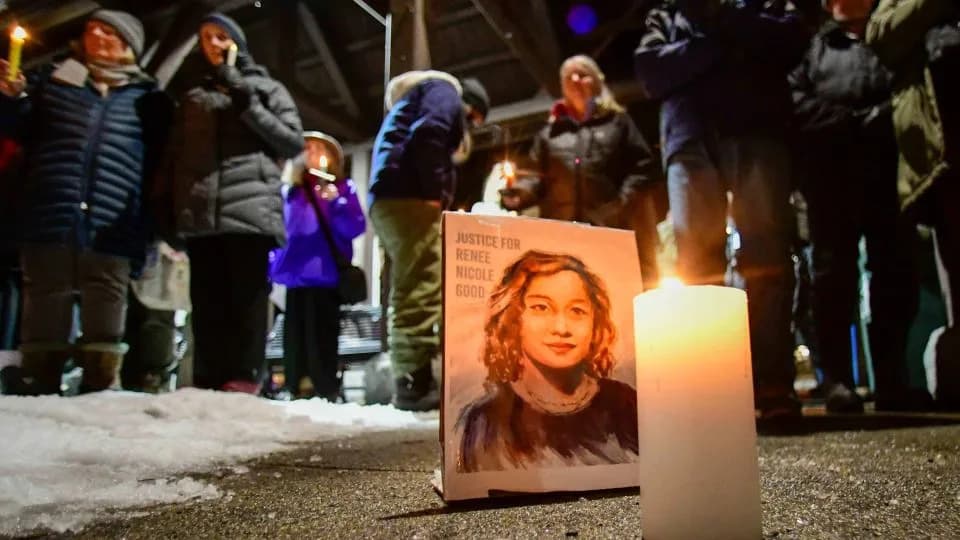
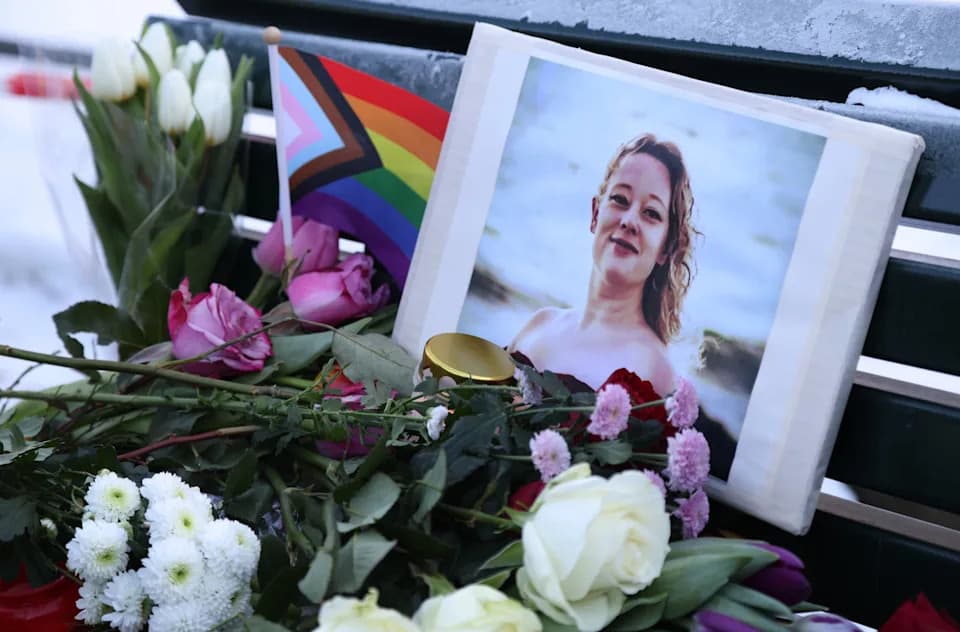
A candlelight vigil in Brattleboro, Vt. in honor of Renee Good. - Kristopher Radder/The Brattleboro Reformer/AP
Newly obtained documents connect Renee Good — the Minneapolis woman fatally shot by an ICE officer — to materials circulated from a parent message linked to Southside Family Charter School that urged families to monitor Immigration and Customs Enforcement activity and pointed to noncooperation training.
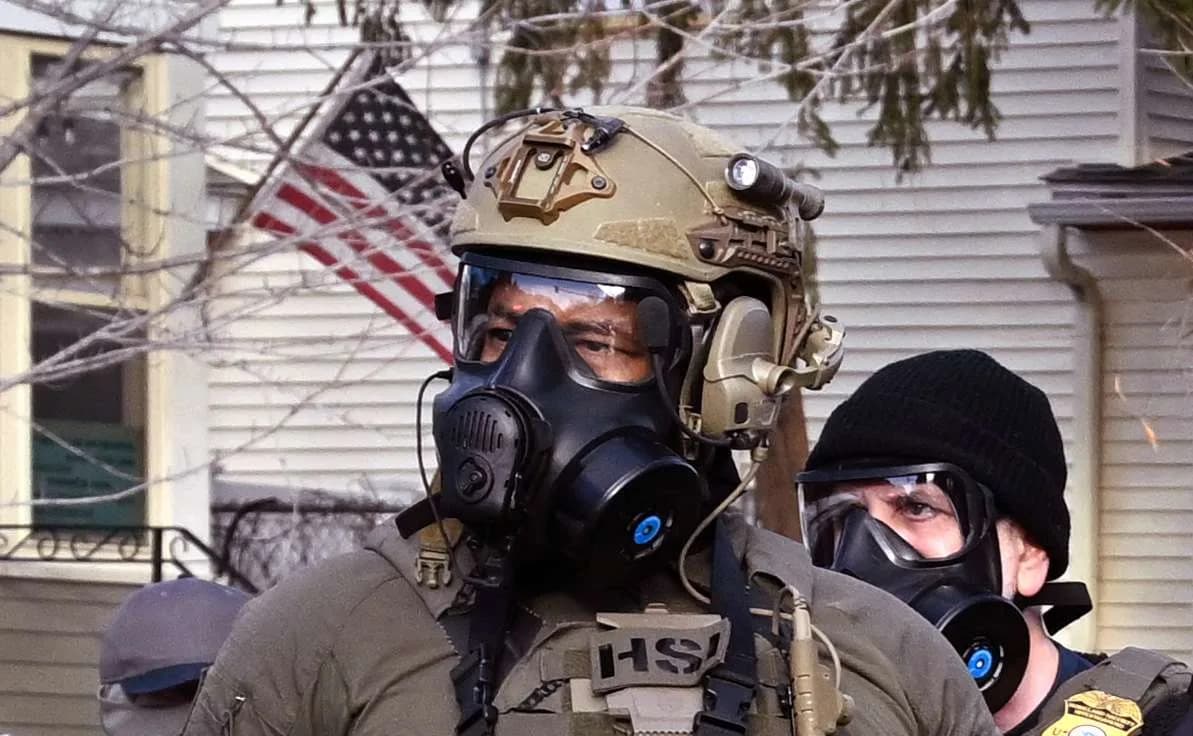
The records offer additional context for the federal review of the encounter in which Good partially blocked ICE agents in the street with her SUV. Federal officials have emphasized her connection to efforts to observe and impede ICE operations; some public figures described the activity in stark terms. Legal experts who reviewed the materials for CNN say the guides primarily outline longstanding nonviolent civil-disobedience tactics, not violent extremism.
What The Documents Show
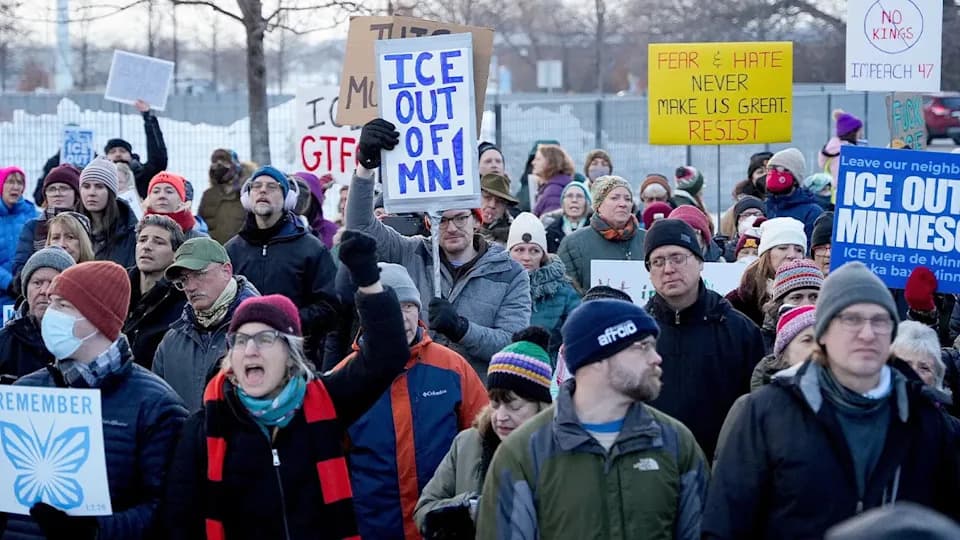
One document appears to be a parent message dated Dec. 16 that thanks "families who have been on ICE watch" and links to a separate training guide. The training includes practical suggestions — obtaining whistles to alert neighbors, contact information for a parent offering "noncooperation training," and tactics that encourage loud crowds, props and other nonviolent interference to make detentions more difficult. One line in the manual reads, "ICE are untrained bullies looking for easy targets. Neighbors showing up have saved lives."
The guides emphasize nonviolent responses while urging a refusal to "comply with demands, requests, and orders," and suggesting "creative tactics" such as noise and crowding. The materials do not explicitly recommend blocking ICE operations with a vehicle.
Experts' Assessment
“There’s nothing in there that suggests attacking ICE agents or engaging in any other form of physical harm or property damage,” said Timothy Zick, a professor at William & Mary Law School who studies protest law.
Four legal scholars who examined the documents told CNN that the tactics described are consistent with traditional nonviolent protest and civil disobedience practised in the U.S. for generations. Gregory Magarian, a First Amendment expert, said that while some noncooperation tactics could, depending on context, cross legal lines, the guides themselves do not appear to justify a federal terrorism-style investigation.
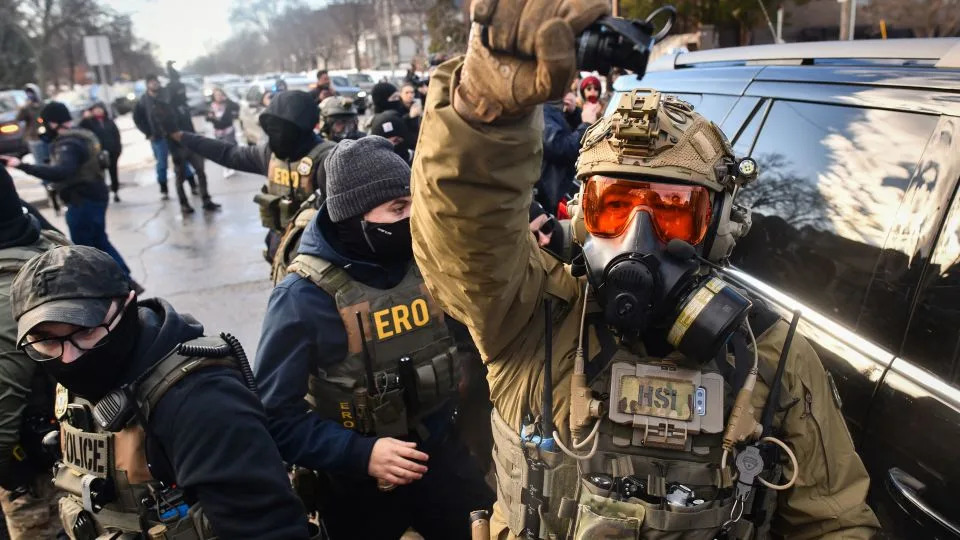
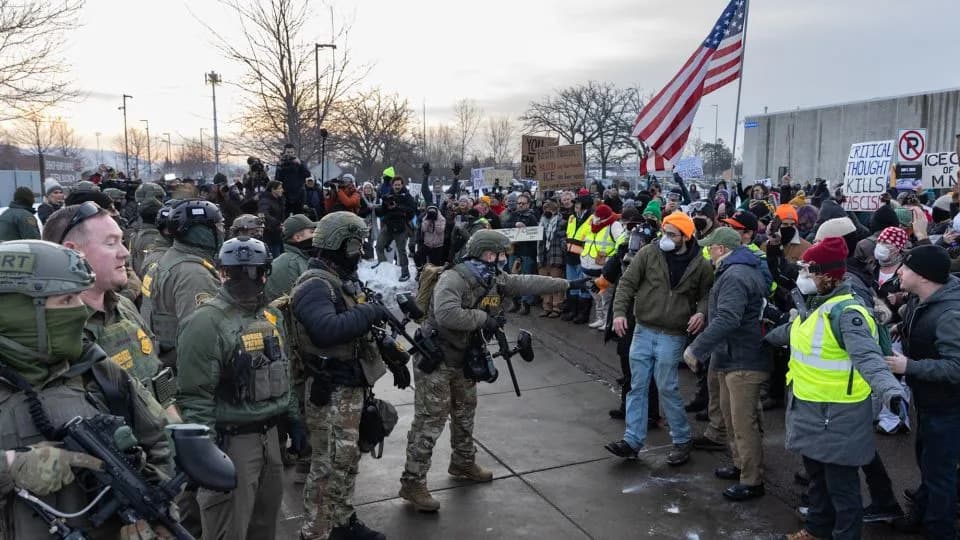
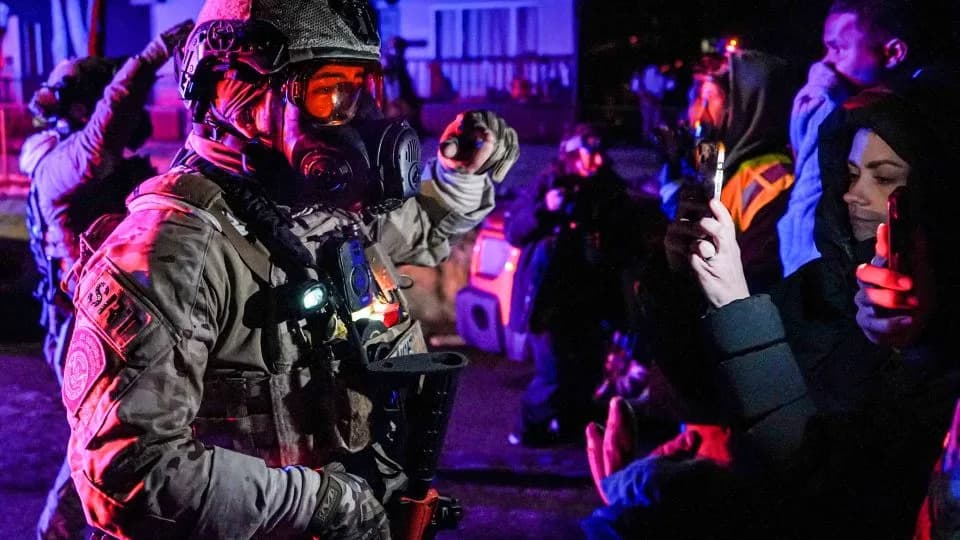
ICE and other federal agents respond to protestors in Minneapolis on Tuesday. - Octavio Jones/AFP/Getty Images
Federal Response And Resignations
Three top federal prosecutors in Minneapolis resigned amid reported pressure from federal officials to focus inquiries on Good and those around her, according to a person briefed on the matter. Federal authorities have publicly suggested — without presenting evidence in the materials reviewed by CNN — that Good was engaged in "domestic terrorism" and had been following agents throughout the day. Several state and local lawmakers have criticized that framing as inflammatory.
Good's Role At The School And Community Impact
Board records show Good attended the school board meeting where the Dec. 16 "School Report" was listed; she served as one of three parent members on the Southside Family Charter School board. Southside is a small elementary school with a long history of progressive, social-justice-focused programming. Records and meeting notes portray Good as an engaged parent and board member who regularly attended meetings and participated in school activities.
After the shooting, staff and teachers at the school reported their names and addresses posted on social media and have received threats. Former staffers described the Good family as actively involved and well-known at the school.
The Shooting And Aftermath
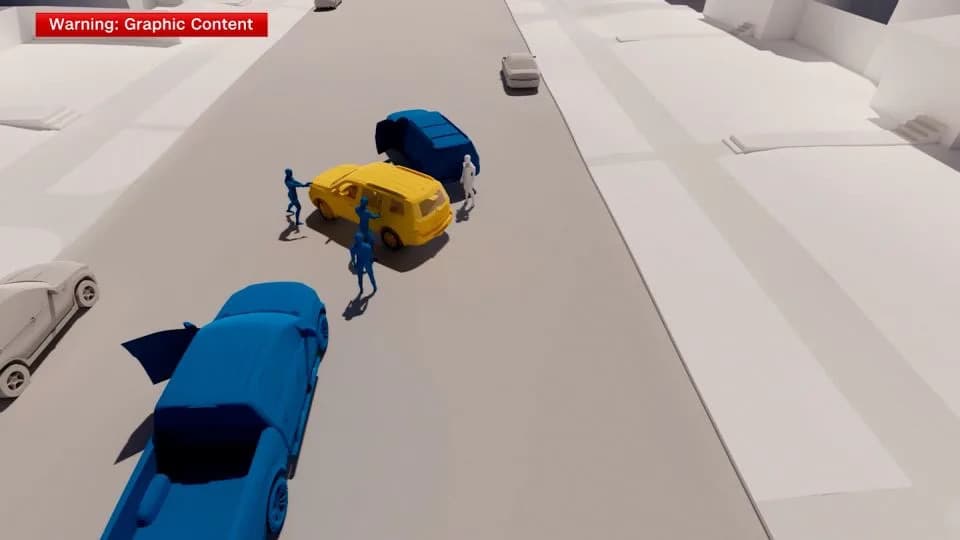
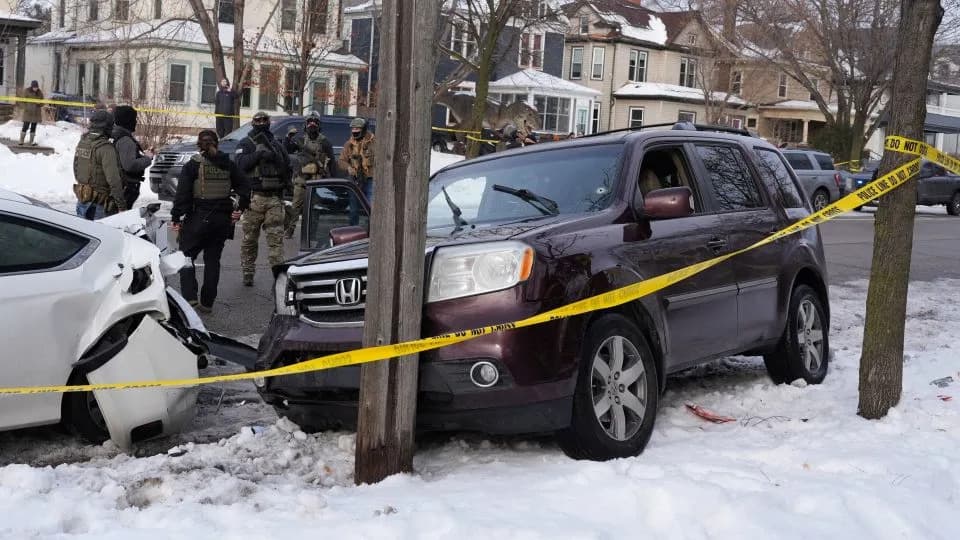
Video of the encounter shows an ICE officer filming Good and firing after she began to accelerate her SUV while partially blocking the street. Footage indicates Good was turning her vehicle away from the officer as she pulled forward; it is unclear whether she made contact with him before he shot. Good’s family said she and her wife had been dropping off their son at Southside earlier that morning and had stopped to support neighbors; as her wife put it, "We had whistles. They had guns."
Context And Legal Concerns
Legal advocates expressed concern that federal attention appears focused on low-level protest tactics rather than scrutinizing the use of deadly force. Critics say investigating activists risks shifting blame onto victims and community organizers instead of examining officers’ conduct. Others cautioned that whether specific tactics are unlawful can depend on the facts — location, timing, and whether conduct crossed into obstruction or violence.
The documents add nuance to public debate about the incident, but experts emphasize the difference between describing nonviolent protest techniques and labeling participants as violent extremists. The case has intensified scrutiny of federal enforcement priorities and the rhetoric used by public officials when characterizing protests and community resistance to ICE operations.
Help us improve.