Author argues that Minnesota political leaders rushed to judgment after the shooting death of Renee Nicole Good, creating a politicized environment that risks denying the ICE agent a fair investigation. He admits past errors in the public reaction to George Floyd’s death and urges federal investigative leadership to ensure independence from local actors who have prejudged the case. The piece calls for transparent fact-gathering, careful public communication, and protection of due process.
Opinion: Protect Due Process — Don’t Let Political Pressure Repeat The Chauvin Fallout In The ICE-Agent Investigation
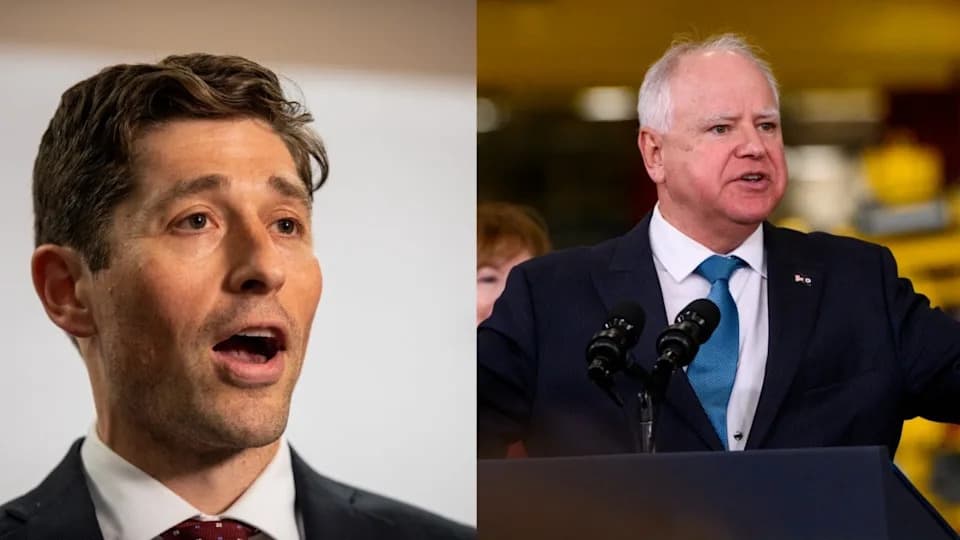
Split image of Minneapolis Mayor Jacob Frey and Minnesota Gov. Tim Walz. (Getty Images)
Former Minneapolis police officer Derek Chauvin is serving a lengthy prison sentence after the death of George Floyd, and that case — and the political maelstrom around it — remain a live issue in how Americans think about law enforcement, accountability and the courts. This week’s killing of Renee Nicole Good, after an ICE agent shot her during an encounter in Minneapolis, has reopened those tensions and raised urgent questions about whether the agent can receive a fair, impartial investigation and any subsequent adjudication.
Political Leaders' Early Statements
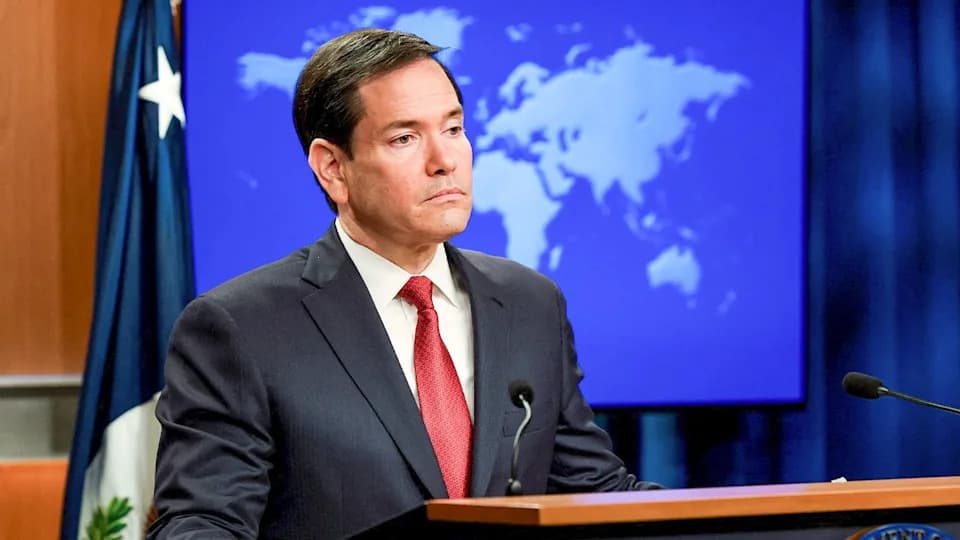
In the hours after the shooting, several Minnesota political leaders publicly condemned the agent’s actions. Minneapolis Mayor Jacob Frey called the incident a murder before a full review of the evidence; Governor Tim Walz and some City Council members also criticized federal immigration enforcement, framing the event as an intentional killing.
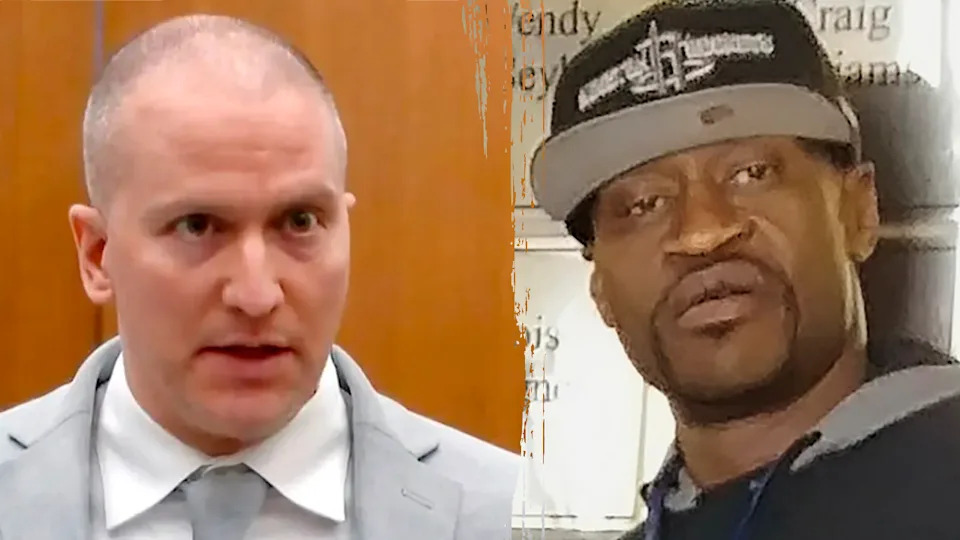
Former Minneapolis Police Officer Derek Chauvin (l.), is in prison after being conivcted of murder in the death of George Floyd, (r.)
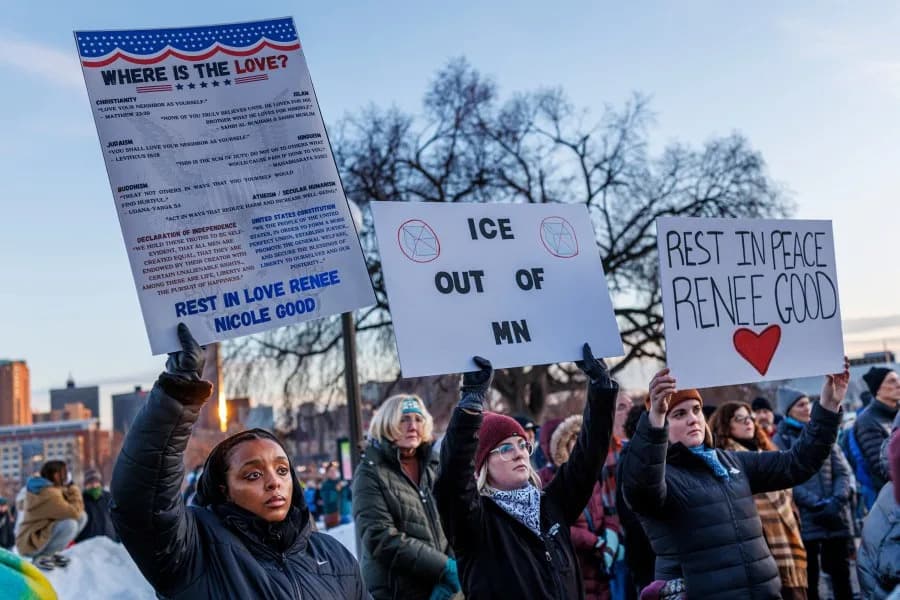
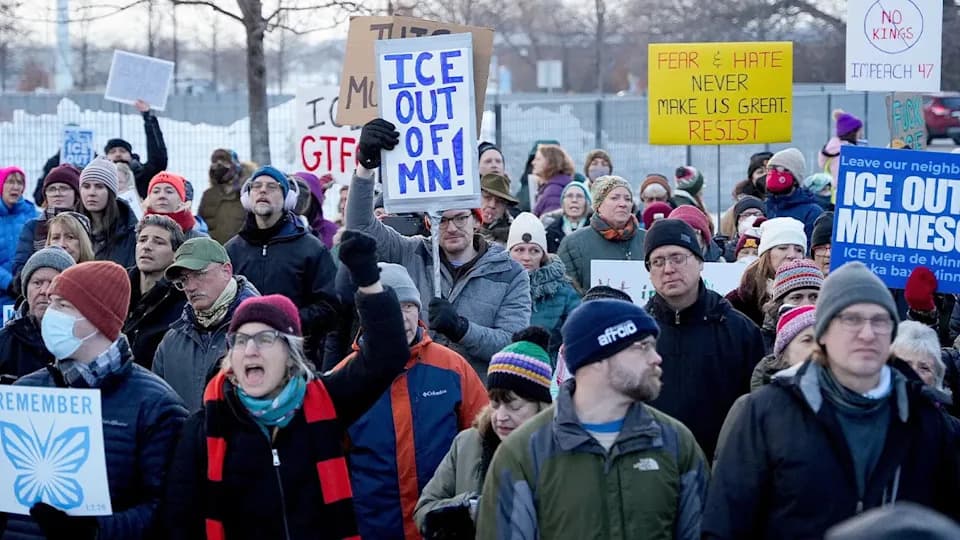
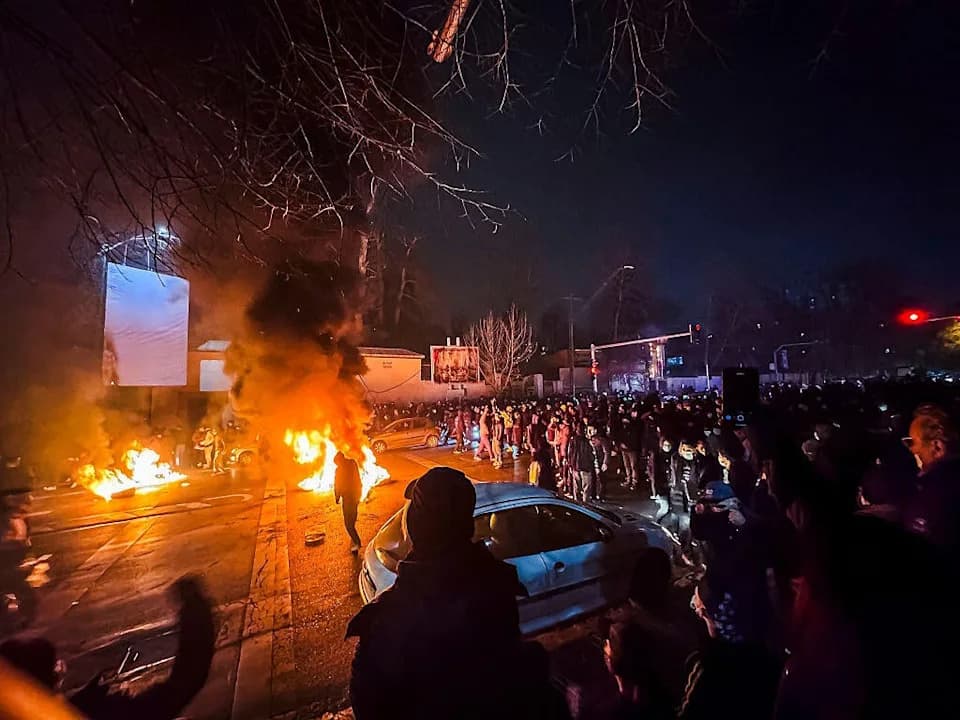
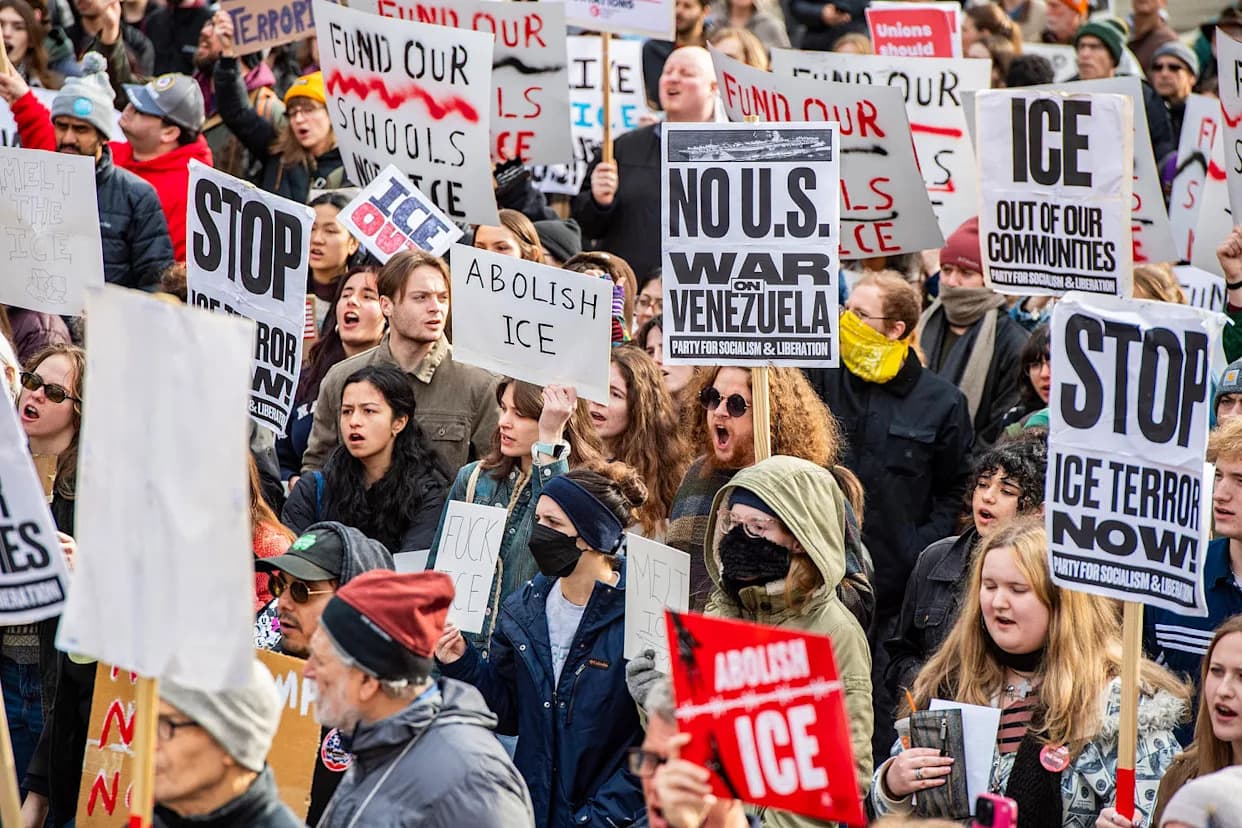
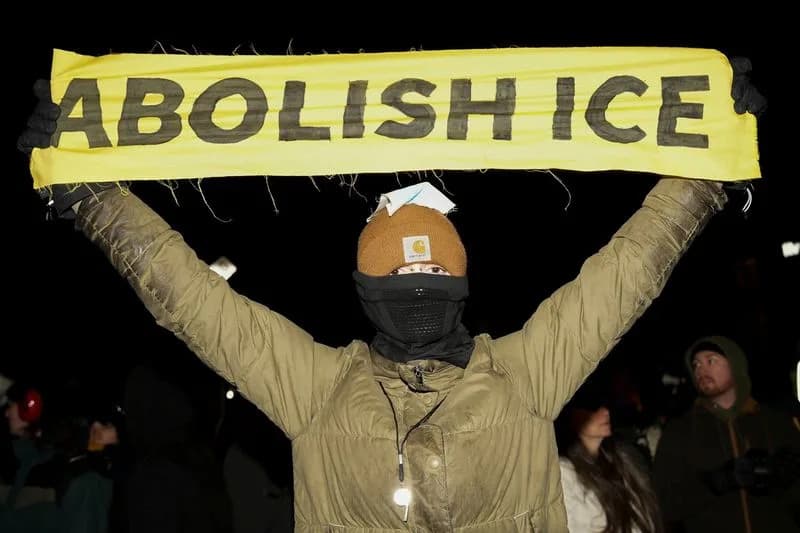
Those rapid, public judgments — made before investigators had released key facts — contributed to a charged local atmosphere. Protesters filled city streets, businesses posted guidance on opposing ICE activities, and clashes between demonstrators and federal personnel were widely reported.
Why This Matters For Fairness
In highly politicized settings, it becomes difficult to ensure neutral fact-finding and impartial decision-making. Given the intensity of local reaction and the speed with which officials assigned blame, the ICE agent involved now faces a real risk that local sentiment and political statements will shape public perception and the jury pool.

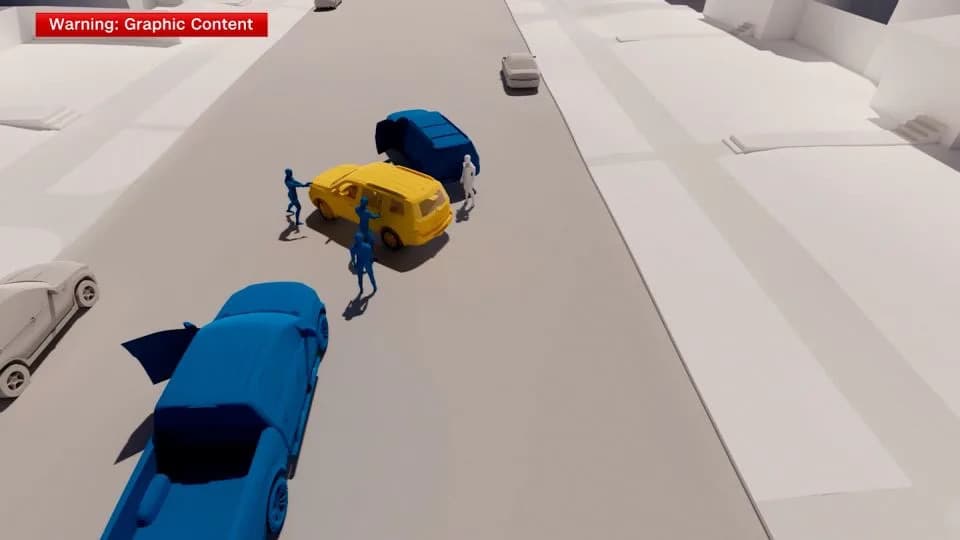
Renee Nicole Good moments before she was shot and killed by a federal agent in Minneapolis.
To avoid repeating the worst lessons of the Floyd-era aftermath, federal authorities should take extra care to structure an investigation that appears independent and thorough. That means federal investigative leadership (the FBI and the Department of Justice) should carefully consider who is assigned to the case, minimizing the role of local actors whose previous decisions or public statements could reasonably be perceived as prejudicial.
Author's Reflection On Past Coverage
I offer a personal admission: during the nationwide protests after George Floyd’s death, many journalists — myself included — were swept up in a broad public reckoning. In that moment, some of us accepted prevailing narratives more quickly than we should have, subordinating careful skepticism and the presumption of due process to larger social and political aims. That departure from journalistic restraint had real consequences for individuals and institutions.
What Federal Leaders Should Do Now
Principle: The priority must be a transparent, independent investigation that protects both public safety and the rights of the individuals involved.
Practical steps include:
- Assigning investigative responsibility clearly to neutral federal teams (FBI/DOJ) with oversight to ensure independence.
- Limiting the formal involvement of local officials who have publicly prejudged the case.
- Communicating facts carefully and promptly to reduce misinformation and help preserve an impartial venue for adjudication.
Conclusion
Protecting due process does not mean excusing misconduct. It means insisting that investigations and prosecutions proceed on the basis of verified facts and fair procedures, not political pressure or headline-driven narratives. If federal leaders fail to shield this case from local politicization, we risk repeating the same mistakes that undermined public confidence after the Floyd case — and we will have done a disservice both to justice and to public safety.
Help us improve.