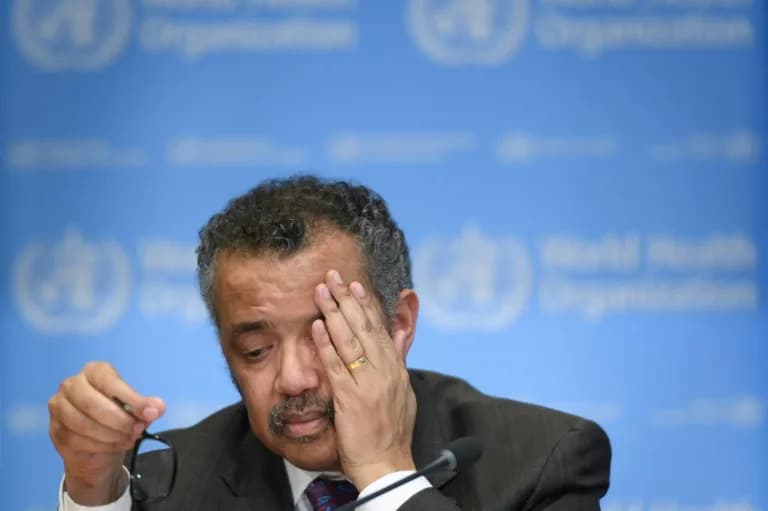
The World Health Organization warned on January 24 that the United States’ formal notification of withdrawal will make both the country and the world "less safe," in a statement expressing regret over the decision.
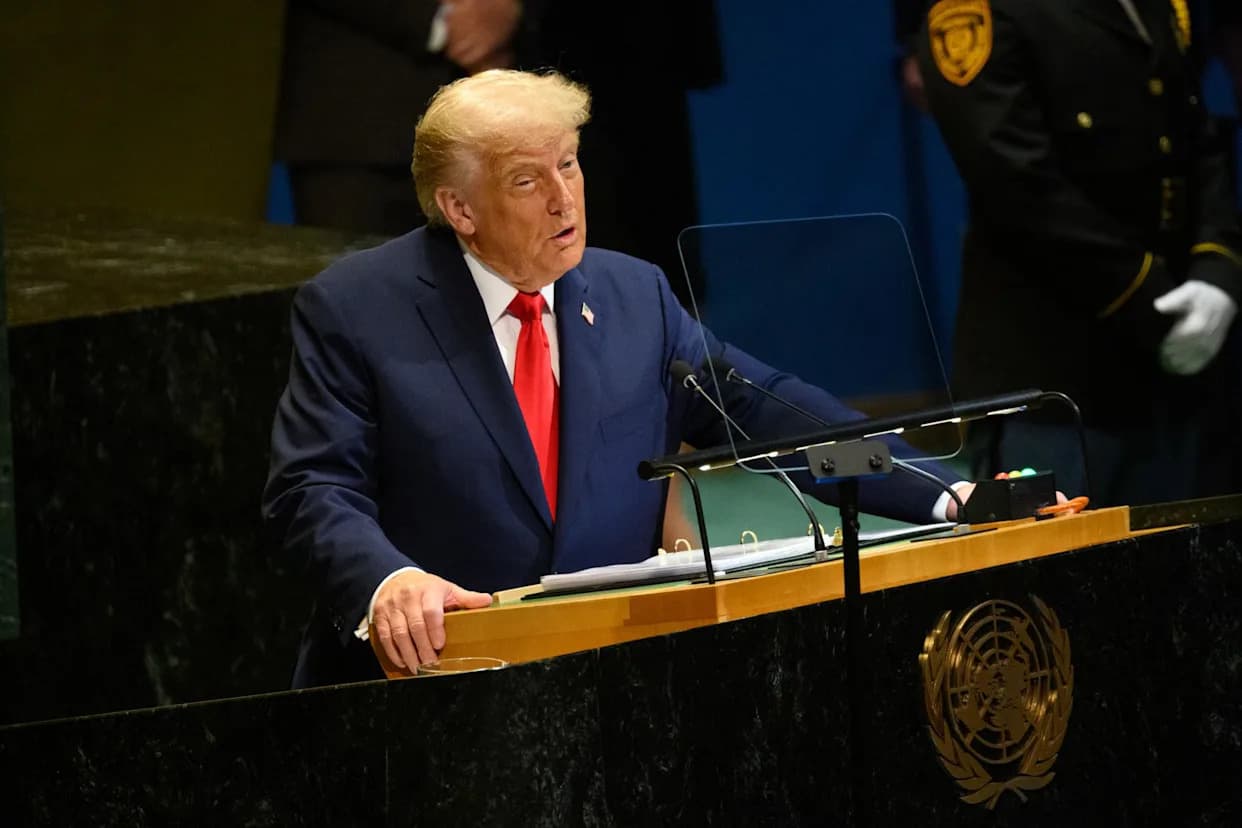
Left: World Health Organization logo. Right: President Donald Trump speaks during a briefing in the Brady Briefing Room of the White House in Washington, D.C., on Jan. 20, 2026.(Getty Images)
In its January 24 statement, WHO said it "regrets the United States’ notification of withdrawal from WHO – a decision that makes both the United States and the world less safe." The agency added that it "hopes that in the future, the United States will return to active participation in WHO."
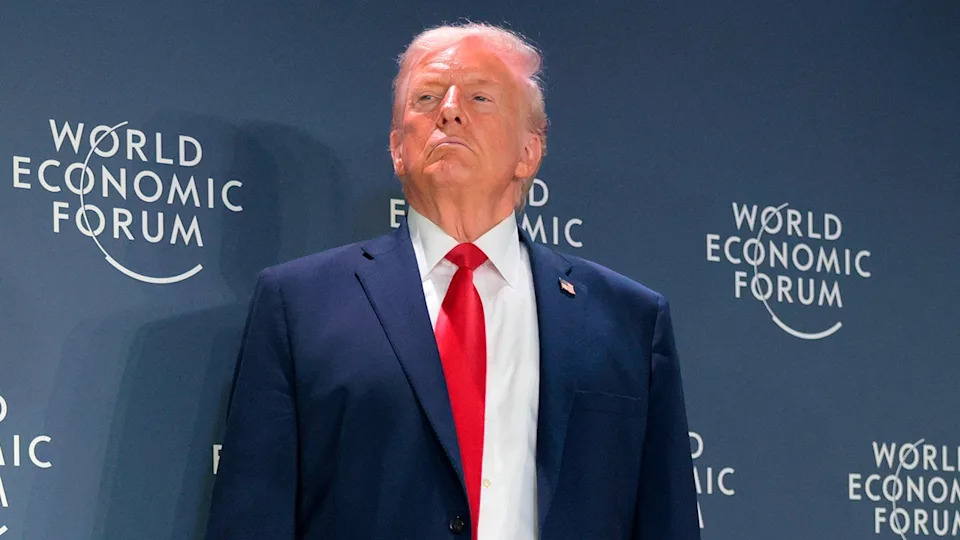
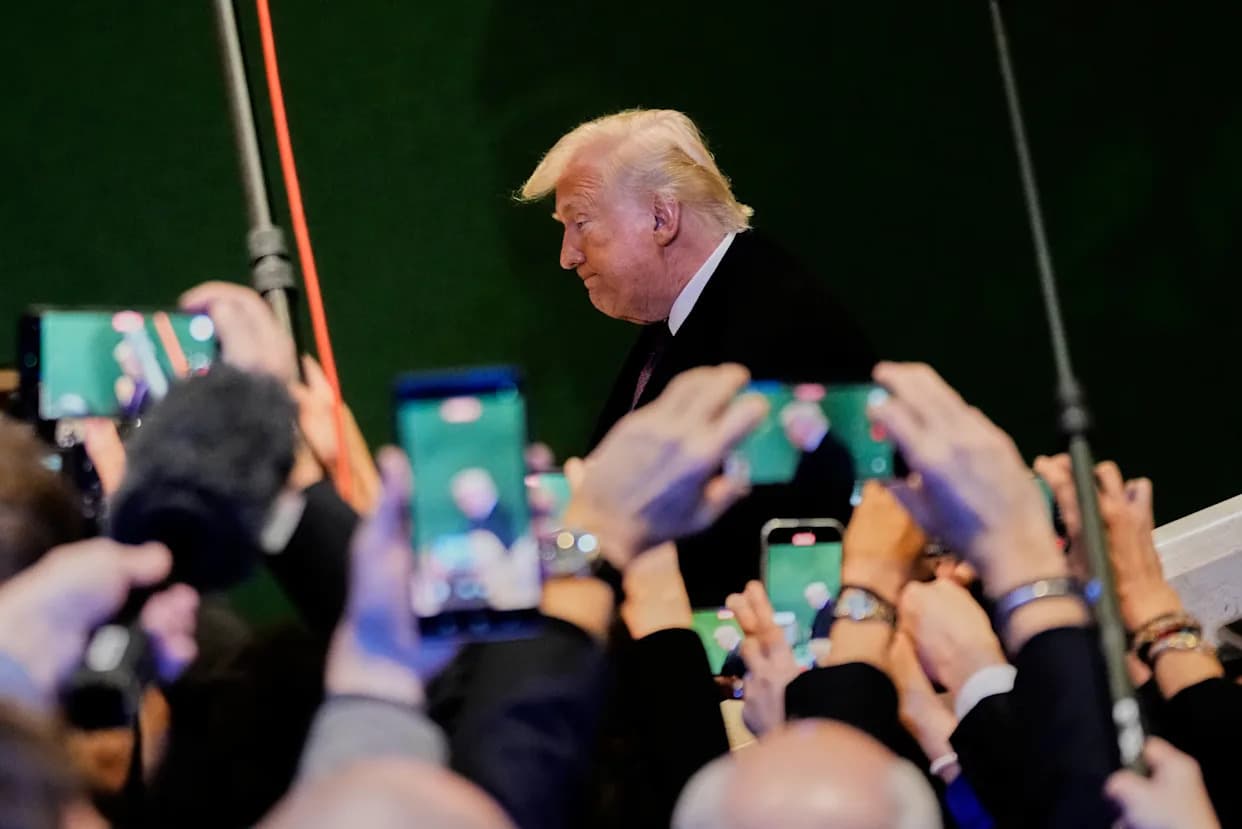
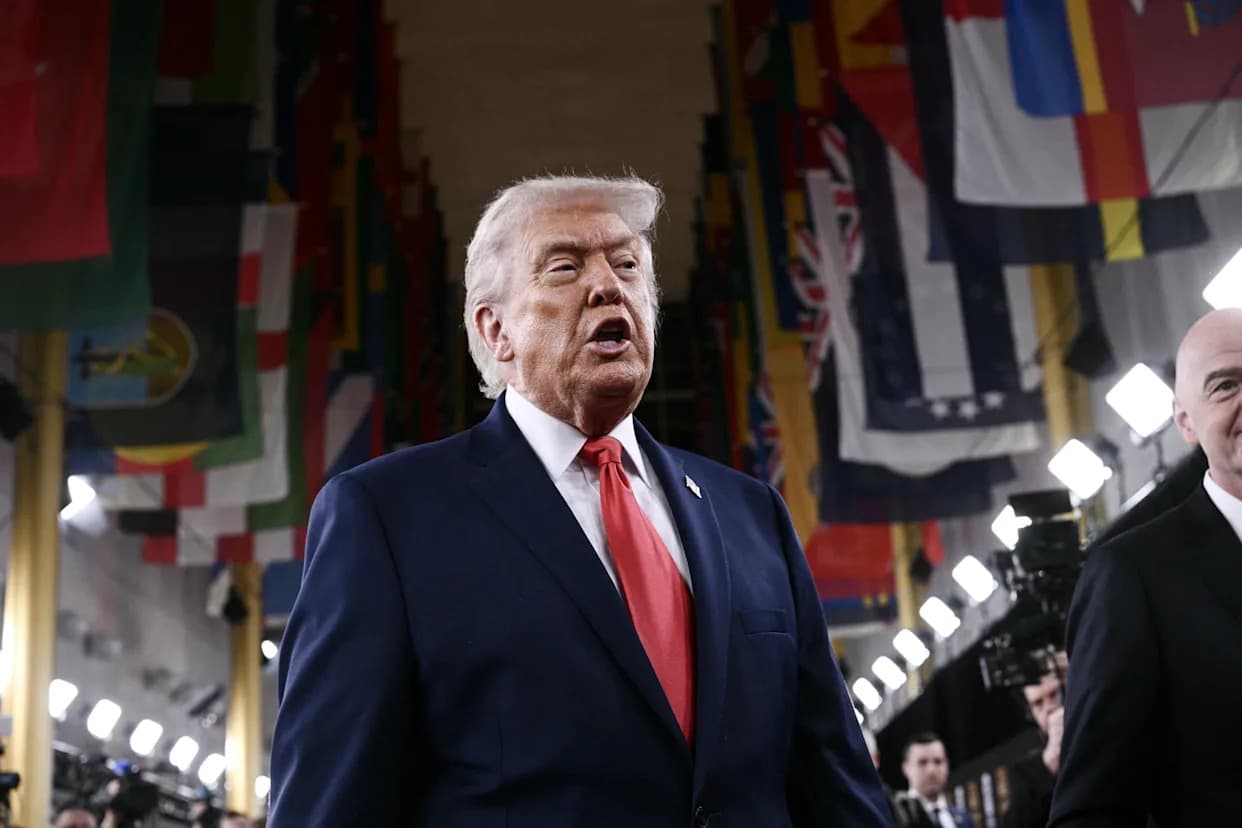
U.S. President Donald Trump attends a reception for business leaders at the World Economic Forum (WEF) Annual Meeting on Jan. 21, 2026 in Davos, Switzerland.
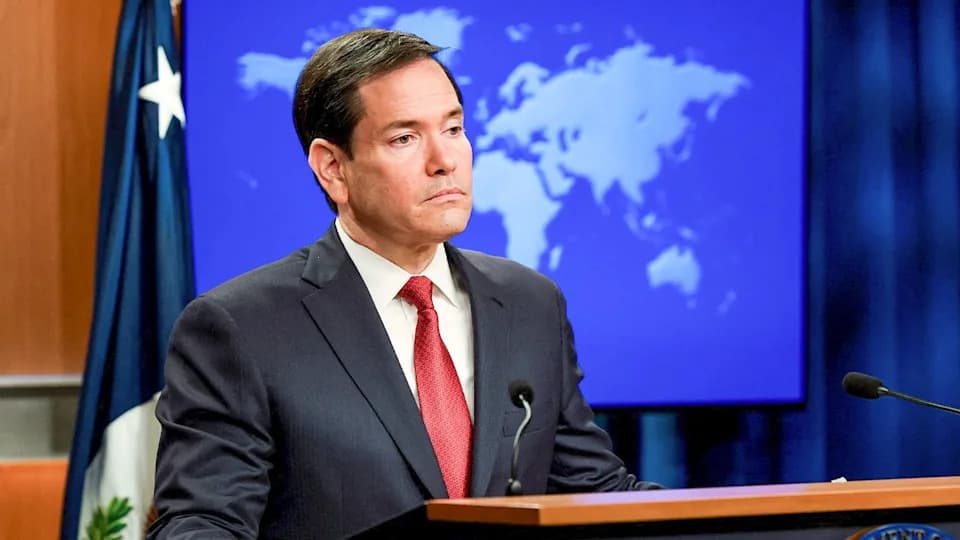
U.S. officials announced the country's formal exit from WHO earlier in the week. According to a joint statement dated January 22, 2026, by U.S. Secretary of State Marco Rubio and Secretary of Health and Human Services Robert F. Kennedy Jr., the United States has withdrawn from the World Health Organization and will cease funding and staffing for WHO initiatives.
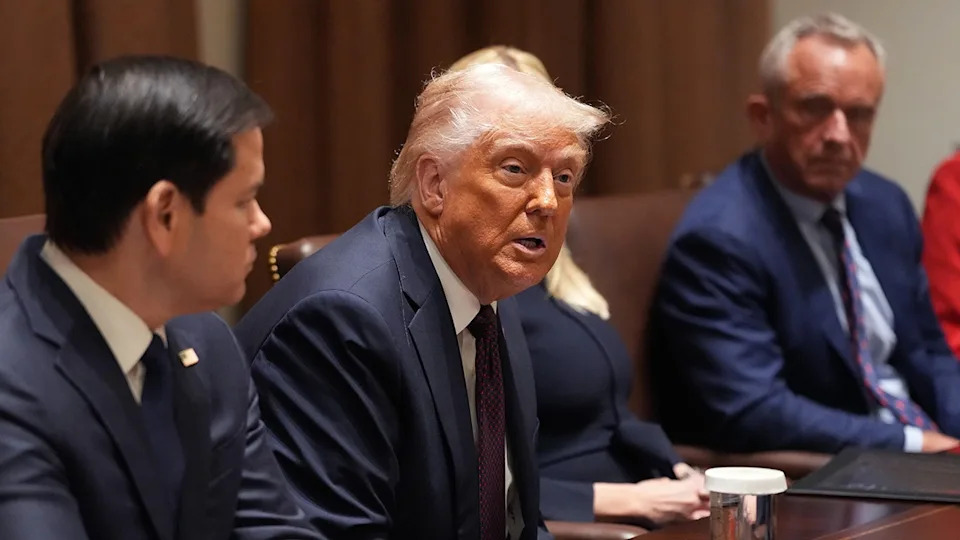
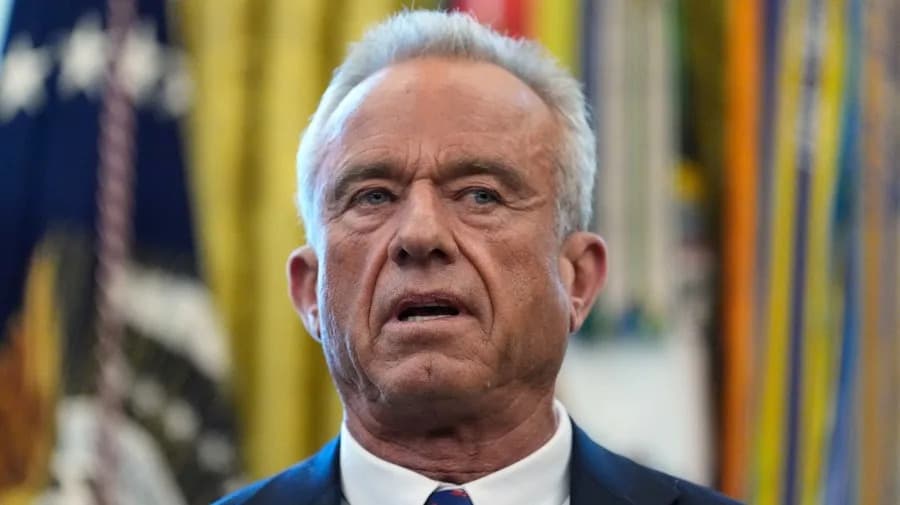
U.S. President Donald Trump delivers remarks alongside Secretary of State Marco Rubio and Health and Human Services Secretary Robert F. Kennedy Jr. during a Cabinet meeting at the White House on March 24, 2025 in Washington, D.C.
"Today, the United States withdrew from the World Health Organization (WHO), freeing itself from its constraints, as President Trump promised on his first day in office by signing E.O. 14155," the joint statement said. It added that "U.S. engagement with the WHO will be limited strictly to effectuate our withdrawal and to safeguard the health and safety of the American people. All U.S. funding for, and staffing of, WHO initiatives has ceased."
The U.S. statement criticized WHO as having pursued "a politicized, bureaucratic agenda driven by nations hostile to American interests." WHO rejected that characterization in its response.
"This is untrue. As a specialized agency of the United Nations, governed by 194 Member States, WHO has always been and remains impartial and exists to serve all countries, with respect for their sovereignty, and without fear or favor," the agency said.
The exchange highlights a sharp diplomatic rift over the role and governance of global health institutions. WHO emphasized the risks posed by reduced cooperation, while U.S. officials framed the move as a reclaiming of national autonomy over public-health decisions and resources.
What Happens Next: The joint U.S. statement says engagement will be limited to completing the withdrawal process and protecting Americans' health; WHO reiterated its commitment to member states and urged renewed collaboration in the future.