The fatal shooting of 37-year-old Alex Pretti by a federal agent in Minneapolis has reignited criticism of ICE and the Trump administration’s enforcement tactics. Officials quickly defended agents and portrayed Pretti as a deliberate threat, while video and local accounts raise serious questions about that narrative. Recent polls show rising public concern—around 61% say ICE is "too tough"—and critics from the NRA to some GOP lawmakers are calling for investigations. The incident adds urgency to wider debates over warrantless entries, deportation policy, and accountability.
Another Federal Shooting Deepens Political Crisis Over ICE Tactics
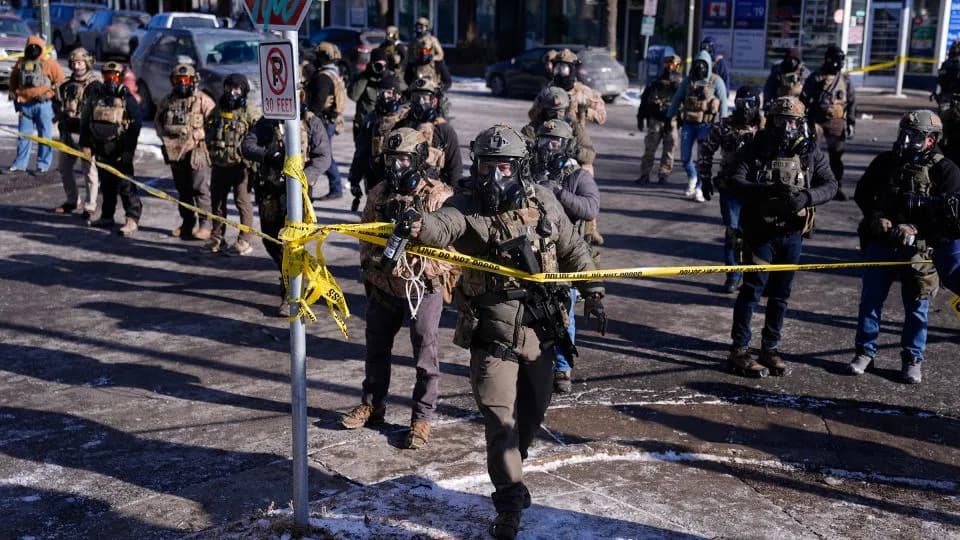
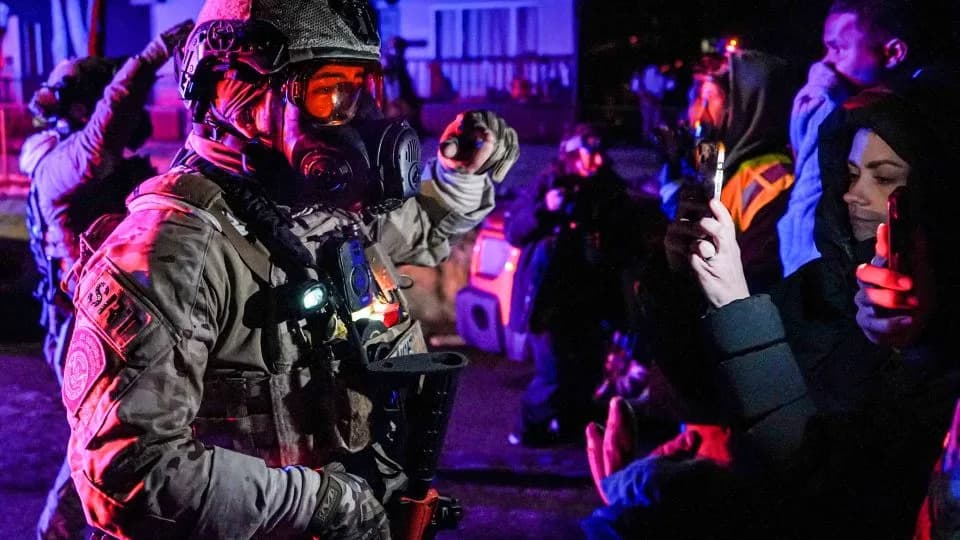
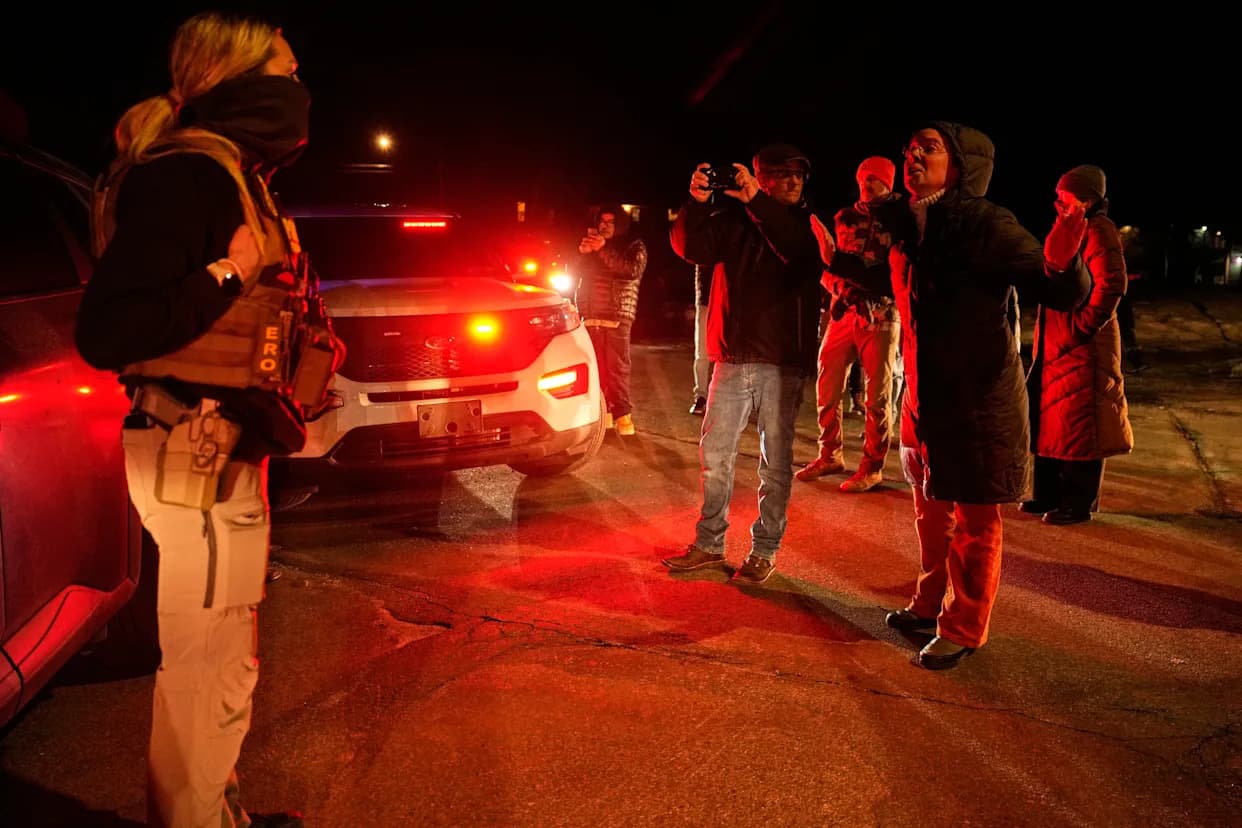
Federal immigration officers deploy pepper spray at observers after a shooting January 24, 2026, in Minneapolis. - Abbie Parr/AP
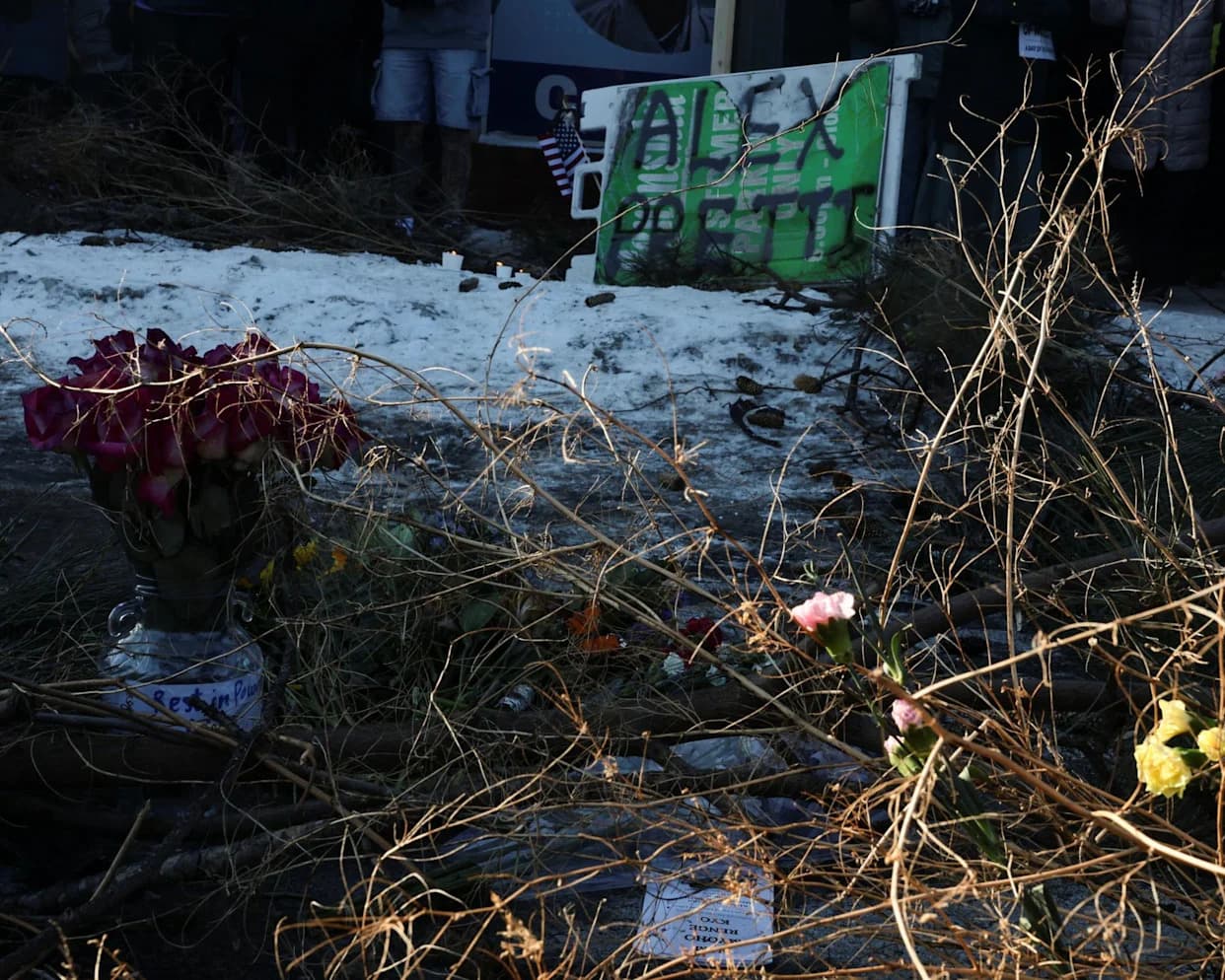
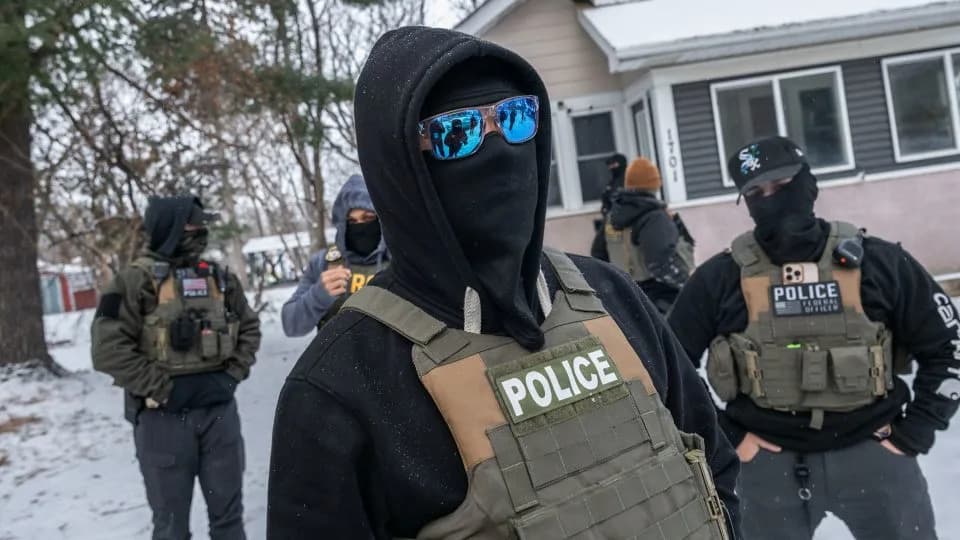
The fatal shooting of 37-year-old Alex Pretti by a federal agent in Minneapolis has intensified scrutiny of Immigration and Customs Enforcement (ICE) operations and the Trump administration’s handling of them. The episode draws direct parallels to the killing of Renee Nicole Good weeks earlier and has amplified concerns about federal tactics, accountability, and political messaging.
What Happened
Authorities say a federal agent shot Pretti after a confrontation in Minneapolis. Local officials reported Pretti was armed and held a permit to carry the weapon. Video released so far does not clearly show Pretti drawing or firing his weapon; some footage appears to show an agent removing a firearm from Pretti shortly before the shooting. Minneapolis police also say the chain of events began when an agent shoved a woman standing next to Pretti, touching off a scuffle.
Official Claims and Public Doubt
High-level administration officials, including Homeland Security Secretary Kristi Noem and White House adviser Stephen Miller, quickly characterized the incident in stark terms. Noem suggested Pretti sought “to inflict maximum damage,” DHS officials used words like “massacre,” and Miller called the episode “an assassin tried to murder federal agents.”
Those assertions came before a full public accounting and have been met with skepticism. Video evidence released so far does not incontrovertibly support the claim that Pretti intended to kill officers, and local accounts raise questions about whether the use of lethal force was justified.
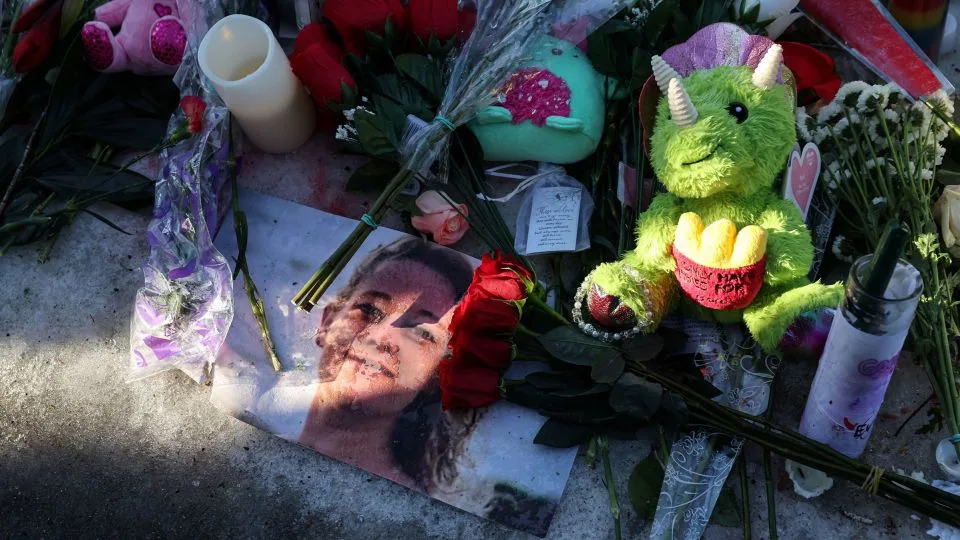
A photo of Renee Nicole Good is seen on January 9, 2026, by a makeshift memorial at the scene where she was shot by a US Immigration and Customs Enforcement agent in Minneapolis. - Tyrone Siu/Reuters
Investigation, Access, And Institutional Friction
The Pretti shooting has highlighted tensions between federal and local authorities. Minneapolis officials said federal agents attempted to limit local police access to the scene, and the Minnesota Bureau of Criminal Apprehension reported that Department of Homeland Security personnel were not cooperating with the state agency. Observers drew parallels to the earlier killing of Renee Nicole Good, when concerns about the federal response and investigatory posture prompted resignations by prosecutors.
Wider Context And Political Fallout
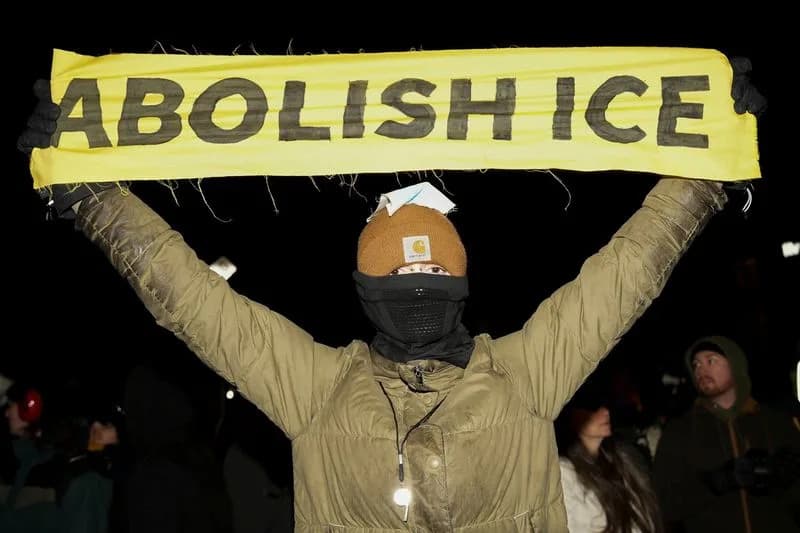
The incident arrives amid a string of controversial ICE actions and policy decisions: reported warrantless entries into homes, U.S. citizens swept up in immigration raids, allegations of racial profiling, acknowledged targeting errors, and very young children — ages 2 and 5 — detained and placed on flights with their parents. These developments have further eroded public confidence in ICE.
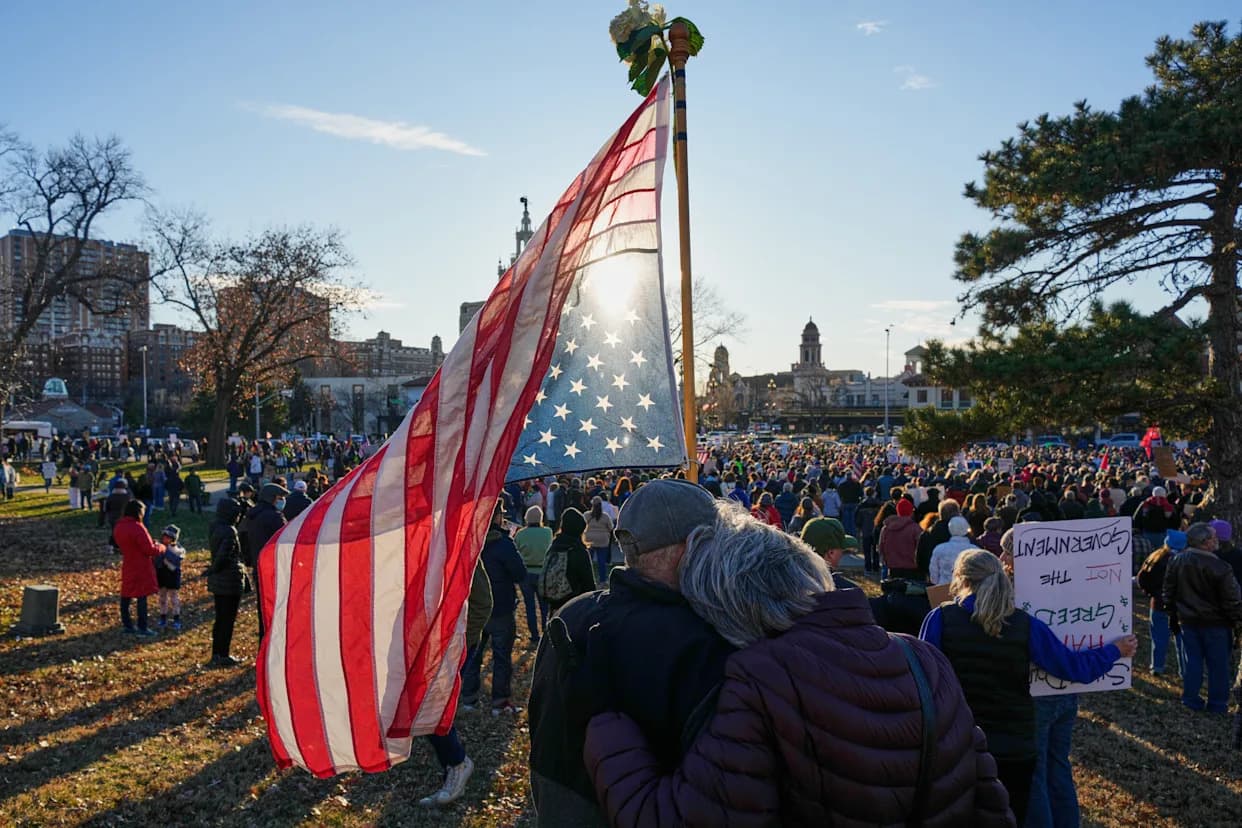
Polling underscores that erosion. A CBS News–YouGov series shows the share of Americans saying ICE has been “too tough” rose from 53% in October to 56% in November and to 61% in a recent survey. A New York Times–Siena College poll this week produced a similar 61% reading. The newest surveys show roughly 7 in 10 independents and about 2 in 10 Republicans saying ICE has gone too far.
Unusual Political Alignments
The situation has produced unusual criticism from some typically allied groups. The National Rifle Association publicly urged restraint and warned against demonizing a licensed, armed citizen, saying officials should await a full investigation. Several conservative lawmakers and at least one House Republican chairman signaled openness to hearings rather than an immediate defense of the federal agent’s actions.
Why This Matters
For the White House, the incident represents both a tactical and a political challenge. President Trump and his team have focused publicly on communication mistakes, but critics argue the problem runs deeper: the administration’s immigration enforcement tactics and the decision to maintain a mass-deportation posture have created recurring flashpoints and a widening political liability. With public trust in ICE slipping and bipartisan unease growing, the Pretti shooting may harden opposition and increase pressure for independent investigations and policy change.
Bottom Line: The Pretti case is more than one more fatal encounter — it is a focal point for broader concerns about federal enforcement practices, interagency cooperation, and the political costs of current immigration policy.
Help us improve.